











Logistics optimisation: sustainable transport from Thailand to Belgium using inland waterways
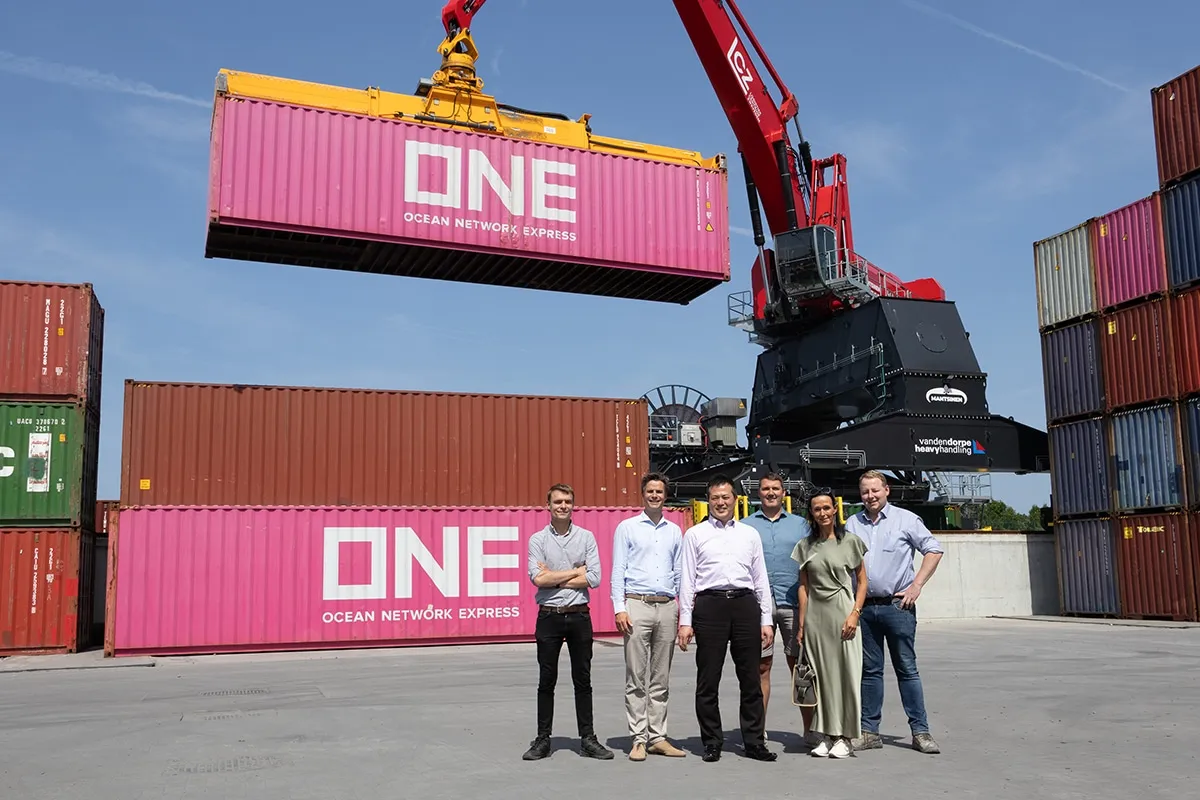
Linum Europe, a leading distributor of accessories for air conditioning and heat pump systems, has announced a significant optimisation of one of its logistics processes. From now on, part of the company’s annual import flow of at least 70 40ft containers of cooling pipes from Thailand will be transported via inland waterways. This marks an important step in making its transport chain more sustainable and significantly reduces the company’s carbon footprint.
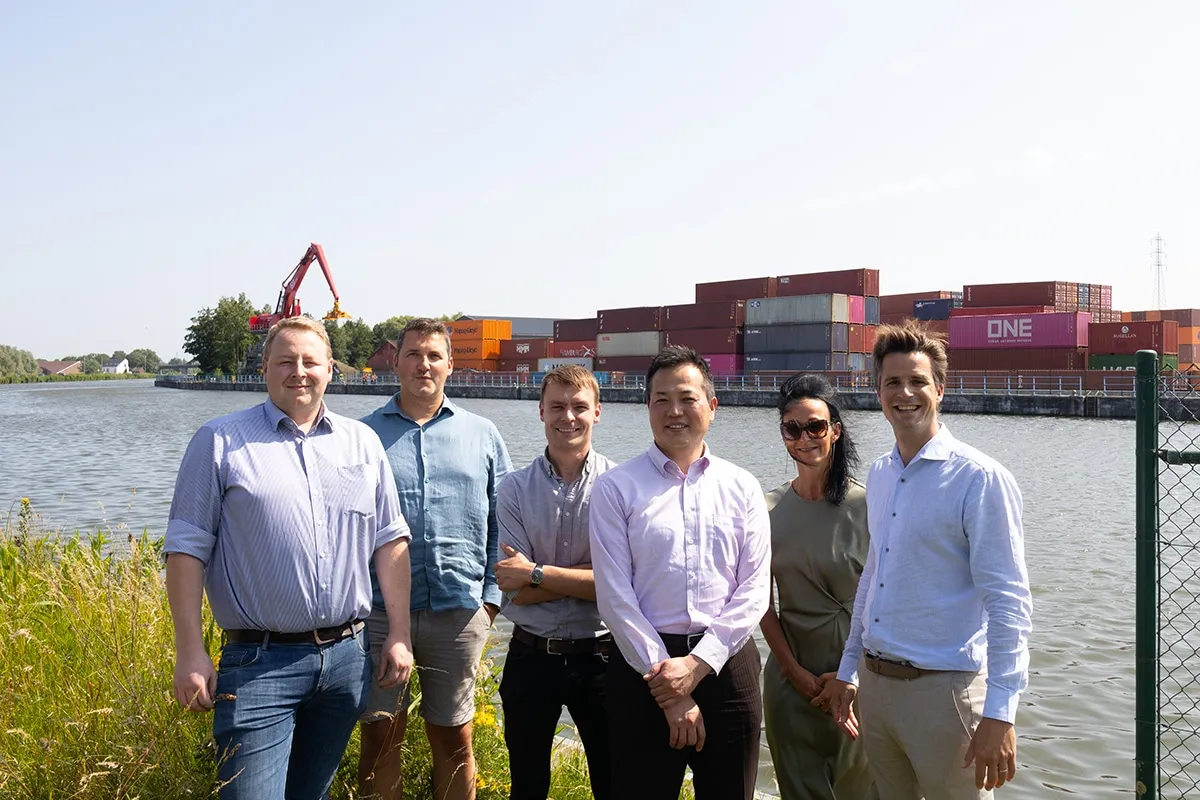
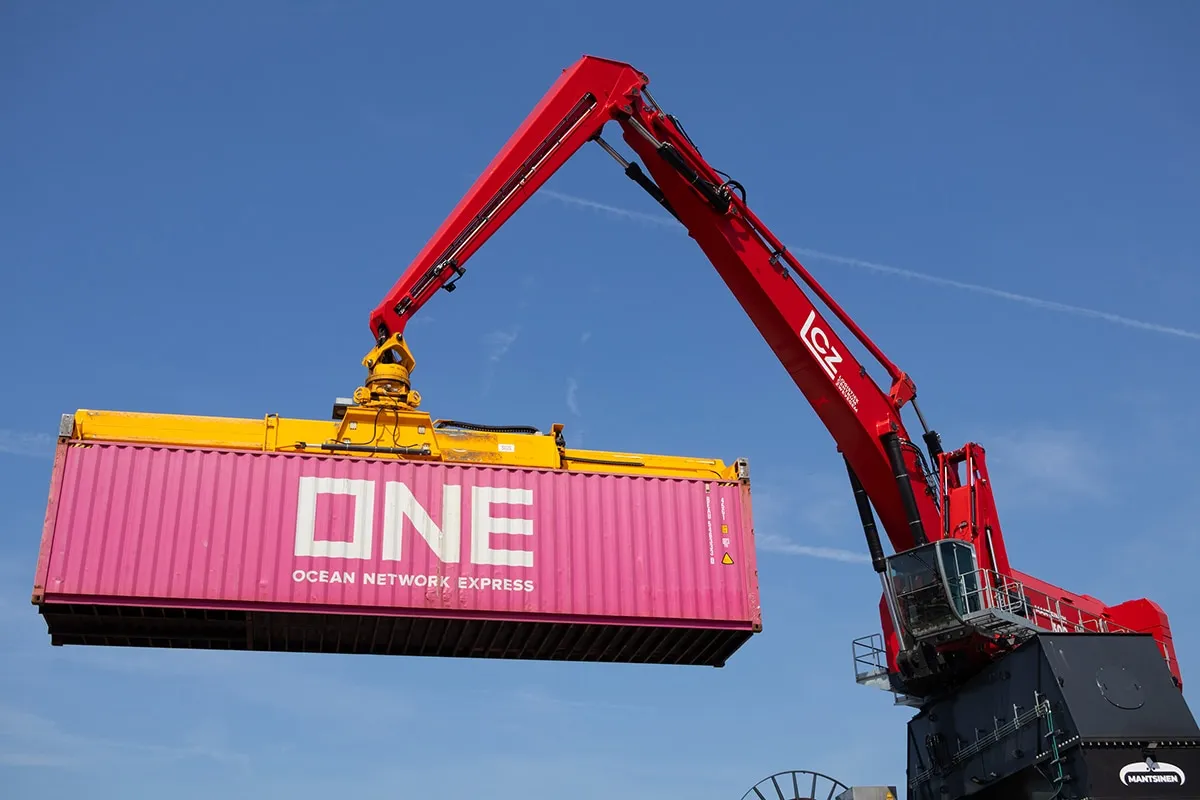
Until now, the containers arrived via the Port of Antwerp before being transported by lorry to the warehouses in Kuurne. This involved a one-way journey of 117.7 kilometres, amounting to a total of 16,478 kilometres of road transport per year. Following a study conducted by Multimodaal. Vlaanderen, a business unit of VIL vzw, with support from POM West-Vlaanderen, the route has been optimised by using inland waterways. The containers will now be transported from the deep-sea terminal in Antwerp to the LCZ logistics centre in Zwevegem, followed by a lorry journey of just 13.4 kilometres to Kuurne after unloading.
Sustainable and efficient
This modal shift will not only have a major impact on the number of road kilometres travelled, reducing them from 16,478 km to just 1,876 km, but will also lead to a substantial reduction in CO2 emissions. Annual CO2 emissions will be cut by 65%, from 22,458 tonnes to 7,883 tonnes. This directly contributes to making transport more sustainable and supports Linum Europe’s broader strategy to reduce its environmental impact.
Jan Vanderbeke, CEO of Linum Europe, explains: “This logistics optimisation is not just a strategic move to improve our efficiency, but also an important step towards sustainability. By using inland waterways for imports from Asia, we can significantly reduce CO2 emissions while also contributing to a cleaner, more sustainable transport network. We are proud to take our environmental responsibilities seriously and continue to seek innovative solutions for a more sustainable future.”
Improving the logistics flow
The new solution offers significant benefits for the products’ logistics flow. By combining inland waterway transport with road transport for the final leg of the journey, the company can improve delivery speed while reducing pressure on road traffic. This benefits the organisation’s efficiency and also helps reduce congestion and the strain on infrastructure.
Ilse Verdonck, Multimodal Transport Expert at VIL, explains: “The collaboration with Multimodaal. Vlaanderen and POM West-Vlaanderen, together with our multimodal transport expertise, has enabled Linum Europe to make this transition smoothly and successfully. The study provided valuable insights that form the basis for optimising its supply chain, from transport through to reducing waiting times for lorries at the loading bay.”
Future sustainability goals
Linum Europe remains committed to making its logistics processes more sustainable. The move to multimodal transport is just one step in its broader strategy to reduce CO2 emissions and further shrink its carbon footprint. The company continues to develop innovative solutions to minimise the environmental impact of its activities.
Een zakelijke vraag aan Linumgroup / Prihoda? Get in touch
Companies in this story

Keep following this
Get an email when a new story is published. No account needed.
- SubjectGeneral
- CompanyLinumgroup / Prihoda







