











On the road to circular construction
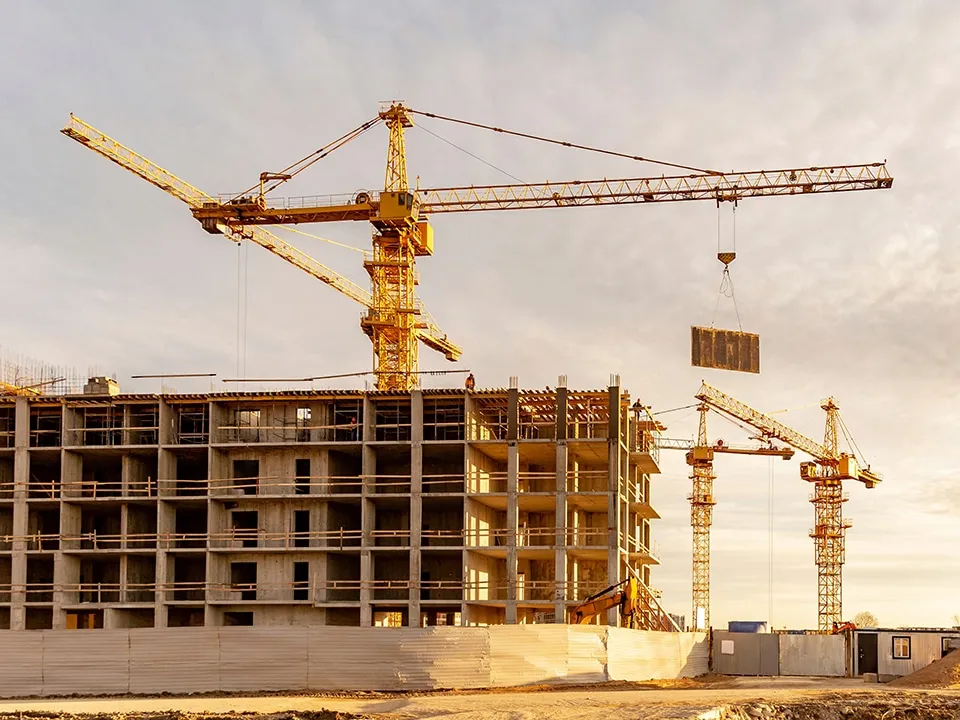
The way we build today is reaching its limits. Buildings are currently responsible for around 40% of CO2 emissions in Europe and almost 50% of material use. If we are to meet our climate targets, things will have to change. Recent months have also shown the impact that material shortages can have. A transition to a circular construction economy is therefore essential. OVAM is currently setting out the main lines of this new policy in collaboration with stakeholders from the construction sector. An introduction.
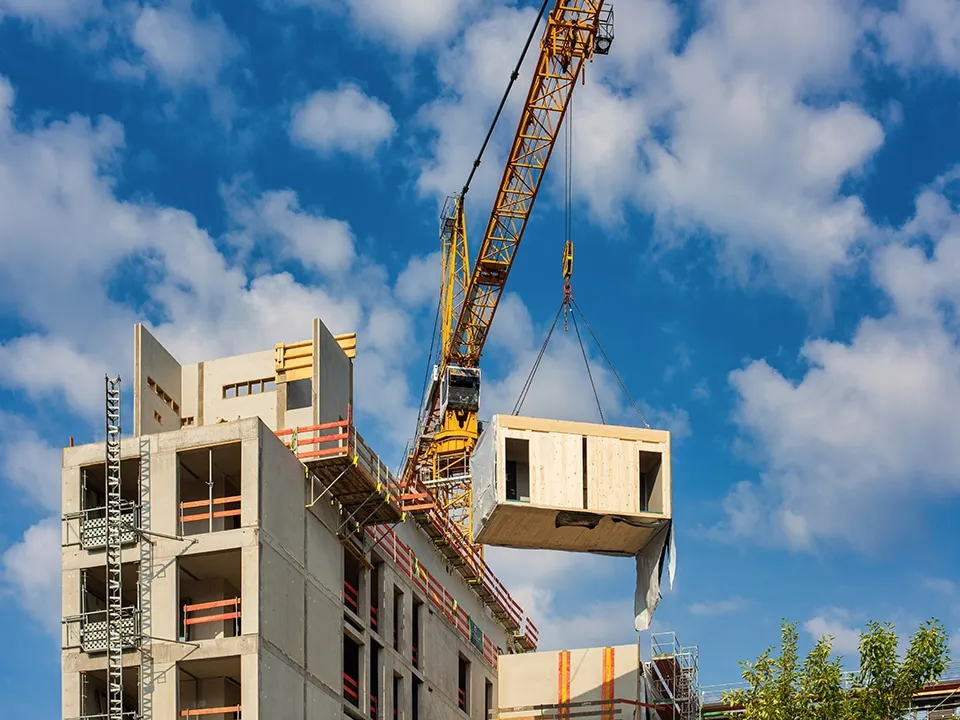
Europe aims to be carbon-neutral by 2050, while using as few raw materials as possible and minimising the impact of materials. Flanders shares this ambition, but achieving it means we need to rethink the way we build from the ground up. From linear to circular. The new draft policy programme, ‘On the road to circular construction’, sets out these circular ambitions. Philippe Van de Velde, OVAM policy adviser on construction waste: “The environmental impact of housing and construction is enormous. Under the previous policy programme, which ran from 2014 to 2020, considerable efforts were already made to reduce the volume of waste generated by building and construction works. With demolition follow-up plans and demolition management organisations such as Tracimat, we have taken the right path towards high-quality recovery of construction waste streams. This is already working well for rubble, insulation materials and plasterboard. In future, we need to be able to do the same for more waste streams.”
Greater emphasis on reuse
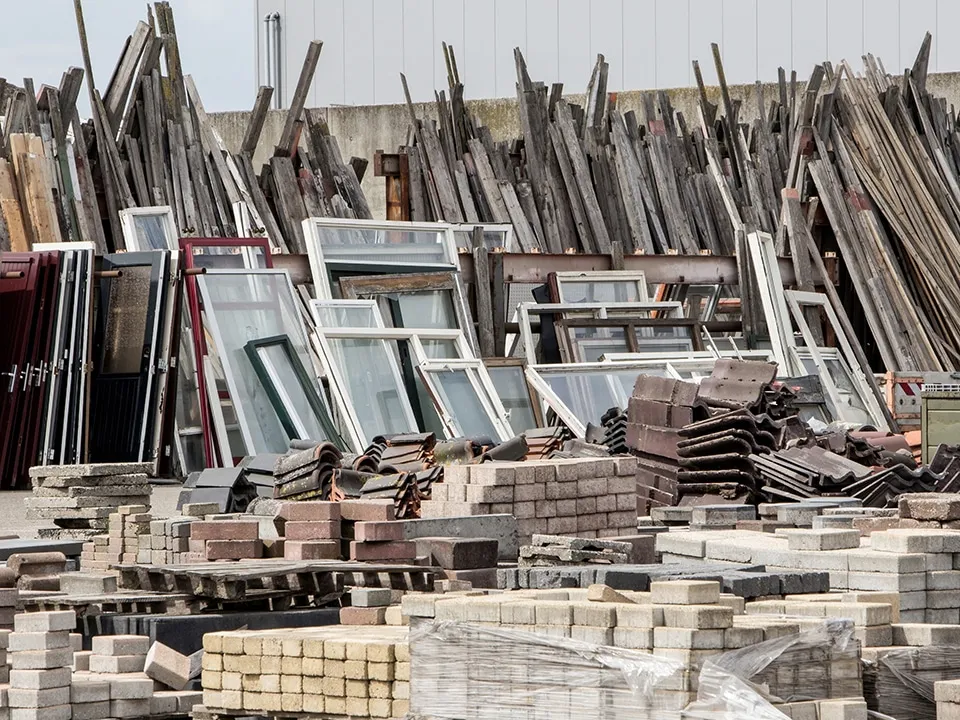
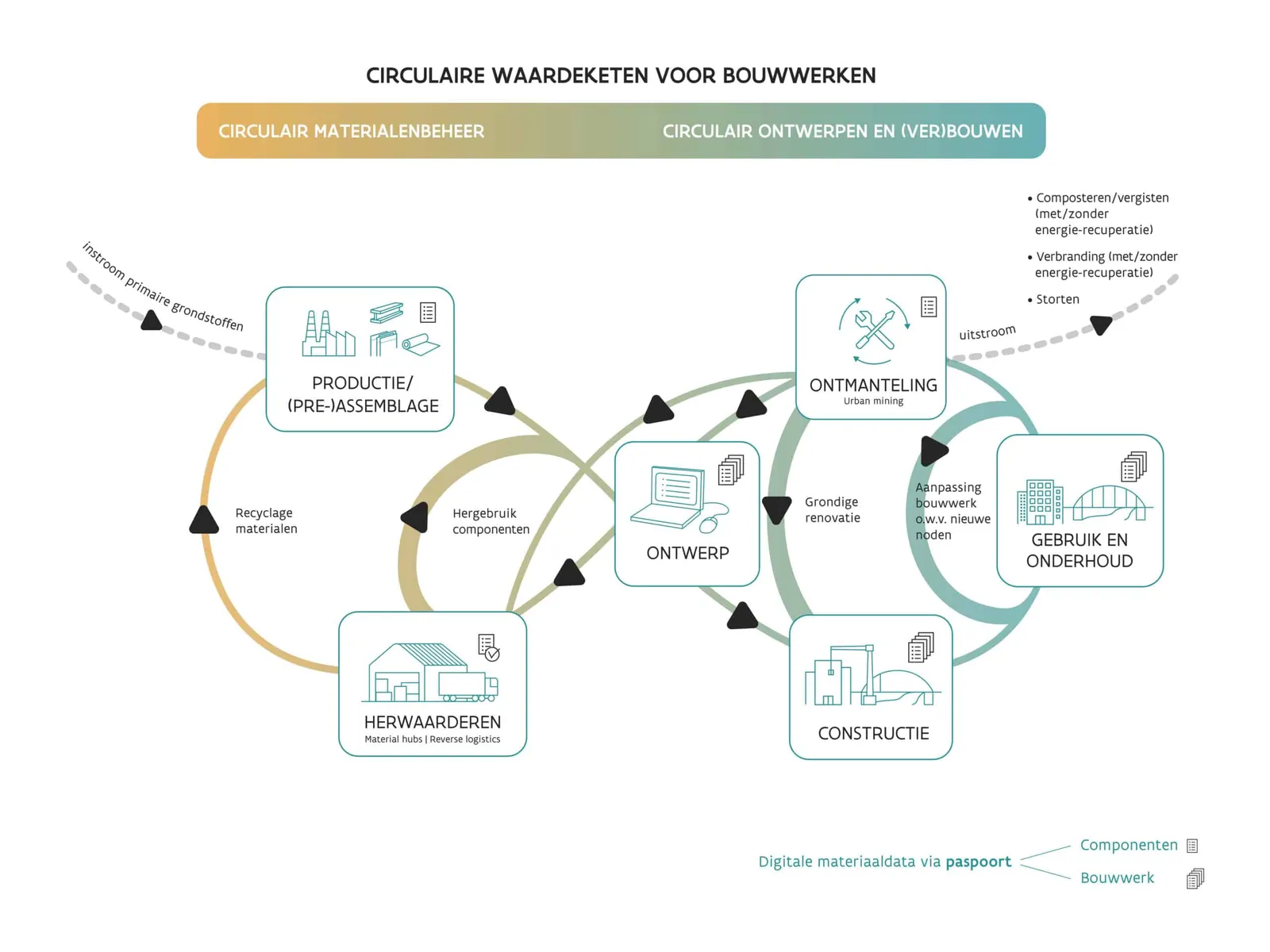
Compared with the previous policy programme, OVAM wants to focus even more on reuse in future. Karlien Wauters, OVAM policy officer for adaptive and circular construction: “Many materials from demolition or renovation projects can certainly have a second life. That is why ‘urban mining’ will be a key concept in future construction projects. But we also need to start thinking about reuse and recycling at the design stage. Ultimately, reuse means building flexibly and adapting buildings to change. This means modifying a building with minimal effort so that it can evolve with users’ needs. For example, removing and repositioning internal walls to give a building a different layout.”
Taking every aspect of sustainability into account
The new draft policy programme also urges us to consider the whole picture at all times. Van de Velde: “Sustainability is about more than energy and CO2. A passive house can be an excellent way to reduce consumption, but it requires a great deal of material. Does that balance out? To become truly circular, we must always seek the optimal balance between all sustainability factors.” TOTEM is one tool that helps construction professionals do this. “Today, companies have many choices when it comes to technology and materials. TOTEM maps the environmental impact of every choice: land and water use, CO2, toxicity … From extraction to end-of-life processing, it all contributes to the score,” Van de Velde explains.
Rising to the challenge
So what is still holding construction companies back from taking the step towards a circular economy? The draft policy programme identifies four major challenges. Wauters: “For now, limited market confidence is the main obstacle. The construction process needs to become more transparent about the origin and quality of materials. We also need to do more to foster partnerships, for example to match materials from demolition and renovation projects with new-build projects. Data will play an important role here. What materials are available? What is the environmental impact of our choices? The better we can measure environmental costs, the more weight they can carry in decision-making. Finally, raising awareness is crucial. A transition brings new requirements and implications. We need to communicate these to a broad audience of decision-makers and specifiers.”
Available on the OVAM website
With its new draft policy programme, shaped by input from the sector, Flanders clearly intends to continue along the path it has taken. The programme can be found on the OVAM website. The public consultation runs until 15/10. During this period, objections or comments can be sent to [email protected].
Een zakelijke vraag aan OVAM? Get in touch
Companies in this story
Keep following this
Get an email when a new story is published. No account needed.
- SubjectGeneral
- CompanyOVAM







