











Round-table discussion: the challenges and future of sustainable construction
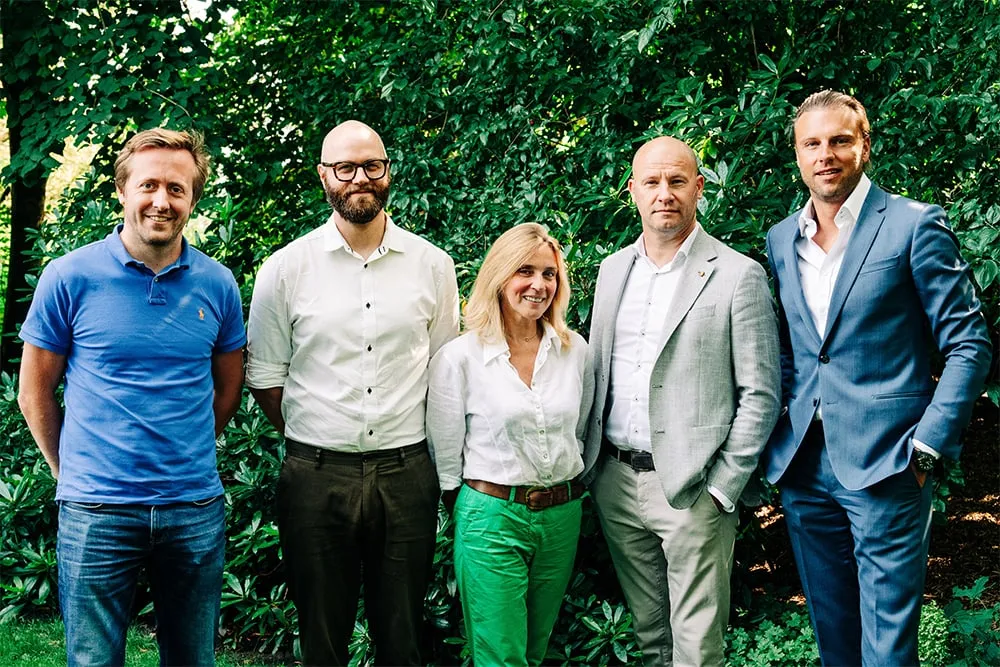
It is stating the obvious to say that the construction sector faces an environmental challenge. Sustainability, material reuse, life-cycle assessments …: everything seems to be accelerating. Which approach delivers the best results? And how can the different players each contribute? Five leading experts share their views in this round-table discussion.
PARTICIPANTS:
Els Uvyn, project manager at Aliplast Aluminium Systems
Sebastien Cools, CEO at Arch & Teco
Lode Lefevre, Project Engineer sustainable design at VK architects+engineers, part of Sweco
Jurgen Philtjens, Sales Director Belux/France at Nelissen Steenfabrieken
Ken Geudens, Acquisition Tender Manager at Pellikaan Bouwbedrijf
MODERATOR:
Bavo Boutsen (The Content Company)
How does your organisation approach the issue of ‘sustainability’?
Els Uvyn: “Aliplast Aluminium Systems/Corialis opted for vertical integration. Extrusion, thermal break insertion, powder coating, bending, welding, sheet metal work and folding all take place under one roof. Following the example of our headquarters in Lokeren, our international sites are spread out to ensure that supply is as local as possible. This short supply chain means less transport (and therefore lower CO2 emissions). BIM is also the guiding principle behind the buildings themselves, which are strongly focused on sustainability, including thermal comfort, renewable energy and C2C-certified materials …”
Lode Lefevre: “With roots in Roeselare and seventy years of experience, VK architects+engineers has grown and evolved into a multidisciplinary design firm. Since last year, we have been part of the Scandinavian architecture and engineering consultancy Sweco. By combining our knowledge, we can further strengthen our pioneering role in sustainability. As a sustainable designer, I often work in tandem with the project manager. Together, we take the lead on sustainable projects.”
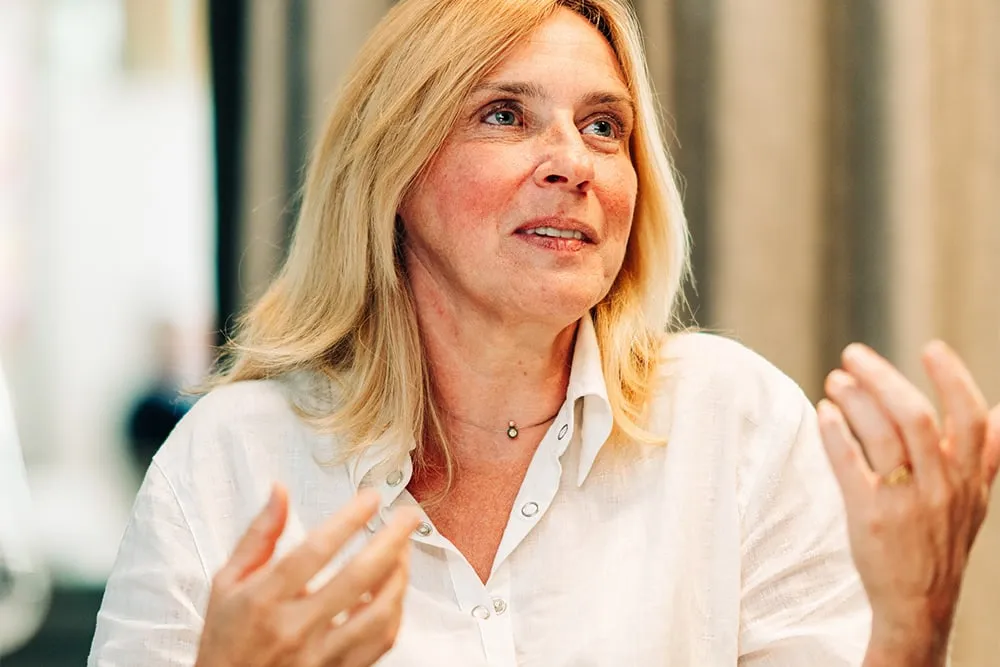
Ken Geudens: “As an all-round builder of swimming pool complexes and multifunctional leisure and sports facilities, at Pellikaan we make our buildings sustainable, pleasant and efficient. We also pay attention to maintenance that extends their service life.”
Jurgen Philtjens: “Nelissen Steenfabrieken was founded more than a hundred years ago as a brick manufacturer in Lanaken. Today, we operate in fifty countries. We, too, are in the midst of a sustainable transition. On the one hand, brick is a natural material with a long service life. On the other, we are developing a sustainability strategy as part of our business operations. One example is the new N70/6,5 format, which we launched this year as part of our N70 range. This special format offers significant environmental benefits in terms of production, transport and installation.”
Sebastien Cools: “Arch & Teco is a full-service architecture and engineering group. For us, a key aspect of sustainability is the conversion of existing (historic) buildings. Repurposing extends a building’s life by definition and reduces its environmental impact.”
Is material reuse the right way forward?
Jurgen Philtjens: “Insulating façades is a good way to improve the energy performance of existing homes. In many cases, however, this means demolishing the existing façade, even though the bricks themselves could last for many more years. It may seem contradictory, but careful extraction makes it possible to create beautiful new façades with the charm of ‘old bricks’.”
Els Uvyn: “Making the most of materials’ service lives to limit extraction, production and logistics is crucial. The aluminium and construction sectors have already made significant progress in this regard in recent years, including through the use of AW-6060 and AW-6063 alloys, which limit corrosion. Aluminium’s service life is estimated at forty to fifty years, based on robust life-cycle assessments. Even after that, the material has not actually reached the end of its useful life. In collaboration with VUB, we are continuing to explore new technologies to extend its service life. At end of life, aluminium can easily be remelted and extruded again without any loss of quality. This requires only a fraction of the energy needed for primary extraction. A great ‘Cradle to Cradle’ concept!”
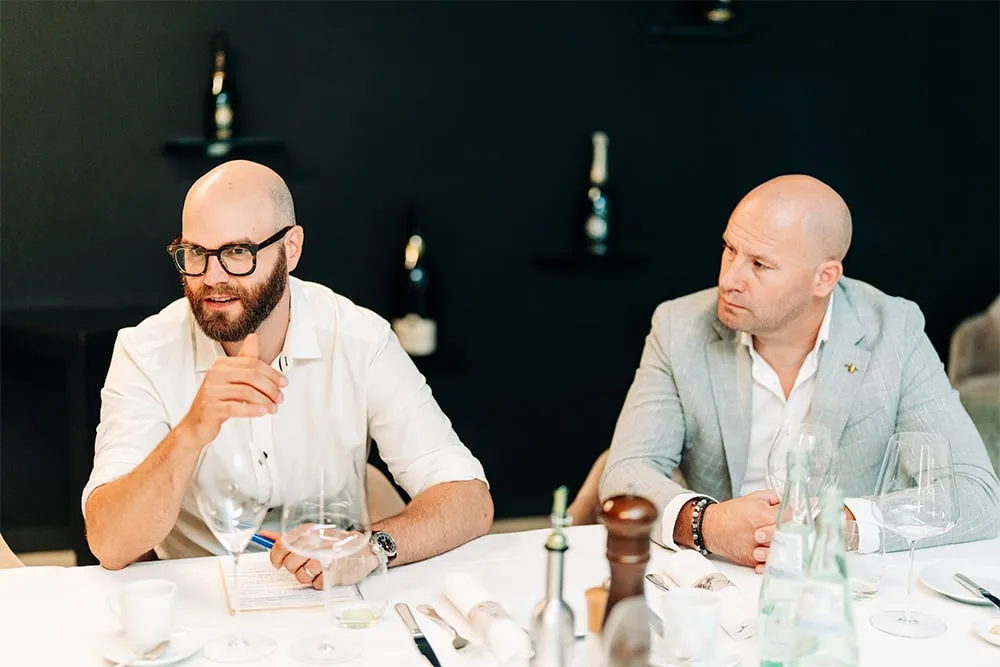
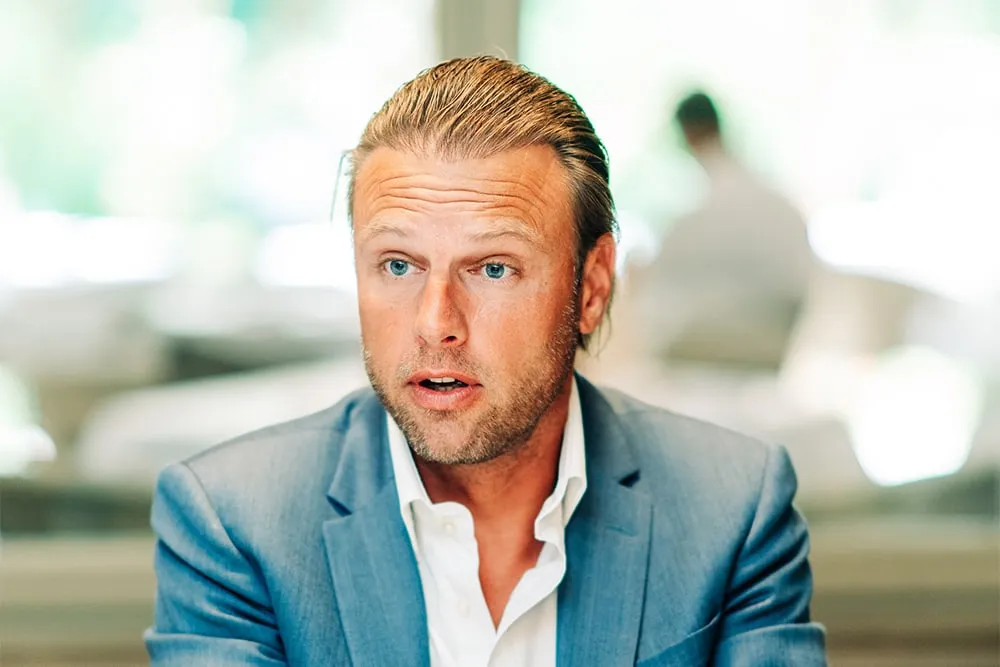
Lode Lefevre: “Recycling techniques and the use of recycled materials are certainly steps in the right direction. From a manufacturer’s perspective, it is also the most logical strategy, but not the only one … It also requires rigorous checks on quality, alloys and chemical composition. For many materials, it is impossible to use 100 % recycled content. Reusing materials, or even using less, is better still.”
Can a thorough life-cycle assessment make a significant contribution to the solution?
Sebastien Cools: “A key part of the solution lies in managing materials more intelligently and extending the service life of the existing building stock. Architects are therefore undergoing a shift in mindset towards flexible, multifunctional designs. Mixed-use buildings can be a driver of sustainability. At Arch & Teco, this approach often leads us to consider alternatives.”
Lode Lefevre: “The environmental impact of a building is currently assessed mainly in terms of its CO2e footprint per square metre. I would argue that additional parameters, such as the length and intensity of use, should also be taken into account. The time dimension is what I would call the ‘depreciation period of environmental impact’: the longer a building’s actual, rather than predicted, service life, the lower its impact per year.”
How can energy-efficient construction and renovation be reconciled with steep rises in building material prices?
Els Uvyn: “Choosing short supply chains and local production benefits not only the local economy but also the environment. Unfortunately, price can sometimes be a stumbling block compared with materials from low-wage countries. However, it is important to factor in their service life and energy performance, which are linked to high-quality workmanship by a skilled professional.”
Sebastien Cools: “There is no denying that building materials are generally much more expensive than they were before the coronavirus pandemic. Add rising labour costs and high land prices, and the impact on budgets is even greater for prospective homebuilders and renovators. The result? A clear trend towards more compact living. What is more, renovating is not necessarily cheaper than building new. Anyone who buys an existing home with an E or F rating is required to renovate it to EPC label D within five years. Those who choose to invest more in sustainability do so out of environmental conviction, and it also helps keep energy bills down.”
Lode Lefevre: “We see that budget constraints are also a decisive factor in local authority projects. Sometimes they determine whether a project goes ahead at all, even if that means compromising on the quality or sustainability of the materials.”
Ken Geudens: “This is familiar territory for us as a construction company: if circularity or sustainability are barely reflected in the tender specifications or selection criteria, there is little room for contractors to prioritise them.”
Lode Lefevre: “Indeed, contracting authorities have a significant role to play here. By including criteria other than price in tenders, such as quality, environmental performance, circularity and even a minimum percentage of recycled content, they can help reduce the environmental footprint.”
All: “Rising costs and sustainability remain difficult to balance. There are also other obstacles to consider: red tape, integrating sustainability at every link in the chain, a stronger focus on repurposing, greater attention to sustainability in education … In short, there is a constructive attitude, but this is an extremely complex issue, not a black-and-white matter, and one that requires a great deal of nuance.”
What can the government do to further promote sustainability?
Sebastien Cools: “It is a shame that the government tends to take a restrictive and punitive approach. That is counterproductive. I would much rather see campaigns focused on informing, encouraging and motivating people.”
Ken Geudens: “Absolutely! Take the planning permit process: why not work with applicants to find solutions and achieve better results? One good example of how to promote sustainability in the public sector is the GRO sustainability meter, a handy tool for public procurement developed by the Facilities Agency of the Flemish Government. GRO enables us, as a main contractor and member of Design & Build teams, to help set the technical guidelines for meeting the specified requirements
.”
Lode Lefevre: “I fully agree with the principle of encouraging people. But the message remains: revise the rules and avoid piling them on top of each other. The regulatory framework must not become an end in itself, and it must remain clear to all stakeholders.”
Jurgen Philtjens: “Flanders and Belgium are already among the strictest in Europe. This does not benefit the competitiveness of our companies.”
Els Uvyn: “On top of that, we have European ESG regulations to contend with. In 2026, we will have to report figures for 2025, covering not only ‘Environment’ but also ‘Social’ (acting as a good employer) and Governance. The drive for transparency is moving ever higher up the agenda. As a manufacturing company, we are 100 % behind it. It demonstrates quality, commitment and dedication. However, it is fair to ask how smaller players in the chain are supposed to manage this. You need a large team of employees or consultants to report it. And how will Europe coordinate this internationally …?!”
The closing message is …
All: “Sustainability in construction is a broad and fascinating topic. Significant progress has been made, but many obstacles and challenges remain. Political and other …”
Een zakelijke vraag aan Aliplast Aluminium Systems? Get in touch
Companies in this story
Keep following this
Get an email when a new story is published. No account needed.
- SubjectGeneral
- CompanyAliplast Aluminium Systems
- CompanyVK architects+engineers
- CompanyNelissen Steenfabrieken
- CompanyPellikaan Bouwbedrijf nv







