











Rules for the meter cupboard
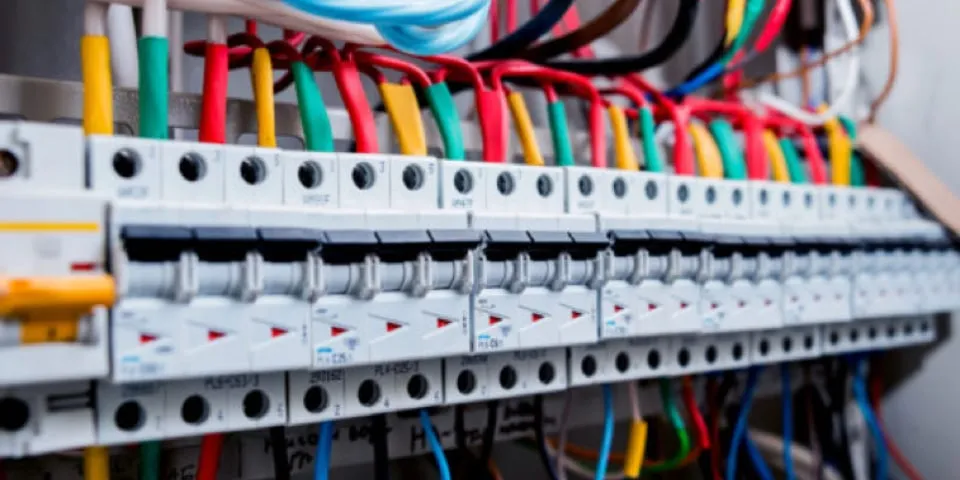
The requirements for the dimensions and layout of a meter room in a home are set out in the NEN 2768 standard. This mainly covers the room’s dimensions, access, layout and position in the home. The meter cupboard contains the water, gas and electricity connections. It is also usually where the telephone line enters the home, along with the fibre-optic connection and CAI (Central Antenna System). The meter cupboard is the heart of your electrical installation. What does a consumer unit typically contain?
Two types of protection
The consumer unit has two types of protective devices: the residual current device (RCD) and the circuit-breaker. Broadly speaking, the RCD provides additional protection for people, while the circuit-breaker is mainly intended to protect connected equipment.
Use the main switch to switch off your entire installation and isolate it from the power supply in one go. An RCD is an automatic switch that isolates an electrical installation as soon as a leakage current occurs. A circuit-breaker protects the wiring in electrical installations and electrical appliances against damage caused by excessive current. An RCBO combines an RCD and a circuit-breaker in a single device.
Optional
You need a cooker circuit if you want to cook using electricity. It consists of two or three circuit-breakers, which are usually connected as a single circuit downstream of the RCD. A cooking appliance circuit is a three-phase circuit-breaker for connecting high-power cooking appliances. Mechanical ventilation extracts stale indoor air and supplies fresh outdoor air. The circuit or switch may be located in the meter cupboard; if so, it will have a yellow sticker showing a fan. If solar panels are also connected to the ABB consumer unit, this can be indicated by a yellow text sticker. In the event of a fire, the fire brigade can shut down the solar panels by switching off the circuit in the meter cupboard.
Regulations
For your own safety, it is important that your meter cupboard and the associated wiring are installed and connected with care. The two main standards for electrical installations are NEN 1010 and 4010, and NEN 3140. NEN 1010 is the standard for low-voltage electrical installations, including those in homes. The new NEN 4010 standard replaces many parts of NEN 1010. NEN 3140 is a standalone standard that sets out all the relevant requirements for low-voltage installations in the Netherlands. Dutch law requires electrical installations and appliances to be safe, and all work on or involving these installations to be carried out safely.
All for your own safety. Many electrical appliances and applications in the home inevitably increase the risk of faults or electrical fires. When you buy electronic components, you should always find reference to standard 1010 or 4010.
Question about this story? Ask your question
Keep following this
Get an email when a new story is published. No account needed.
- SubjectGeneral







