











Smart solutions make large-scale housing more sustainable
Text and images Remeha
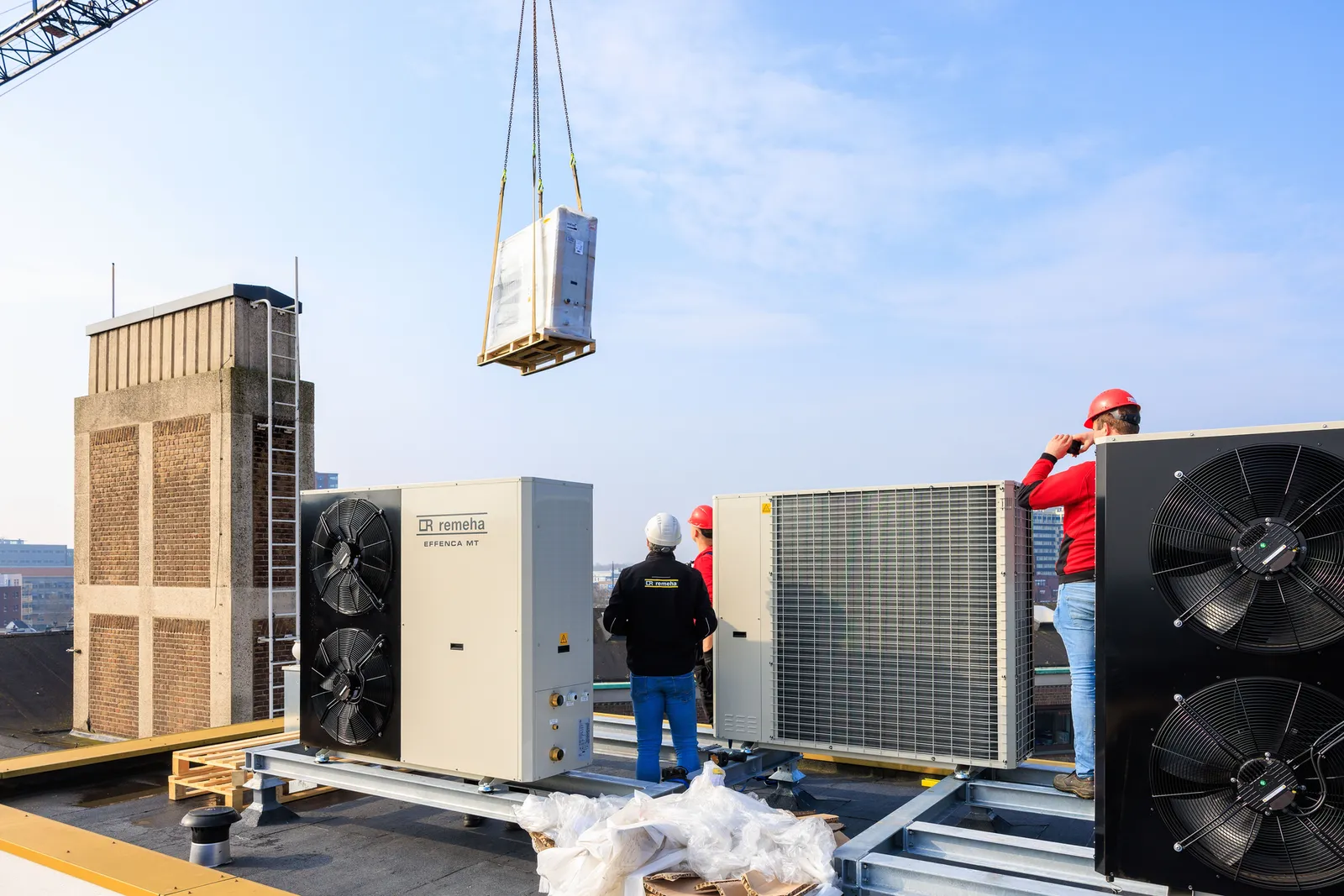
A range of global crises has sent oil and gas prices soaring. This makes improving sustainability more essential than ever. If climate change was not already urgent enough, the affordability of our energy supply certainly is. Solar and wind power are not only CO2-free, but also more affordable than fossil fuels. With smart solutions and complementary systems, it is possible to make even large residential buildings more sustainable in challenging conditions.
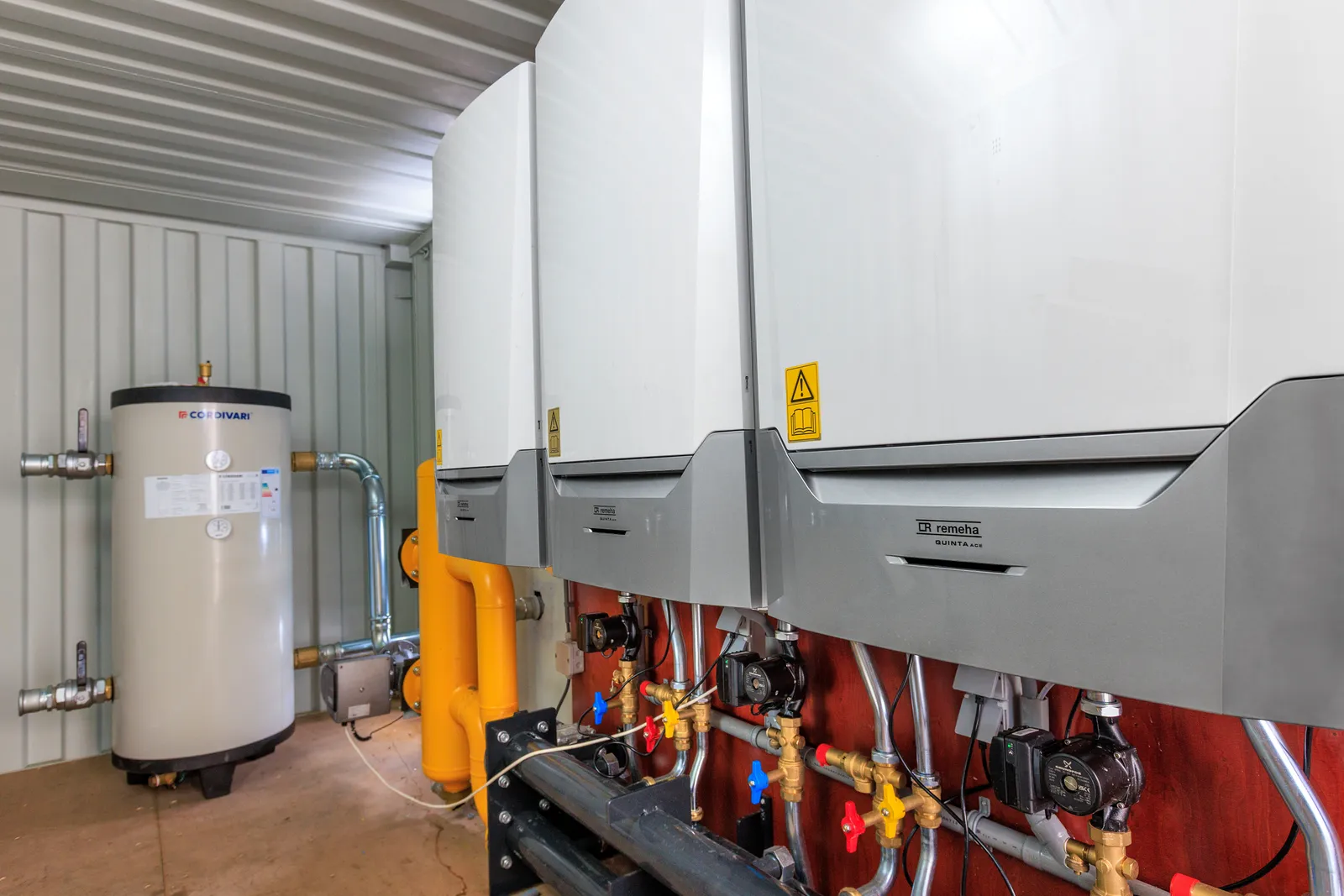
“To speed up the drive towards sustainability in construction, increasing numbers of clients, contractors and building services companies are looking for new methods, such as using more off-site prefabrication or modular construction. This means that more of the engineering work is being done during the preparation phase. To design prefabricated and modular solutions intelligently and without errors, we must not keep reinventing the wheel,” says Siebo Horenberg, group product manager at BDR Thermea, the parent company of Remeha, among others.
“That is why we have an extensive library of standardised system solutions. At the request of our partners, we provide these descriptions and 3D models to help them work faster and without errors. By contributing at an early stage of the design process, we can take a different approach to the design and factor in constraints and future developments. Our extensive portfolio enables us to assemble systems capable of making buildings more sustainable in almost any conditions. It is a matter of combining technologies and deploying them in such a way that they do not require more capacity, but make smarter use of the capacity already available.”
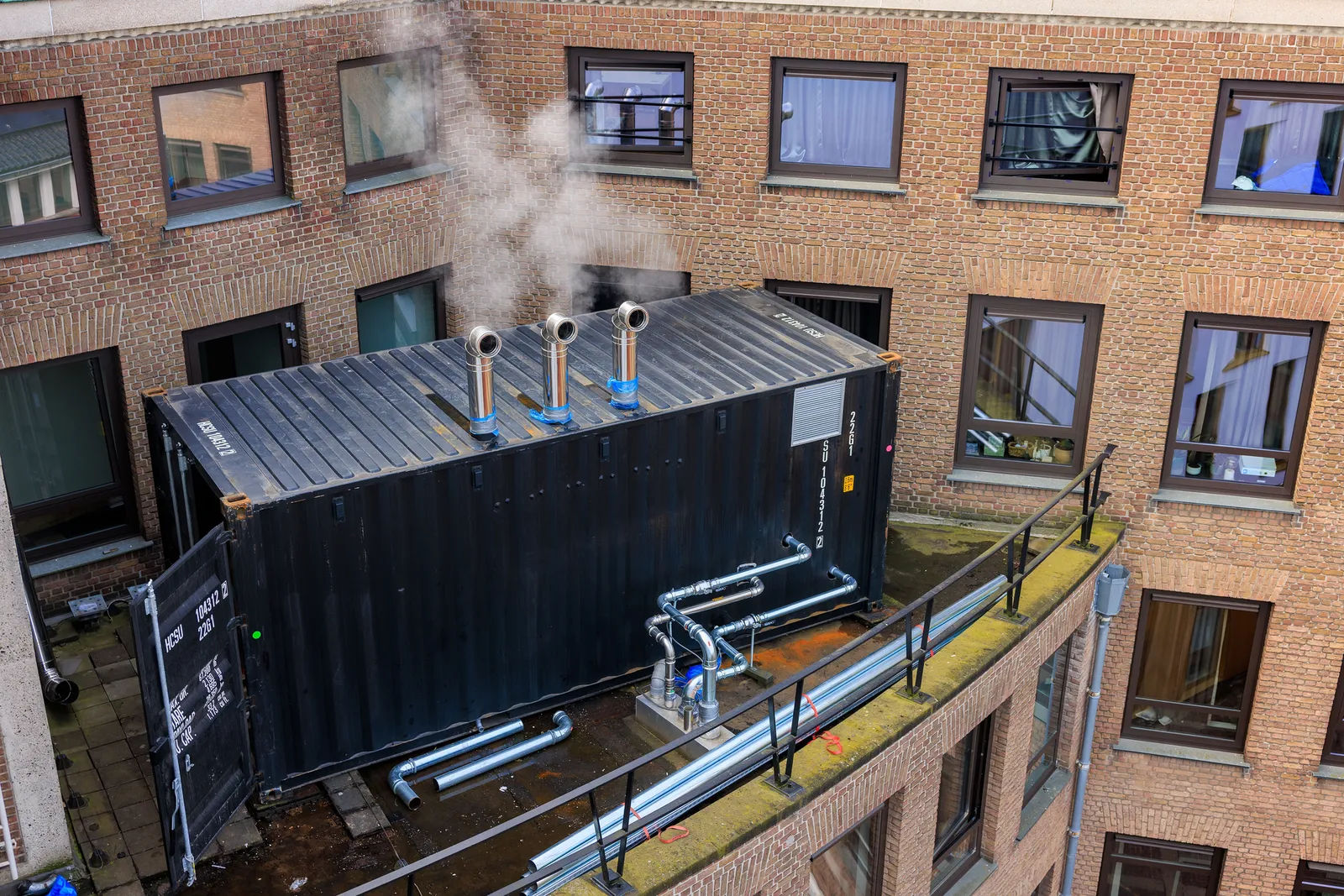
Making technologies work together intelligently
It is particularly in large buildings or area-based schemes that technologies can be made to work together intelligently. This not only reduces energy consumption, but also significantly eases the strain on the electricity grid. This is becoming increasingly important, as grid congestion is already rising at times and will certainly increase in future as buildings draw more and more electricity. The key to projects of this kind is installing heating and cooling networks. These can be micro-networks serving a single building, or local networks supplying an entire neighbourhood or district with sustainable energy.
“We are all familiar with large district heating networks. But smart neighbourhood networks and local networks within buildings are far less well known,” says Siebo Horenberg. “Yet these technologies play a major role in improving energy efficiency. First of all, these networks can be supplied with heat, and sometimes cooling, in several ways. Gas boilers are one option, of course, but where possible it is better to switch to heat pumps. Other heat sources are also viable, such as suppliers of waste heat. Even if they are not available or present at the outset, a waste heat source can always be connected to a system supplying heat at a later stage.”
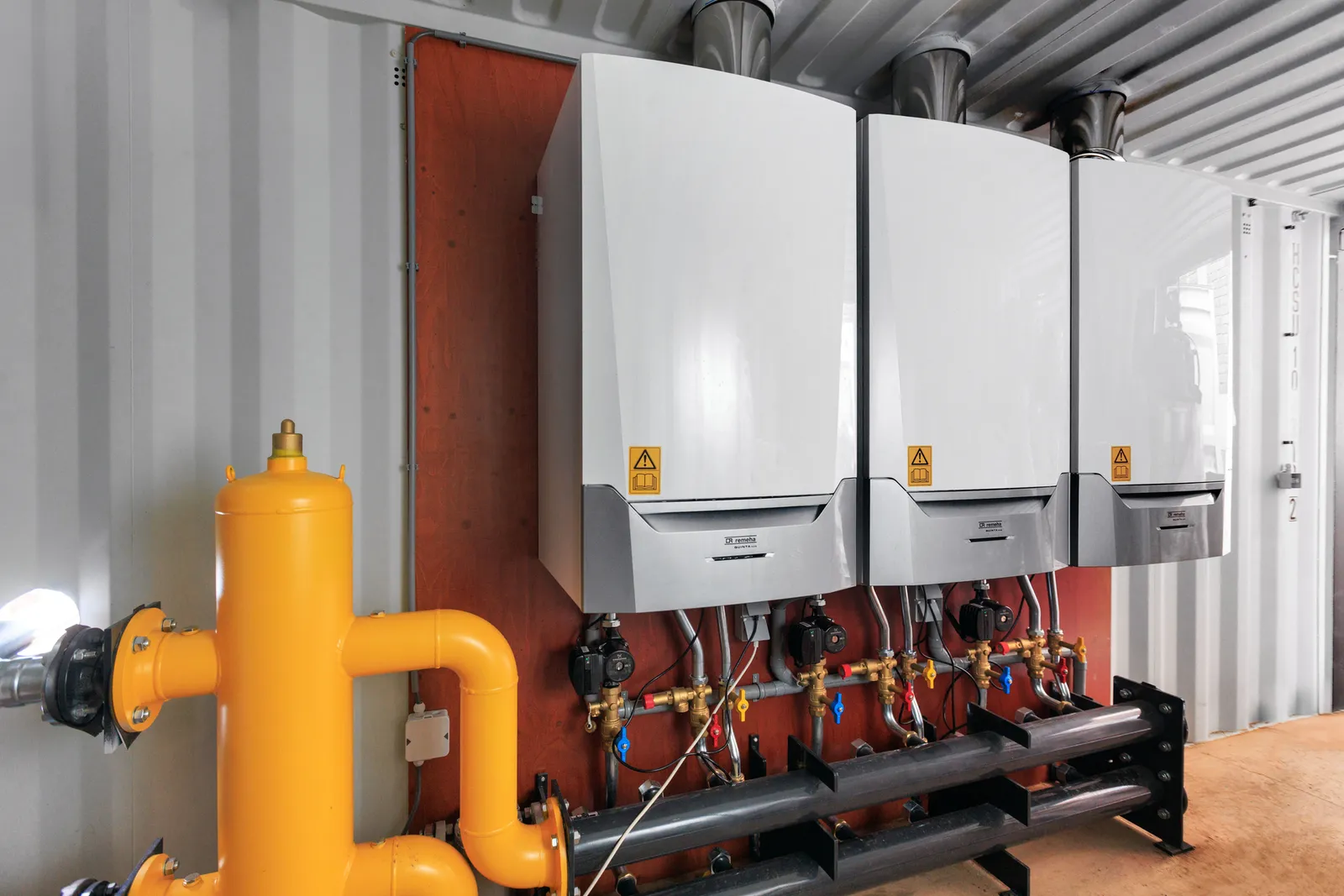
Falling heat demand
Insulation measures also reduce the heat demand of homes and buildings. In fact, the need for cooling increases in modernised buildings. “In existing buildings, it is often possible to maintain a comfortable indoor temperature with lower flow temperatures. This led to the development of modern fourth- and fifth-generation heat networks. Whereas a heat network used to supply homes at a temperature of 90 or 75 °C, the temperature in these modern networks is considerably lower. A medium-temperature network operates at 55-75 °C, a low-temperature network at 30-55 °C and an ultra-low-temperature network at just 10-30 °C. The best temperature range depends on the heat source, whether that is a gas boiler, heat pump or waste heat supplier,” says Siebo Horenberg.
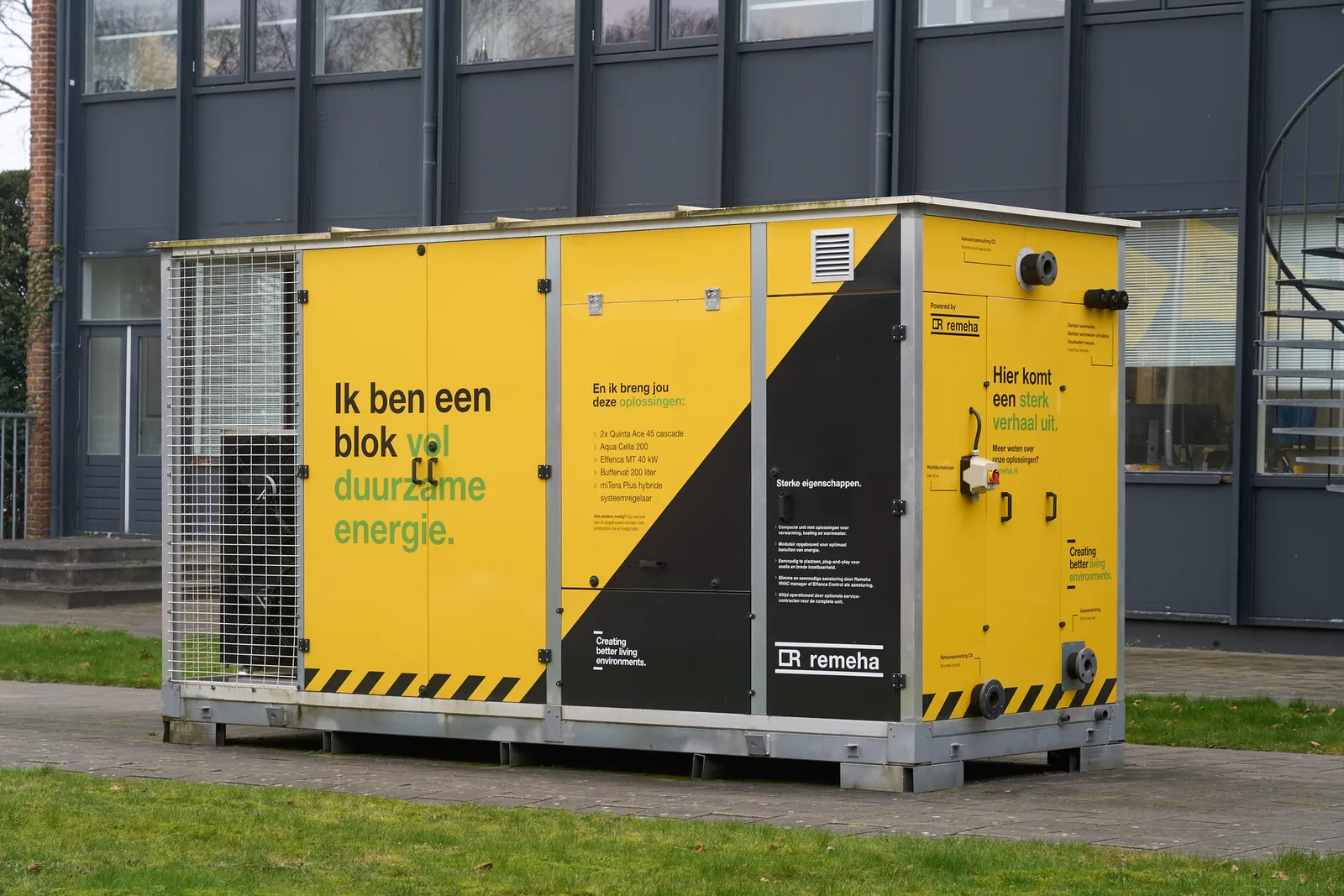
“The building is then fitted with a heat interface unit or heat pump to bring the flow temperature to a level suitable for the heat emitters in place. For a medium- or low-temperature network, we use a modern heat interface unit. With an ultra-low-temperature network, a heat pump is needed in the home to raise the temperature.”
Comfort from modern heat interface units
Fortes Energy Systems, a subsidiary of BDR Thermea, is an expert in transferring energy from communal heat networks. The company develops and manufactures its own heat interface units as well as large transfer stations. “We see a lot of potential in fourth- and fifth-generation heating and cooling networks,” says Timo van Kasteren, heat network specialist at Fortes Energy Systems. “When combined with the system concepts Remeha offers its customers, whether hybrid or all-electric generation, heating and cooling supply can create a comfortable energy system in apartments. The need for high temperatures is steadily falling. Our intelligent heat interface units, together with a fifth-generation heat network supplied by hybrid or non-hybrid heat pump systems, can therefore provide very comfortable heating and cooling in the home.”
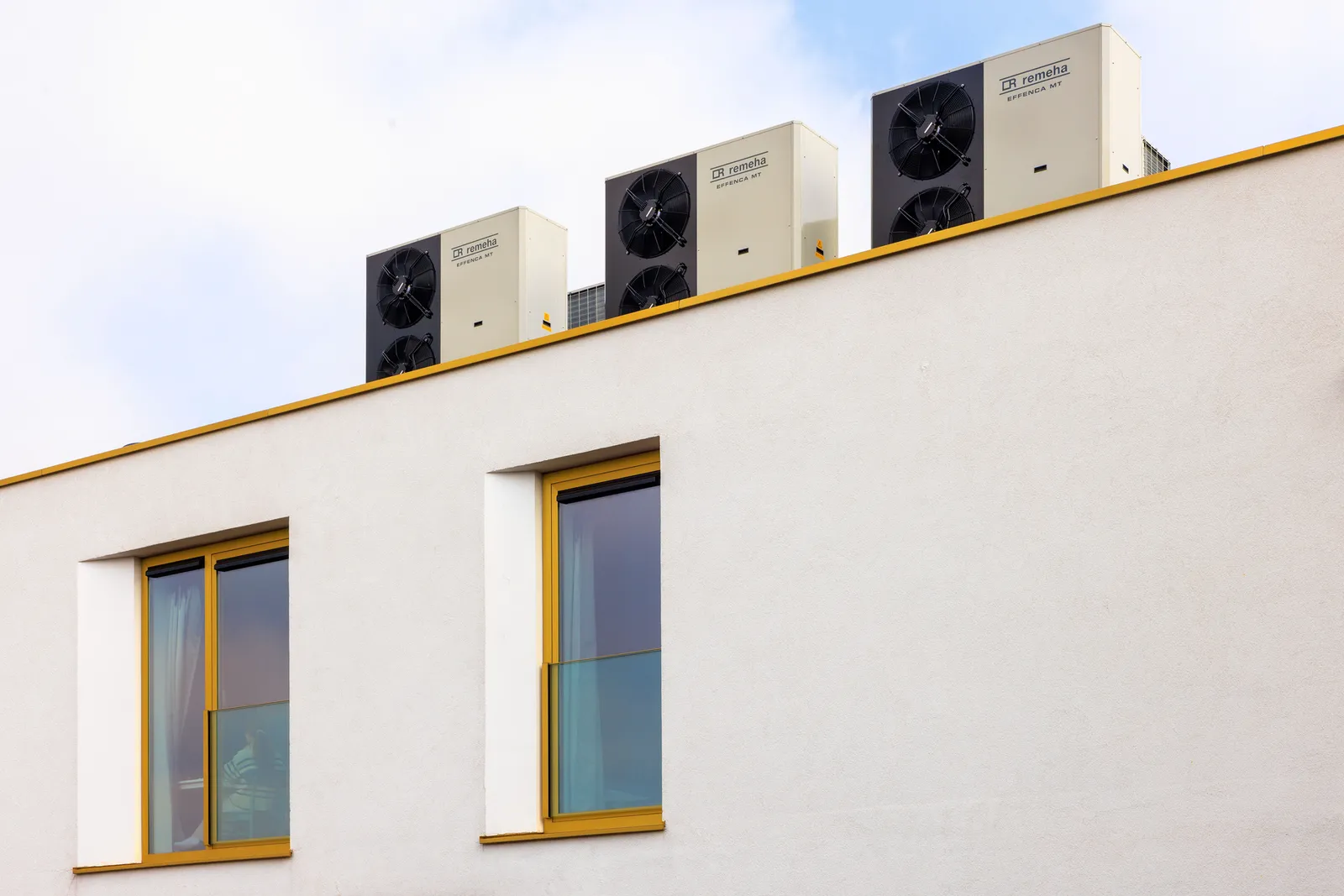
“To achieve this, we developed technically advanced changeover systems that provide heating at low temperatures in winter and cooling at a higher temperature in summer. These systems work with large networks, but also, and increasingly, with relatively small heat networks or even micro-networks serving a single building. In the home, a very compact heat interface unit and a domestic hot water booster are installed in place of the old central heating boiler. In existing large residential buildings, a modern communal system for heating and cooling offers a great deal of comfort.”
Een zakelijke vraag aan Remeha België? Get in touch
Companies in this story
Keep following this
Get an email when a new story is published. No account needed.
- SubjectGeneral
- CompanyRemeha België







