











Sustainable fibre reinforcement delivers substantial CO2 savings
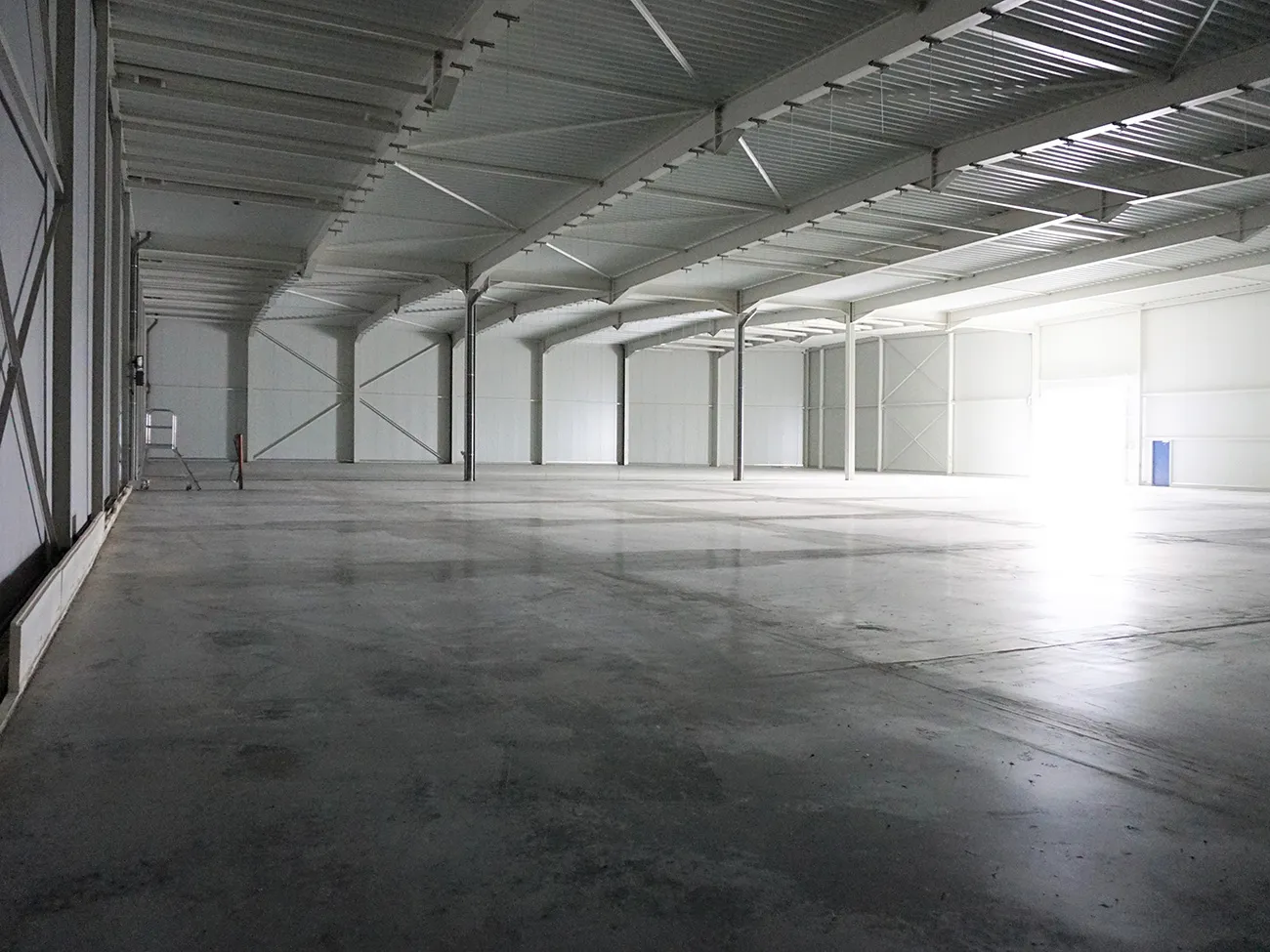
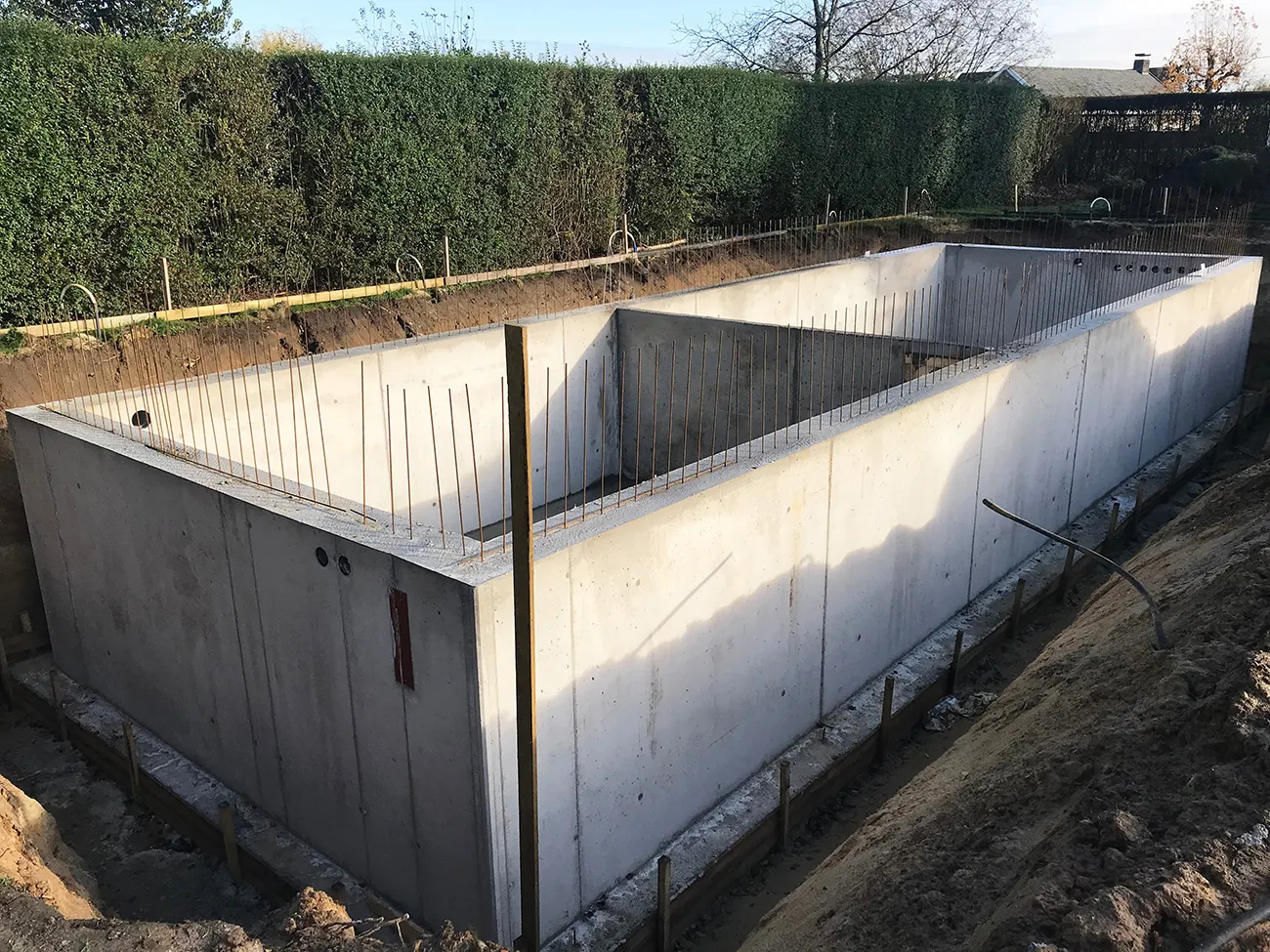
Reducing CO2 emissions is the holy grail of the construction industry today. One innovation that can play an important part in this effort is synthetic fibre reinforcement. “Replacing traditional steel mesh in reinforced concrete with macro-synthetic polymer fibres can cut the CO2 emissions associated with reinforcement by 60 to 90%,” says Adfil, which has been able to substantiate this bold claim with an EPD since early 2020. A potential game-changer, given the wide range of possible applications: floors, foundations, precast elements, basement walls, swimming pool walls …
As a developer and manufacturer of high-performance fibres for reinforcing ready-mixed concrete, shotcrete and precast elements, Adfil is a global market leader in its field. Durus EasyFinish, the company’s macro-synthetic fibres, have been ATG-certified since 2018 and are increasingly used as a sustainable, corrosion-free alternative to, or complement for, steel reinforcement. “This means we play an important part in the construction sector’s transition to greater sustainability,” says Jeroen Smet, technical sales director at Adfil. “Concrete floors are traditionally reinforced with steel mesh: a solution that has long proved its worth, but which often involves overdesign. This puts more strain on the environment than necessary. Our synthetic fibre reinforcement can often provide more sustainable and cost-effective alternatives.”
Plenty of scope for optimisation
Time savings and ease of use thanks to the carefully planned dosing and mixing of the fibres at the concrete plant, a positive impact on the concrete’s structure … synthetic fibre reinforcement offers many benefits. But this striking innovation also scores highly in environmental terms. The figures cited by Adfil speak for themselves. “For a 15,000 m² floor with two steel reinforcement meshes, you need around 115 tonnes of steel, whereas we can replace this with 8 tonnes of macro-synthetic fibres. Taking everything into account, including production, transport, demolition and recycling … we can save as much as 61 tonnes of CO2 on a single project, delivering a 60 to 90% reduction in CO2 emissions simply by optimising the reinforcement! And that’s without even reducing the floor thickness, where we can often save a few centimetres while maintaining the same load-bearing capacity and load. This obviously requires some additional effort and calculations, but the results are worth it. A carefully considered combination with steel reinforcement is also an option. Finally, the fact that our fibres are made of polymer is certainly no drawback. They are not released into the environment, as they are embedded in the concrete, and the concrete lasts longer because no corrosion occurs.”
The importance of EPD and ATG certification
The positive impact of synthetic fibre reinforcement on the CO2 footprint of concrete structures and buildings is also borne out by the EPD (Environmental Product Declaration) certification that Adfil has held since early 2020. “We had the environmental impact of our synthetic fibres assessed and documented on an objective, scientific basis. It was a costly and lengthy process, but EPD certification is a crucial part of our development plan,” explains Jeroen Smet. “Our ATG certification is also a valuable asset, as it gives us access to public contracts that require BENOR-certified concrete,” adds technical sales manager Wim Ronsse. “Since obtaining the ATG certificate, we’ve become increasingly well known in the construction sector, not only among concrete plants, but also among contractors, engineers, architects …”
A wide range of possible applications
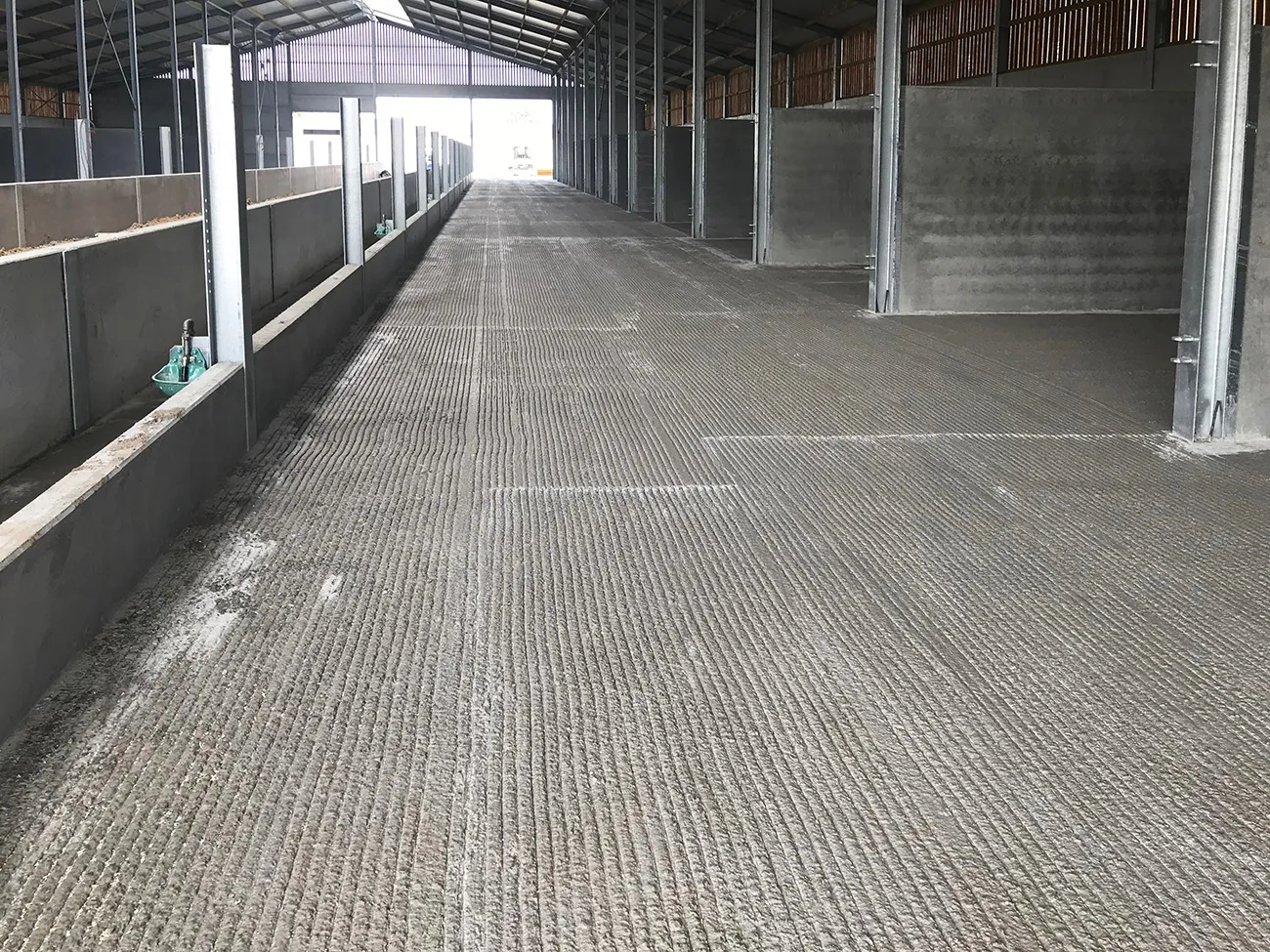
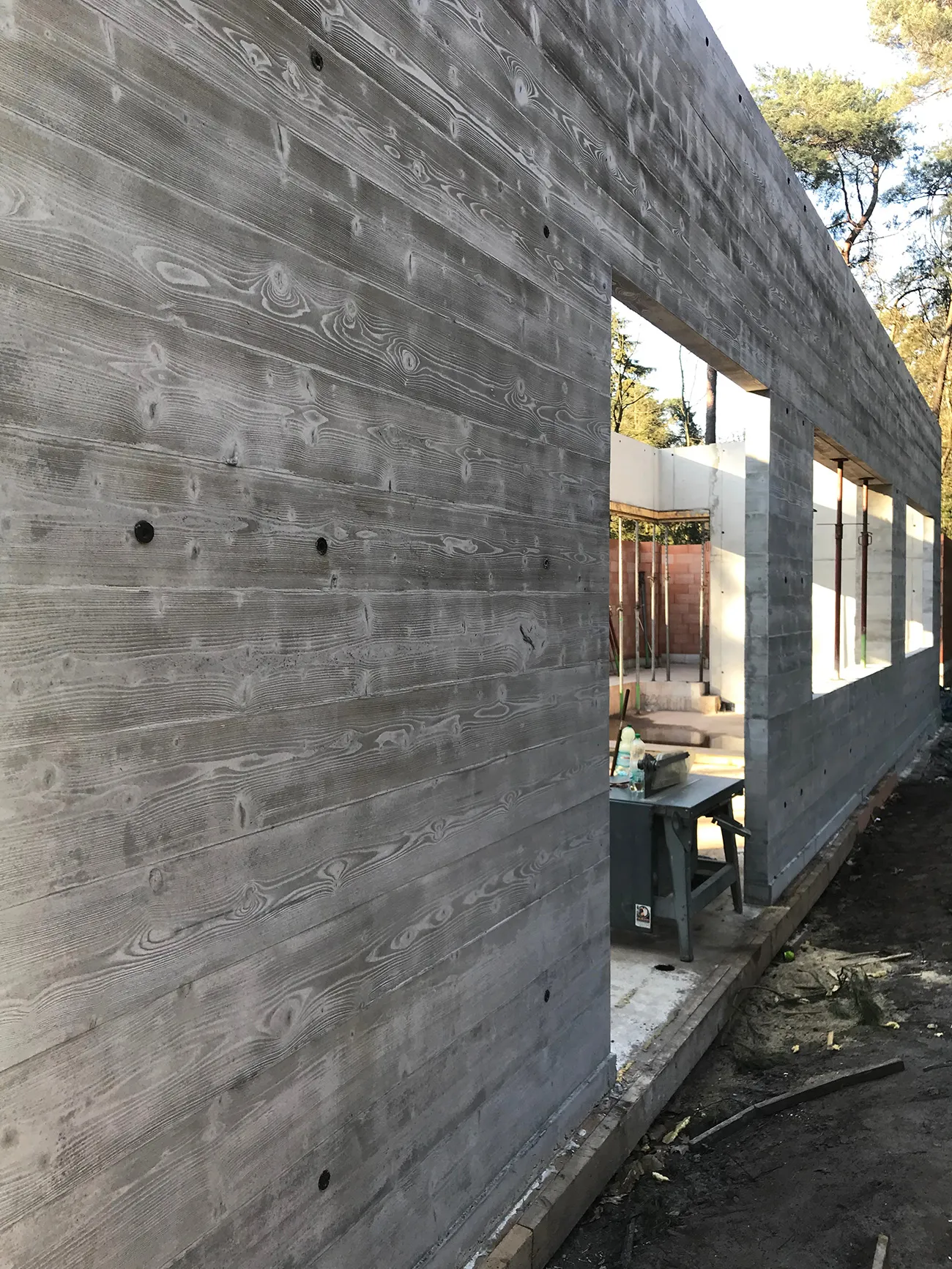
It is clear that Adfil is making major inroads into the Belgian market with its Durus EasyFinish fibres. “It is important to know that they are suitable for a range of applications: floors, foundations, precast elements, basement walls, swimming pool walls …,” says Wim Ronsse. “For floors, simple reinforcement throughout the concrete saves a great deal of material and labour. Thanks to the fibres’ chemical inertness, corrosion is ruled out, including in exposed, basement and swimming pool walls. Crack control also improves watertightness in these applications, and no fibres are visible on the concrete surface. In precast elements, they also provide excellent reinforcement for transport, thanks to increased impact resistance. And in agricultural settings, they deliver a fast, efficient, safe and animal-friendly solution. In short, our macro-synthetic fibres are suitable for almost any application!”
Question about this story? Ask your question
Keep following this
Get an email when a new story is published. No account needed.
- SubjectGeneral







