











Sustainable Joinery 2.0: new product certification guarantees quality
Text and images BCCA

The construction sector is increasingly focused on sustainability and circularity. The same applies to windows, doors and façade systems, whether made from timber, aluminium, PVC or steel. However, it is important not to lose sight of the quality of the joinery element or façade system. The ‘Sustainable Joinery’ certificate is one of the first to combine high technical quality with environmental and social considerations. The certification also takes into account the entire life cycle of the joinery.
Sustainable Joinery 2.0 is a revised and expanded version of an earlier certification programme that recognises and encourages the sustainability efforts of the external joinery sector. It offers a structured and transparent way to promote and certify sustainable practices.
Sustainable Joinery 1.0
A few years ago, the ‘Sustainable Joinery’ label was introduced. In the first phase, a Sustainability Statement was drawn up in consultation with the stakeholders involved, in accordance with the international standard ISO 26000 for Corporate Social Responsibility (CSR). This statement provided insight into the efforts already made by manufacturers of external joinery at company level and offered an overview of the state of play across the sector.
Sustainable Joinery 2.0
In the next phase, ‘Sustainable Joinery’ evolved from a company certificate into a product certificate, and sustainability efforts began to be assessed in a consistent manner. A points-based system was developed in consultation with all stakeholders, including manufacturers, system suppliers, clients, specifiers, contractors, knowledge institutions, non-profit organisations and government representatives. The system comprises seven themes and three sustainability levels: bronze, silver and gold. The stakeholders approved the revised Sustainable Joinery 2.0 regulations following extensive consultation in early 2024.
Two key aspects
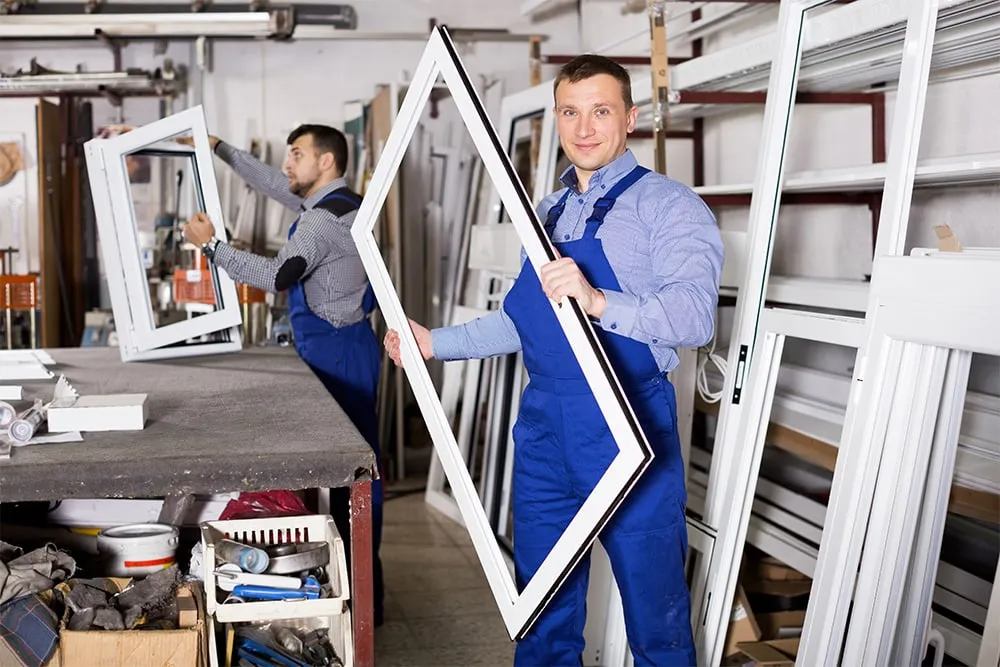
Sustainable joinery is defined by two key aspects: durability and sustainability. On the one hand, a product must perform its function to a high standard for as long as possible (durability); on the other, it must be produced in an environmentally and socially responsible way and be suitable for reuse and/or recycling (sustainability). BCCA tests and monitors the performance and fitness for use of all external joinery components. Through Technical Approval (ATG), all elements and system performance of the joinery system are assessed, including profiles, hardware, seals and finishes. Glazing performance is also covered through BENOR product certification. The finished quality of the external joinery is additionally monitored through checks on the manufacturer’s design and production processes. A product’s sustainability is assessed on the basis of its environmental and social impact at every stage of the value chain. Manufacturers are assessed against clear, practical criteria, while suppliers undergo a high-level assessment (a management systems approach). Existing labels such as C2C, ASI, VinylPlus and PEFC can serve as evidence of sustainability efforts.
Steps to obtain certification
The certification process involves training (covering the basic principles of sustainable business and explaining the product certification), a quality audit (assessing all technical aspects of the design and manufacture of external joinery elements) and a sustainability audit (assessing all environmental and social aspects using a practical checklist of criteria across seven themes). ‘Sustainable Joinery’ product certification is recognised by the Federal Institute for Sustainable Development (FIDO) and is included in its ‘Sustainable Procurement Guide’. The certificate is designed to be specified in tender documents by both public- and private-sector clients. Integrating the various sustainability aspects makes the work of specifiers easier.
Benefits for the sector
The product certificate supports and encourages all parties in the sector in their efforts to make products as sustainable as possible. In practice, many companies are already making substantial efforts. The ‘Sustainable Joinery’ certificate recognises the efforts of individual parties and makes them reliably visible to clients, specifiers and employees. It also better prepares them for future (European) legislation. Societal expectations are constantly evolving, influenced by public support, changing (European) legislation and the capabilities of the sector. The certification regulations for ‘Sustainable Joinery’ will be adapted as necessary to reflect these changes, in consultation with all stakeholders, to ensure they remain up to date.
Een zakelijke vraag aan BCCA vzw? Get in touch
Companies in this story
Keep following this
Get an email when a new story is published. No account needed.
- SubjectGeneral
- CompanyBCCA vzw







