











Towards a European Blue Deal
Text and images ORI
22 March was World Water Day. Water is a vital resource. It is essential for ecosystems, human life and the functioning of the economy and our society.
In recent years, we have seen an increase in droughts and floods, including the devastating floods of 2021. This has raised awareness that pressure on water resources must be reduced as a matter of urgency, not only because of the effects of climate change, but also, and above all, as a result of a long period of structurally suboptimal water-cycle management, pollution and ecosystem degradation. This awareness is prompting useful measures to reduce soil sealing, restore wetlands and maximise the circular use of water.
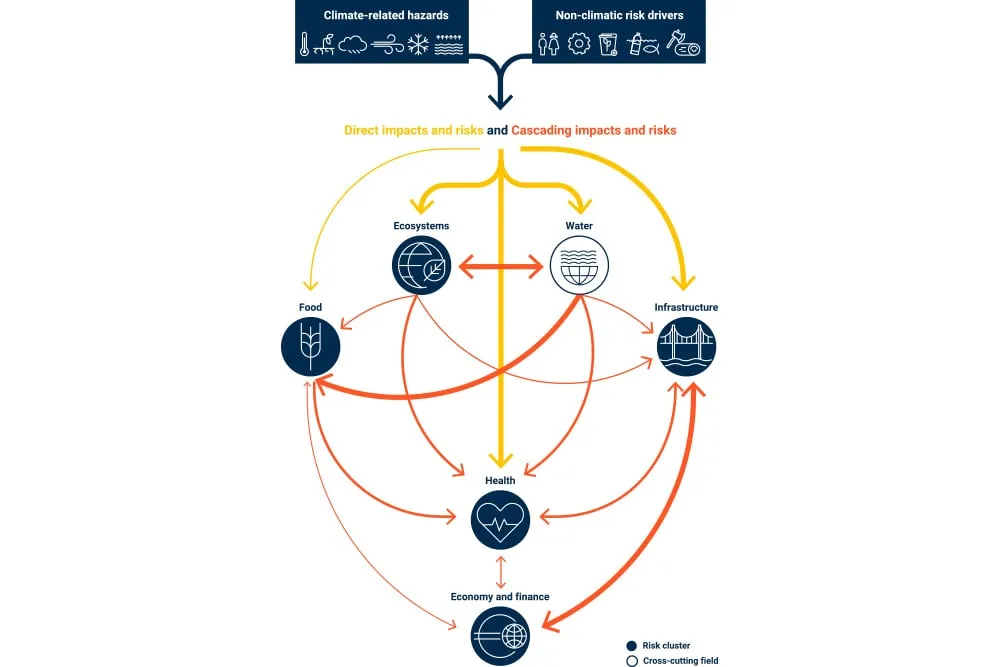
As highlighted in the European Environment Agency’s recent report, European Climate Risk Assessment, the water sector lies at the intersection of various climate and non-climate risks affecting ecosystems, food supplies, health, infrastructure, industry and the energy sector, a major user of water for cooling power plants. A more holistic and integrated approach is therefore needed to ensure coherent policies across all systems.
At the end of 2023, the European Economic and Social Committee called on the European institutions to make water a priority and adopt a European Blue Deal as an autonomous strategic policy, on an equal footing with the Green Deal. This call is supported by the Committee of the Regions, many Members of the European Parliament and a large number of stakeholders of all kinds, including the European Federation of Engineering Consultancy Associations (EFCA).
According to EFCA and its members, a Blue Deal should focus on ensuring adequate supplies of drinking water and meeting the needs of industry and energy production, as well as on the urgent climate adaptation measures needed for nature’s own “water infrastructure”: coastal areas, rivers, river basins, floodplains … which do not respect borders. A Blue Deal should also facilitate the maintenance and repair of water supply infrastructure, as well as sewerage infrastructure, where problems are widespread across Member States and contribute to shortages of clean water, the cost of water and the capacity of sewers to cope with heavy rainfall. Finally, a Blue Deal should accelerate the development of water-based renewable energy sources.
The indefinite postponement of the Water Resilience Initiative from the European Commission’s work programme last February sparked strong reactions. The strong, broad consensus among stakeholders on this occasion gives reason to hope that this broad coalition will make its voice heard by the next Commission.
Question about this story? Ask your question
Keep following this
Get an email when a new story is published. No account needed.
- SubjectGeneral







