











Transforming Society Together: the exemplary role of public buildings
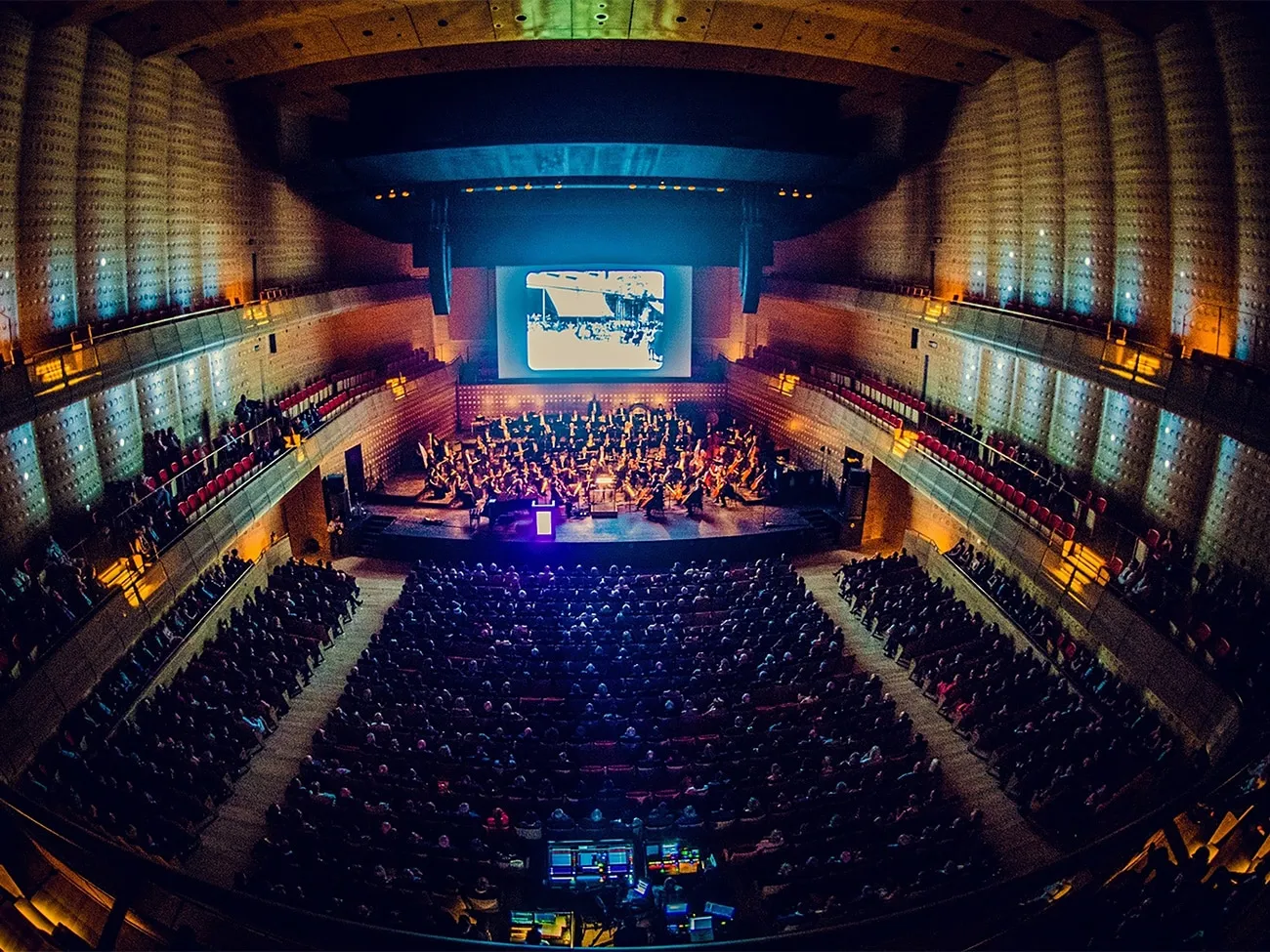
According to engineering consultancy Sweco, the importance of knowledge, culture, leisure and sport can hardly be overstated. They bring people together and broaden our horizons and minds. This calls for accessible, future-proof buildings and infrastructure.
Concerts, exhibitions, films, dance performances and theatre productions are all the result of creativity, collaboration and imagination. In uncertain times, they are needed more than ever. For urban and regional authorities, investing in culture and in the buildings that provide a setting for its expression is therefore essential. School buildings and sports facilities also deserve thoughtful design to help talent flourish. ‘Public buildings’ have an exemplary role to play. They facilitate the transition to a society with more empathy and understanding, and less polarisation and inequality. As a partner in numerous projects involving schools, sports facilities, concert halls and urban public spaces, Sweco is keen to contribute.
Bringing people together
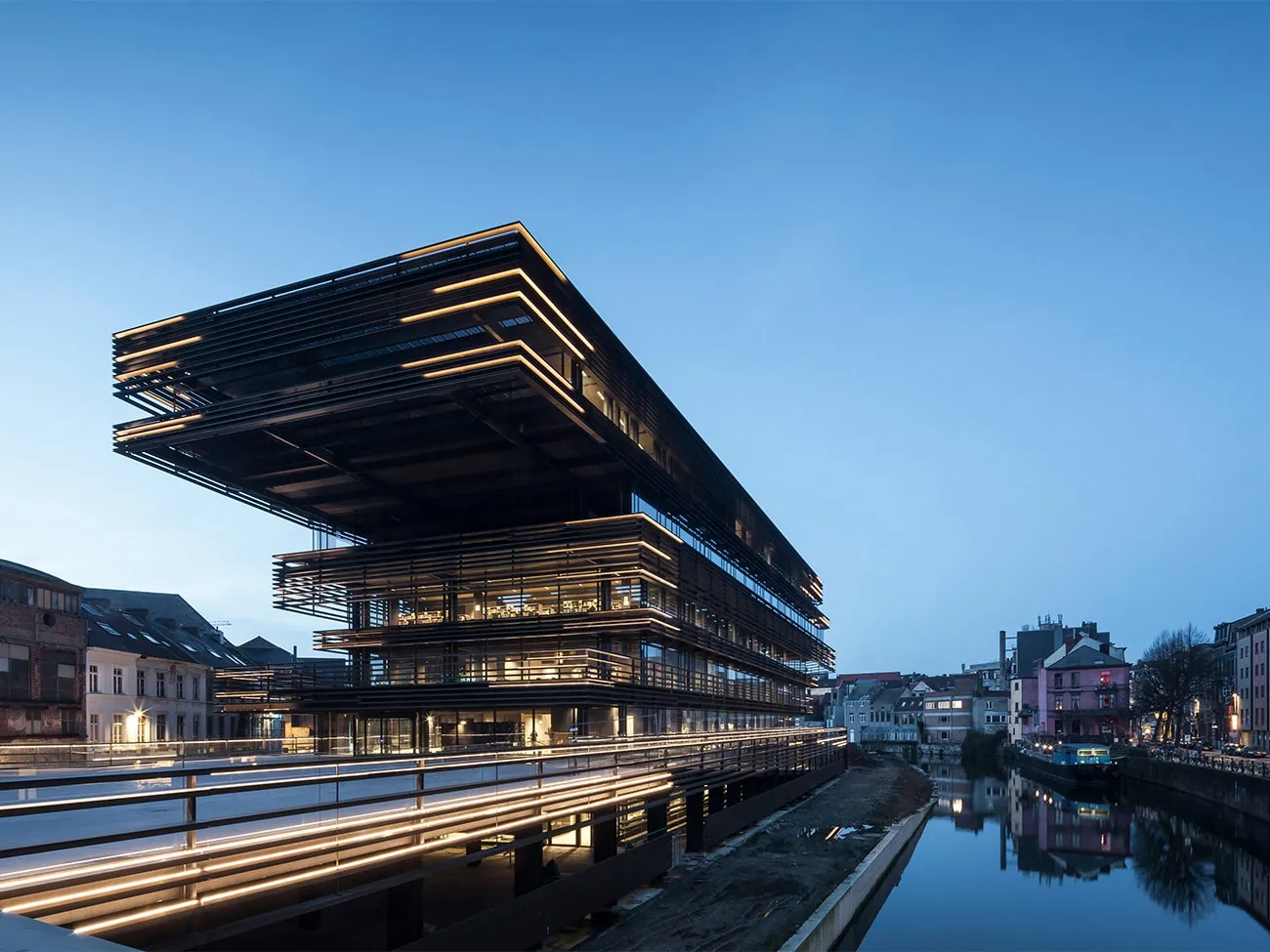
All these projects are about connecting people and go beyond their core function as centres of knowledge, cultural venues or sports complexes. The square in front of the opera house in Antwerp, for example, effectively extends the stage into the city. De Krook in Ghent is much more than a city library too. It is a textbook example of infrastructure improvements creating a new meeting place, bringing people together and giving new impetus to parts of the city. This important role is also reflected in the school buildings, museums, sports complexes and other projects Sweco contributes to.
Showcases for sustainable construction
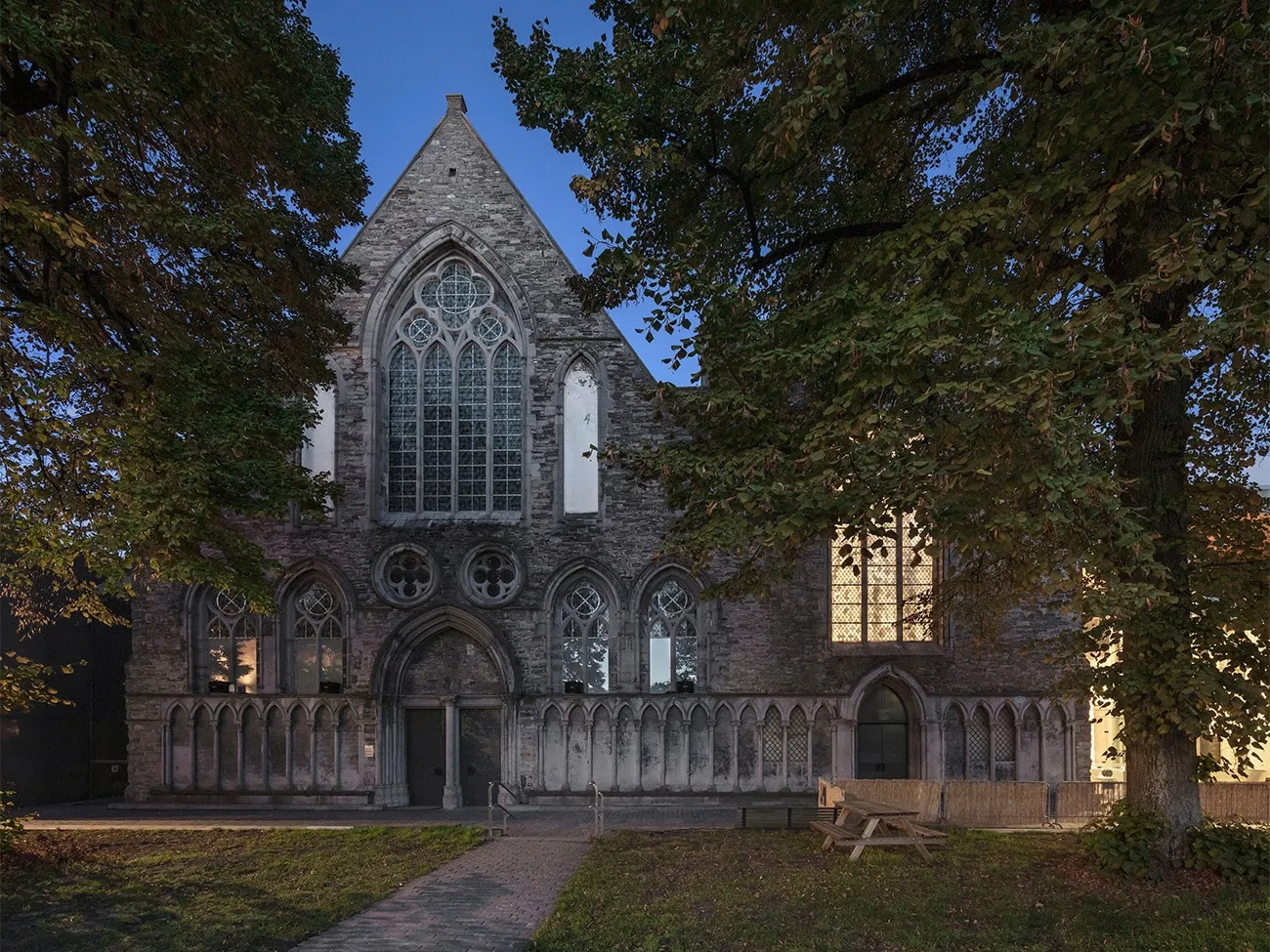
These public buildings are exemplary projects, not only for their architectural and spatial design, but above all because they are future-proof. Energy-neutral and circular principles, such as the use of recyclable materials, make a significant contribution. Better still, we recommend circular materials that can be reintegrated high up the value chain when removed and dismantled. We therefore look decades ahead when planning construction projects. This calls for innovative designs. One example is building structures that can be extended without strengthening the foundations. Hybrid combinations of concrete and steel construction with lighter timber-frame construction make it possible to add storeys upwards.
Sweco is shaping the sustainable communities and cities of the future. “Together with our clients and the collective knowledge of our 17,500 engineers, designers and other specialists, we ‘co-create’ solutions to tackle urbanisation, harness the power of digitalisation and make our society more sustainable,” says Sweco, Europe’s leading engineering, consulting and design firm.
Question about this story? Ask your question
Keep following this
Get an email when a new story is published. No account needed.
- SubjectGeneral







