











Unique in Flanders: De Groene Menukaart and EVA, the new energy audits for making heritage buildings more sustainable
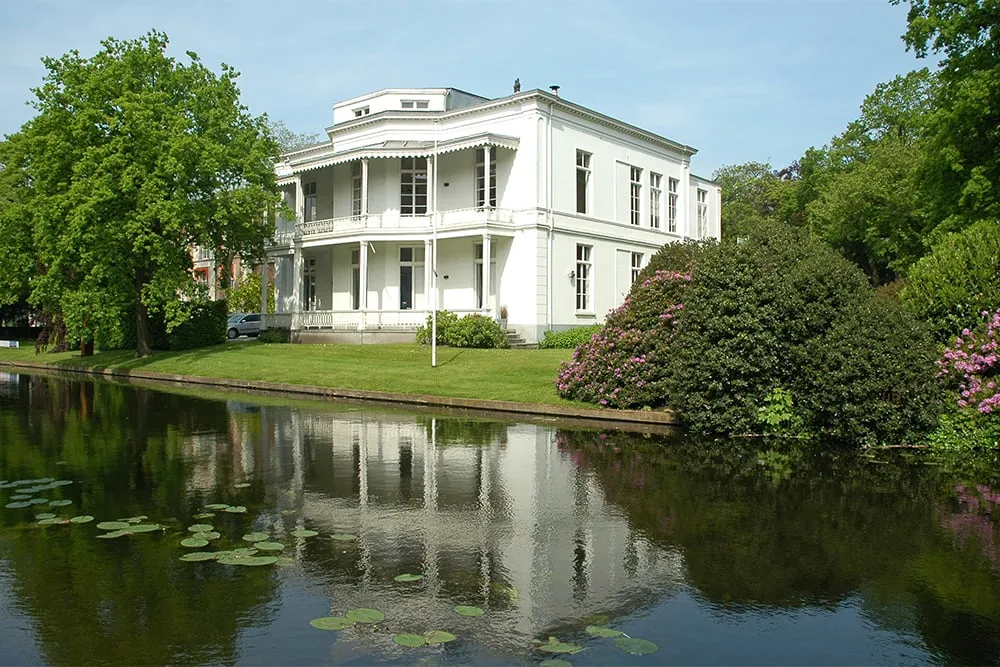
Erfgoed en Visie launches a unique tool with its Dutch partner to make 101,000 heritage buildings in Flanders more sustainable
For the first time in Flanders, it will be possible to map in detail how energy-intensive heritage buildings are and how this can be effectively addressed. The need is great, as most of Flanders’ 101,000 heritage buildings have a very low energy rating. Owners of heritage buildings can now explore the options available on the ‘De Groene Menukaart Vlaanderen’ platform. They can then request an energy audit, resulting in an advisory report setting out quick wins and long-term solutions. “Standard approaches to sustainability improvements are often not possible or desirable for heritage buildings, which is why they require specialist advice and tailored solutions,” says Kurt Loomans, director and project architect at consultancy and architecture firm Erfgoed en Visie.
There are around 101,000 heritage buildings in Flanders, including protected buildings, town and village conservation areas and monuments (2021). Most have a very low EPC rating. This is a problem that needs to be tackled urgently and decisively. Authentic windows, old fireplaces, draughty, uninsulated walls: many owners do not know where to start. They must also preserve the buildings’ monumental value. Consultancy and architecture firm Erfgoed en Visie and Dutch engineering firm De Groene Grachten have joined forces in a unique partnership to bring the proven Dutch approach to sustainability advice for heritage buildings to Flanders. To make this possible, De Groene Grachten’s tools have been adapted for the Flemish context: De Groene Menukaart and the advisory tool EVA, short for Energie- en Verduurzamingsadvies voor Erfgoedprojecten.
The tools are arriving none too soon. “In Flanders, too, we have seen a huge increase in demand for making heritage buildings more sustainable in recent years. We have also found that knowledge of how to improve the energy efficiency of these buildings is inadequate, simply because the subject is often highly specialised. Implementing sustainability improvements in heritage buildings is often challenging. Standard approaches are often not possible or desirable, which is why these buildings require specialist advice and tailored solutions,” says Kurt Loomans, director and project architect at Erfgoed en Visie.
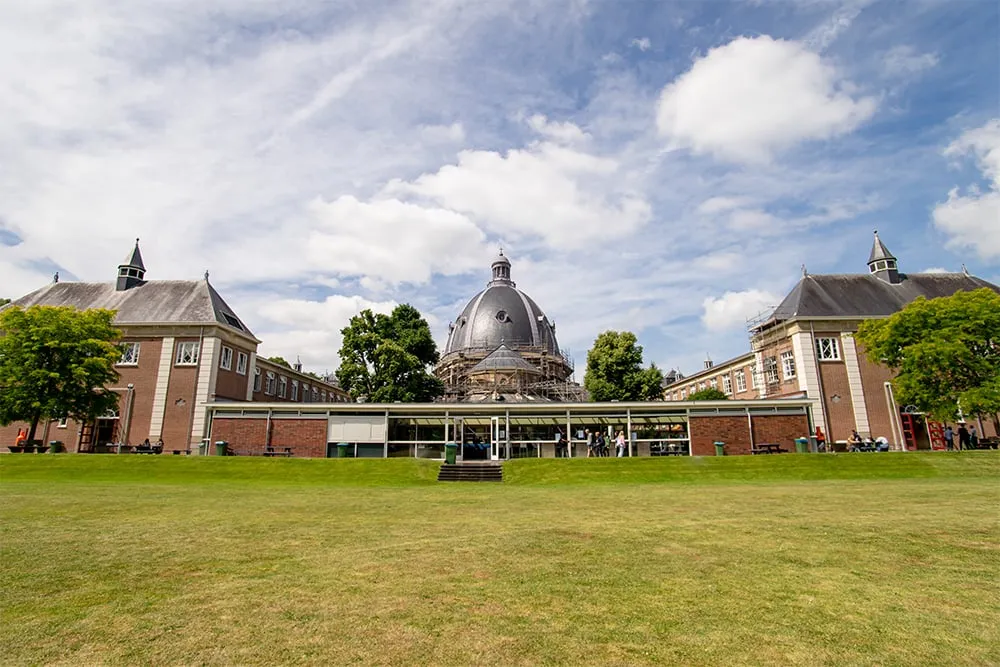
De Groene Menukaart
De Groene Menukaart is a platform where owners of heritage buildings can find information on making their properties more sustainable. Developed by De Groene Grachten, it has been the central platform for owners of historic buildings in the Netherlands for 12 years. Erfgoed en Visie has adapted the platform’s information for buildings in Flanders. As well as options for improving sustainability, owners can find information on Flemish grants, financing and legislation relating to making heritage buildings more sustainable. The platform is free and open to everyone.
EVA: quick wins and long-term solutions
EVA goes a step further, offering advice tailored to each building. “EVA gives owners of heritage buildings an overview of all the options. We link these to financial feasibility, consider the benefits of improving sustainability and assess together whether the investment will actually pay off. Each building is considered individually, without harming its heritage value,” says Kurt Loomans. The advisory report begins with a baseline assessment, followed by a visit from an adviser who also surveys the building. All the findings are brought together in an independent advisory report. This gives the owner the clearest possible picture of the building’s current condition, potential improvements and their benefits, both in the short and long term. The report also provides information on current grants and tips for applying for permits. Contrary to what is often thought, making heritage buildings more sustainable does not necessarily have to be expensive.
“Quick wins and long-term solutions are often both possible. Take radiator foil, for example: this small investment can reduce heat loss through the adjacent external wall by up to 80%. Switching to LED lighting can also cut electricity consumption by up to 15%,” says Kurt Loomans. “By long-term advice, we mean insulating your building, for example by installing secondary glazing and sealing gaps, as well as fitting solar panels, a hybrid heat pump and so on. The possibilities are endless,” Loomans says. An EVA advisory report from Erfgoed en Visie is available from 1,500 euros.
EVA also complements the advice provided by the Agentschap Onroerend Erfgoed. Owners of protected homes or small protected buildings with an EPC assessment dated 2019 or later can apply to the agency for a free energy scan. Erfgoed en Visie extends this service with EVA to all historic buildings, regardless of their location or whether they have protected status.
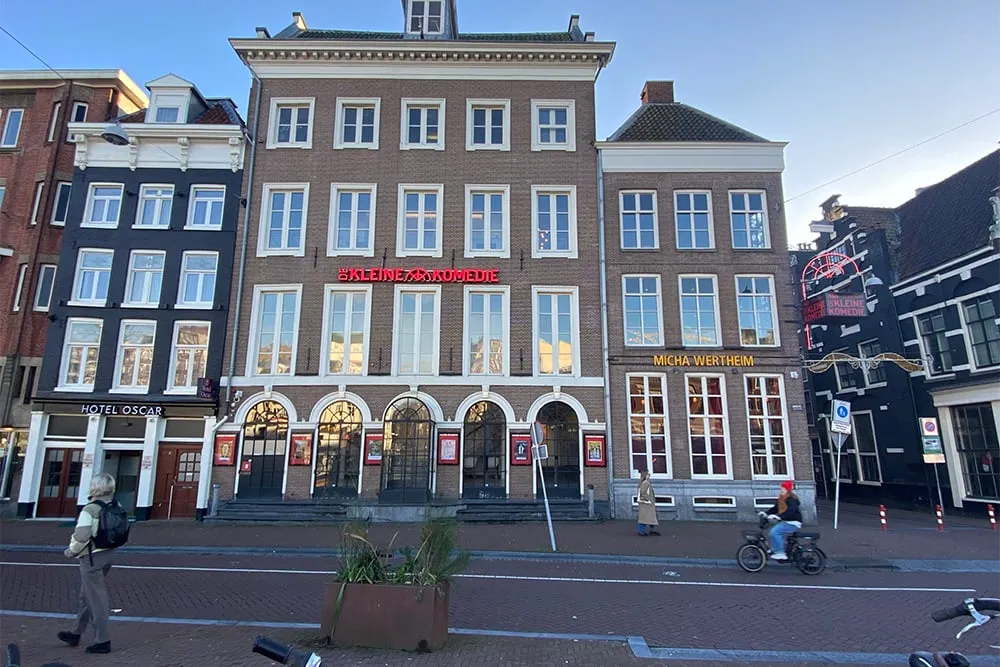
12 years of data
De Groene Grachten developed the tools using the knowledge and data the engineering firm has gathered over the past twelve years across more than two thousand projects. Suze Gehem, director of De Groene Grachten, says: “Our tools can now help scale up the sustainability improvements of monuments in Flanders too. We have found a skilled partner in Erfgoed en Visie, which shares our vision and is just as committed to supporting heritage owners in making their buildings more sustainable.”
Thanks to the further development of the advisory tool, the heritage and sustainability experts at Flemish architecture and consultancy firm Erfgoed en Visie can now carry out energy scans for owners, helping them take a professional and considered approach to their heritage buildings.
Erfgoed en Visie is an architecture and consultancy firm specialising in heritage. Together with its Dutch partner De Groene Grachten, it is now launching the advisory reports. The aim is to prepare as many heritage buildings in Flanders as possible for the future.
Question about this story? Ask your question
Keep following this
Get an email when a new story is published. No account needed.
- SubjectGeneral







