











VUB Architectural Engineering publishes guide to circular school buildings
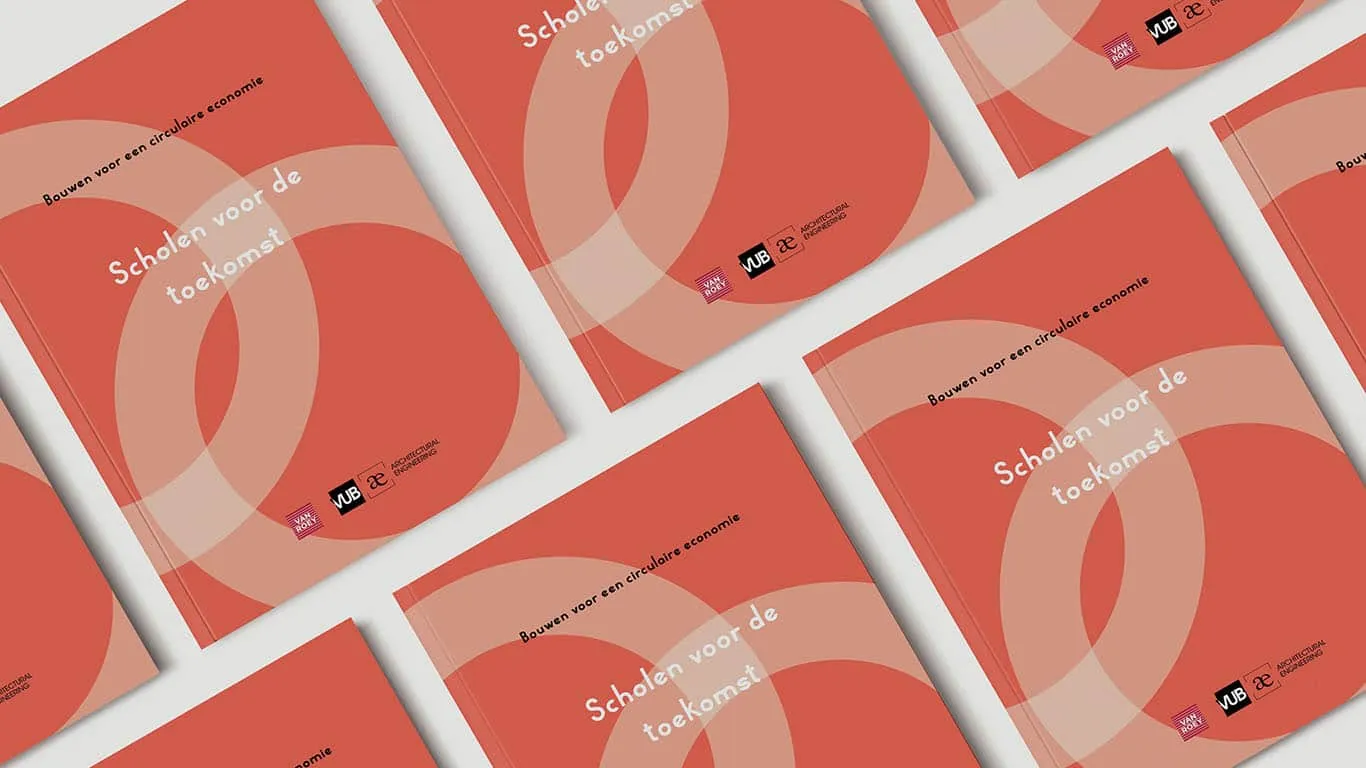
With the population growing, the education sector is facing a shortage of school buildings. As a result, considerable investment has been made in new infrastructure in recent years. But are these schools for the future? At the initiative of group Van Roey, one of the larger construction companies in Belgium, the VUB Architectural Engineering research group has developed a practical guide for clients and designers who want to create sustainable, circular school buildings.
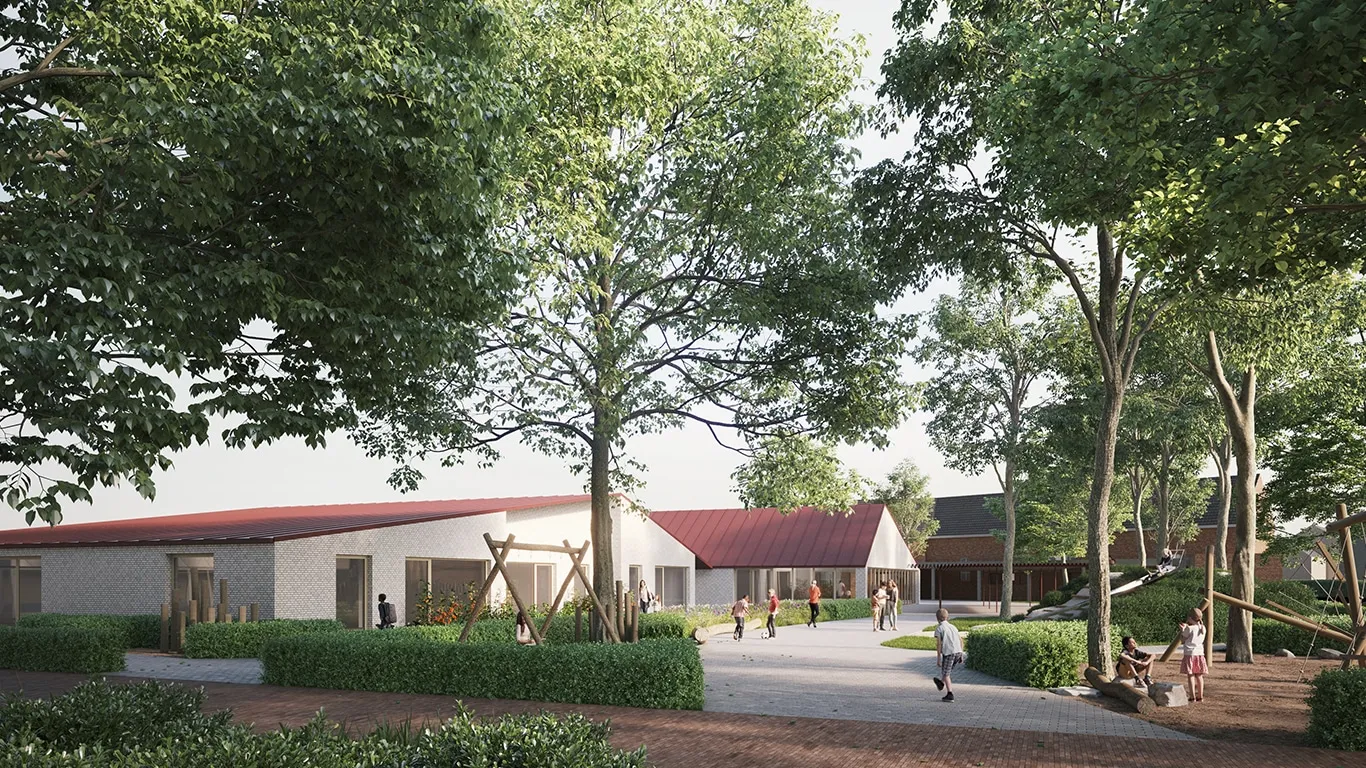
Stijn Elsen, researcher and practice assistant at VUB Architectural Engineering: “In a sustainable, circular economy, buildings need to be designed using robust, reused or renewed components, in such a way that these components remain in circulation when changes are made in the future. This ensures that schools and their components remain useful and that raw materials are never lost.”
The guide was produced in collaboration with WTCB (Scientific and Technical Centre for the Construction Industry), VITO (Flemish Institute for Technological Research) and UAntwerpen, with financial support from Vlaanderen Circulair. It brings together the expertise of the VUB Architectural Engineering research group and the practical experience of group Van Roey. The practical guide offers solutions that can be applied in school buildings, taking into account constraints such as construction speed and school-specific features, including changes to the educational project, material use and comfort. In this way, it helps clients and designers make progress towards sustainable, circular school construction. The book is a practical application of the 16 circular design qualities published by VUB Architectural Engineering in 2019.
Too few schools, too many schools
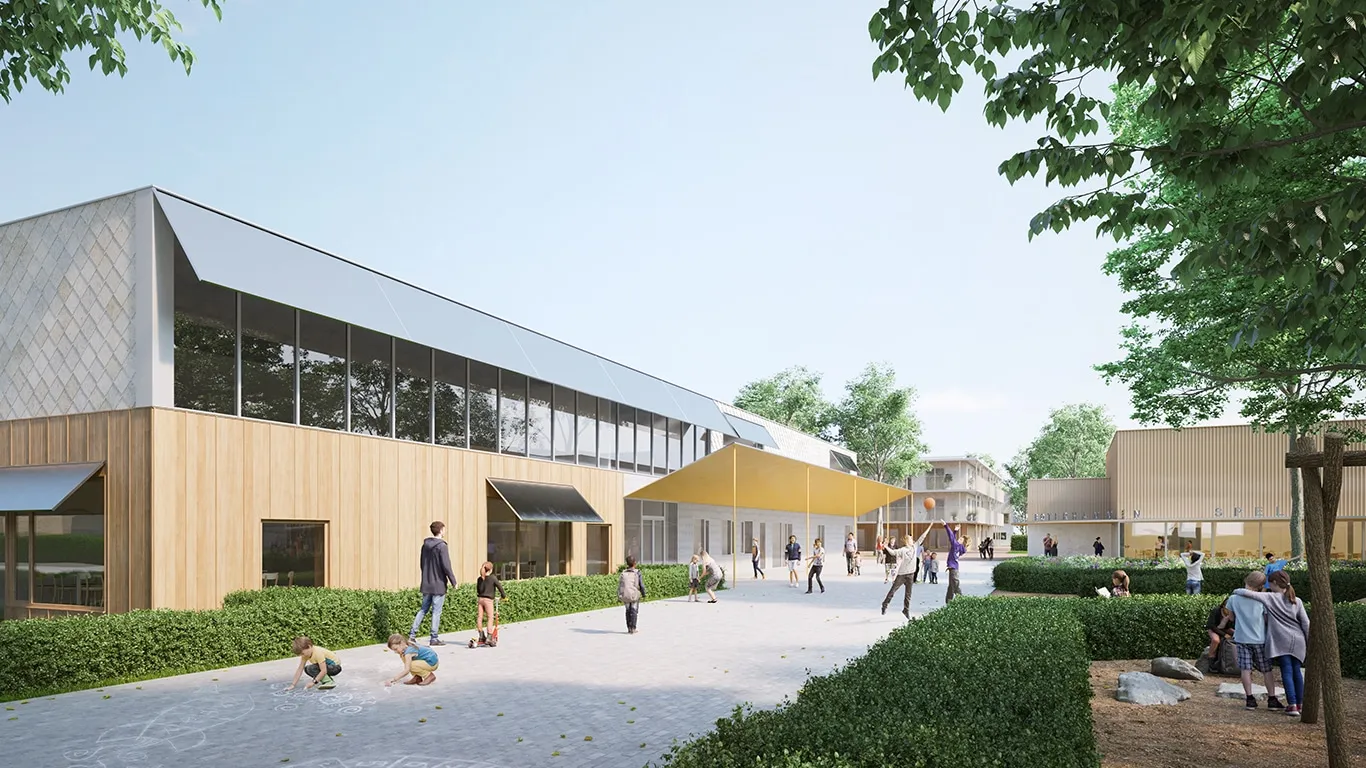
The practical guide to future-proof, circular school construction was prompted by growing capacity pressures in nursery and primary schools. But it takes a longer-term view. Building extensively to solve today’s capacity problem could lead to excess capacity in the future.
Jona Michiels, innovation manager at construction company group Van Roey: “For example, Antwerp’s municipal education authority pointed out to us that the increase in the number of young children will peak around 2030. What should happen to all the school expansions after that is rarely discussed. Can school buildings be downsized or repurposed? And what about schools that eventually stand empty? We are convinced that these questions must be addressed.”
Group Van Roey is already using the guide to explain sustainable, circular design principles to architects and other parties it works with to deliver school buildings.
Question about this story? Ask your question
Keep following this
Get an email when a new story is published. No account needed.
- SubjectGeneral







