











“We can offer much more than the sum of our parts”
Text Tim JanssensImage Filip Dujardin, Sweco, Tim Janssens
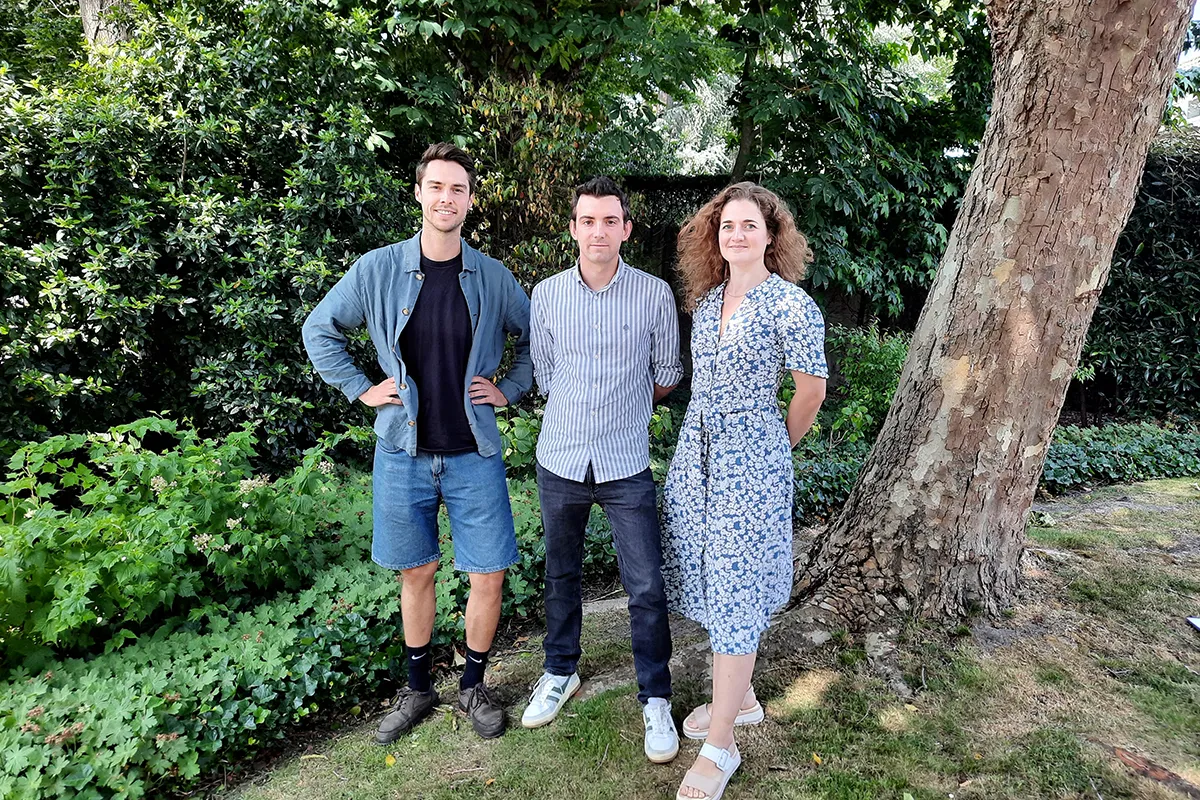
Thomas Bogaerts, Sven De Turck and Mieke Burrick (Sweco)
Few companies deserve the label ‘multidisciplinary’ as much as Sweco. This versatile design and consultancy firm is constantly expanding its know-how and expertise, both through strategic acquisitions and by recruiting new staff who can further round out its extensive range of specialist skills. Offering opportunities to young, ambitious architects, engineers and other specialists is therefore one of the cornerstones of the company’s philosophy. We spoke to three of these ‘young talents’, each of whom is making their own contribution to the society of tomorrow: Sven De Turck, Thomas Bogaerts and Mieke Burrick. “Alongside our technical expertise, it is above all our ‘softer skills’ that enable us to make a crucial difference.”
Working on a small scale and in decentralised teams within a large group that centralises as many relevant areas of knowledge and expertise as possible: that, in a nutshell, is Sweco’s formula for success. We get a symbolic glimpse of this as soon as we step into the Sweco office in Ghent on a sunny Monday morning and meet our interviewees. Mieke is a born-and-bred Ghentian, Sven works mainly from Sweco’s office in Groot-Bijgaarden, and Thomas travels to the Artevelde city on average once a week to meet with his teammates, but is otherwise mostly based in Brussels. So they are getting to know one another as well as meeting us, neatly illustrating their employer’s philosophy of ‘unity in diversity’.
Mieke Burrick: “I only joined Sweco in April, as a project leader in the mobility team within the Infrastructure division. In this role, I contribute to major infrastructure projects, focusing on mobility and stakeholder management.”
Thomas Bogaerts: “I graduated in the midst of the Covid crisis and went straight to work at Sweco. Although I’m only about to start my fifth year in the job, I’ve already come a long way. At first, my work focused mainly on urban water management, but as a project leader I now focus more on landscape and nature development and ecohydrology, within the Energy, Environment & Climate department.”
Sven De Turck: “After my studies, I started out at what was then boydens engineering, which was acquired by Sweco in 2021. I have seven years’ experience and am part of the building services team. I’ve progressed from a junior role towards project leadership and, more recently, project management. Whereas my earlier projects were mainly focused on building services, my new projects are much more multidisciplinary, involving architecture, structural engineering and so on. As a result, I’m also in constant contact with other teams at Sweco. It’s my job to coordinate various disciplines across the board and act as the main point of contact, both internally and externally.”
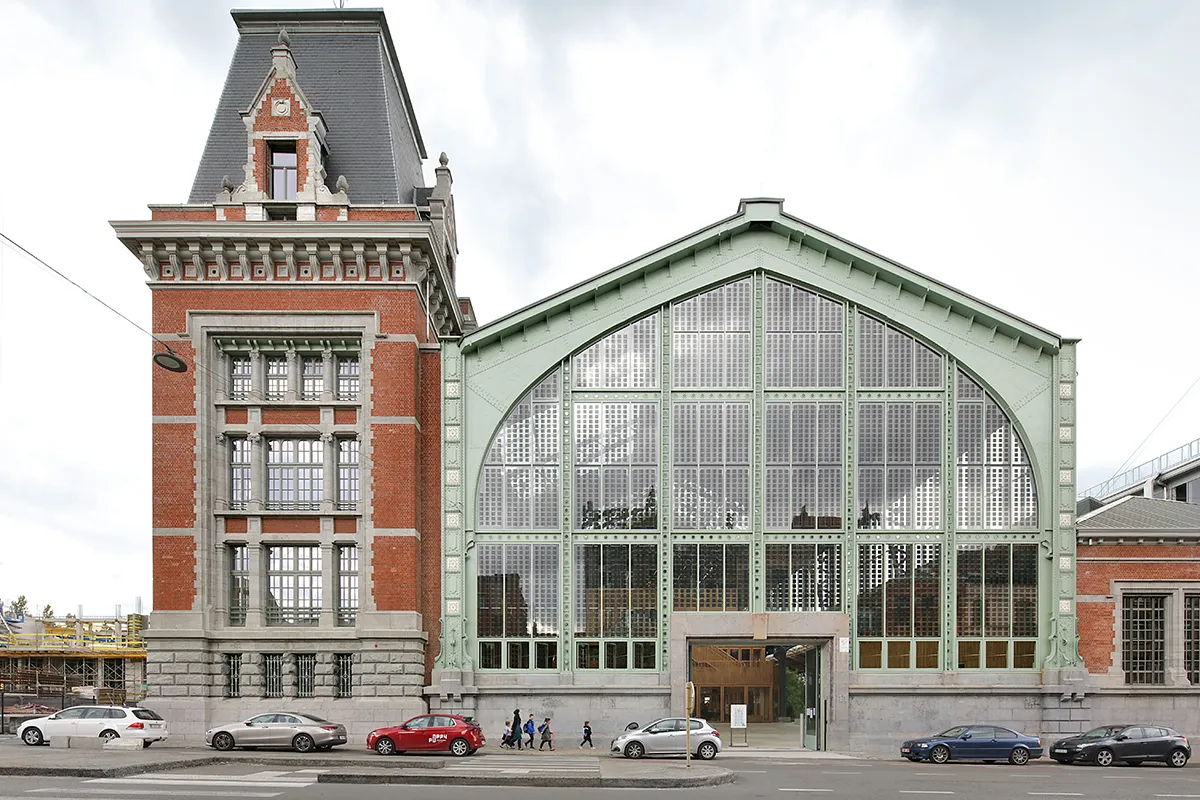
What exactly prompted you to join Sweco?
Sven De Turck: “It was mainly the type of projects we work on. I trained as an architect, but the residential sector didn’t appeal to me, and I wasn’t keen to start at the bottom of the ladder at a large architecture firm. The building services sector gave me the opportunity to get involved in impressive, large-scale projects relatively quickly and make a meaningful contribution. As a Sweco employee, I can broaden my horizons even further in that respect. In my current role, I’m back working on architecture and construction, and particularly on the processes behind them, which fascinate me. We have a very diverse range of profiles here, but everyone helps projects succeed in their own way. I find that a very interesting starting point.”
Mieke Burrick: “Exactly, everything has to fit together. The multidisciplinary nature of the work was one of the things that attracted me. Before this, I spent eight years at a small consultancy, where I mainly worked with companies on mobility management. Eventually, I felt I’d done enough in that particular niche and wanted to broaden my horizons. At Sweco, I can make more of a connection between mobility management and the public sector, which means I can now approach it from several perspectives. I’ve also had the opportunity to explore stakeholder management. So you can get a taste of all kinds of specialisms here. Who knows, perhaps I’ll be doing something completely different in a few years’ time?”
Sven De Turck: “It’s obviously a huge advantage that at Sweco you can develop in the direction you want. The chances of ever reaching your ceiling here are slim.”
Thomas Bogaerts: “This seemed like the ideal environment in which to build on the expertise I’d gained during my bioengineering studies, apply it and connect it with other disciplines. I soon realised that the world is much bigger than my own field, and that everything interacts. At Sweco, I have the opportunity to work with landscape architects, ecologists, urban planners and others to explore the role water can play, then put the pieces together as a team to arrive at an integrated concept. It’s always a fascinating exercise.”
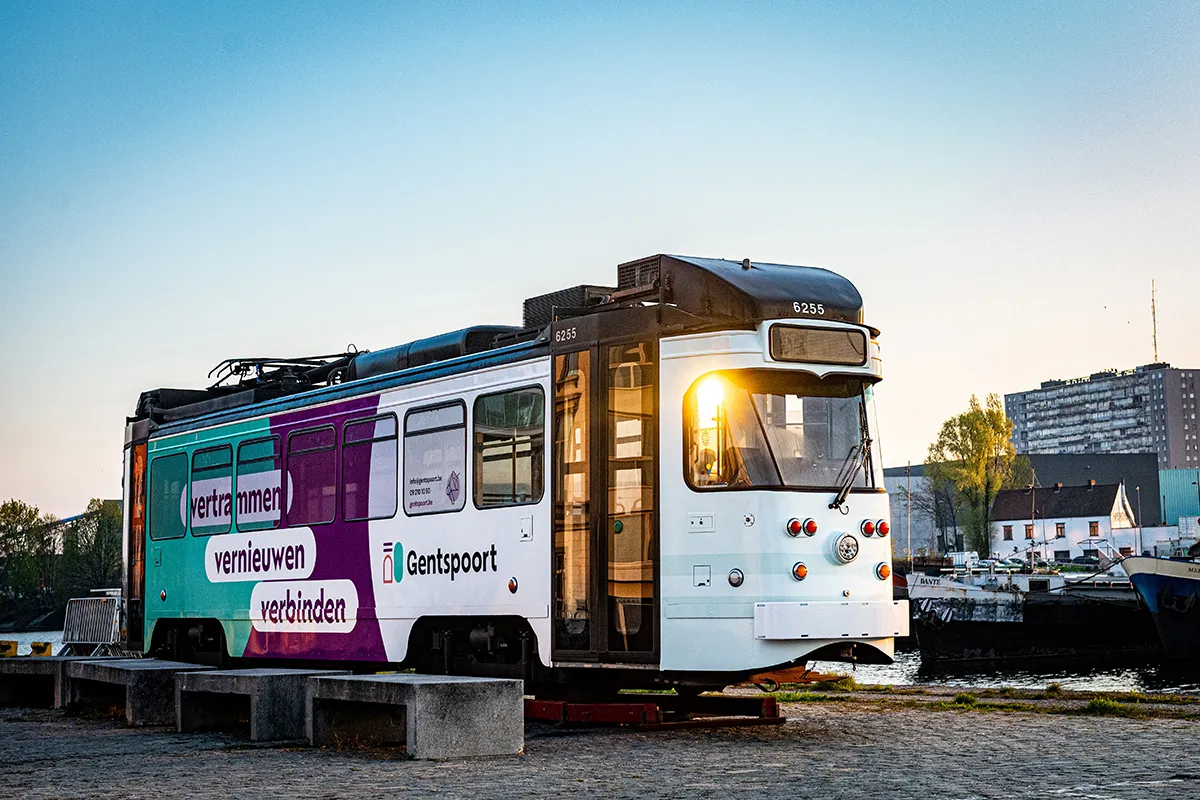
Is this pooling of knowledge and expertise internally also Sweco’s greatest strength in the eyes of the outside world?
Sven De Turck: “Without a doubt. Projects are so complex nowadays, with so many parties involved, that it’s simply not feasible to outsource everything to separate companies. You just can’t coordinate it all. Being able to entrust it to a one-stop shop that handles all the coordination between the various disciplines involved in-house, and can therefore offer more than the sum of its parts, is obviously a huge advantage. By the time we propose a solution, all the necessary consultation has already taken place. Sweco has around three thousand employees with a wide range of expertise, so sometimes it can be a challenge to find the right colleagues when you have a specific question. But that is far outweighed by the added value we can provide afterwards.”
Mieke Burrick: “Because we work with decentralised teams that have a great deal of autonomy, we’re also very close to our clients. The combination with that extensive in-house knowledge network is extremely valuable. We’re strongly encouraged to seek out that internal expertise ourselves, although it can indeed take some effort to get hold of the right people. But you learn from that too, of course.”
Thomas Bogaerts: “I’ve found that the more you invest in ‘internal networking’, the more your expertise is picked up and applied correctly. Sometimes, visiting a particular office to get everyone together can work wonders, so I try to make time for that. Our team also regularly posts on Sweco’s intranet to explain the expertise we offer and the questions colleagues can come to us with. Four times a year, we also hold share & improve sessions, where we share knowledge on a particular topic. In a way, this also helps raise awareness among other project leaders. For example, they learn what groundwater modelling involves and how long it takes, so they can come to us proactively in future.”
Mieke Burrick: “Team managers also play a crucial role in communication between colleagues, of course. When I started here, I was a little overwhelmed and couldn’t immediately see the wood for the trees. On my team manager’s advice, I called at least thirty people in my first week to find out what was happening on various projects. That helped me settle in quickly and get straight into the job.”
Sven De Turck: “The offices themselves also regularly organise after-work activities, where you can meet people from other teams informally. That’s a quick way to find out where everyone’s expertise lies.”
What challenges are currently on the horizon, both for Sweco and more generally?
Thomas Bogaerts: “When it comes to our expertise, both internally and in the outside world, we need to make sure that nuance isn’t lost as Sweco continues to grow. We don’t just build large bridges, tunnels and buildings; we also bring in a range of ‘softer disciplines’ that we may be less well known for, such as water, nature and landscape management. These are also crucial to taking projects to the next level, particularly with the future in mind. If we want to create sustainable, climate-resilient living environments, we need to pursue integrated solutions on a larger scale.”
Mieke Burrick: “A holistic approach really is the way to go. Looking at challenges with an open mind and thinking ahead are essential in all the projects we deliver. That obviously makes them more complex, but we’re preparing for that by continually broadening our expertise. Of course, that doesn’t mean we can only make a difference on large-scale projects. We can also offer smaller clients solutions tailored to their needs, both in terms of content and budget. So they shouldn’t be put off by Sweco’s now considerable reputation.”
Sven De Turck: “Sweco is still growing very quickly, but that is absolutely not an end in itself. It’s about bringing together knowledge and skills to develop better solutions. As engineers, we look not only at the architectural, structural and energy performance of the buildings we design, but also at their spatial and landscape setting, nature conservation, water management, climate adaptation …”
Thomas Bogaerts: “On top of that, we need to streamline the complex processes that result from this by giving due attention to communication, participation and process facilitation. That’s essential if we’re to bring everyone on board with our vision.”
Sven De Turck: “I’m convinced that this is where we’ll make a difference in a few years’ time. Thanks to the rise of AI, for example, anyone will be able to produce the most optimal floor plan based on a set of parameters. Quite apart from the scale needed to stay up to date technologically, it will be our ‘softer’ skills that really come to the fore as a USP.”
Now that we’re talking about the future, how do you see yours at Sweco?
Sven De Turck: “Above all, I’d like to continue growing in what I’m doing now. I find project management very interesting, and it’s always stimulating to work with so many different people and projects. I can see myself doing this for years to come.”
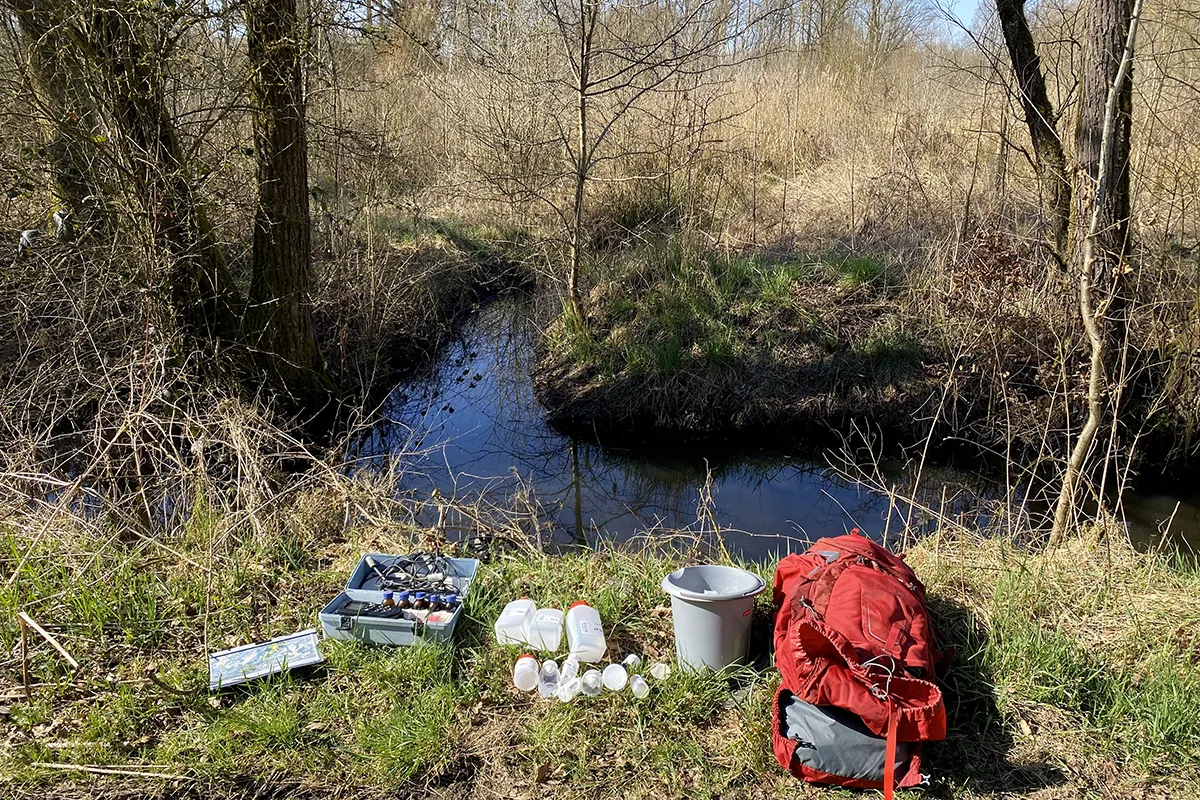
Thomas Bogaerts: “As a project leader, I try not to limit myself to developing theoretical concepts, but also go out into the field to test certain things. That contact with local residents and the natural environment gives me the grounding I need in everyday reality, and keeps me reinventing myself. When I graduated, working abroad seemed appealing, but by immersing myself in the local context as part of our projects, I’ve only grown to appreciate it more. Whenever I make my way through the reeds to a stream to test the water quality, and suddenly spot a rare little plant emerging, I’m once again moved by the beauty hidden so close to home. I’m nowhere near tired of that. I also hope to continue sharing the valuable expertise our team has to offer.”
Mieke Burrick: “I’m relatively new to Sweco, so I’m still discovering the possibilities. I already find what I’m doing now extremely interesting. I chose Sweco because I felt I could make a tangible impact on society. Now that I’m actually working here, I’m even more convinced I made the right decision …”
Een zakelijke vraag aan Sweco Belgium? Get in touch
Companies in this story
Keep following this
Get an email when a new story is published. No account needed.
- SubjectGeneral
- CompanySweco Belgium







