Company profile, Renotec | Restoring and thinking ahead
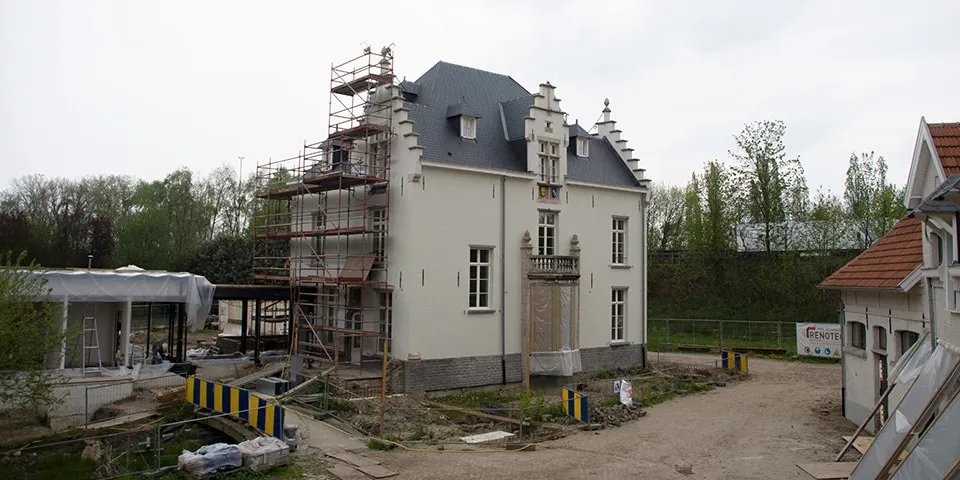
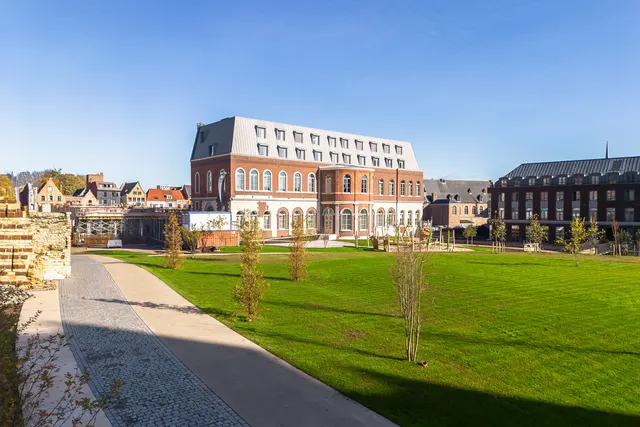
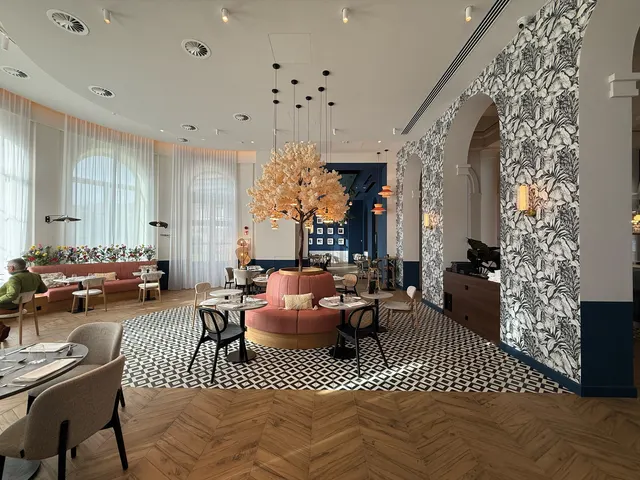
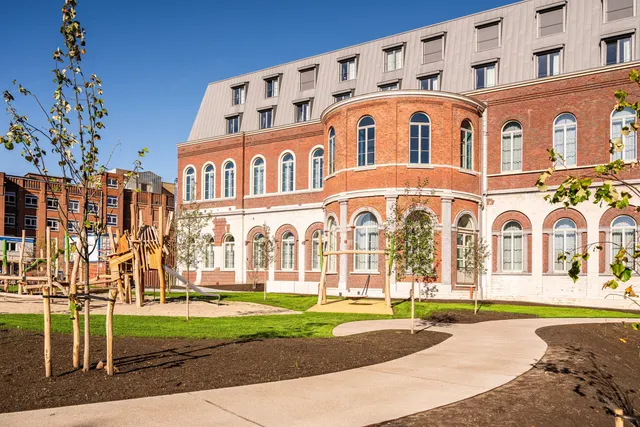
One of the six divisions of renovation contractor Renotec (Geel) specialises not only in the restoration of architectural heritage, but also in finding new uses for it after restoration. Aptly named ‘restoration and adaptive reuse’, this is a specialist field, as becomes clear …
Over the past twenty years, the Flemish government has paid much greater attention to architectural heritage. This has led to the better preservation of original architecture. In the more distant past, more buildings were demolished. But this increased attention and stricter protection regulations have created a new problem: not every heritage building can become a museum or hospitality venue, while combining historic architecture with a viable contemporary use is far from straightforward. Profitability is a particular concern for private owners.
Visions
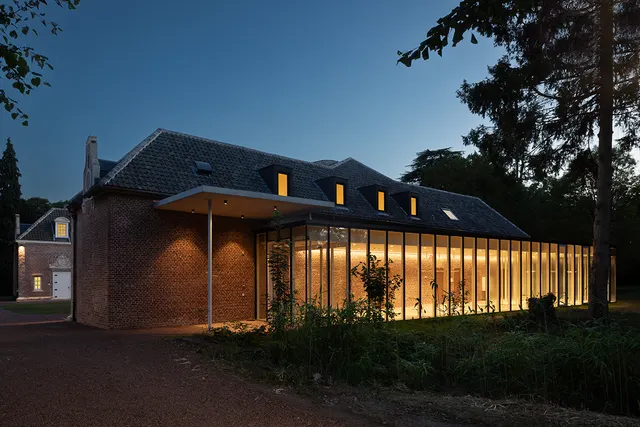
“That is why we make a point of helping to explore possible new uses,” says Sofie De Deckere, director of the restoration and adaptive reuse division. “We can do this because we have not only the necessary expertise in specialist areas of construction, but also extensive experience of the heritage policies of the Flemish, Brussels and local authorities. Thanks to the network we have built up, we have also succeeded on several occasions in connecting an owner with a potential operator. That is why we are keen to take on projects of this kind.”
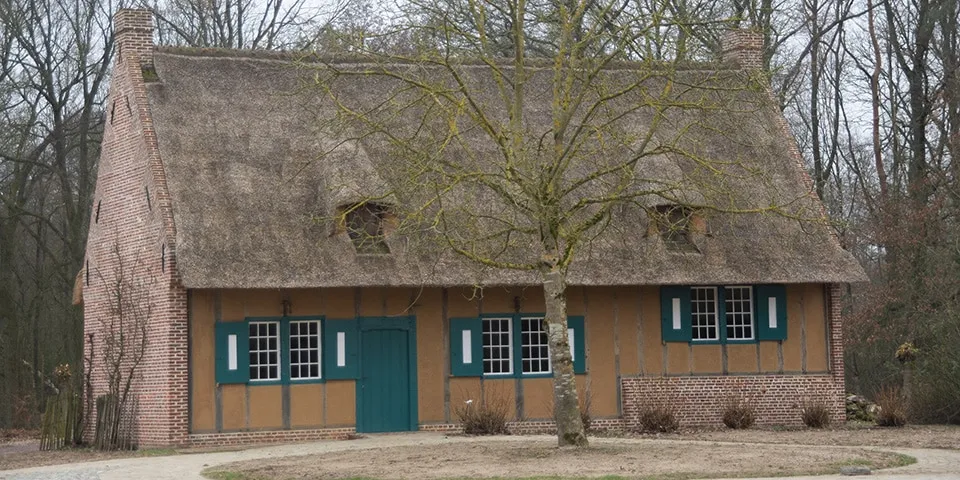
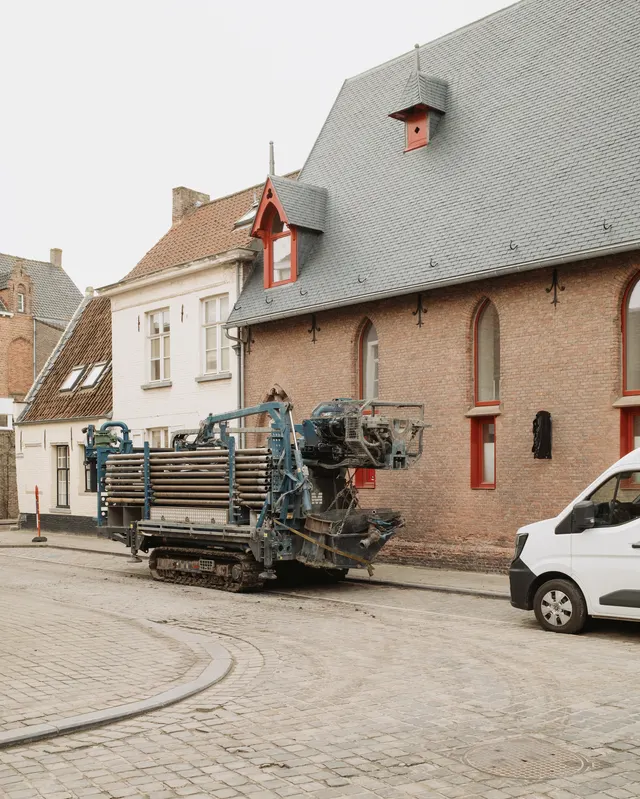
This house originally stood in Poperinge. At the Bokrijk open-air museum, it is an example of a traditional ‘pure’ restoration, reflecting its condition at a specific point in the past. As it is part of the open-air museum, contemporary additions are unnecessary.
Making the most of our expertise
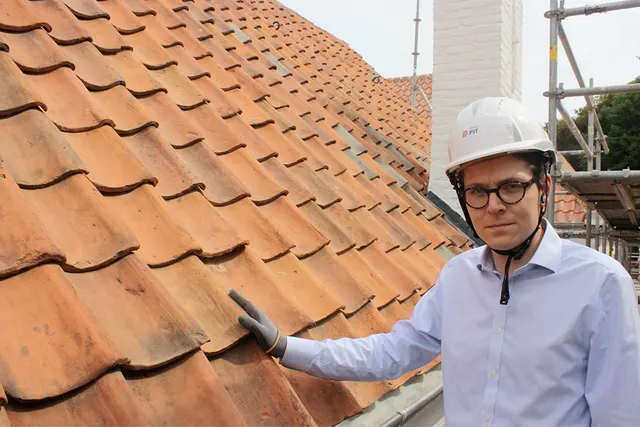
“To make the most of our expertise, it is important for us to be involved in projects at an early stage, preferably as part of a construction team or similar arrangement that allows us to sit down with the architect and owner from the outset,” says De Deckere. Renotec’s employees also work as a team internally. “Our division has around fifty project managers with backgrounds in architecture or engineering, and 150 tradespeople, each of whom has developed one or more specialist skills. These include blacksmiths, joiners, stonemasons, art and furniture restorers, and stained-glass specialists. If any problems arise, they can always consult one another. We also aim to bring as many skills as possible together in-house.”
Question about this story? Ask your question
Keep following this
Get an email when a new story is published. No account needed.
- SubjectMonuments