Where heritage and sustainability go hand in hand
Text Josefien De BockImage Istoir
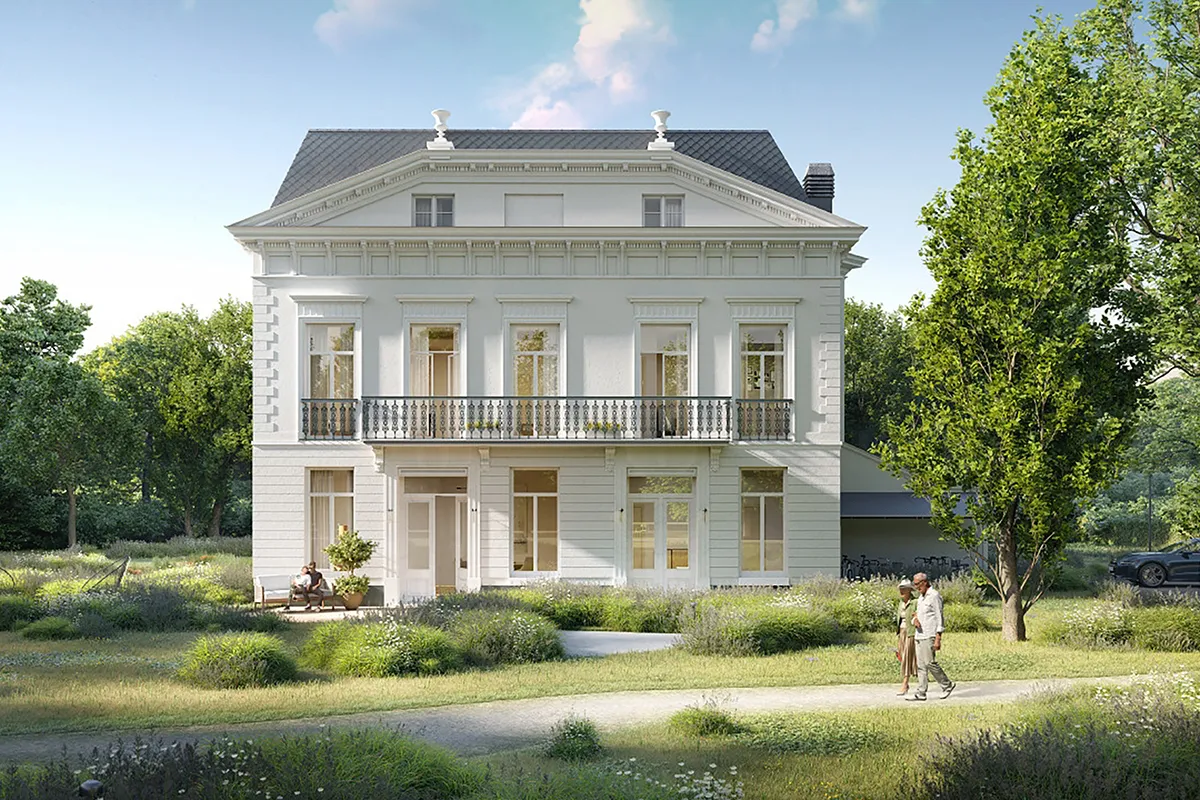
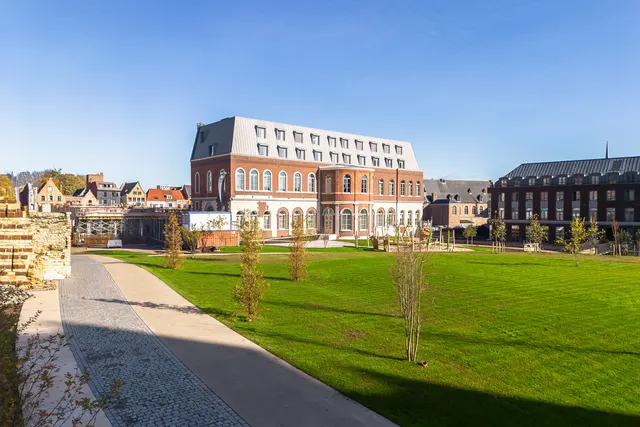
Transforming historic buildings and heritage sites into high-quality, future-focused residential projects while respecting the past and prioritising quality and sustainability is an art in itself. Potuit in Sint-Amandsberg is a wonderful example. “Here, history, nature and innovation come together in a residential concept that exudes peace and elegance,” they say.
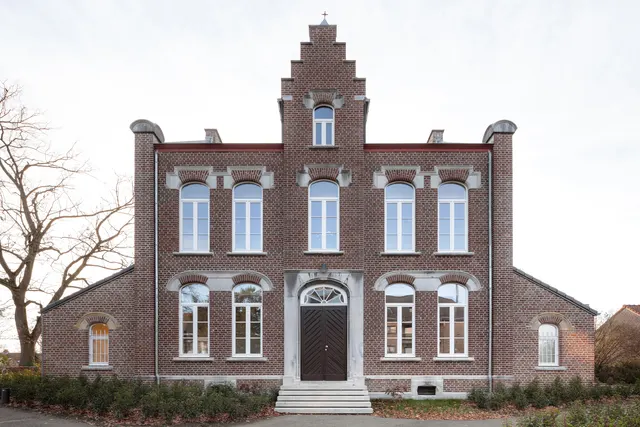
As a sister company of Durabrik and part of Camino Group, Istoir specialises in transforming historic buildings and sites with a rich past, such as the nineteenth-century Potuit Castle, set on a unique green site on the outskirts of Ghent. Preserving original heritage features is central to its approach. “We build not only homes, but also stories that keep a place’s character and soul alive,” says Thomas Vandercruysse, CEO of Istoir.
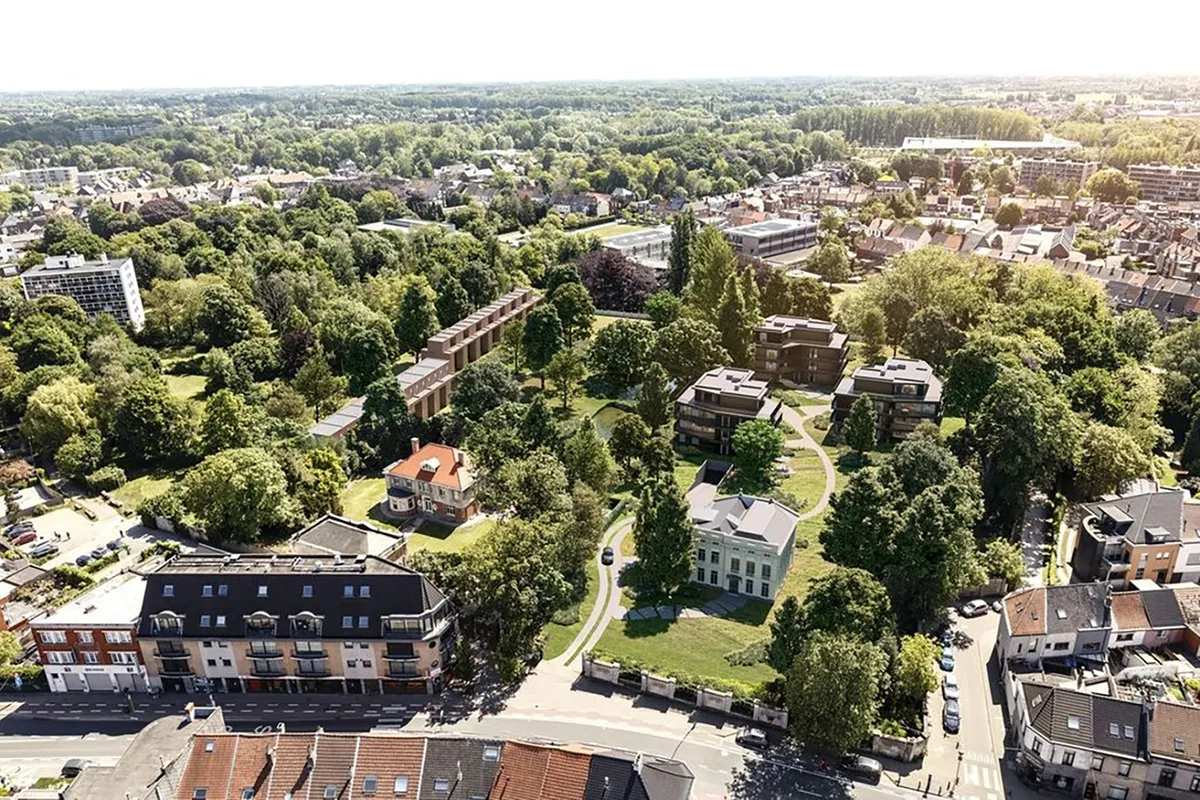
Living in a green oasis
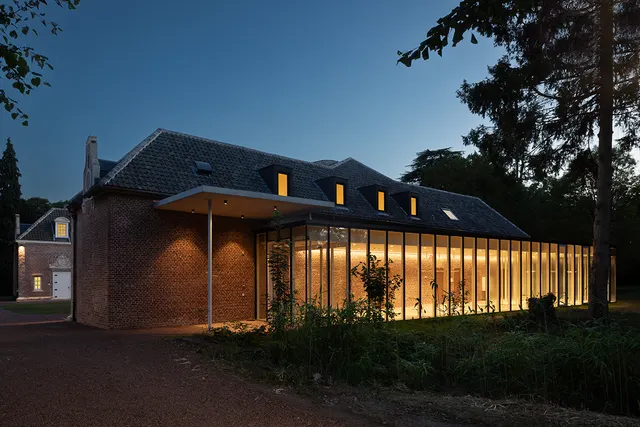
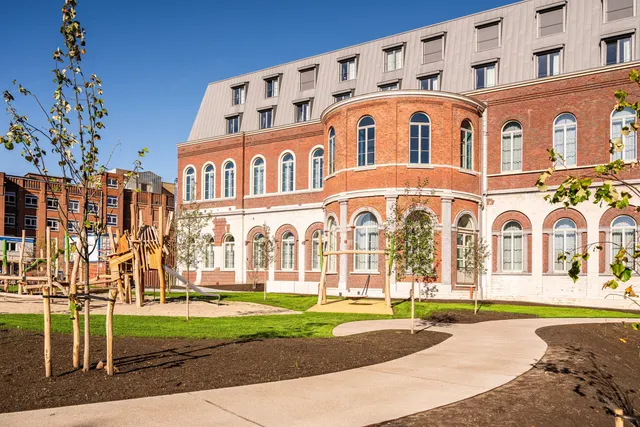
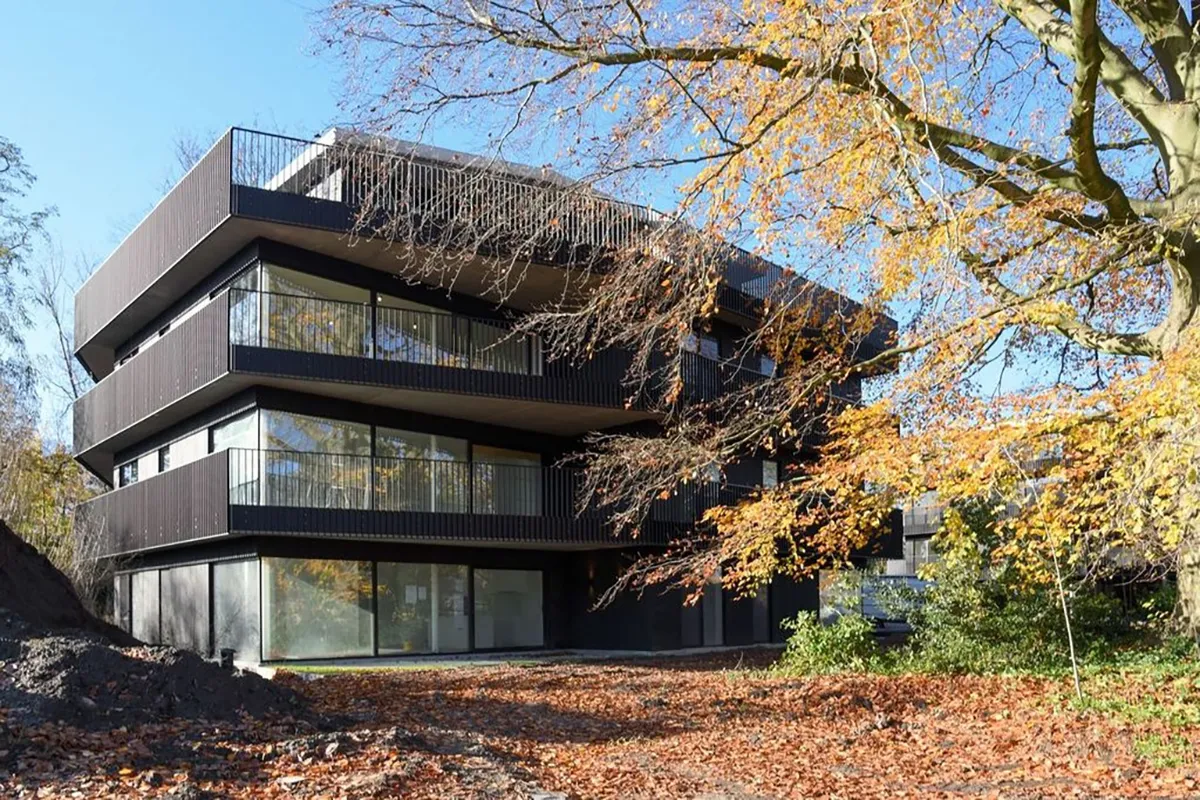
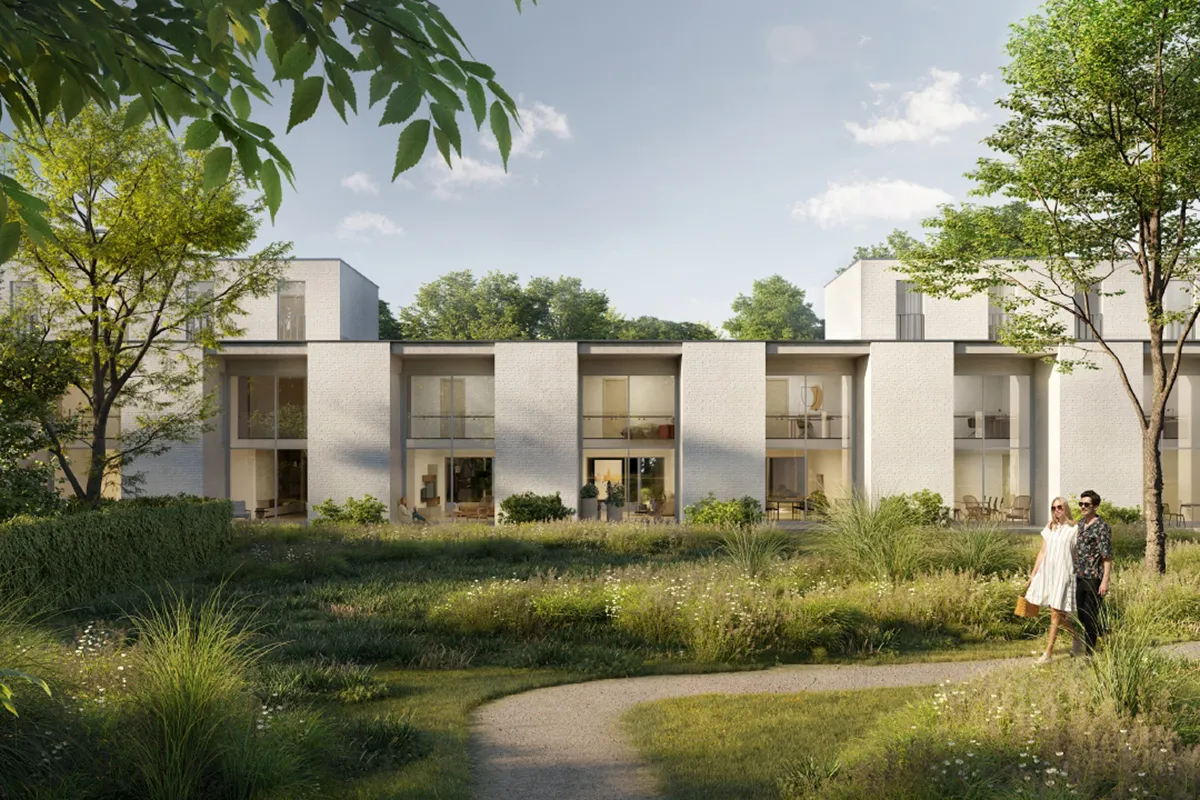
The Potuit residential project comprises 53 units: eighteen park houses, thirty park apartments, including three luxurious penthouses, and five castle apartments. They have been designed with comfort and harmony with nature in mind. The park in which the homes are set borders a public green space, creating a sense of openness and tranquillity. “The green character of this site is unique,” says Thomas Vandercruysse. “We tailored the entire design to the park.”
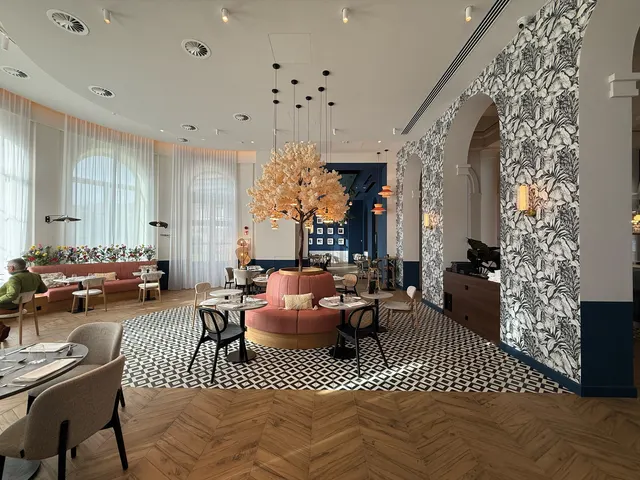
To make the most of the heritage and natural surroundings, Istoir worked with renowned experts. The architecture was designed by Ghent-based practice GAFPA, while the interior design was handled by Atelier 10.8. For the landscape design, the team drew on the expertise of Ann Voets from Beersel.
Sustainability as a foundation
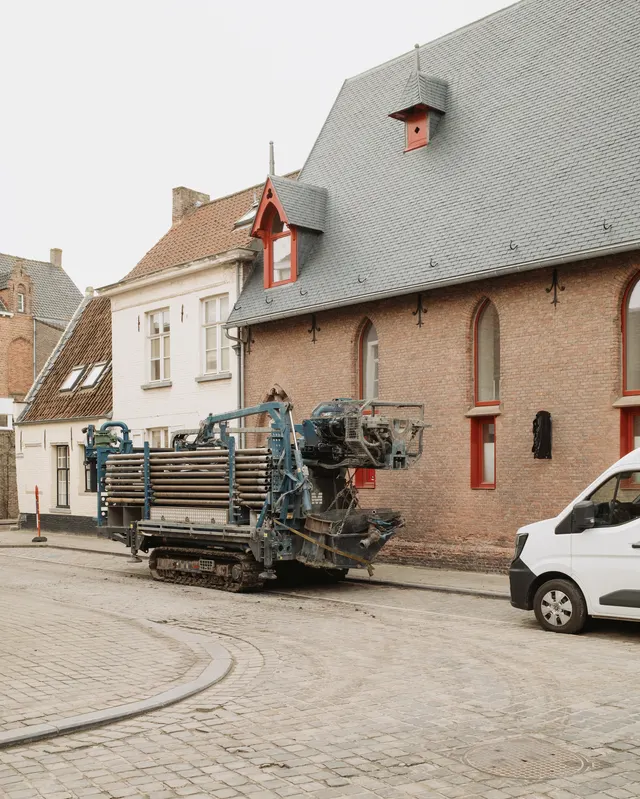
Sustainability is central to Potuit, including an innovative heating system powered entirely by a geothermal heat network. “This system draws heat from the ground, which is not only environmentally friendly but also financially beneficial for residents,” explains Thomas Vandercruysse.
The homes also offer optimum energy efficiency thanks to balanced ventilation and a high-performance insulation system. This results in lower energy bills, a constant supply of fresh air and excellent indoor air quality. The heat network also enables passive cooling during hot summers, a valuable feature in a changing climate. Natural shade from trees and water features further enhances the pleasant microclimate.
Potuit’s energy supply is managed by Energent. The organisation not only supplies the energy, but also guarantees the heat network’s optimal performance and manages it. “For residents, this means complete peace of mind: Energent takes full responsibility for maintenance and any repairs,” Thomas Vandercruysse points out.
Green mobility in a car-free setting
Potuit has been designed to be entirely car-free, giving residents a peaceful, green environment in which to live. All parking is underground, leaving plenty of space above ground for nature and cyclists. Cycle parking and a cycle path running through the park encourage people to get around by bike. The project is also exceptionally well connected, thanks to its proximity to Gent-Dampoort station and a bus interchange, promoting sustainable mobility. “This approach to mobility not only improves living comfort, but also contributes to cleaner air and more space for nature,” says Thomas Vandercruysse.
From historic heritage to future-focused living
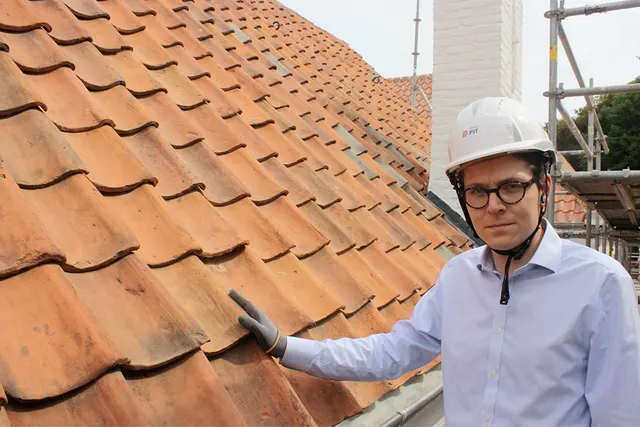
Potuit has been built around the castle of the same name, a heritage site sold by the Flemish government. Istoir won the contract with a vision that combines heritage preservation and innovation. “There’s one thing you can be sure of with historic heritage: nothing is certain,” says Thomas Vandercruysse with a smile. “But thanks to our experience and close collaboration with our partners, we successfully completed this project within two years.”
In conclusion, Potuit is much more than a residential project. It is a wonderful example of how historic heritage and sustainability can reinforce one another. “With projects such as Potuit, we want not only to create beautiful homes, but also to make a positive impact on the living environment and the climate,” concludes Thomas Vandercruysse.
Question about this story? Ask your question
Who worked on it
Potuit in Gent
- architectureGAFPA
- interieurdesignAtelier 10.8
- energy supplyEnergent
Keep following this
Get an email when a new story is published. No account needed.
- ProjectPotuit
- SubjectMonuments
- CompanyGAFPA
- CompanyAtelier 10.8
- CompanyEnergent