Facial recognition: ingenious or illegal?

A high-profile article on facial recognition software recently appeared in the weekly magazine Humo, following the installation of an innovative access control system at Kim Clijsters’ Sports and Health Club in Bree. “It’s pioneering on the edge of illegality, because the use of facial recognition software has not yet been regulated by law,” the article stated bluntly. That is reason enough to take a closer look at this promising but controversial technology. How exactly does facial recognition work, what can it do, and does it pose a threat to our privacy?
Kim Clijsters made history at the start of this year. Sadly for her many fans, not on the sporting front: the much-discussed ‘Kimback’ was recently brought to a definitive end after two difficult years. Instead, she made history in technological terms. At her sports club in Bree, she had cameras with facial recognition technology installed by start-up Pablo, in which she is also a shareholder. The reason behind it is
simple: to prevent fraud. Like other tennis and padel clubs, the Kim Clijsters Sports & Health Club had been plagued by players deliberately occupying padel courts without booking or paying for them. Thanks to the new video registration system, cheating is now out of the question. Before entering a court, every player must identify themselves to a camera. If they fail to do so, an alarm sounds and the club manager receives a notification. Simple and effective!
How it works and its benefits
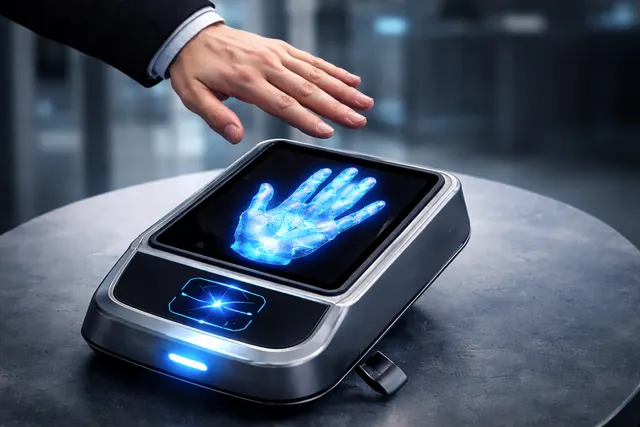
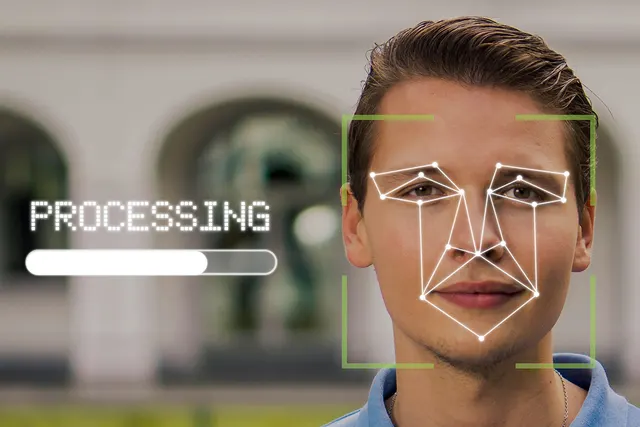
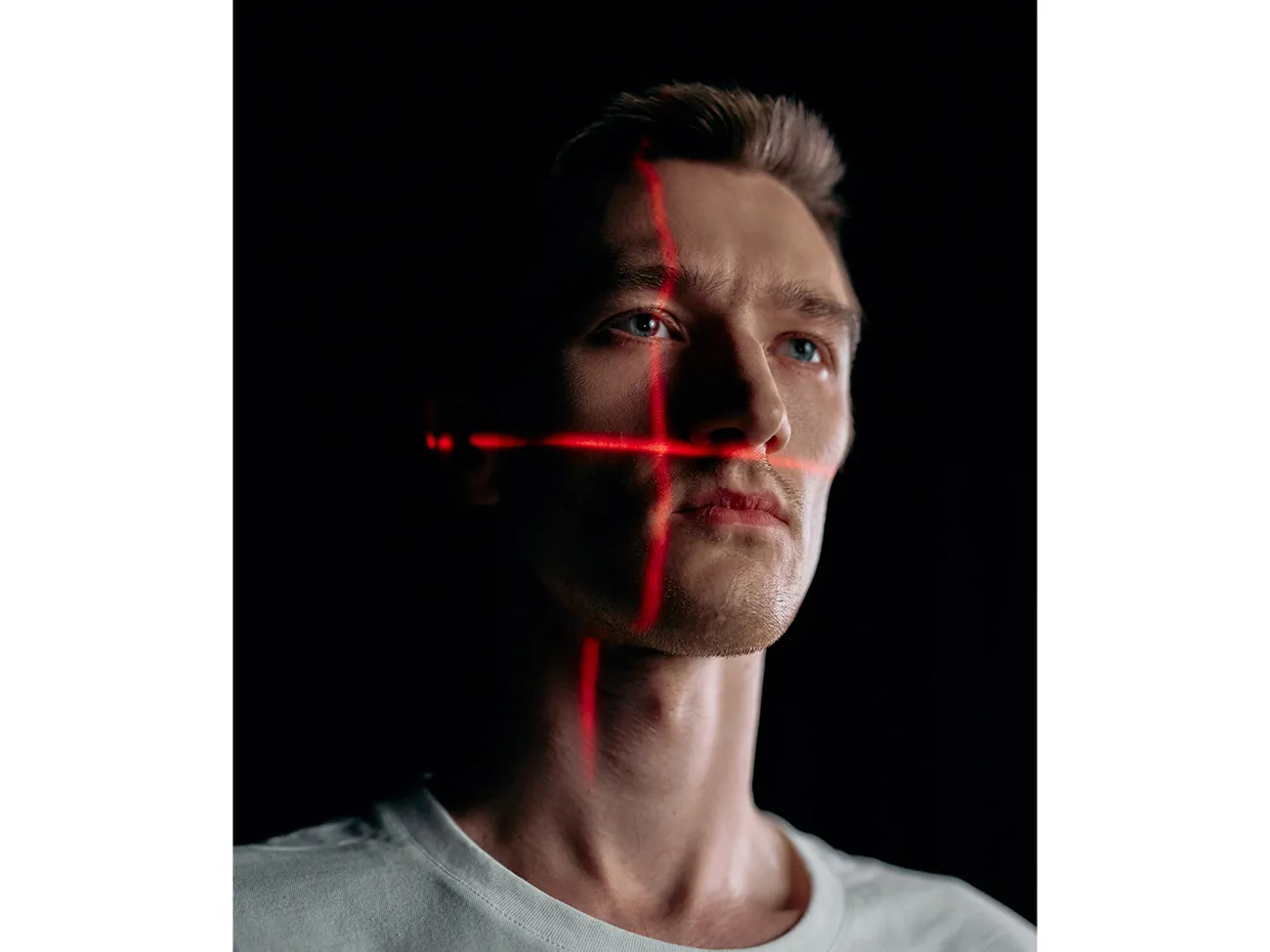
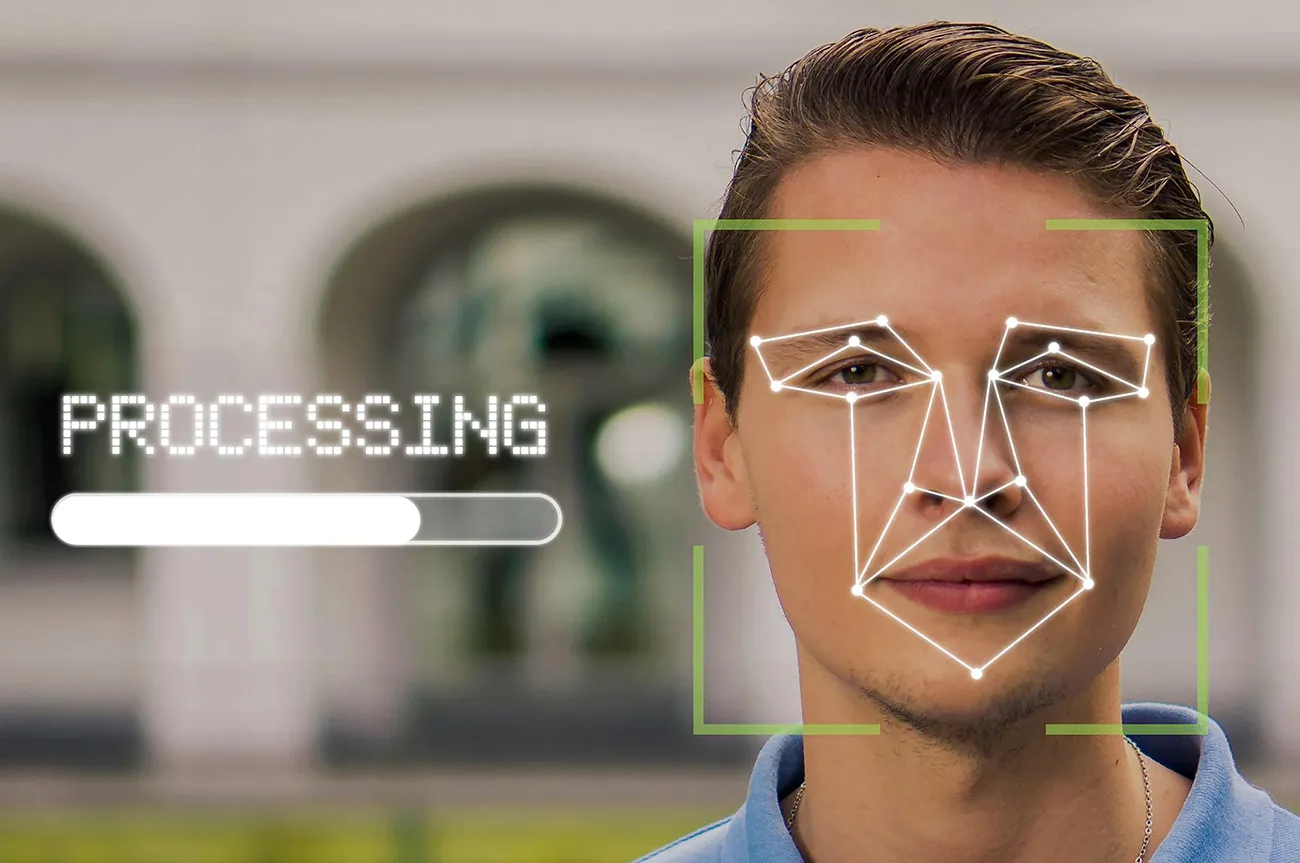
Granting access on the basis of facial recognition is a form of biometric identification. This means that a person’s identity is verified using physical characteristics. Other biometric identification tools include iris and fingerprint scanners, which are now standard features on the latest smartphones and can also be used to secure doors, turnstiles, locks and so on. Access control based on facial recognition is both simple and ingenious. First, users must register an existing photo, such as the passport photo on an identity card, or have a new one taken. It is then stored in a dedicated database. When a user subsequently identifies themselves at a secure entrance, the system compares their face with the image in the database. If there is a match, the user is granted access. The benefits of facial recognition are numerous: it is fast, efficient, secure and hygienic, and there is no risk of losing keys … Facial recognition software can add considerable value for many businesses and institutions. But, of course, all that glitters is not gold. There are also concerns, particularly around privacy …
Walking a tightrope
Is facial recognition software ‘on the edge of illegality’ and in breach of privacy legislation, as suggested in the introduction to the Humo article? Yes and no, it turns out. In any case, governments and public authorities are legally prohibited from using it. The police in this country, for example, are not allowed to scan faces or other biometric data using cameras
or other technological tools, except for specific investigative measures in criminal investigations and border checks at airports to prevent identity fraud. The rules are different for private organisations and companies, provided they obtain the explicit consent of the people subject to it, including the right to create their own database of members’, users’ or employees’ faces. But this is, of course, a double-edged sword: anyone who objects to the use of facial recognition software at the Kim Clijsters Sports & Health Club can simply choose not to join. The concept of ‘consent’ is therefore defined fairly broadly, which can lead to disputes and breaches. The Data Protection Authority has already had Pablo’s cameras examined. Its verdict, however, was that they are entirely legal in the case of the Kim Clijsters Sports & Health Club.
Awaiting new legislation
Although there is nothing inherently wrong with the innovative access control system at Kim Clijsters’ padel courts, facial recognition still feels like a grey area. And that is before we even open a few other Pandora’s boxes: from ANPR cameras that can now detect mobile phone use behind the wheel as well as number plates, to the Chinese approach to law enforcement, in which the authoritarian regime uses facial recognition to keep the population in line. In short, the erosion of standards and abuses are just around the corner, so there is an urgent need for a clearly defined legal framework for facial recognition software. Unfortunately, that will not arrive until 2025 at the earliest. The EU is working on new legislation on artificial intelligence, and in principle, member states are not allowed to pass their own corresponding laws until then. So we will have to wait a little longer before facial recognition can be brought within the official privacy guidelines. It will be interesting to see what happens, because the technology’s many benefits mean that facial recognition software will only become more popular in the coming years
and Kim Clijsters’ example is likely to be followed enthusiastically …
Question about this story? Ask your question
Keep following this
Get an email when a new story is published. No account needed.
- SubjectAccess control