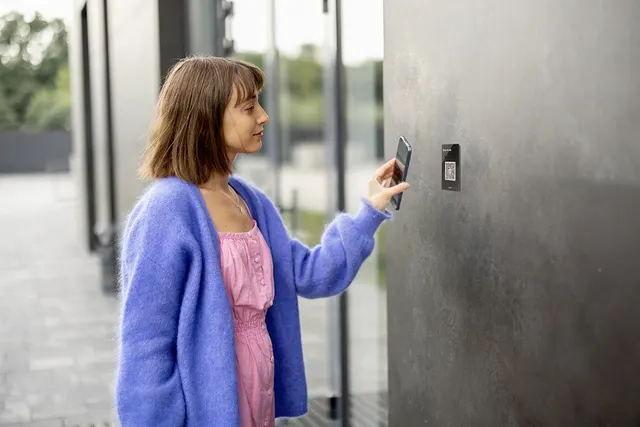
Smart locks and the future of residential access control
Text Florian HolsbeekImage Pixabay, Unsplash en Pexels
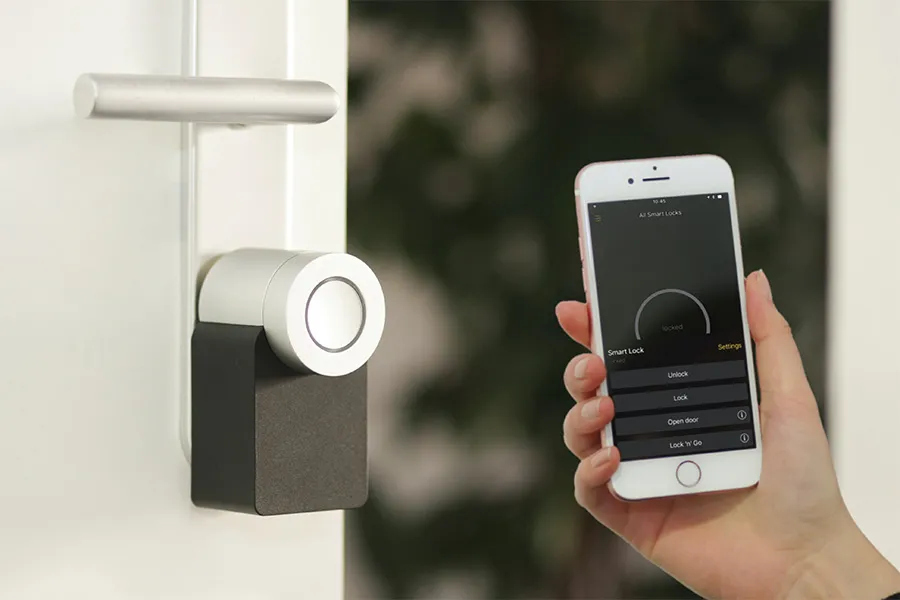
Smart locks have evolved at a tremendous pace in recent years, transforming the way we secure our homes. In 2023, these advanced technological devices continue to grow steadily in popularity, offering homeowners greater security, convenience and connectivity. This article looks at the latest developments in smart locks and their impact on residential access control.
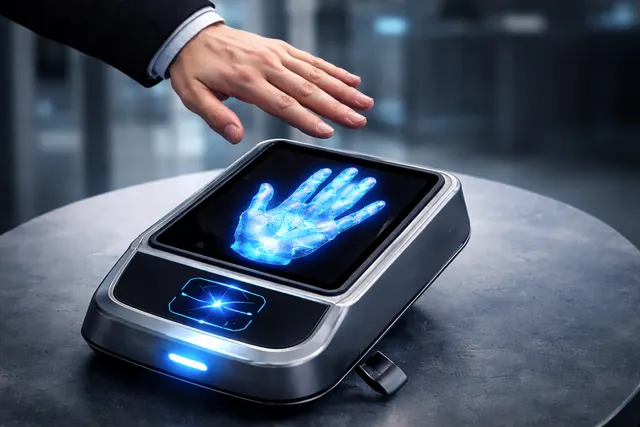
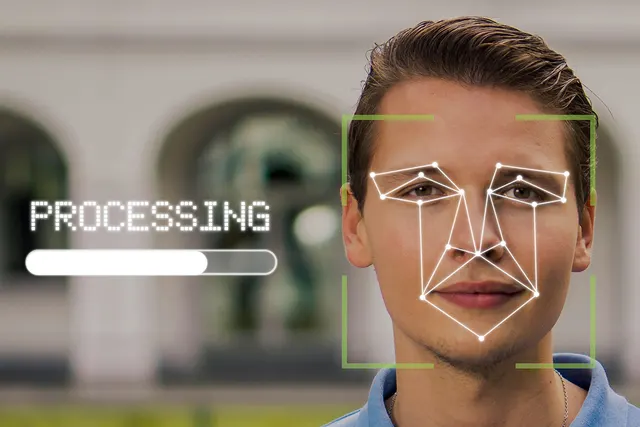
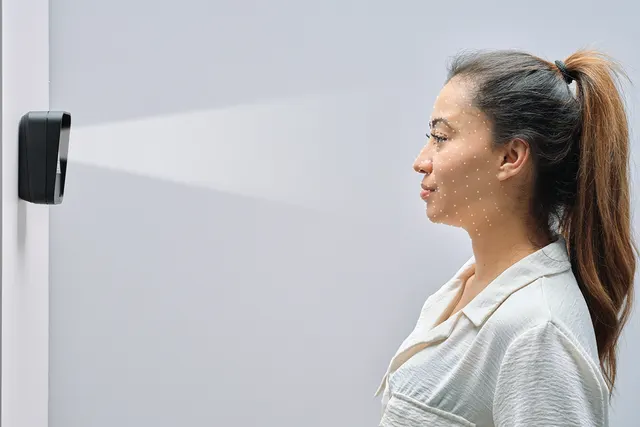
To secure a home even more effectively, smart locks are increasingly making use of biometric technology. Fingerprints, facial recognition and even voice recognition are widely used to manage access to homes. These unique identification methods significantly reduce the risk of burglary, as they are difficult to replicate or circumvent. Some smart locks also record access logs, allowing homeowners to check and monitor who enters and leaves their home.
Integration and connectivity
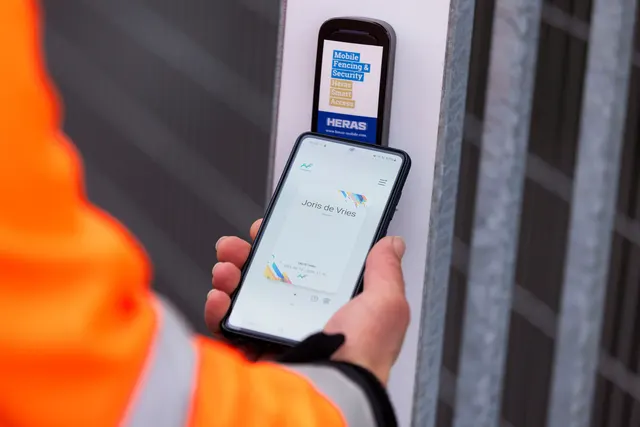
Smart locks are no longer limited to stand-alone devices. In 2023, they are increasingly being integrated into existing home automation systems. This means homeowners can operate their smart locks using voice assistants, mobile apps or even digital home management platforms. They can lock and unlock their doors remotely, monitor their home’s security status and even create customised scenarios that link the operation of their smart locks to other security devices, such as cameras and alarm systems.
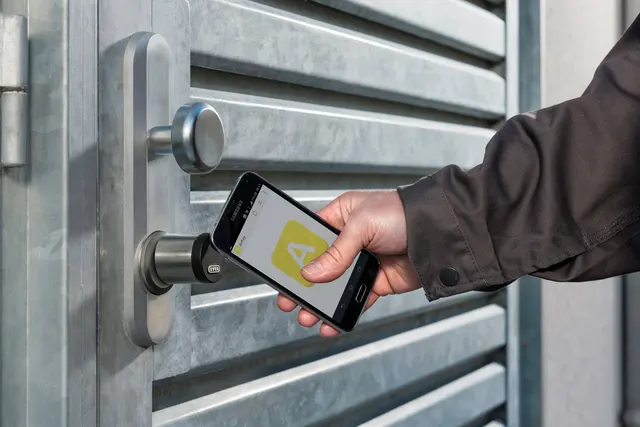
Another major advantage of today’s smart locks is the ability to manage access remotely. Homeowners can grant temporary access rights to visitors or service personnel, even when they are not physically present. This can be done through secure mobile applications, which allow users to send access invitations or generate temporary codes for a set period. This feature is particularly useful for homeowners who rent out their property on a short-term basis or need to give service providers ad hoc access.
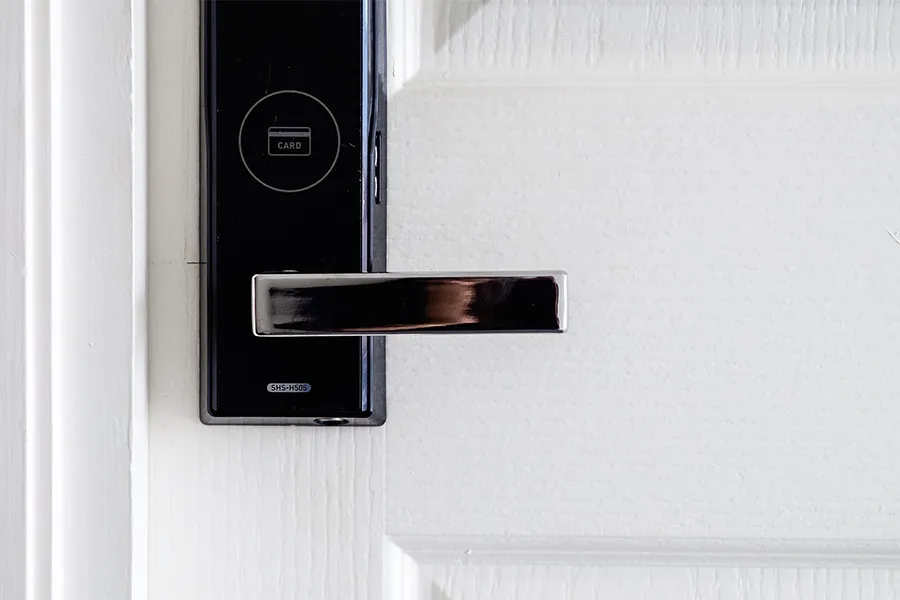
Better protected against hackers
A key concern for smart lock manufacturers is security and resistance to hackers and digital break-in attempts. They therefore use advanced measures to protect their devices against potential cyberattacks. Today’s smart locks, for example, use robust encryption protocols to secure communications between the lock and connected devices, such as smartphones or home automation systems.
In addition, intrusion detection mechanisms have been developed to identify and prevent malicious attacks. These mechanisms can detect suspicious behaviour patterns, attempts to hack codes or unauthorised access, and trigger real-time alerts to warn homeowners of suspicious activity. Regular software and firmware updates are also essential to maintaining the security of smart locks. Manufacturers work closely with IT security experts to identify and address potential vulnerabilities quickly, and to provide security patches for existing locks. Thanks to these advanced security measures, smart locks offer better protection against hackers and digital break-in attempts, ensuring the safety of homes and peace of mind for their owners.
In short, smart locks continue to evolve, bringing a new dimension to home security. With biometrics, integration with home automation systems, remote access management and greater resistance to hacking attempts, these devices offer extra security, unprecedented convenience and peace of mind for homeowners. As the technology continues to develop, we are likely to see even more innovations in smart locks in the near future, with new features and even higher levels of security. By investing in these technologies, homeowners can benefit from advanced access control and feel safe in their home at all times.
Question about this story? Ask your question
Keep following this
Get an email when a new story is published. No account needed.
- SubjectAccess control