How can you ensure acoustic comfort in a building?
Preventing noise nuisance is a major challenge for developers, architects and main contractors. Building responsibly is the mission of everyone involved in the investment process, with acoustic comfort one of the top priorities. How can they design and build buildings with outstanding acoustics? And what role do windows and partition walls play in ensuring acoustic comfort?
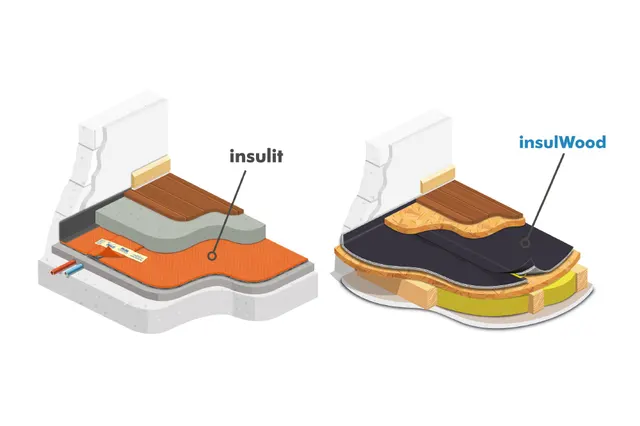
Tackling noise nuisance starts with understanding the phenomenon. The first step is to distinguish between airborne sound and impact sound (structure-borne sound). The remedy for the former is effective barriers that block sound as it travels in the form of sound waves (airborne sound insulation). The solution to the latter lies in using materials that absorb vibrations caused by the generation of low-frequency sounds (impact sound insulation).
Impact sound is most effectively tackled at the design stage, in particular by using screens that absorb vibrations, carefully planning the acoustic layout of spaces (especially corridors and stairwells) and incorporating expansion joints. If a building has already been designed and constructed without measures to limit the effects of infrasound vibrations, there is unfortunately little that can be done about it.
Windows provide an effective barrier
The picture is much brighter when it comes to limiting the propagation of sound waves through the air. In the Aluprof range, responsible designers and investors will find solutions that significantly improve acoustic comfort in new and refurbished buildings. According to the European Environment Agency report, Europe’s urban air quality: re-assessing implementation challenges in cities, reducing noise-related harm requires the use of soundproof windows. It also shows that thermal insulation
is associated with better acoustic insulation in building products.
The Aluprof MB-104 PASSIVE range deserves particular attention in this respect. As its name suggests, it combines good acoustic performance with excellent thermal insulation. This is confirmed by tests conducted by the Passivhaus Institut in Darmstadt. MB-104 PASSIVE products are available in two versions: polystyrene insulation (SI, UW = 0.80 W/(m2xK)) and aerogel (AERO, UW = 0.76 W/(m2xK)). These products are particularly recommended for sustainable, passive buildings that need to guarantee a high level of acoustic comfort.
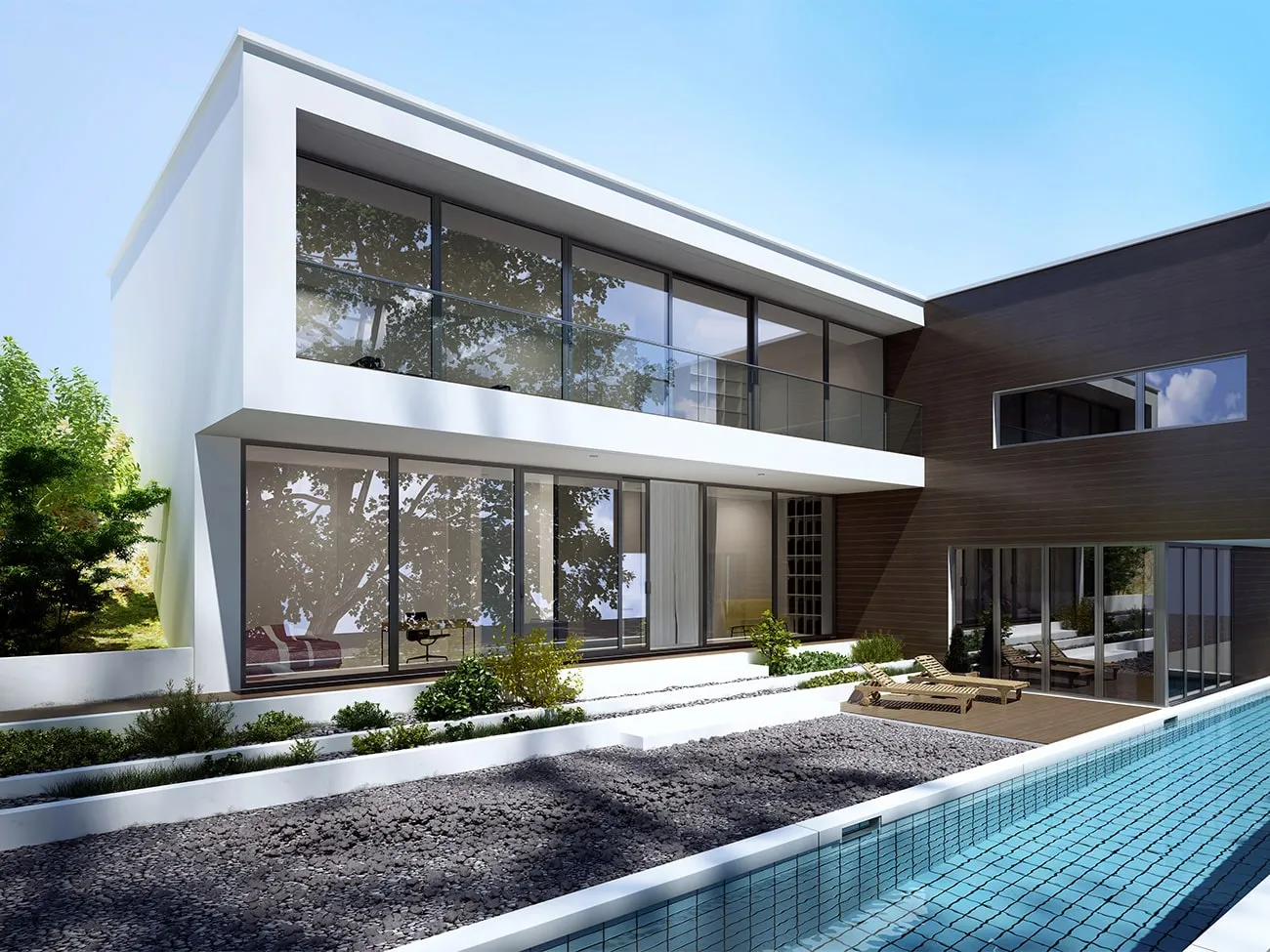
Protection with partition walls
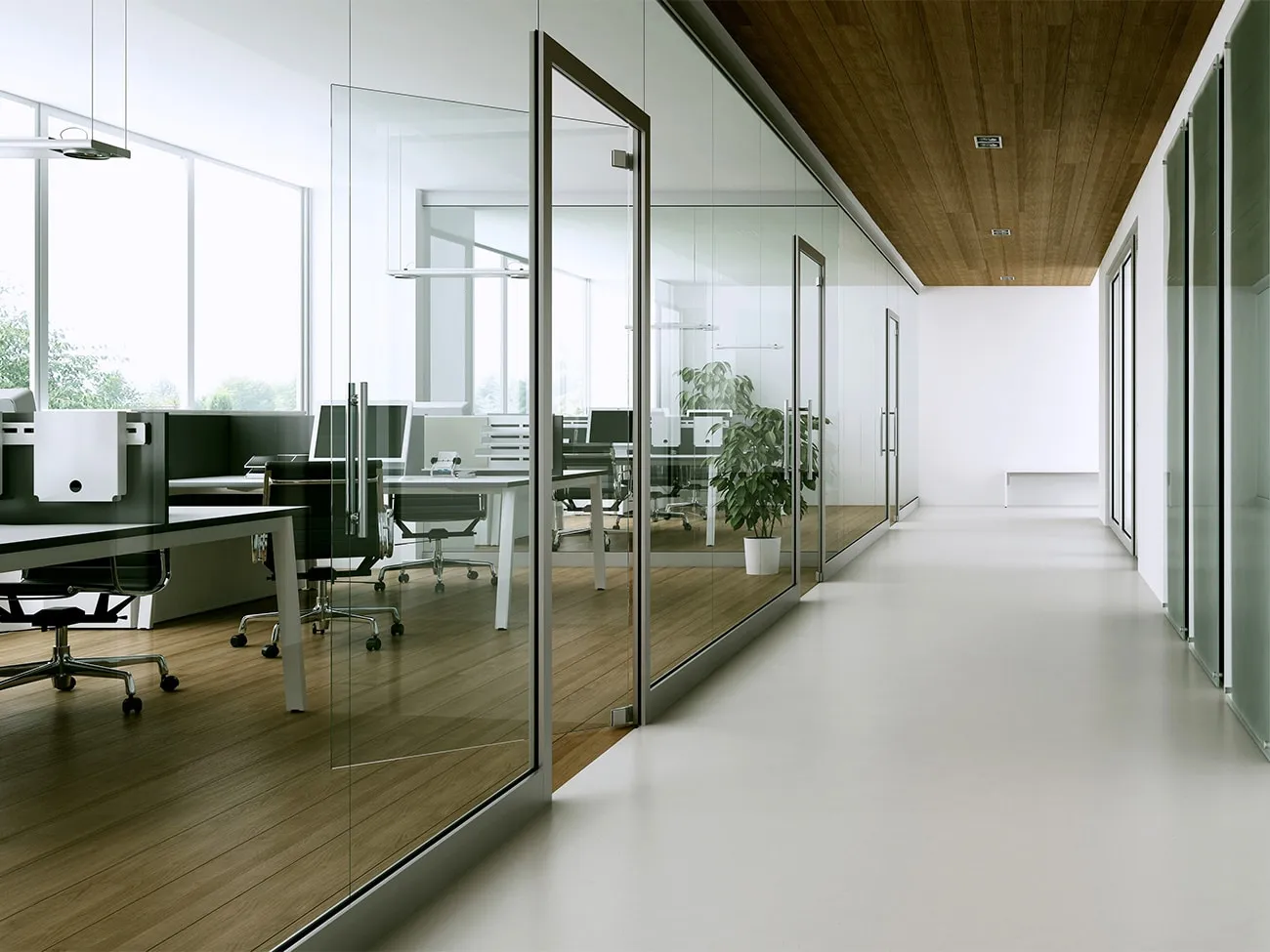
To provide effective protection against noise in workspaces, Aluprof has expanded its range of partition walls with the MB-HARMONY OFFICE interior wall system, which offers improved acoustic insulation.
Today, AAA-class offices are designed around ‘activity-based work’, moving away from traditional office layouts and open-plan spaces towards interiors suited to a variety of activities. Acoustic protection is therefore crucial.
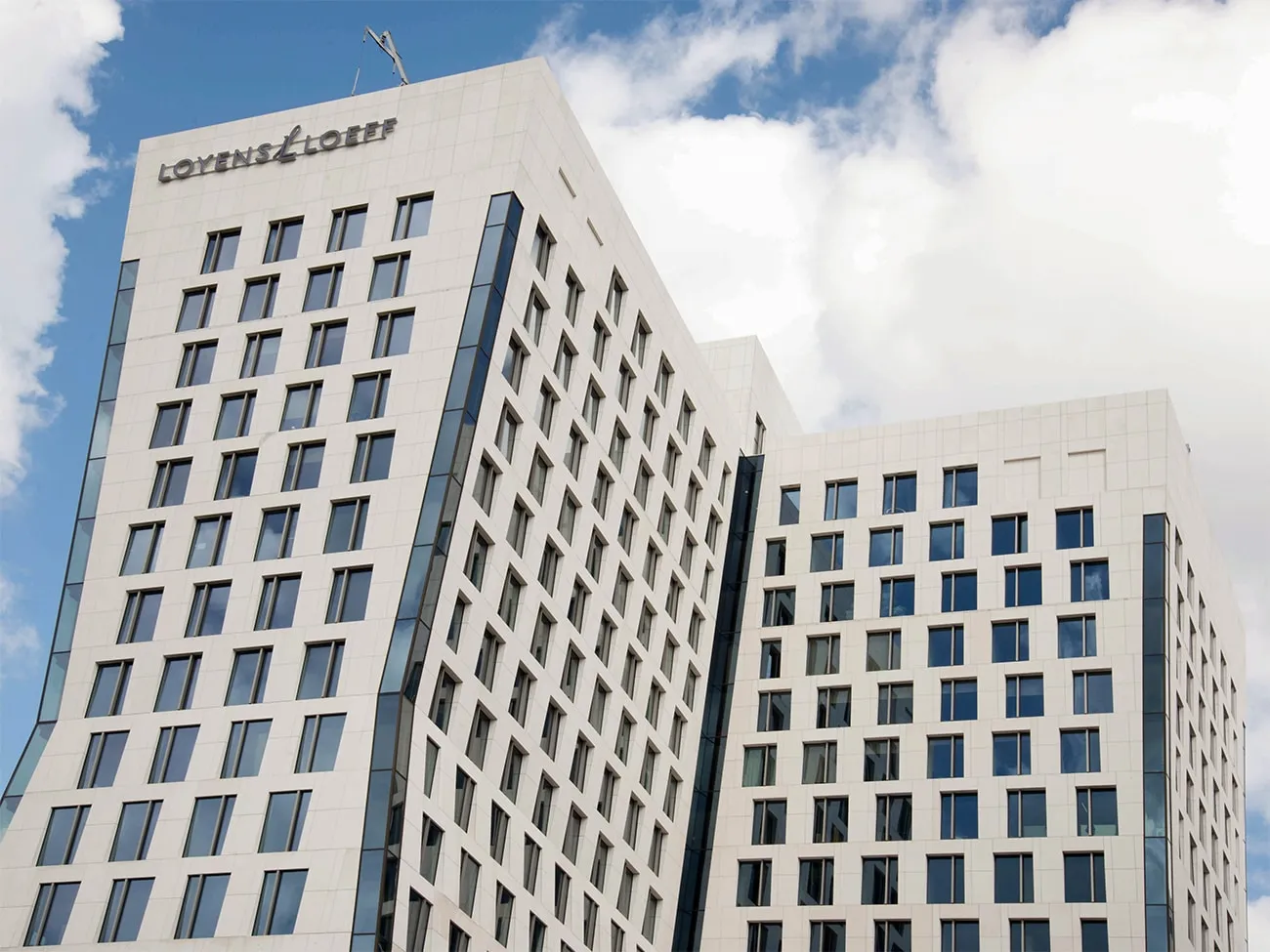
Let’s build a better future
Given the rapid changes in the office market brought about by the coronavirus pandemic, ensuring a comfortable workplace has become even more important. Motivated employees gradually returning to offices around the world are particularly sensitive to acoustic comfort, which needs to be addressed at the design stage. Responsible design and construction means not only seeking energy savings and building in harmony with the natural environment and the local conditions of the site, but also taking full account of end users’ needs and requirements. After all, they are the ones who spend a significant part of every working day in the building in question.
A business enquiry for Aluprof? Get in touch
Companies in this story
Keep following this
Get an email when a new story is published. No account needed.
- SubjectAcoustics
- CompanyAluprof