BAU 2025: how can we shape the future of our living environments?
Text and images BAU 2025
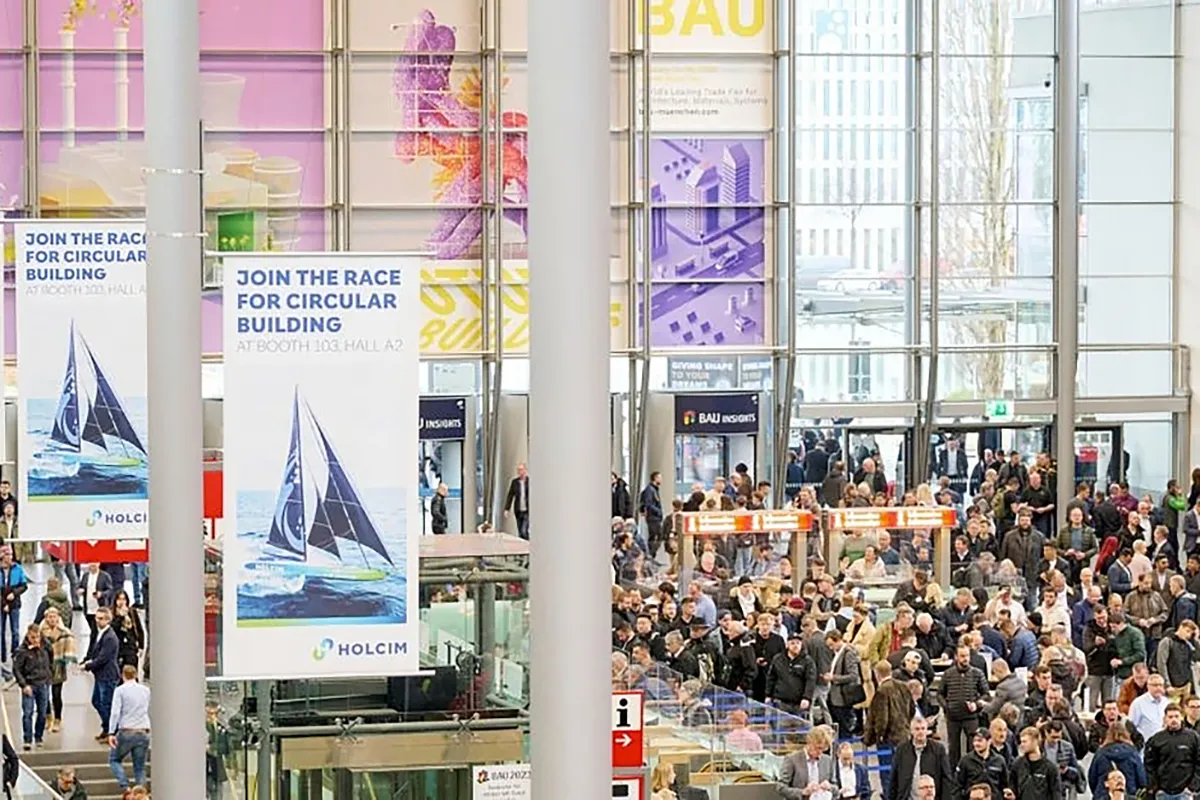
Statistically, 56% of the world’s population currently lives in cities, a figure expected to rise to 70% by 2050. The resulting social, economic and environmental challenges are already being felt. Demand for space and its use continue to grow, leading to conflicts between the objectives of different sectors. Thoughtful planning is therefore essential to prepare cities, rural areas and everything in between for the future. BAU 2025, taking place in Munich from 13 to 17 January 2025, will show what solutions are already available and where new approaches need to be developed.
Traditionally, urban and rural areas were defined by clear geographical and functional boundaries: cities as centres of population, industry and services, and the countryside as agricultural land. However, these boundaries are increasingly blurred, and the challenges facing cities, rural areas and the spaces in between are becoming more alike: from demographic change and the infrastructure and mobility required to sustainable spatial planning and the development of inner-city settlements.
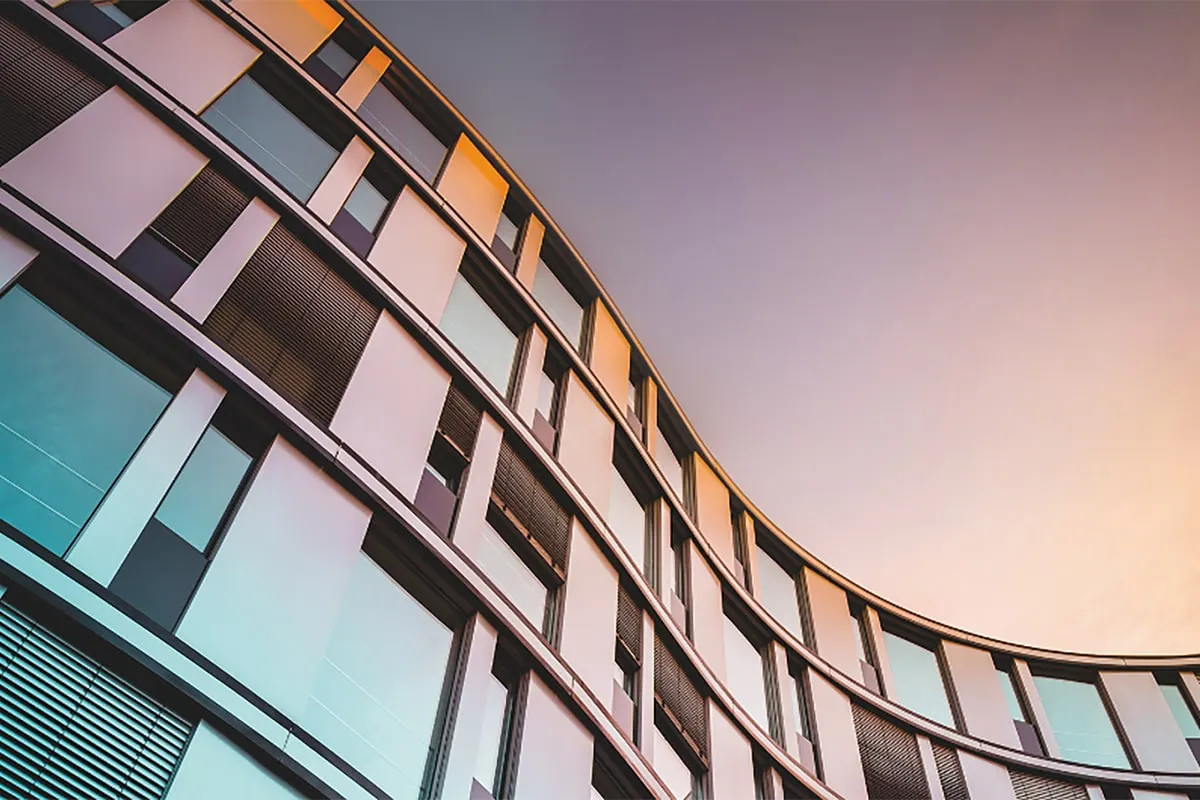
Spatial planning and development
Spatial planning and development are central to shaping our living environments sustainably. Their tasks range from sustainable land use, preventing soil sealing through settlement development, preserving cultural heritage and promoting social integration, to participatory planning processes that help secure public acceptance of measures. A key element is the development of the “New Leipzig Charter” as a policy document for national urban development policy. It addresses innovative and sustainable solutions in urban planning and district development across the three dimensions of a just, green and productive city. After all, digital transformation and changing demands in consumption and mobility require a new mix of production, work and living to create vibrant urban neighbourhoods.
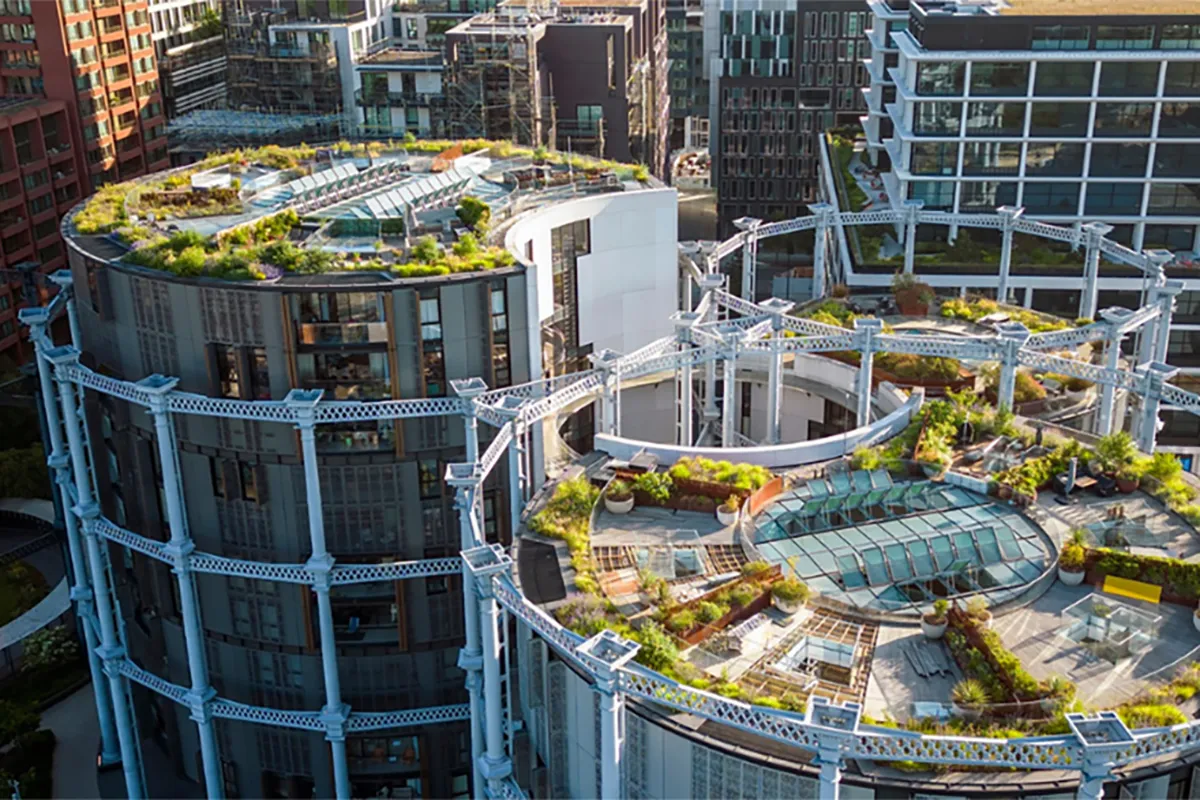
Affordable housing
Affordable housing is crucial to stabilising local communities and the economy. In areas under strong development pressure, converting other types of existing buildings, such as offices or hospitals, can be an effective way to create affordable homes and connect them to the existing neighbourhood through smart interventions. Another innovative approach is to create new forms of housing that foster a sense of community and openness. These projects explore new ways of living together and interacting through flexible, adaptable architecture. By extending their use beyond housing alone, existing structures are not only revitalised and put to use, but also serve as social meeting places that foster a sense of community.
Question about this story? Ask your question
Keep following this
Get an email when a new story is published. No account needed.
- SubjectEvents