Electric vehicle charge points in car parks: a special case
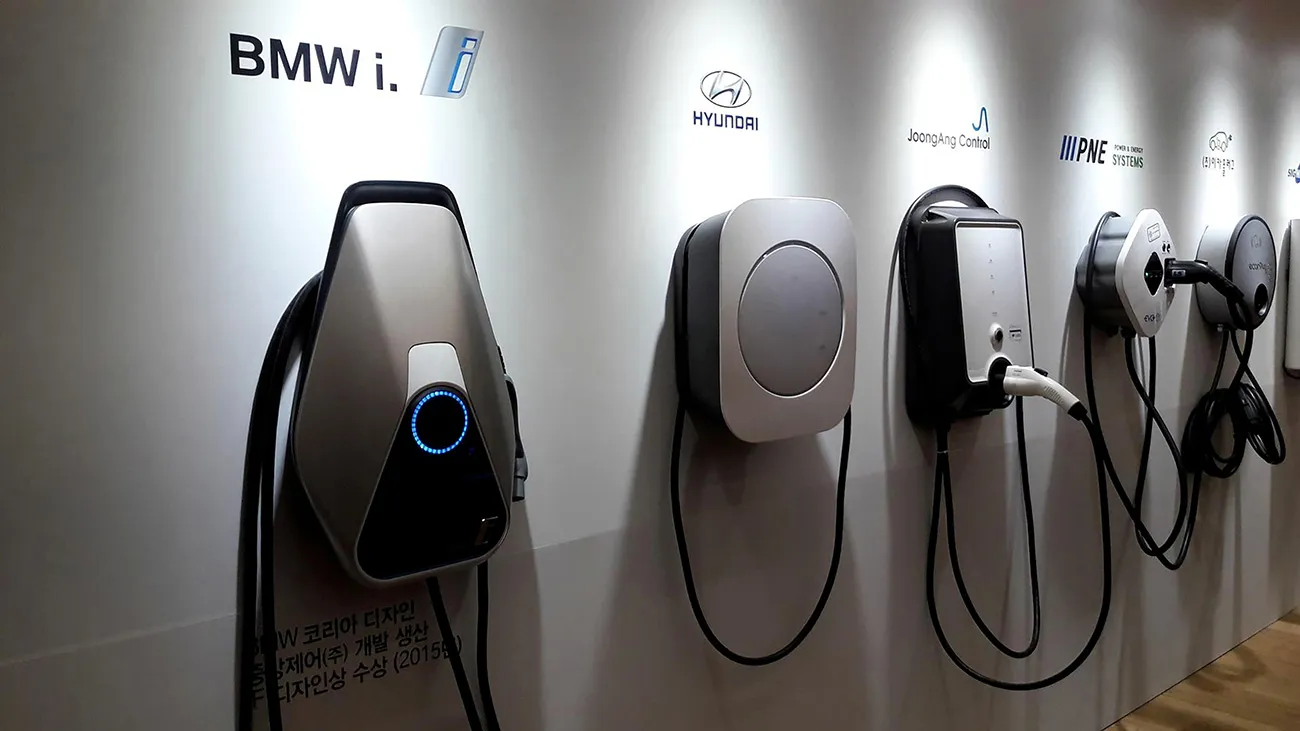
The electrification of Belgium’s vehicle fleet is progressing more slowly than expected, but electric vehicles are gradually becoming a more common sight on the roads. As a result, more and more charge points are being installed, including in car parks. However, many people are wondering whether this poses additional fire safety risks. As there is currently no legislation in place, for now we have to rely on ‘good practice guidelines’.
Noteworthy news in November last year: the phase-out of conventional combustion engines is being brought forward, with all new cars required to be fully electric from 2029. This was decided by the Flemish Government as part of its new climate agreement. The decision has major consequences, including for infrastructure. The number of charge points in Belgium is currently far too low to make this large-scale transition possible. As a result, no fewer than 150,000 new charge points will be needed by 2030. Car parks are among the locations being considered, as public spaces are generally not equipped to accommodate them, particularly in urban areas.
Closing a gap in legislation
It remains to be seen whether enough new charge points can be installed over the next eight years. There is still a long way to go, particularly when it comes to fire safety. As electric vehicles are a relatively recent phenomenon and the relevant responsibilities are divided between the Federal Public Service Home Affairs and the Federal Public Service Economy, the fire safety regulations for car parks do not yet
include any guidelines on charge points. As often happens, legislation is lagging behind practice. Fortunately, Fireforum, the non-profit association founded in 2009 to foster dialogue between the various stakeholders in the fire safety sector, wasted no time. It addressed this pressing issue by drawing up good practice guidelines, with the support of the High Council for Fire Safety. “This is how we are closing the gap in legislation. It is also an ideal way to build consensus across the sector and test the guidelines in practice, laying a solid foundation for the legislative framework. We have also added provisions covering the entire electrical chain through to the vehicle, as well as a section on fire detection,” says Fireforum, which makes the full good practice guidelines available on its website.
In new and existing car parks
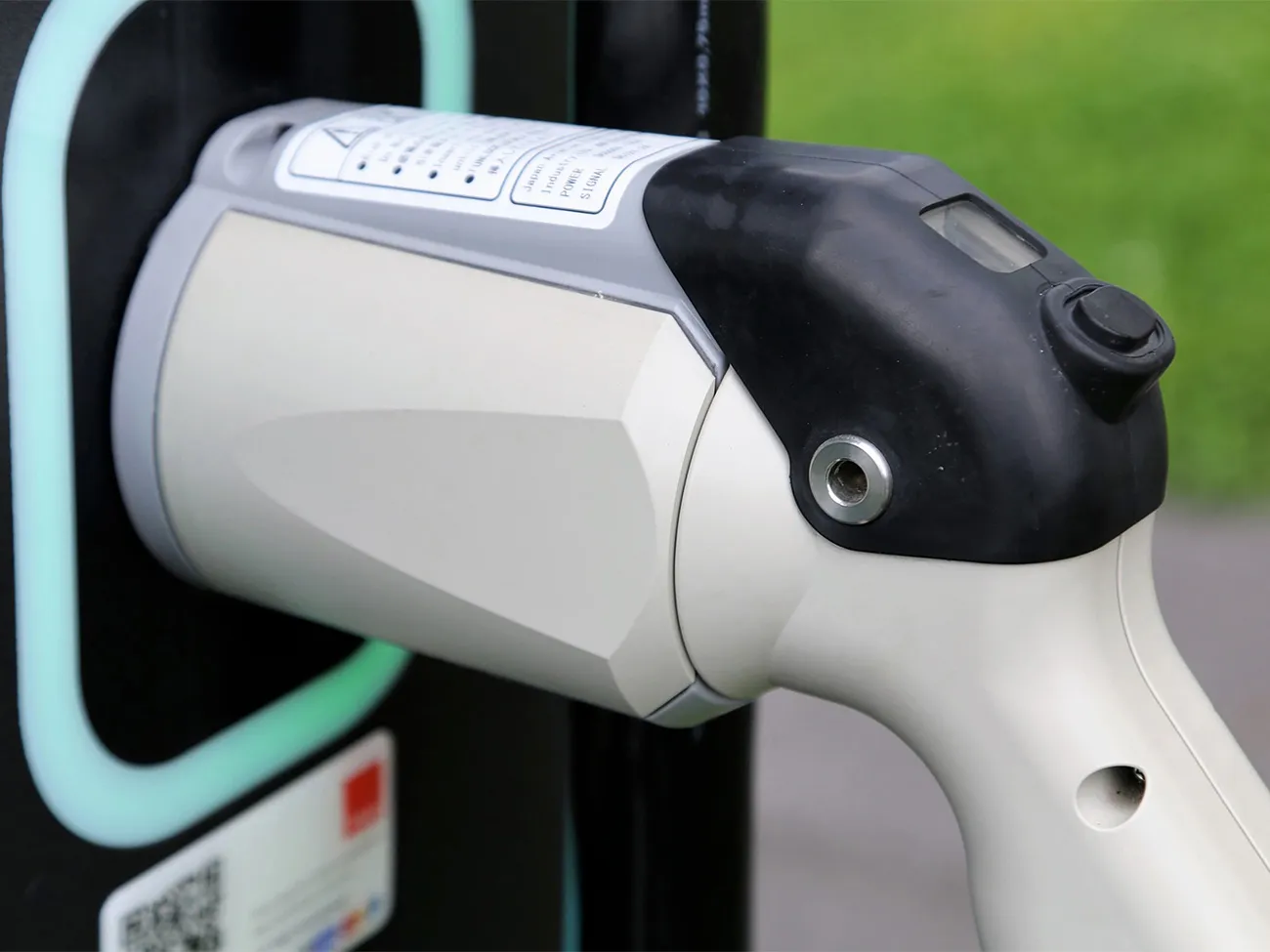
For new car parks, the good practice guidelines largely follow the new fire safety regulations. However, regional authorities are also encouraging the installation of charge points in existing car parks. “That is why we ask owners to first ensure that their car park complies with all applicable fire safety regulations before installing charge points. It may seem obvious, but that is not always the case,” Fireforum emphasises.
Whether charge points in car parks increase the risk of fire is a matter of debate. In any case, they must be installed by a certified installer, and protected against vehicle impact. Approved, undamaged charging cables must be used, and rapid fire detection must automatically switch off the charge points if necessary. A high-quality smoke and heat exhaust ventilation system (SHEVS), a sprinkler system and a fire-resistant partition separating the car park from the rest of the building or its surroundings are also required. It is also advisable to leave sufficient space between vehicles being charged, to avoid collisions. These measures can minimise both the risk of fire and its consequences. In conclusion, good practice guidelines provide a temporary solution and mean that, in principle, fire safety need not be an obstacle to installing charge points in car parks. Attention now turns to updated legislation and new technological developments, such as non-flammable or self-extinguishing batteries and car models with an inlet for fire extinguishing agents.
Question about this story? Ask your question
Keep following this
Get an email when a new story is published. No account needed.
- SubjectFire safety