Fiery wake-up calls highlight the importance of fire safety
Text Tim JanssensImage Wikimedia Commons, Pexels
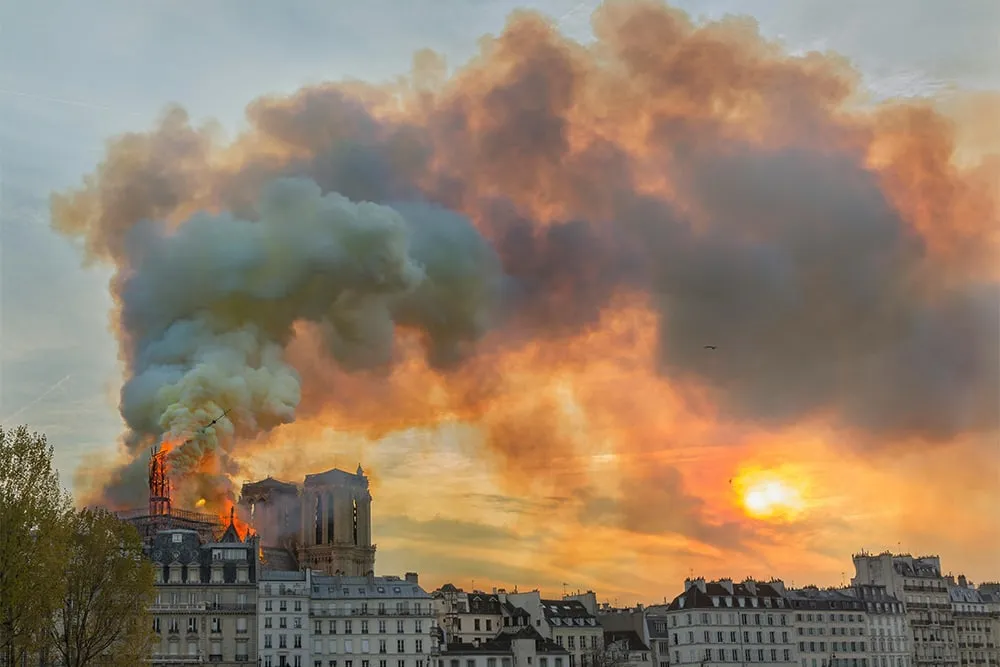
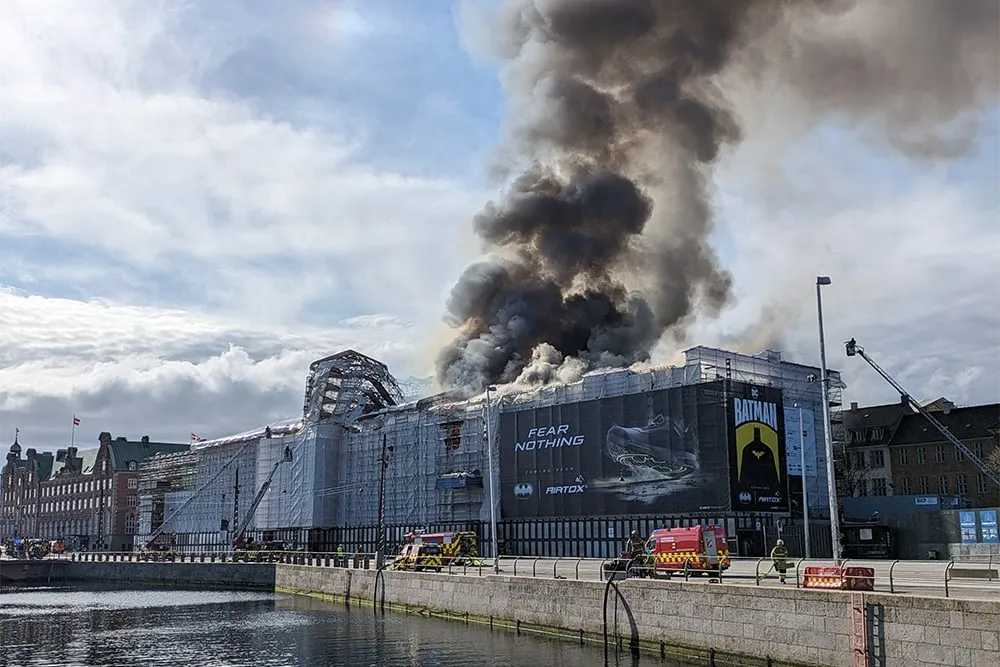
“Four hundred years of history have gone up in flames.” The fire that ravaged the historic stock exchange building in Copenhagen, the Danish capital, on 16 April bore a striking resemblance to the inferno that destroyed Notre-Dame in Paris, almost exactly five years earlier to the day. It may have seemed a distant concern to some, but fires have also broken out closer to home. Most recently, there were blazes at the former Muntcentrum in Brussels and SKY Tower Two in Ostend. The incidents were quickly brought under control, but they serve as a clear reminder that fire safety must remain a top priority and that vigilance is essential at all times and in all places, in both new-build and renovation projects …
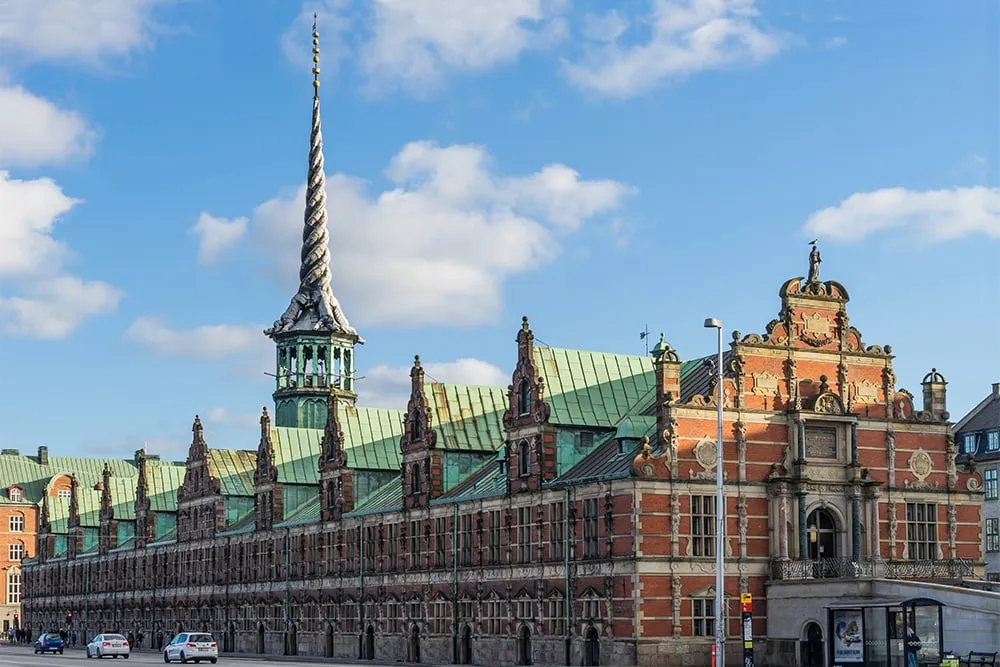
Disaster, catastrophe, tragedy …: no superlative could do justice to the fire in Copenhagen. “This is our Notre-Dame,” onlookers said fatalistically as they watched helplessly while the flames engulfed half of Copenhagen’s stock exchange building, one of the oldest buildings in the Danish capital. Much of the roof, the iconic dragon spire and the famous Great Hall did not survive, just as Notre-Dame lost most of its centuries-old roof structure and central spire. There is another striking similarity: both buildings were undergoing renovation or restoration at the time of the disaster …
Fire in Brussels
Was it a coincidence that the old stock exchange building was surrounded by protective plastic sheeting and metal scaffolding when the fire broke out? Or was there more to it? In a television interview, a Danish fire expert warned of the increased risk of fire during renovation work. It is an issue they know all too well in Brussels. On 30 April, two weeks after the inferno in Copenhagen, a fire broke out on the roof of the former Muntcentrum, which is due to become the multifunctional OXY building from 2027, to a design by Norwegian practice Snøhetta and Belgian firm Binst Architects. The plume of black smoke was visible from far away and caused considerable concern in the capital. Fortunately, the fire brigade arrived quickly and brought the fire under control relatively easily. The fire is believed to have started in an old ventilation unit.
Dry structures and older insulation materials
The fire in Brussels reignited the long-running debate about fire safety during renovation work. Dirk Van Kerckhove, director at Embuild Connect, was invited on Radio 1 to explain the risks. “Renovation work often takes place in older buildings, which frequently have very dry structures. Think, for example, of dry timber and wood dust that has accumulated at the base of a roof structure over decades or even centuries. As soon as an open flame gets near, there is a high risk of a fire starting. It can then spread very quickly.” According to Van Kerckhove, bird nests can also cause a major fire in the worst-case scenario, as can older insulation materials. “If they catch fire, burning droplets can form and fall downwards. They can also cause a fire that you cannot see straight away, for example inside a cavity wall. This allows the fire to spread through the building at tremendous speed, making it very difficult to extinguish.”
Preventing fire from spreading
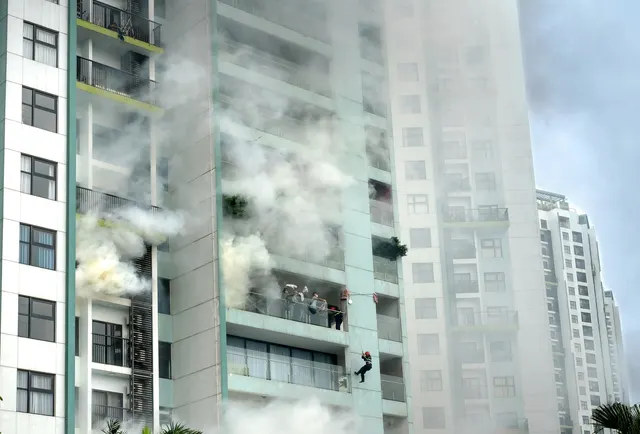
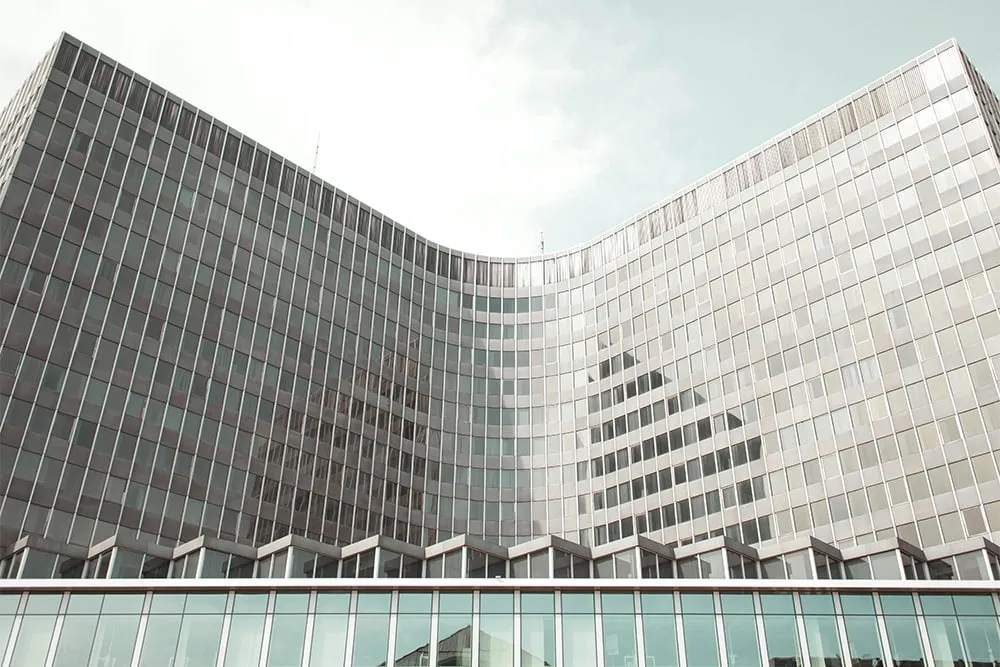
The dangers posed by older insulation materials were starkly illustrated on 11 March in Valencia, where a severe fire broke out in a high-rise apartment block, killing several people. “The façade insulation turned the building into a chimney. That is why the fire spread so quickly,” expert Juan Antonio de Diego told Spanish newspaper El Mundo. The devastating 2017 fire at London’s Grenfell Tower, which claimed no fewer than 72 lives, was immediately brought to mind. It was yet another stark wake-up call for the fire service and the construction sector. Fortunately, stricter requirements have been in force in our country since July 2022. “Today, you increasingly see insulation materials that are much less flammable or completely non-combustible. They are used, for example, to create fire compartments in façades and prevent fire from spreading,” says Dirk Van Kerckhove.
Precautions when carrying out roof work
But vigilance remains essential, not only during renovation work but also on new-build projects. This was demonstrated on 30 April in Ostend, where the ninth floor of SKY Tower Two, a luxury residential tower under construction, suddenly went up in flames. Once again, the fire was quickly brought under control and no one was injured, but the fact that the roofing on one of the terraces caught fire is cause for reflection. “There is always a certain level of risk when working with an open flame on a roof,” says Dirk Van Kerckhove. “Roofers know they need to be very careful, particularly for their own safety, and are trained to intervene quickly if necessary. Anyone working with an open flame on a roof must always have a fire extinguisher with them. The materials themselves are also evolving, with more and more self-adhesive products becoming available. This reduces the need to work with an open flame. However, it is sometimes still necessary, for example to dry the substrate to ensure that the vapour barrier adheres properly.”
Question about this story? Ask your question
Keep following this
Get an email when a new story is published. No account needed.
- SubjectFire safety