“Fire safety must be given greater prominence”
Text Tim JanssensImage Soudal
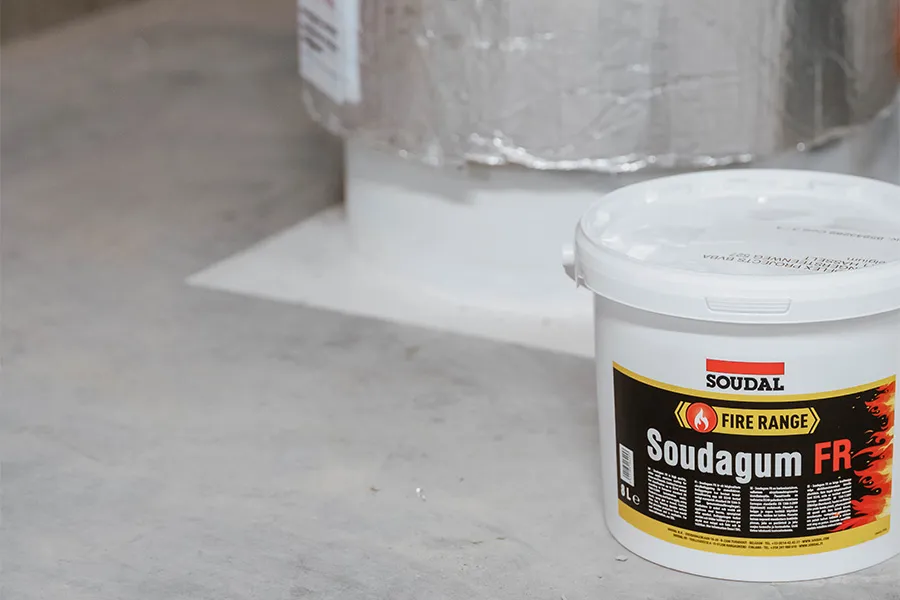
Fire safety is a complex subject. Fortunately, there are experts who can translate intricate theoretical guidelines into clear, practical recommendations, such as Koen Van Gasse, product manager at Soudal and, since November 2019, vice-chairman of the Passive Fire Protection Association (PFPA). “Fire safety is still treated as something of a poor relation. There are already many specialist construction companies in our country that know exactly what they are doing, but some professionals and businesses make mistakes because they lack knowledge. So it is up to us to provide them with enough information and keep spreading the word.”
Koen Van Gasse: “At Soudal, fire safety is a key priority, on a par with other areas of focus such as sustainability, energy efficiency, ease of use and installation … Whereas we used to operate mainly as a manufacturer of PU foam, adhesives and silicones, we are increasingly evolving into a solutions developer, with fire safety as an essential basic requirement. We need to keep our finger on the pulse and evolve with the market, so that owners and end users can make the most of the potential of our products.”
You also have a wide range of specialist products to help ensure fire safety in buildings.
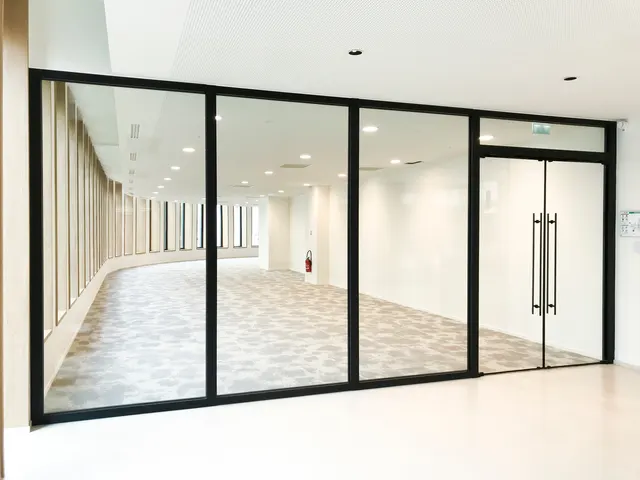
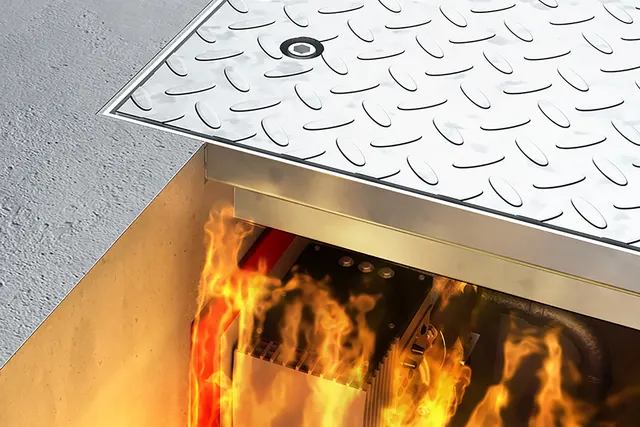
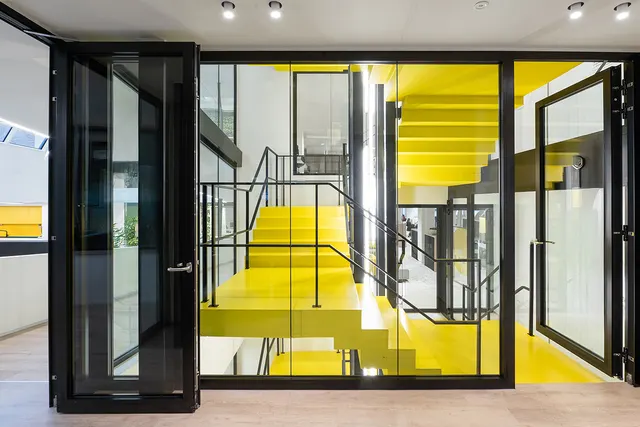
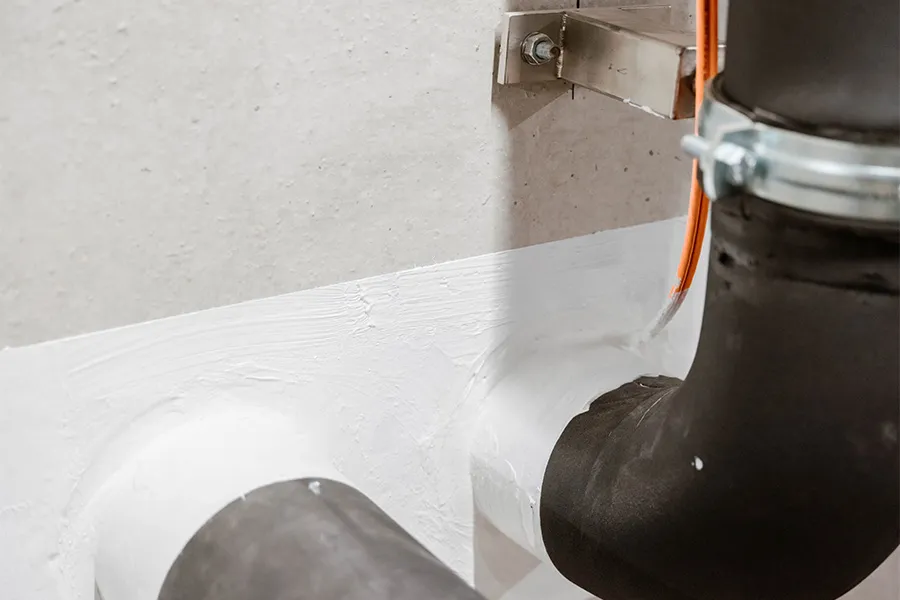
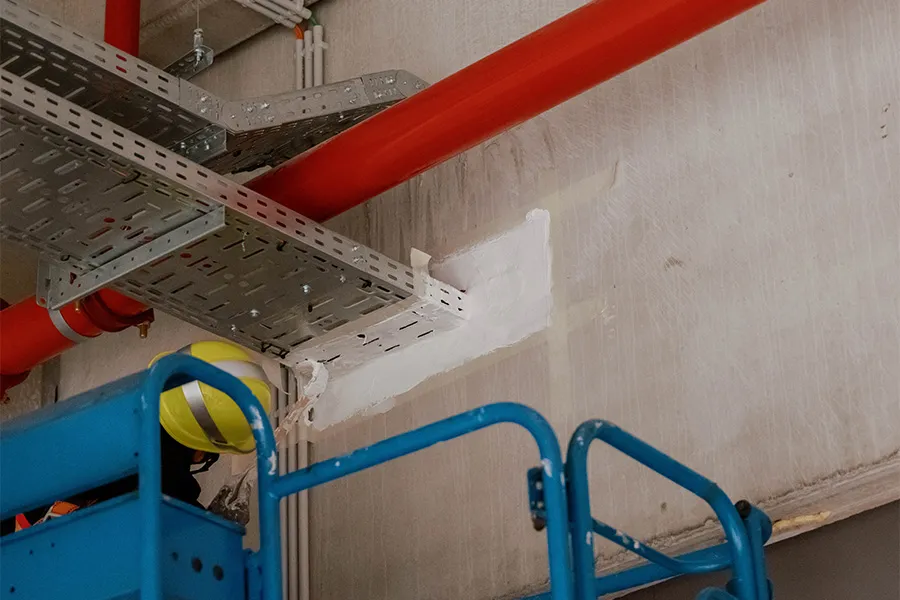
“Indeed. These include systems for installing and sealing fire-resistant windows and doors, fire-resistant sealing of connection joints and construction joints, and fire-stopping service penetrations … Our R&D department also devotes a great deal of attention to developing new, innovative applications. This is to ensure there are no weak spots through which a fire could spread to other compartments. This can save lives as well as limit economic damage. So it is in everyone’s interests to use compliant products.”
Speaking of compliance, is the sector generally well informed about the regulations?
“It is, and will remain, a work in progress. There are already many specialist companies in our country that know exactly what they are doing, but some professionals and businesses make mistakes because they lack knowledge. Passive fire protection can be overlooked both during the design phase and during construction. Thanks to the excellent work of the fire service and other inspection bodies, contractors are fortunately becoming increasingly aware of the issue. It is not always a matter of bad faith, either, but often simply a lack of knowledge. Tradespeople who have been working in the same way for thirty years and are suddenly reprimanded because the legislation has changed without their knowledge: that still happens from time to time. So it is up to us to provide them with enough information and keep spreading the word.”
By now, surely everyone realises that fire safety is literally and figuratively a matter of life and death?
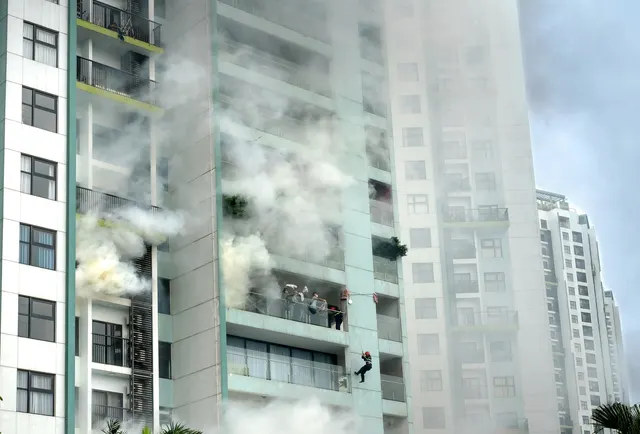
“Yes, but despite this, we still find that fire safety is treated as something of a poor relation. The sad thing is that something serious always has to happen before action is taken. Take the fire at London’s Grenfell Tower, which once again woke the whole world up and led to additional measures to improve the fire safety of façades. That is why, through the PFPA, we continue to promote fire-safe buildings proactively and constantly consider how buildings in Belgium can meet higher fire safety requirements. I would also like to make a heartfelt appeal to our education system: give fire safety greater prominence when training our future architects, engineers and contractors. If newcomers to the construction sector are already familiar with the most important basic rules, we will not have to plug the gaps later.”
What are the main current and future challenges in fire safety?
“First and foremost, it is and will remain a complex subject. Airtightness can be measured with a blower door test, but you cannot exactly set a building on fire to find out how fire-safe it is. It is a puzzle made up of all sorts of different pieces, each of which has to fit perfectly. The associated price tag has also risen exponentially, since ever greater efforts are naturally needed to meet increasingly stringent regulations. This presents an additional challenge in the context of the public debate on affordable housing. As a manufacturer, we are in favour of stricter regulations, but they do need to remain practically achievable and have broad support, including financially. Cutting corners and making savings on fire safety simply cannot be the aim. The electrification of motor vehicles is another challenging issue. Fire safety in underground car parks will become a hot topic, as the current infrastructure is not designed for it.”
Finally, a question about Soudal: as a thriving Belgian company, you are a household name in the sector, but is that also true when it comes to fire safety?
“Overall, our brand awareness is good. Our name is now well established, particularly in construction and among DIY enthusiasts. For people less familiar with our core business, it is sometimes less clear exactly what we do, although this has improved significantly in recent years, partly because we are active as a cycling sponsor. We can see that this is paying off, although people do not always immediately associate us with fire-safe applications. We will therefore continue to give this the attention it deserves in the years ahead. The fact that we strongly believe in our products and have complete confidence in their quality and performance is demonstrated at Plant 5, our state-of-the-art, fully automated production site in Turnhout, which has a BREEAM Outstanding certificate. We have used all our fire safety products and systems there ourselves. That is quite a calling card!”
Een zakelijke vraag aan Soudal? Get in touch
Companies in this story
Keep following this
Get an email when a new story is published. No account needed.
- SubjectFire safety
- CompanySoudal