How to make heating water comply with VDI 2035
Text and images Spirotech
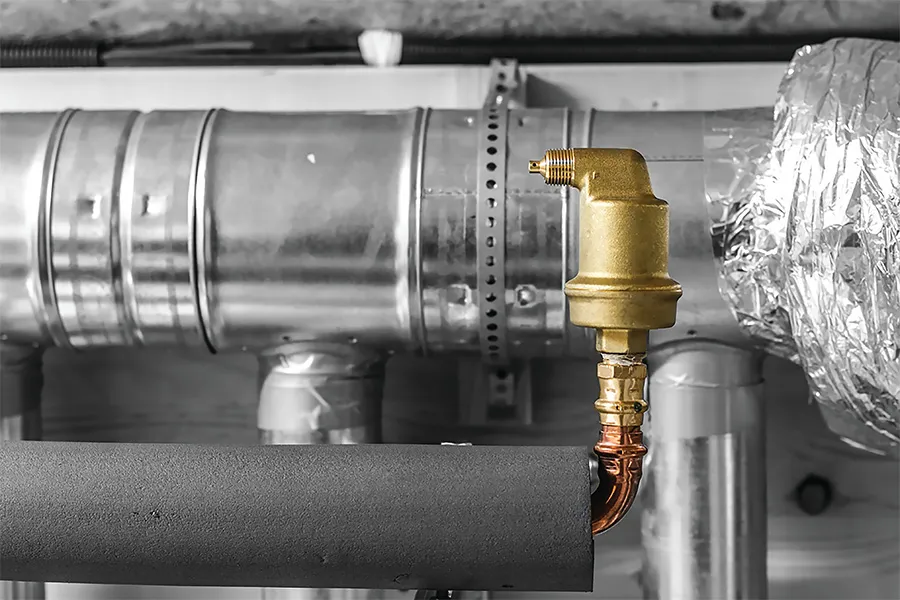
Today’s energy-efficient heating systems require good system water quality. Small, compact heat exchangers are more susceptible to hardness, while efficient pumps and valves are more sensitive to dirt. Aluminium alloys require the correct pH level, and modern installation materials call for a different approach to corrosion protection, preferably without chemicals.
VDI 2035 is a guideline for the design, installation, filling and maintenance of heating systems (< 100°C) in buildings, excluding systems that use antifreeze agents such as glycol. The recommendations in VDI 2035 relate not only to water quality, but also aim to prevent two main causes of damage: scale deposits and water-side corrosion.
Preventing scale deposits and corrosion
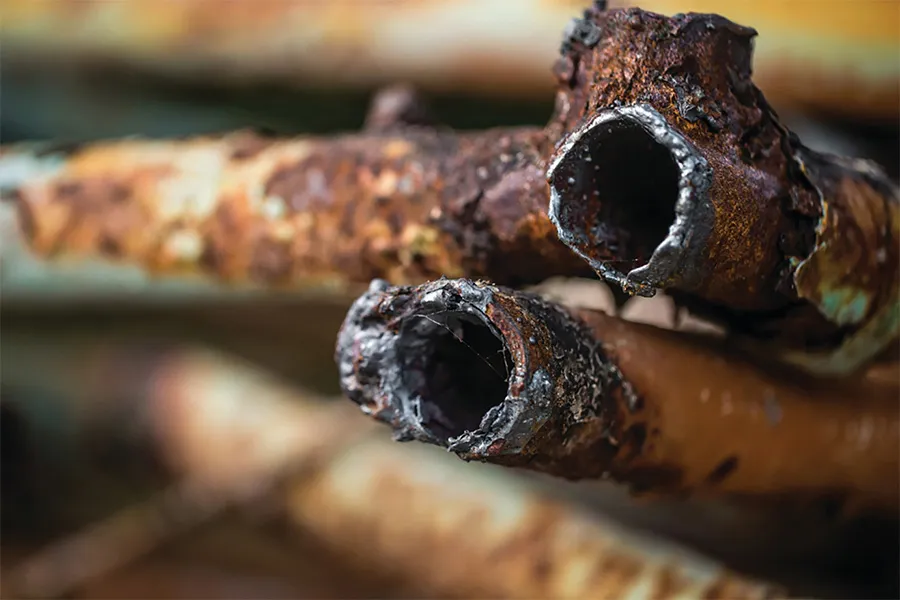
Scale deposits reduce heat transfer, resulting in lower heat output, higher energy costs and, in extreme cases, damage caused by overheating and stress cracking in heat exchangers. Scale forms mainly in the hottest part of the heating system: the boiler heat exchanger. To reduce water hardness and prevent scale deposits, the filling and make-up water must be softened or demineralised.
Water hardness mainly affects the risk of scale deposits. Corrosion is another very important factor and the main cause of faults and damage in heating systems. Key parameters that affect corrosion in heating water include conductivity (low conductivity can reduce the risk of metal corrosion), pH level (a pH below 7.5 indicates an increased risk of corrosion), oxygen content (reduce or prevent the continuous ingress of oxygen into the system), gas bubbles and pockets (venting and degassing heating systems, see VDI 4708-2), and microbiology (avoid biofilms by limiting the ‘food’ available to microorganisms, through plastic pipes or certain types of corrosion inhibitor).
Pressure maintenance and chemical conditioning
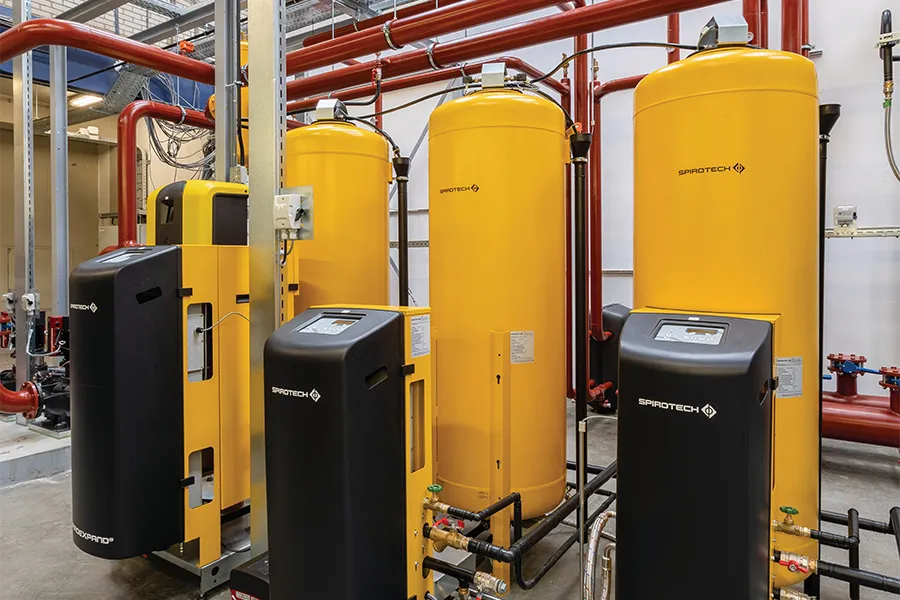
VDI 2035 clearly states that pressure maintenance can have a significant effect on corrosion in the heating system. Correctly designing pressure maintenance in an installation ensures positive pressure throughout the system and prevents uncontrolled oxygen ingress. A correctly designed pressure maintenance system also prevents regular water loss through the safety valve. This removes the need to top up with fresh, oxygen-rich water. Further information on pressure maintenance is provided in VDI 4708-1.
According to VDI 2035, chemicals should only be used when all other measures have proved unsuccessful. Their use requires expertise, knowledge and adequate monitoring equipment. Too much or too little chemical treatment can do more harm than good. Interactions with the materials used in the installation must be considered, as must the interdependencies between different chemicals. Regular inspections and follow-up measures must also be ensured. Common chemical treatments include hardness stabilisers, corrosion inhibitors, oxygen scavenger pumps, electrochemical oxygen binding, alkalisation and antifreeze agents.
A comprehensive range of products and services
As a family-owned business with more than sixty years’ experience developing solutions to remove and prevent the build-up of air and dirt in heating and cooling systems, Spirotech offers a comprehensive range of products and services to help meet VDI 2035. Spirotech products save energy, increase comfort, prevent wear and maximise service life.
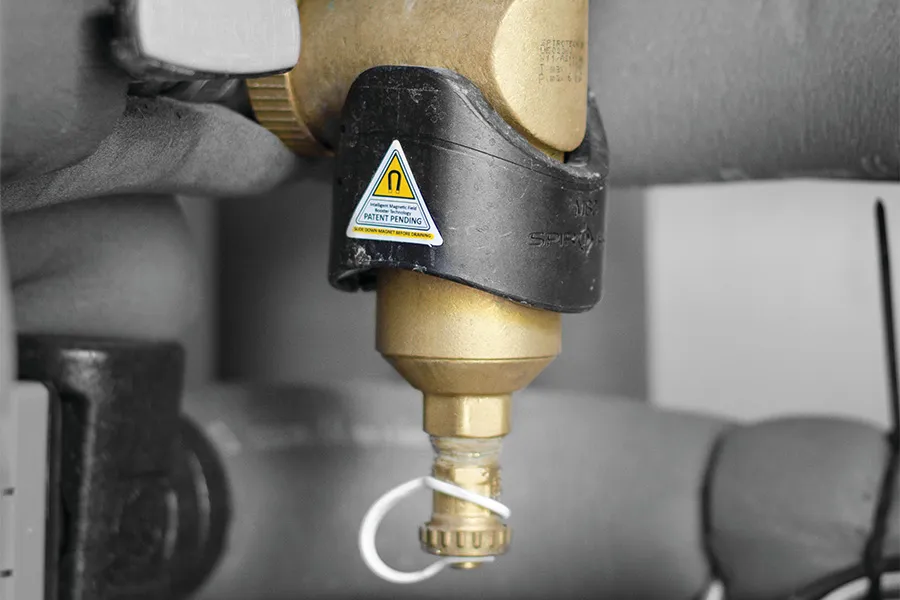
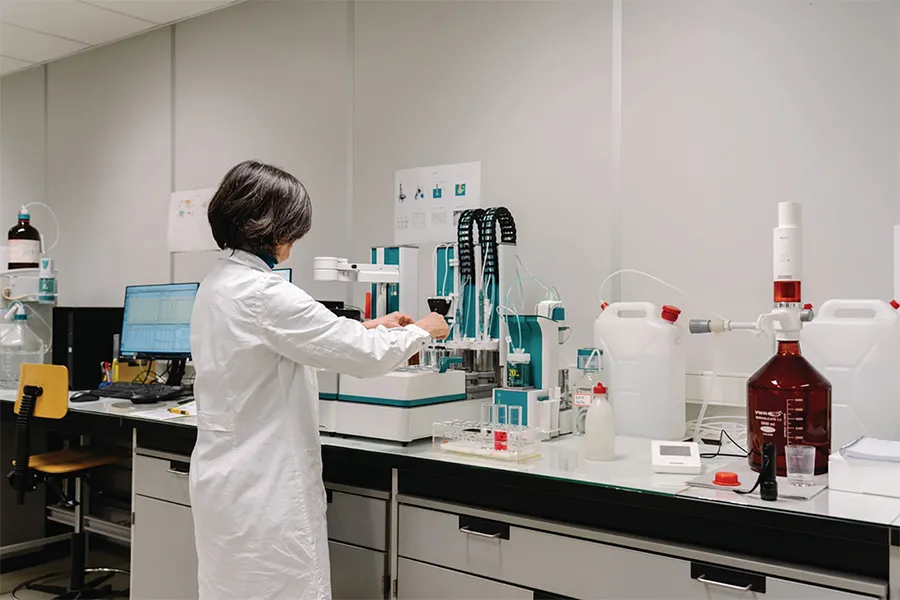
With SpiroCare, Spirotech and ProLab offer an easy-to-use water sampling and analysis service. SpiroPlus flushing agents and additives are designed to bring system water and the installation itself into top condition and keep them there. SpiroExpand automatically monitors and controls pressure. SpiroPure filling and top-up systems use a special resin that removes not only residual hardness and dissolved salts from the heating water, but also stabilises its pH level. Automatic SpiroTop high-speed air vents quickly and effectively remove free air and ensure reliable venting when an installation is drained. SpiroTrap MB3/MBL/Magnet provides fast and efficient (magnetic) dirt separation and removal, which is essential for controlling costs and saving energy. SpiroVent microbubble air separators remove the microbubbles and circulating air left behind by automatic air vents or after air release valves. Finally, SpiroVent Superior is a fully automatic vacuum degasser for heating, cooling and process installations.
Een zakelijke vraag aan Spirotech België? Get in touch
Companies in this story
Keep following this
Get an email when a new story is published. No account needed.
- SubjectHVAC
- CompanySpirotech België