Smart buildings: where do we stand today?
Text Tim JanssensImage Kurt Van Strijthem
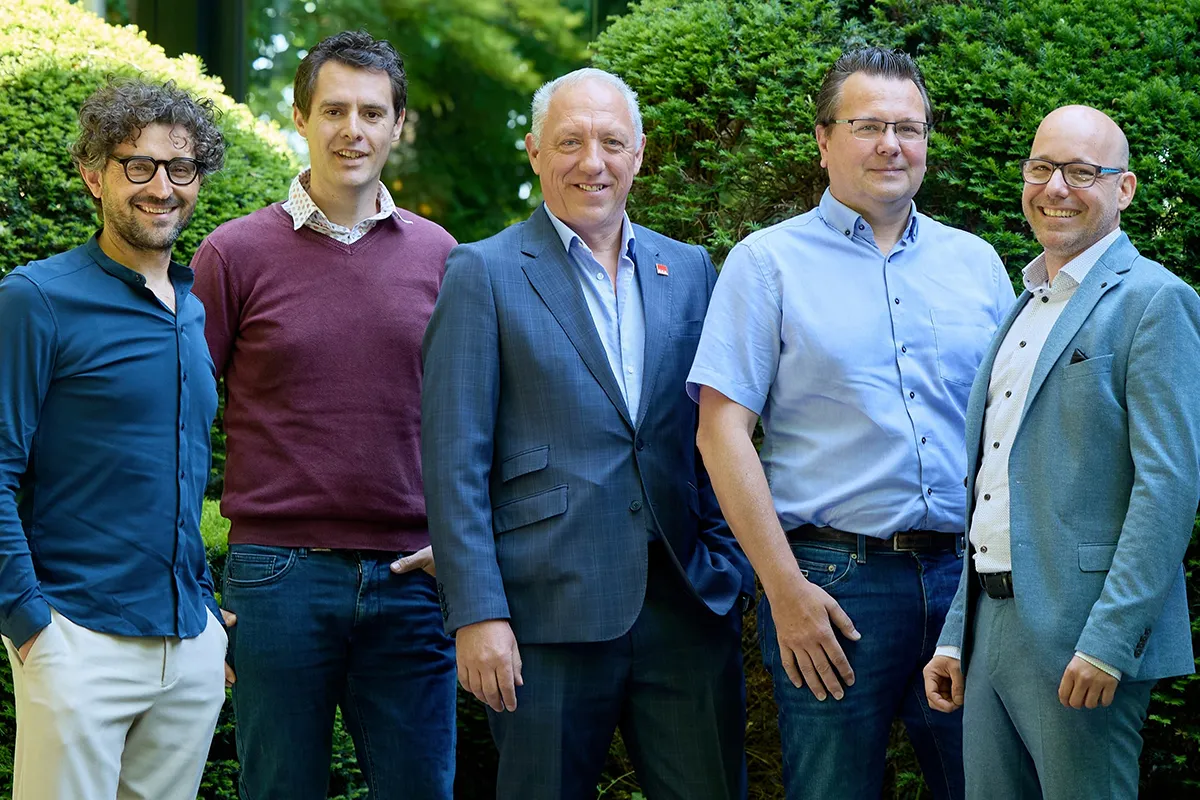
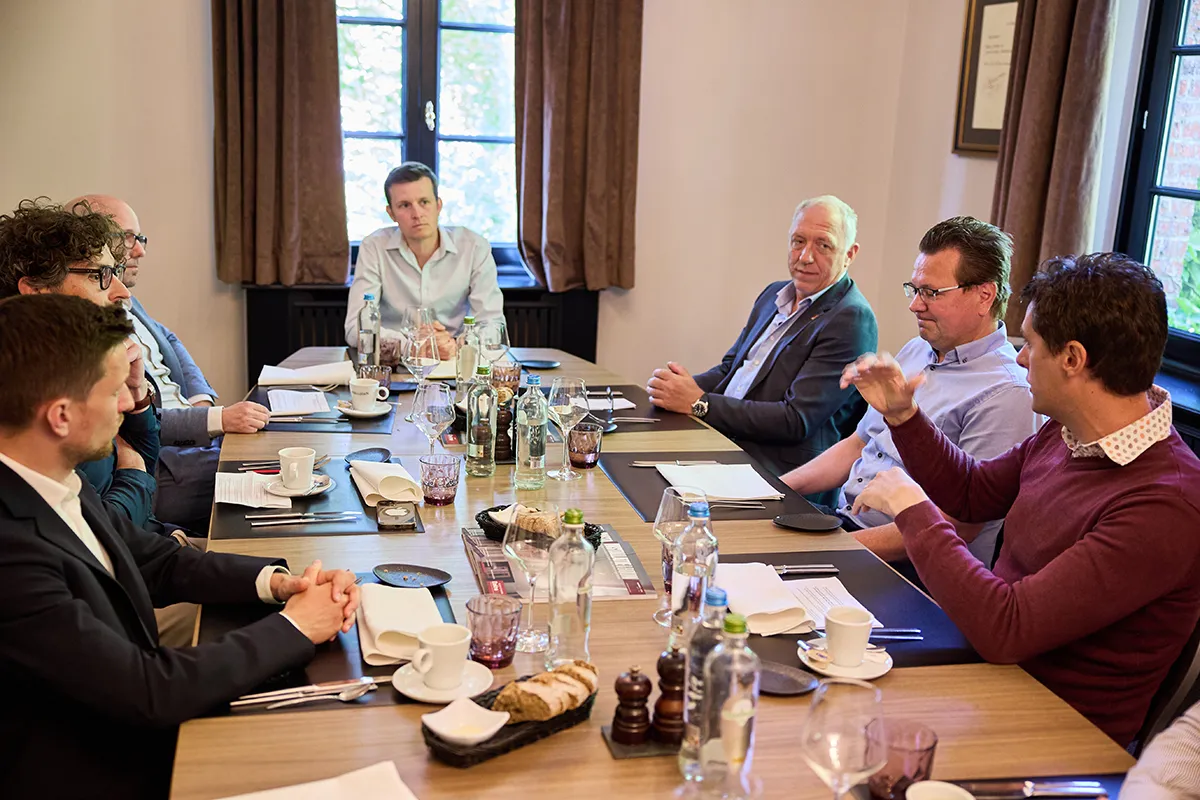
Smart buildings: everyone in the construction and building services sector is talking about them these days. Yet it is not always easy to see the wood for the trees. Where does connected end and smart begin? Can most new buildings rightly be called smart? Or is there untapped potential? Sister publication Installatie & Bouw sought answers together with several industry experts.
What does a building need to do to earn the label ‘smart building’? That was the first question put to the round-table participants. “The key is to coordinate different technologies and how they work together. It is important to have shared components that can combine certain controls,” says Kristof Van Gorp (Rexel Belgium). Johan Vercammen (Wygwam, a division of Niko NV) stresses that, alongside connecting the technologies, there must also be interaction with the user. “Both energy efficiency and comfort need to be maximised, particularly through the implementation of user-friendly, easy-to-maintain platforms based on open standards,” adds Alexander Hermans (Beckhoff Automation Belgium).
The move towards open standards
The importance of open standards was a recurring topic during the debate. “Under the EPBD IV regulations, closed protocols will no longer be an option from 2026. This is a very good thing, because that is partly what distinguishes connected from smart,” says Paul van Hinsberg (B.E.G. Belgium). Open standards make it possible to respond quickly if problems arise, without being overly dependent on the party that originally installed everything. “Moreover, the new European legislation means that purely energy-related measures, such as improved insulation, will no longer be enough for property developers to bring a building into compliance. Integrating building systems, along with all the functional requirements that entails, will be an absolute must,” predicts Philippe Kygnée (WAGO BeLux).
Belgian property development market
Can most new buildings rightly be called smart? Or is there still plenty of untapped potential? Paul van Hinsberg points to regional differences in the non-residential sector. “Brussels is leading the way. Everything being built there now, often older office buildings undergoing a major upgrade and/or being given a new purpose, can be labelled ‘smart’.” Philippe Kygnée, however, questions just how smart ‘smart’ really is. “In the Belgian property development market, it remains difficult to take a long-term view. Property developers tend to focus on the cost per square metre rather than the total cost of ownership. They are far less interested in the gains to be made after installation through smart building management. Smart building applications are much more likely in projects where the client remains the owner.” Alexander Hermans points out that the parties responsible for integrating the building systems should be involved at an early stage. “That means when engineering firms are drawing up the specifications. This allows them to consider how to future-proof new buildings, so that maintenance remains straightforward years later and any new technological innovations can be easily implemented in the future.”
The rise of full-service contractors
Another interesting topic raised was the changing role of installers. “They used to work purely as contractors; today, they are broadening their expertise and helping lay the foundations for fully fledged smart buildings. In the non-residential market, most integrators have by now been absorbed into large building services companies, which are trying to bring all the expertise needed to make a building smart in-house. Given the technical complexity of smart building projects, this is a huge advantage for clients.” Kristof Van Gorp and Johan Vercammen have also noticed the strong rise of ‘full-service contractors’. “Since everything is organised into different disciplines (HVAC, electricity, energy supply, etc.) and engineering firms base their specifications on that structure, it takes considerable effort to overcome those traditional boundaries,” says Philippe Kygnée. “At the same time, more and more is expected of buildings, including flexibility for the future. Companies that ensure the technology they install can be easily reprogrammed and reconfigured, with any changes immediately carried over to the higher-level system, will always have an edge.”
Question about this story? Ask your question
Keep following this
Get an email when a new story is published. No account needed.
- SubjectSmart building