The world’s smartest building, ten years on
Text Tim JanssensImage Jeroen P.M. Meijer, Flickr, Wikimedia Commons
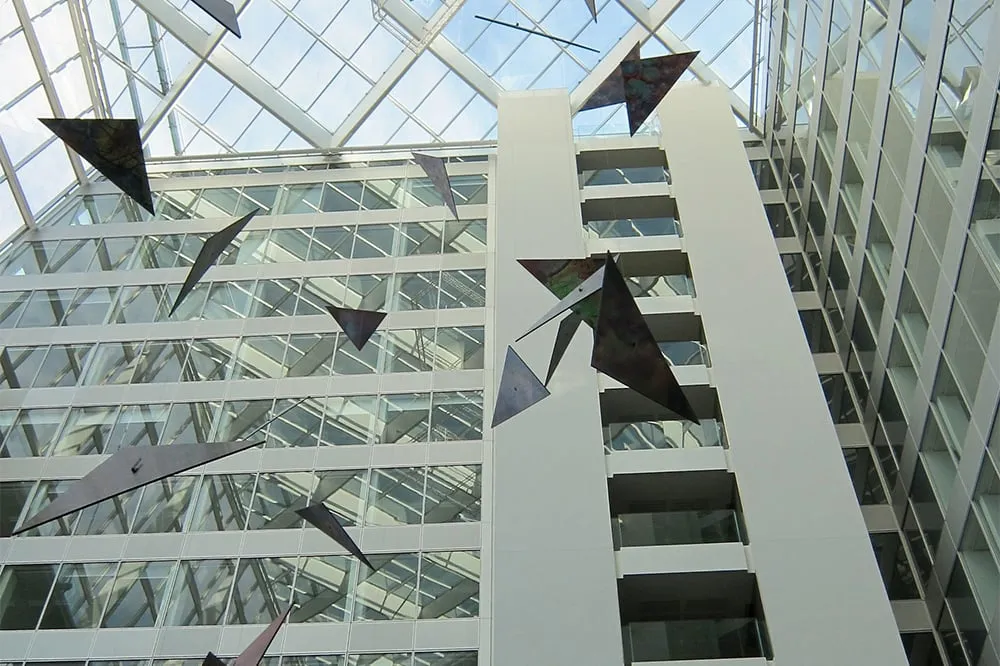
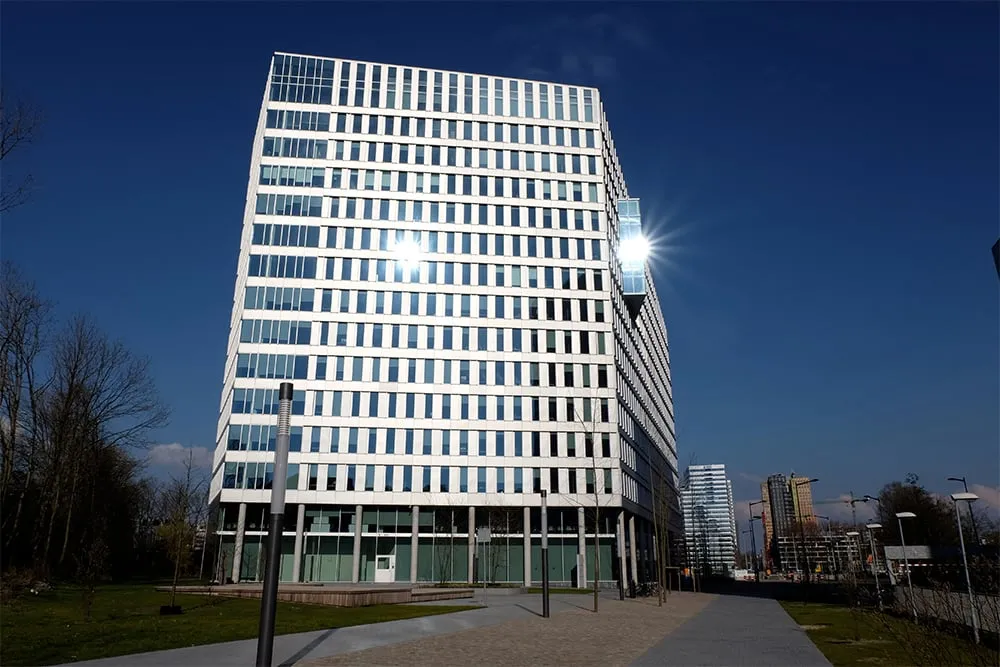
Exactly a decade ago, in 2014, ‘The Edge’ was completed in Amsterdam’s bustling business district. This imposing building not only reshaped the skyline of the Dutch capital, but also set a new standard for creating cutting-edge office environments around the world. In 2024, it remains the blueprint for what a truly ‘smart building’ should be …
Not just an office building, but a masterpiece of smart sustainability: that is The Edge in a nutshell. The innovative design by PLP Architecture, commissioned by OVG Real Estate, is more than a shot in the dark. This architectural landmark on Amsterdam’s Zuidas achieved BREEAM Outstanding certification with an outstanding score of 98.36% and uses advanced technologies that impress not only in terms of energy efficiency, but also connectivity, digital functionality and IoT applications. Employees of consultancy Deloitte, the building’s main tenant, have therefore enjoyed a completely unique user experience for ten years.
Flexible working, powered by digital ingenuity
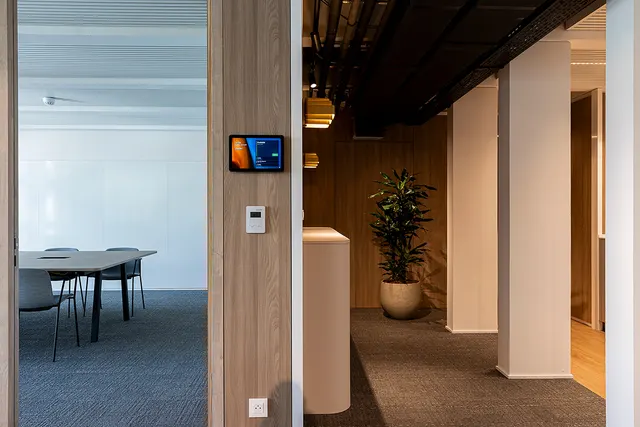
It is now commonplace, but in 2014 it still seemed decidedly science-fictional: a smartphone app that monitors all manner of things and automatically sets numerous building parameters according to individual preferences. In combination with the building management systems, it records Deloitte employees’ schedules, directs them to an available parking space using number plate recognition when they arrive, finds a desk or room suited to their work schedule (a seated desk, standing desk, meeting room, quiet room …), and automatically adjusts the light intensity and temperature there … “A large part of the building is not laid out as conventional fixed workstations, but designed as a meeting space,” says Ron Bakker of PLP Architecture. This encourages social interaction between occupants and promotes efficient use of space. To put this into perspective, the 2,500 Deloitte employees share a thousand desks, all fitted as standard with wireless chargers. ‘Flexible working’ avant la lettre, with a generous dose of digital ingenuity. They could project what was on their smartphones and laptops onto giant flatscreens long before Chromecast became widespread.
Outstanding connectivity
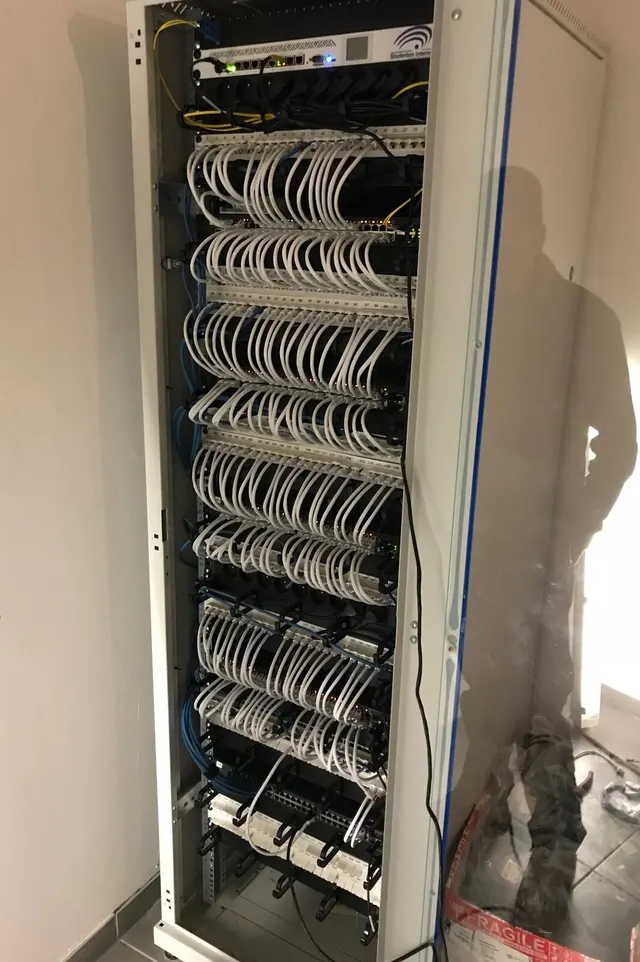
What gets measured gets managed. This certainly applies to The Edge. No fewer than 28,000 sensors are built into this true smart building. These include sensors embedded in the ultra-efficient LED panels, which Philips developed specially for the project and which use so little power that they can be supplied through the same cables as the internet. By detecting movement, light, temperature, humidity and infrared radiation, they create a digital network that can rightly be called the building’s brain. Central dashboards track everything, from energy consumption to when the coffee machines need refilling. On days when fewer employees are expected, an entire department can even be closed to reduce energy and maintenance costs, while cleaning schedules are also adjusted according to occupancy and activity levels in different zones. “We want to position ourselves as the Uber of buildings,” said Coen van Oostrom, CEO of OVG Real Estate, a few years ago. “We connect them and make them more efficient, ultimately meaning that fewer buildings will be needed worldwide.”
Investment fully recouped
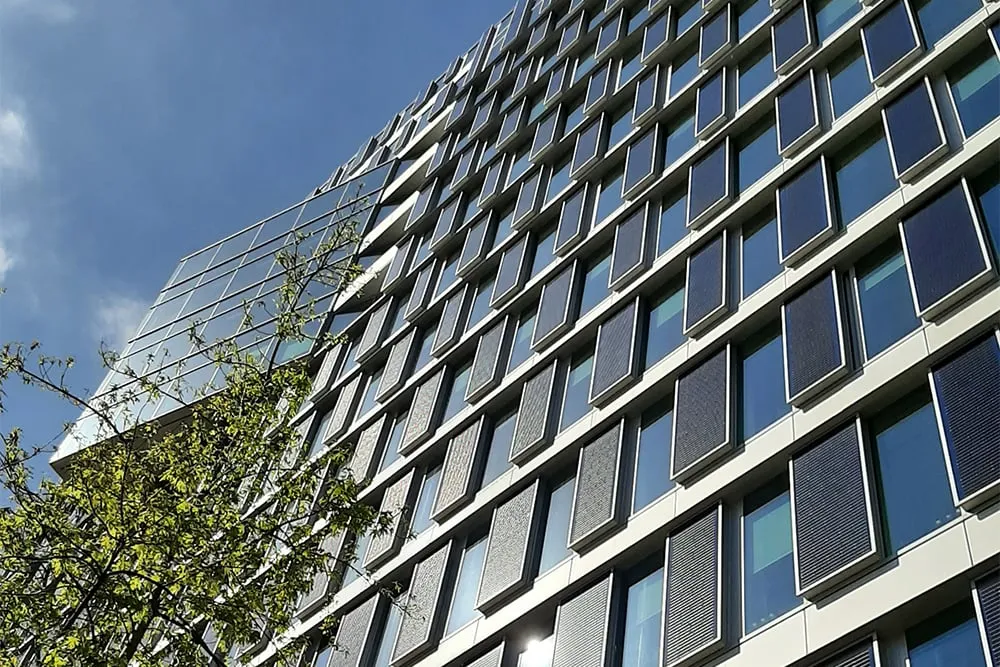
The architectural centrepiece of The Edge is undoubtedly its fifteen-storey atrium. It is also at the heart of the sophisticated solar energy system on the south façade and roof, which generates more green electricity than the building consumes. Some fitness machines are even connected directly to the electricity grid, allowing employees who work out to feed their energy literally back into their surroundings. A BEO field, highly revolutionary ten years ago, also provides geothermal heating and cooling, with smart thermostats automatically adjusting the temperature according to the number of people in a particular zone or room. Deloitte considered any building systems or technologies with a payback period of less than ten years worth trying. In other words, The Edge should now be generating pure profit. It is still regarded worldwide as the pioneering project in smart building technology and the benchmark for cutting-edge office developments, where technical expertise, sustainability and flexibility come together in the best possible way.
Question about this story? Ask your question
Who worked on it
The Edge in Amsterdam
- architectPLP Architecture
- ledpanelenPhilips
Keep following this
Get an email when a new story is published. No account needed.
- ProjectThe Edge
- SubjectSmart building
- CompanyPLP Architecture
- CompanyPhilips