How AI will radically change the construction process of the future
Text Tim JanssensImage Adobe Stock
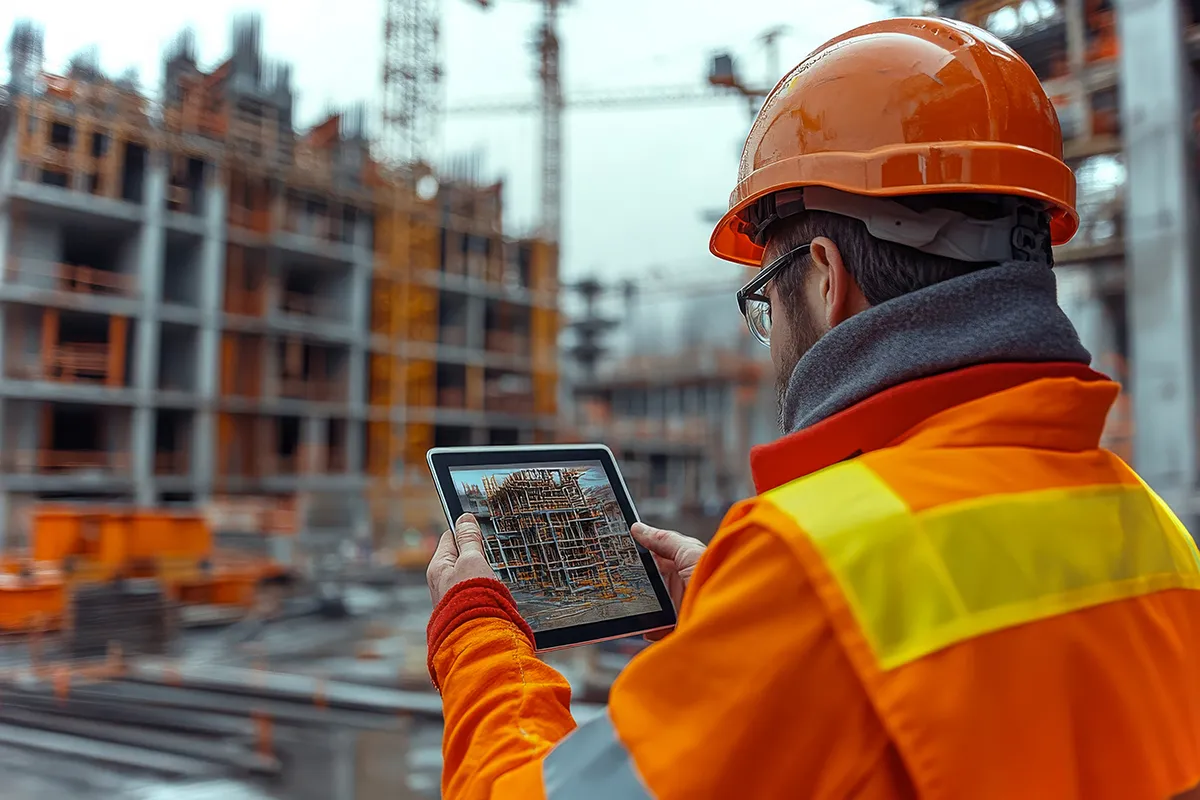
Artificial intelligence: these days, it is the buzzword above all others, both in the construction sector and in society at large. To help construction professionals navigate the seemingly endless world of AI, Buildwise and EY-Parthenon have devoted an Innovation Paper to this fascinating, yet still highly complex, subject for many. Here, we offer a glimpse of what it has to say by picking out a few highlights. One thing is certain: over the next five years, AI will have a huge impact on every part of the construction process …
Administrative management
First of all, artificial intelligence can play an important role in supporting administrative work across the wider construction sector (engineering consultancies, the supply industry, contractors, facility managers, and so on). At a basic level, AI can be used for routine administrative tasks, such as sorting emails, generating automatic replies and scheduling appointments. More advanced processes can also be streamlined using AI, including text analysis, the review of legal documents, contract management (for example, detecting discrepancies, missing clauses or compliance-related risks) and invoicing (for example, automatically checking invoices against orders and budgets). This can help optimise project planning and the management of resources, stock and personnel, as well as facilitate the implementation of automated workflows. The Innovation Paper also takes an in-depth look at AI’s considerable potential in construction project financing, preparing quotations and analysing specifications, project and risk management, site safety, quality control, compliance with regulations and their performance and documentation requirements, and even personnel management and customer communication.
Design & engineering
AI can also introduce a range of solutions at the design stage to address numerous contemporary challenges, including more complex regulations and their associated documentation requirements, reducing the environmental footprint and growing economic pressures. For example, generative design enables architects and engineers to generate multiple design options based on specific constraints and requirements, alongside simulation tools for energy and sustainability modelling. Initially, this should help minimise material use or maximise the building’s usable floor area. In the longer term, more complex technologies such as smart building platforms will also play a part. Advanced BIM systems will enable real-time collaboration and data integration, while digital twins will be able to simulate buildings and infrastructure with precision. XR technologies, meanwhile, can support designers with interactive visualisations and real-time data overlays. Finally, life-cycle assessments and the circular use of materials will also form an integral part of AI-generated designs in the future.
Logistics, materials and production
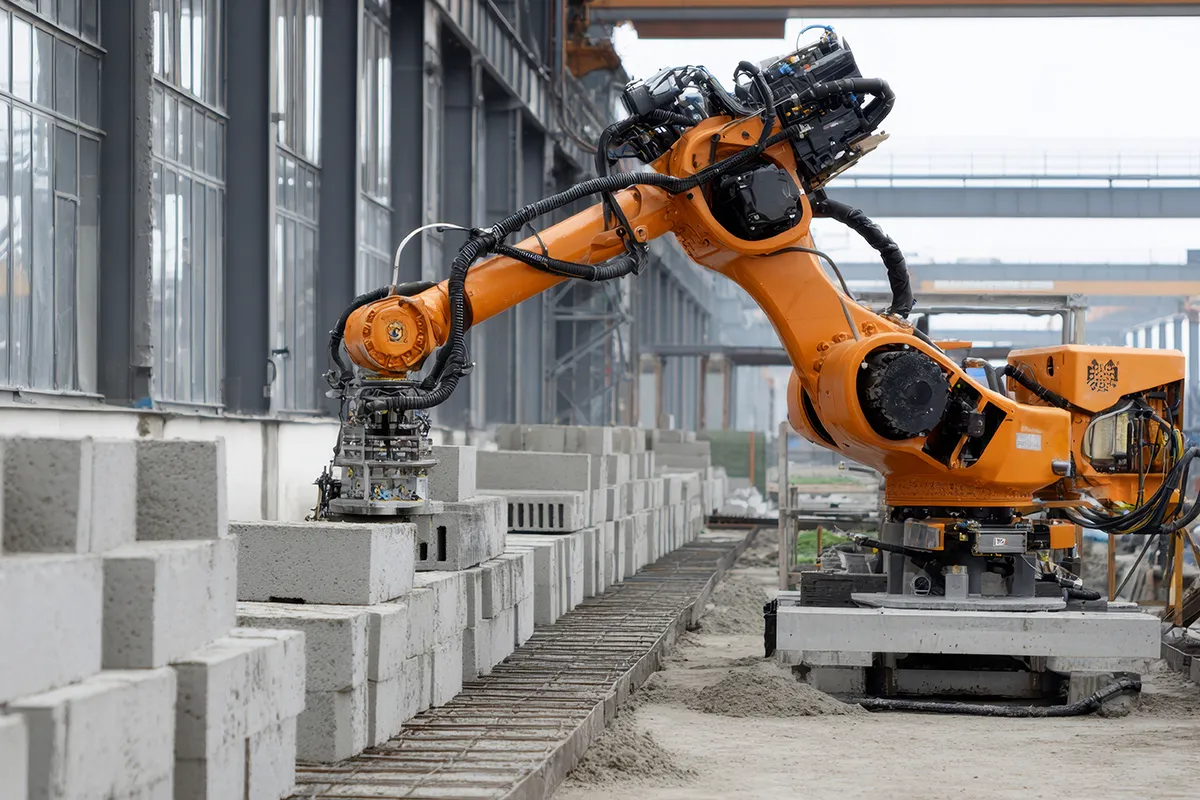
In logistics and supply, AI applications such as predictive analytics and inventory management can deliver cost savings and optimised schedules, with blockchain technology acting as an important enabler. In the longer term, semi-autonomous vehicles, robots and IoT automation may also offer solutions. In terms of materials, predictive analytics will help make better use of available resources and reduce waste. Machine learning, in turn, can ensure the quality of raw materials and support predictive maintenance. AI can also drive the automation of production processes, including through the use of robots, such as 3D printers, that enable precision and real-time optimisation.
Facility management and end-of-life
Finally, artificial intelligence, combined with digital twins and the Internet of Things, can fundamentally transform how buildings are managed and maintained. By implementing predictive and proactive maintenance techniques, based on IoT sensors that collect real-time data from critical systems via cloud-based platforms, the service life of building components can be extended and the performance of building services optimised. The overarching aim is to improve maintenance schedules, resolve faults or defects before they cause damage, and minimise costly downtime. AI-driven robots will increasingly take over repetitive tasks. The benefits will be just as significant when it comes to energy management. The end-of-life phase of buildings will also benefit, with greater reuse and recycling of the materials used as a priority. In this respect, AI can help identify and analyse existing building materials, ideally using digital material passports, estimate their financial value when recovered, and select the most efficient method for processing any construction waste that is still generated. In the long term, demolition processes will be automated, with robotics and computer vision helping to make the dismantling of buildings more efficient.
Question about this story? Ask your question
Keep following this
Get an email when a new story is published. No account needed.
- SubjectSoftware