Biomimetic solar shading inspired by pine cones
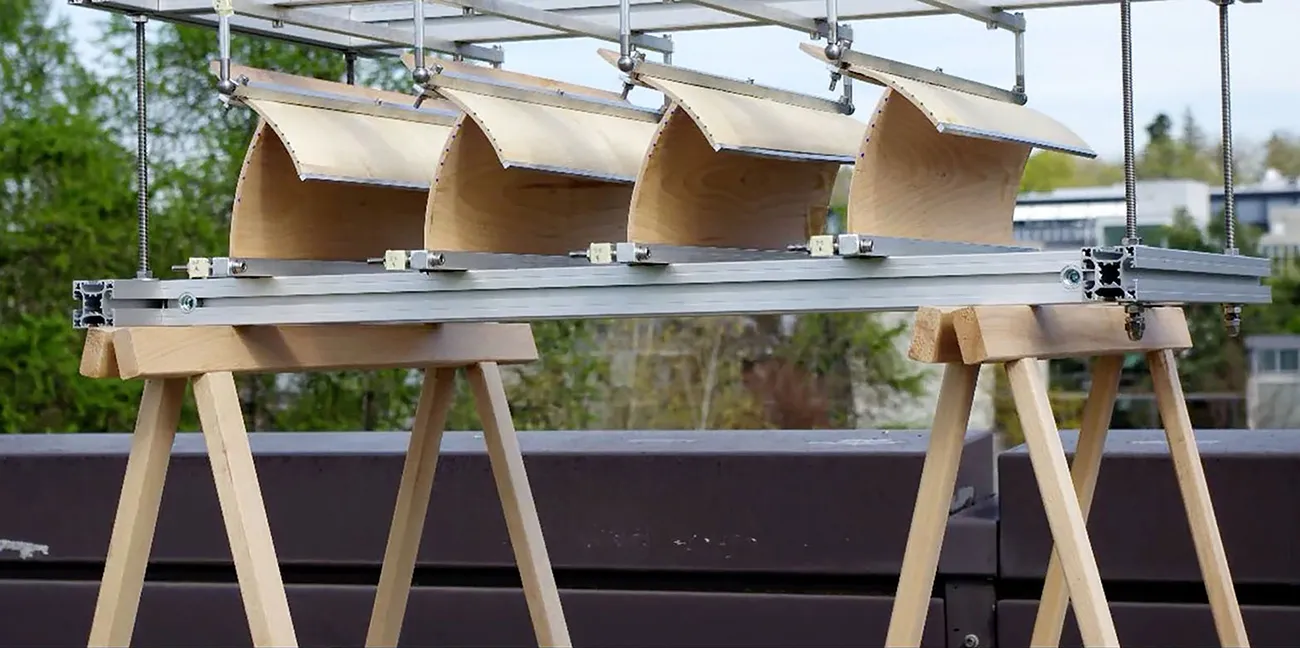
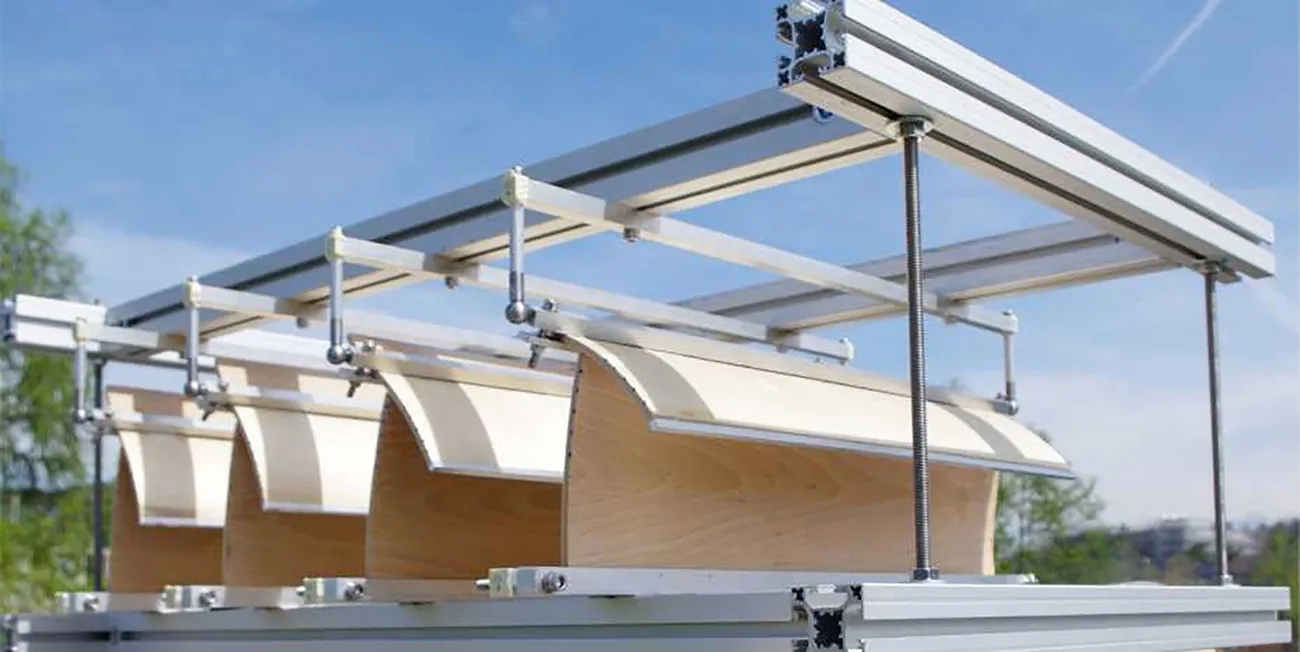
What can nature teach us about architecture? A great deal, it seems, even when it comes to solar shading. Resourceful engineers at ETH Zürich have designed an automatic solar shading system inspired by the characteristic behaviour of pine cones. The wooden ‘scales’ open in cold, wet weather and close automatically in warm, dry weather, without the need for electricity or sensors. Could this be a gamechanger, or will it remain a curious scientific experiment?
Biomimetics, or biomimicry, is a portmanteau derived from the Greek words bios, meaning ‘life’, and mimesis, meaning ‘imitation’. It is a relatively new science that studies nature and draws inspiration from it to solve problems in industrialised societies. For example, the way a solar cell works is based on plants’ process of photosynthesis. Biomimicry is about harnessing nature’s ingenuity to design and develop products, processes and systems. The underlying rationale is that natural solutions are often ingenious, sustainable and stable under changing conditions and, since they are part of nature themselves, do not harm it. Studying and imitating natural mechanisms can be useful in areas such as material selection, product processes and the use of certain (building) systems.
Responding to humidity
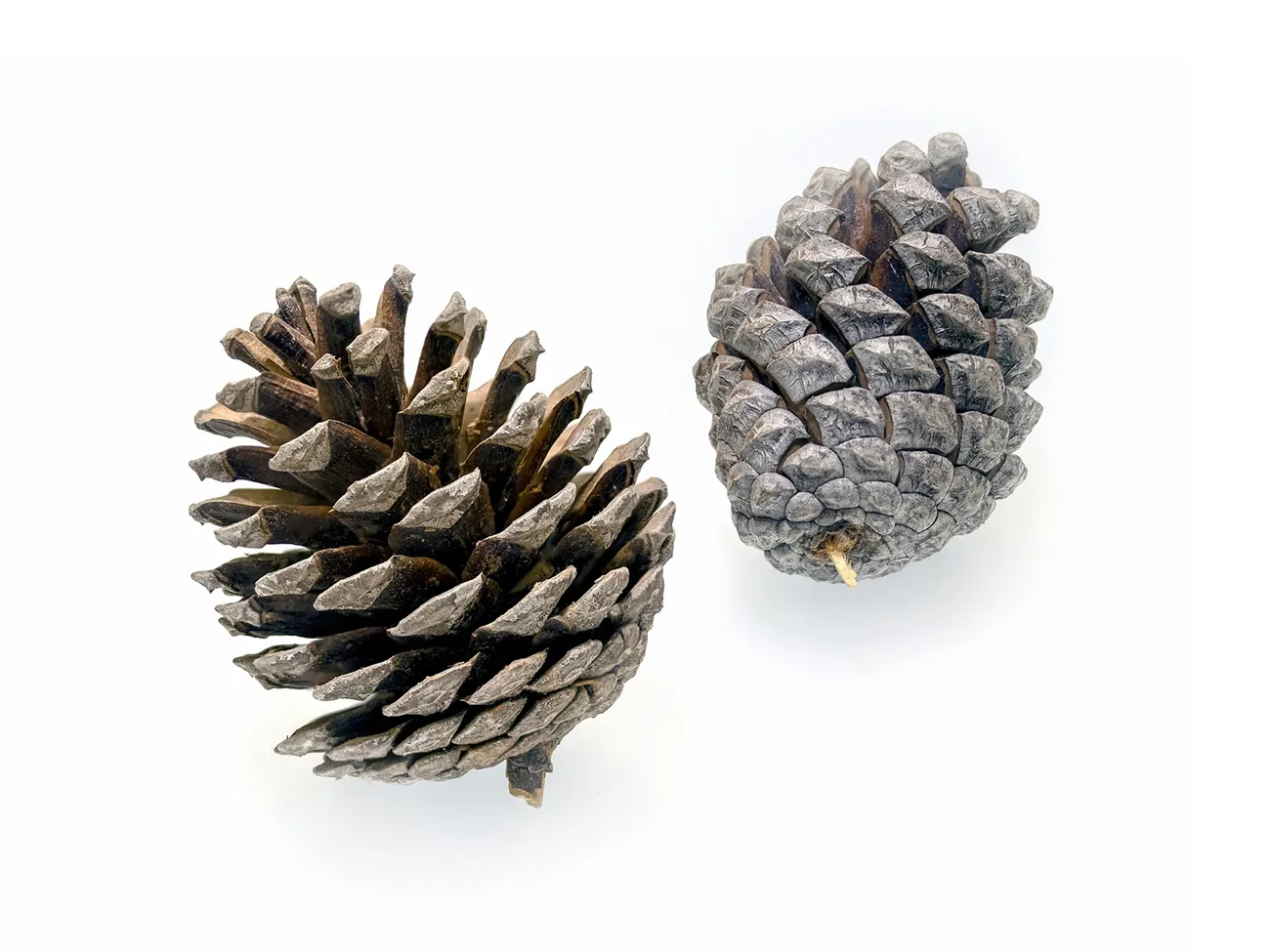
The innovative solar shading system developed by ETH Zürich, inspired by a pine cone, is a clever example of biomimicry. To maximise the chances of their seeds germinating and growing into trees, pine cones use a clever trick: in warm, dry weather, the scales of the cones open, allowing the seeds to disperse. They close in cold, wet weather. The scales consist of two layers of fibres arranged at right angles to each other. This makes them bend as the air becomes drier. ETH Zürich’s engineers used this particular property as the starting point for developing their solar shading system. They made scales from two layers of wood, each from a different species, beech and spruce. The layers were joined so that the wood grain runs at right angles in each. In this way, the slats respond to humidity, just like the scales of a pine cone.
From vertical to horizontal
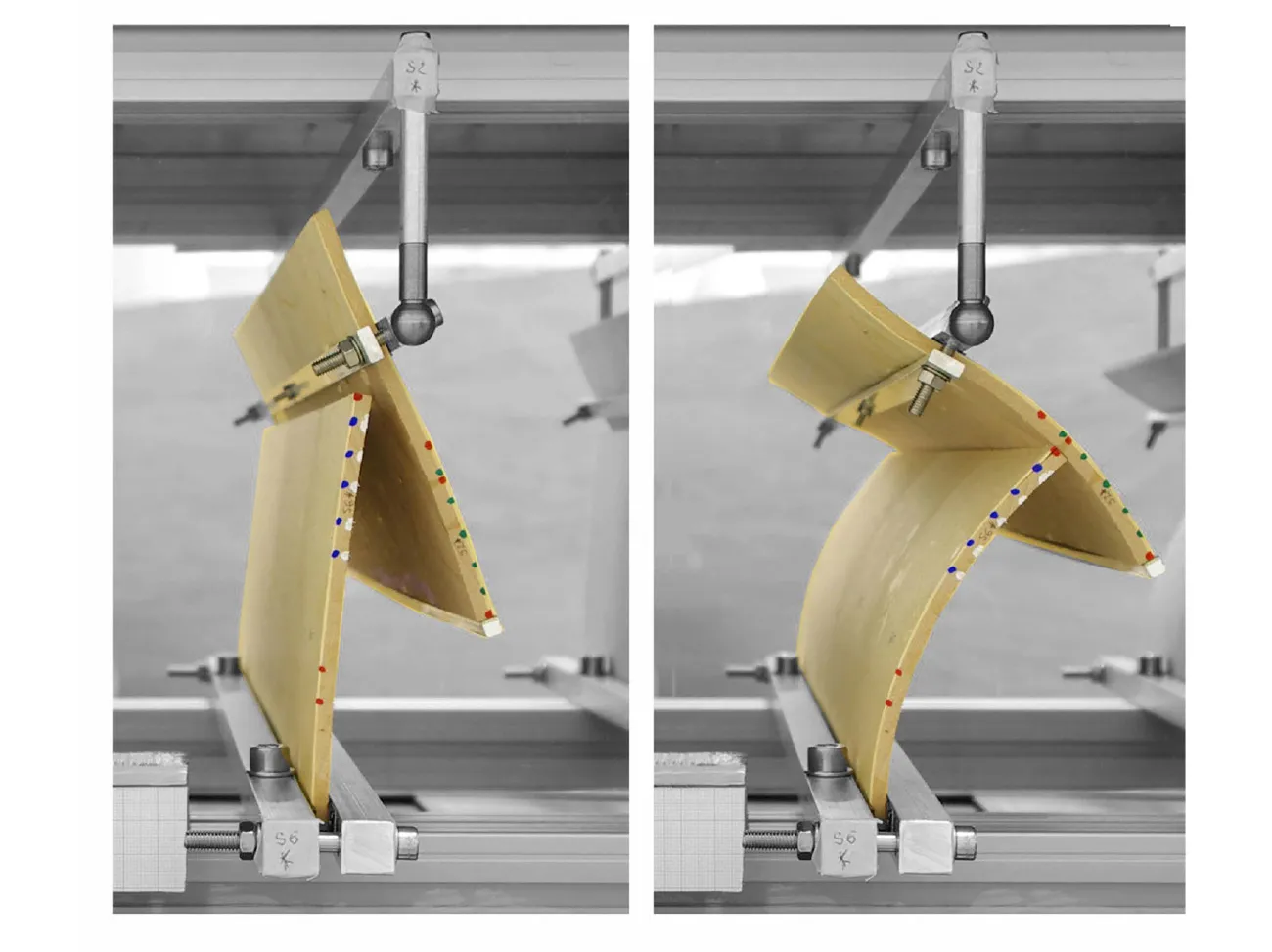
To make the slats open and close faster, since the process is naturally slower in pine cones, the engineers arranged them in pairs. When it is humid outside, the slats stand almost vertically, close together. But when drier air causes both slats to bend because of their perpendicular wood layers, the lower slat pushes its ‘partner’ into an almost horizontal position, creating shade. In other words, no electricity or sensors are needed. The designers also say that the system is made from environmentally friendly materials, is relatively inexpensive and easy to install. One important caveat is that the system needs to be fine-tuned for each region. After all, some areas are inherently more humid than others. A major drawback, meanwhile, is the limited scope for control: anyone who would prefer the system to stay closed when the air is not dry enough has a problem. Nevertheless, it is a concept with considerable potential, especially as designers increasingly seek sustainable, circular solutions that combine functional and aesthetic value. It will be interesting to see whether this revolutionary solar shading system features in cutting-edge architectural projects in the near future!
Question about this story? Ask your question
Keep following this
Get an email when a new story is published. No account needed.
- SubjectSolar shading