“Quality solar shading goes beyond specific products”
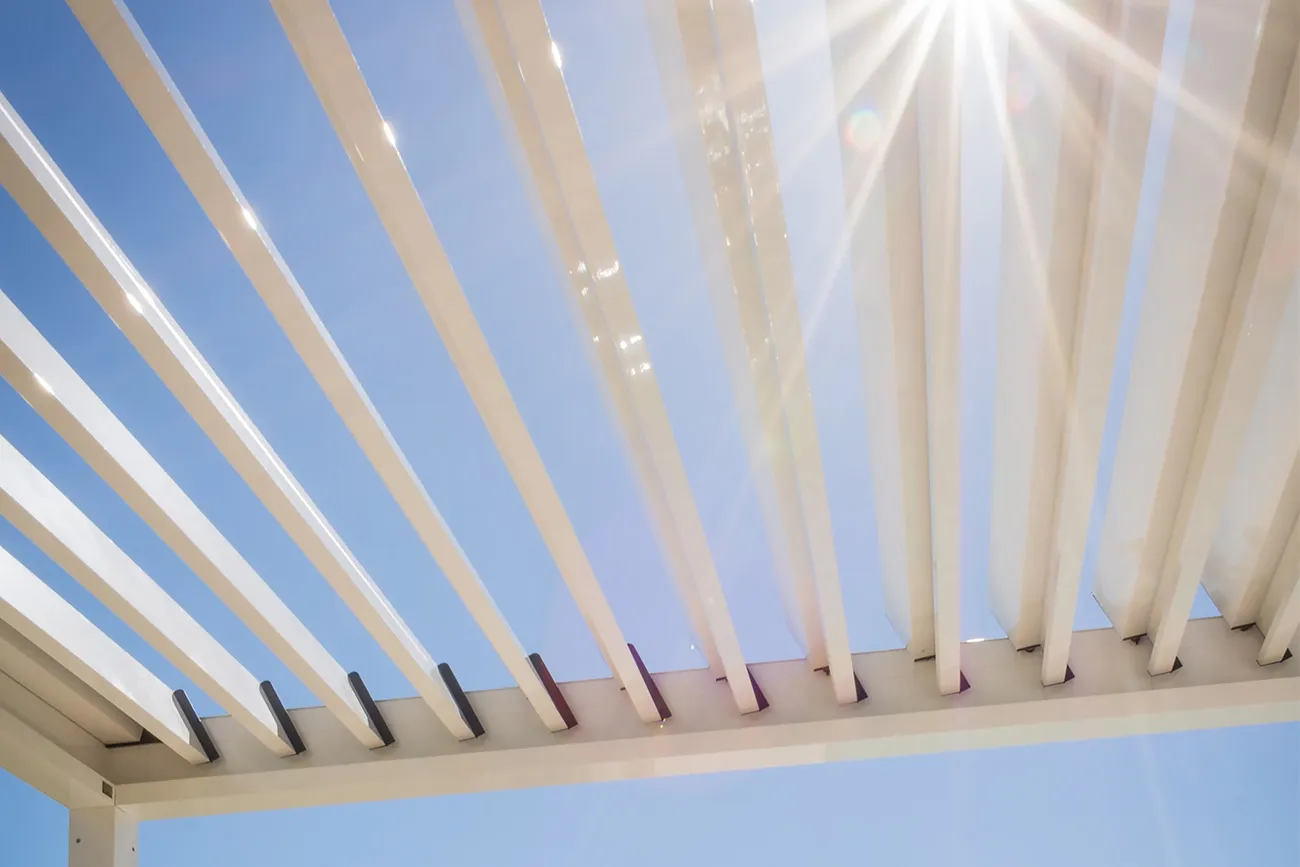
Scientific studies and projections show that keeping cool will become increasingly difficult in the years and decades ahead. Solar shading is essential to limit the impact of climate change on our quality of life at home and in our surroundings, although there are many other options besides external blinds and awnings. “An integrated design approach is needed more than ever,” stressed Luc Eeckhout (evr-architecten) and Els Vanden Berghe (Pixii) at the seminar ‘How to design for CO2 and climate adaptation?’, organised by the Orde van Architecten, Vlaamse Raad in collaboration with Palindroom at the first edition of ARCHITECT@WORK Brussels.
How severely will global warming affect our region? Luc Eeckhout of evr-architecten, who teaches, among other things, on the postgraduate course in human- and environmentally friendly building at KU Leuven as a visiting professor, painted a bleak picture of how the climate in our country will change. “By the end of this century, Belgium will experience ten times as many hot days as it does today. Spain is moving towards us, while our climate is moving away from us at 4 metres per hour and will never return, at least not in our lifetime. By 2050, Belgium will have the climate that currently prevails in southern France, while Spain will be desert. The time has therefore come to design buildings and homes that protect us against this. Solar shading is essential. Otherwise, we will all be cooked.”
Making smart use of the surroundings
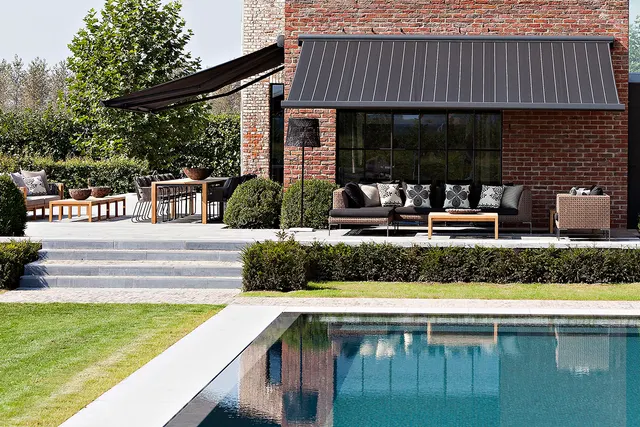
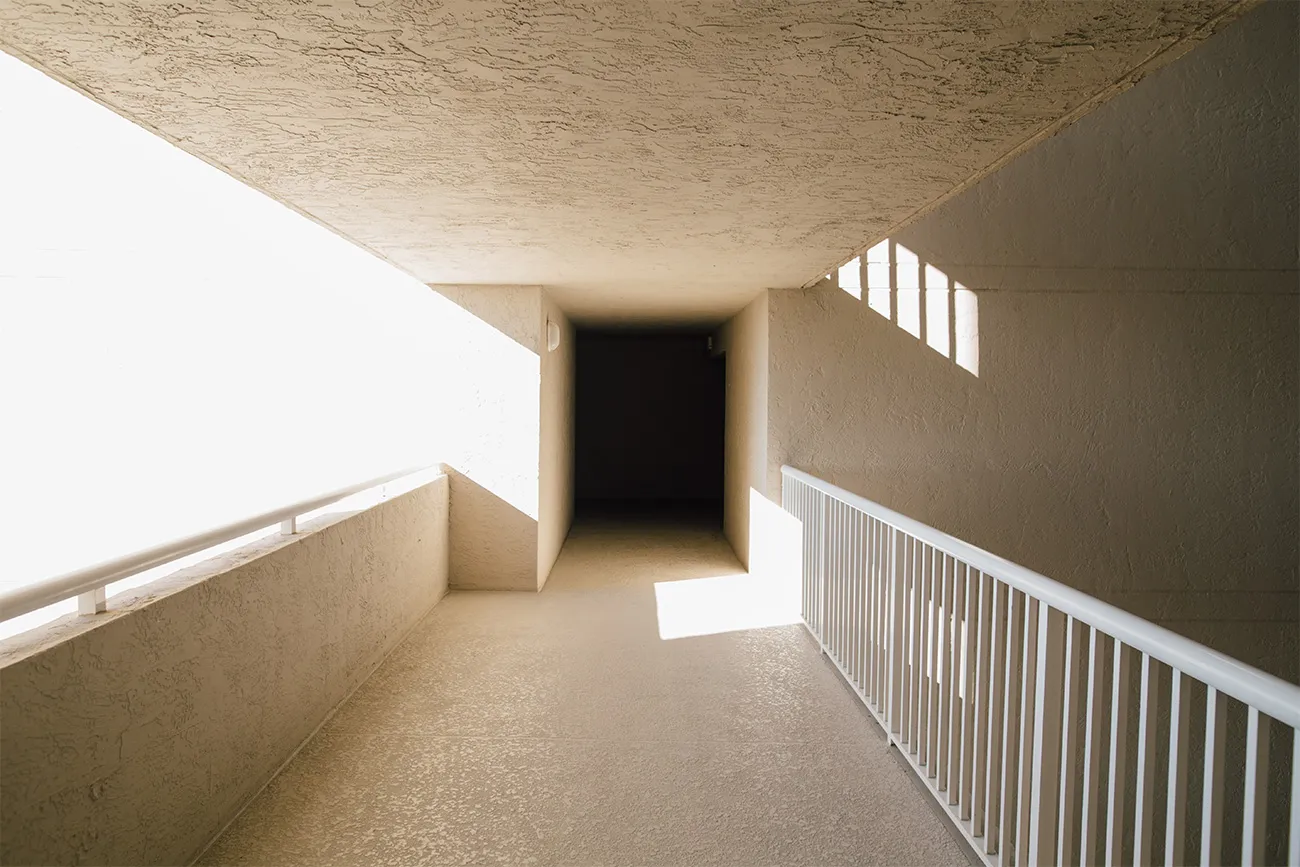
The conclusion: heat resilience is one of the biggest challenges when it comes to climate-adaptive design. Pixii, the knowledge platform for carbon-neutral building, is also well aware of this. “That is why we no longer talk about solar shading, but about shading the sun,” says Els Vanden Berghe. “When people hear the term ‘solar shading’, many immediately think of specific products such as external blinds or awnings, but there are other ways to protect yourself from the summer heat. For example, it is also important to make smart use of the surroundings, which always ‘function’ alongside a home or building. Planting is a good example. Think of trees or a grapevine in front of a south-facing window. This provides the necessary shade and creates a cooling effect around the home or building in question, which goes a long way towards keeping the indoor temperature under control.”
Broadening our perspective
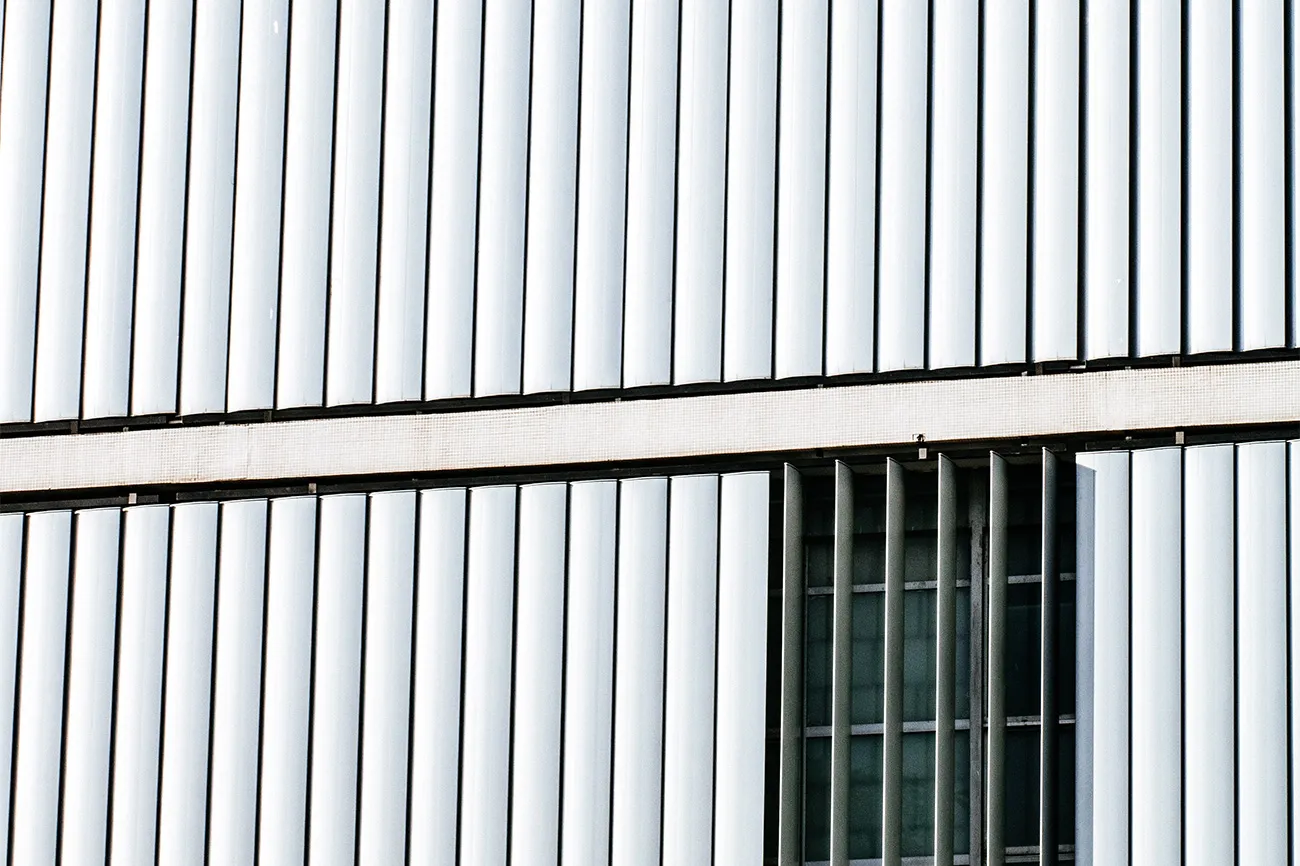
This impassioned case for shading the sun fits perfectly with the principles of climate-adaptive and carbon-neutral design and construction, the subject at the heart of the seminar at ARCHITECT@WORK Brussels. “Climate adaptability means looking proactively at the future and how our climate will evolve,” explain Luc Eeckhout and Els Vanden Berghe. “Given that average temperatures and extreme weather events in our region will continue to increase in the coming years and decades, active and passive measures to prevent overheating are essential, including in the interests of carbon neutrality. The smarter and more efficiently you block the sun, the lower the cooling load and the associated energy consumption. We therefore need to broaden our perspective and look beyond energy efficiency alone when discussing climate adaptability and carbon neutrality. An integrated design approach is needed more than ever, with solar shading as one of its standard parameters.”
Een zakelijke vraag aan STOBAG AG, STOBAG International? Get in touch
Companies in this story
Keep following this
Get an email when a new story is published. No account needed.
- SubjectSolar shading
- CompanySTOBAG AG, STOBAG International