Aquafin tests new water treatment plant with HDPE pipes
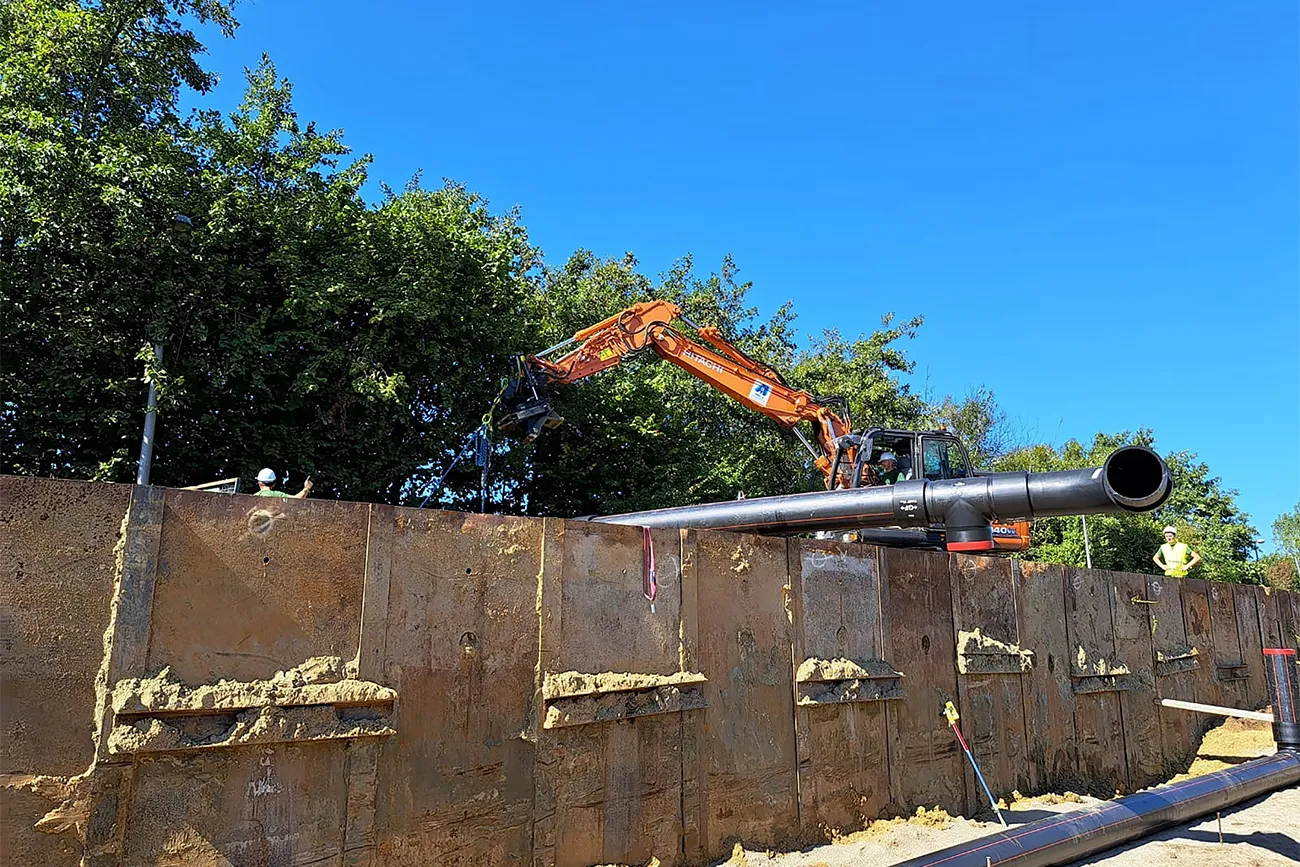
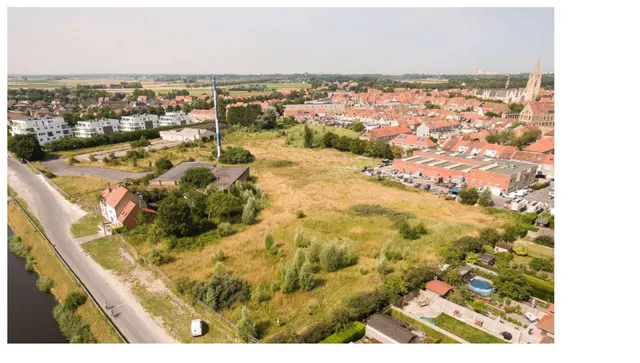
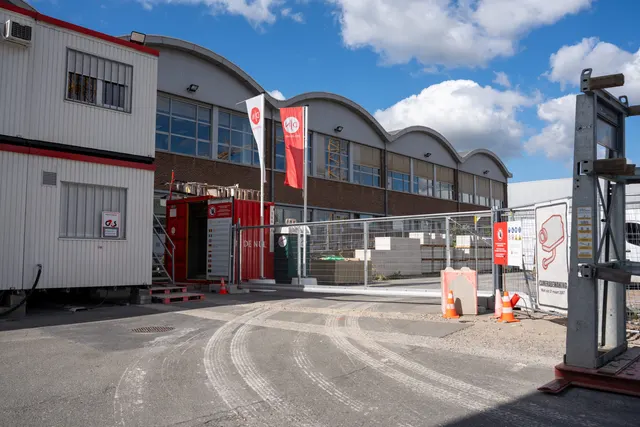
Aquafin is building a brand-new water treatment plant in Aartselaar. For the first time, it will also remove micropollutants from the water, marking a first for Flanders. Deschacht’s HDPE pipes transport the treated water between the plant’s various structures.
Flanders needs a full-scale micropollutant removal installation to gain experience with different techniques for removing hazardous substances. Three technologies will be tested at full scale for the first time on the effluent from a water treatment plant. “Aquafin wants to get to grips with these new techniques and investigate how they can be integrated into our treatment plants,” says Jan Dickens, project manager at contractor Mols.
What is micropollutant removal?
Micropollutant removal involves three technologies: disc filters, ozone and granular activated carbon (GAC). The disc filters pre-treat the effluent from the wastewater treatment plant (WWTP) flowing to the micropollutant removal installation, so that almost no suspended solids pass through to the rest of the tertiary treatment process. “The lower the concentration of suspended solids flowing to the downstream treatment stage, the higher the efficiency of the subsequent treatment techniques,” says Willy De Schagt, construction team project manager at Deschacht.
Next comes the ozone installation, followed by pressure filters containing granular activated carbon. Two ozone generators produce ozone gas on site, which is introduced into the wastewater via ceramic diffusers. “Ozone partially breaks down the micropollutants. The water then flows from the ozone reactor tank to six pressure filters. The activated carbon will adsorb both micropollutants and their breakdown products in its pores,” says Willy De Schagt. “Combining the two techniques makes it possible to remove micropollutants from the WWTP effluent as efficiently and completely as possible. Around 75 % of the water discharged by the Aartselaar WWTP will be treated by the micropollutant removal process.”
The need for new technology
The project in Aartselaar will help Aquafin determine which micropollutants can be used as indicator substances and which techniques are useful for monitoring effluent quality and the health of the watercourse over the long term. In addition, the effluent flow from the Aartselaar WWTP accounts for a large share of the flow in the receiving watercourse. “The reduction in discharged micropollutants and its impact on water quality should therefore be significant and easy to monitor. We can use the results as a guide when deciding where other micropollutant removal installations would be most cost-effective,” explains Jan Dickens.
HDPE pipes
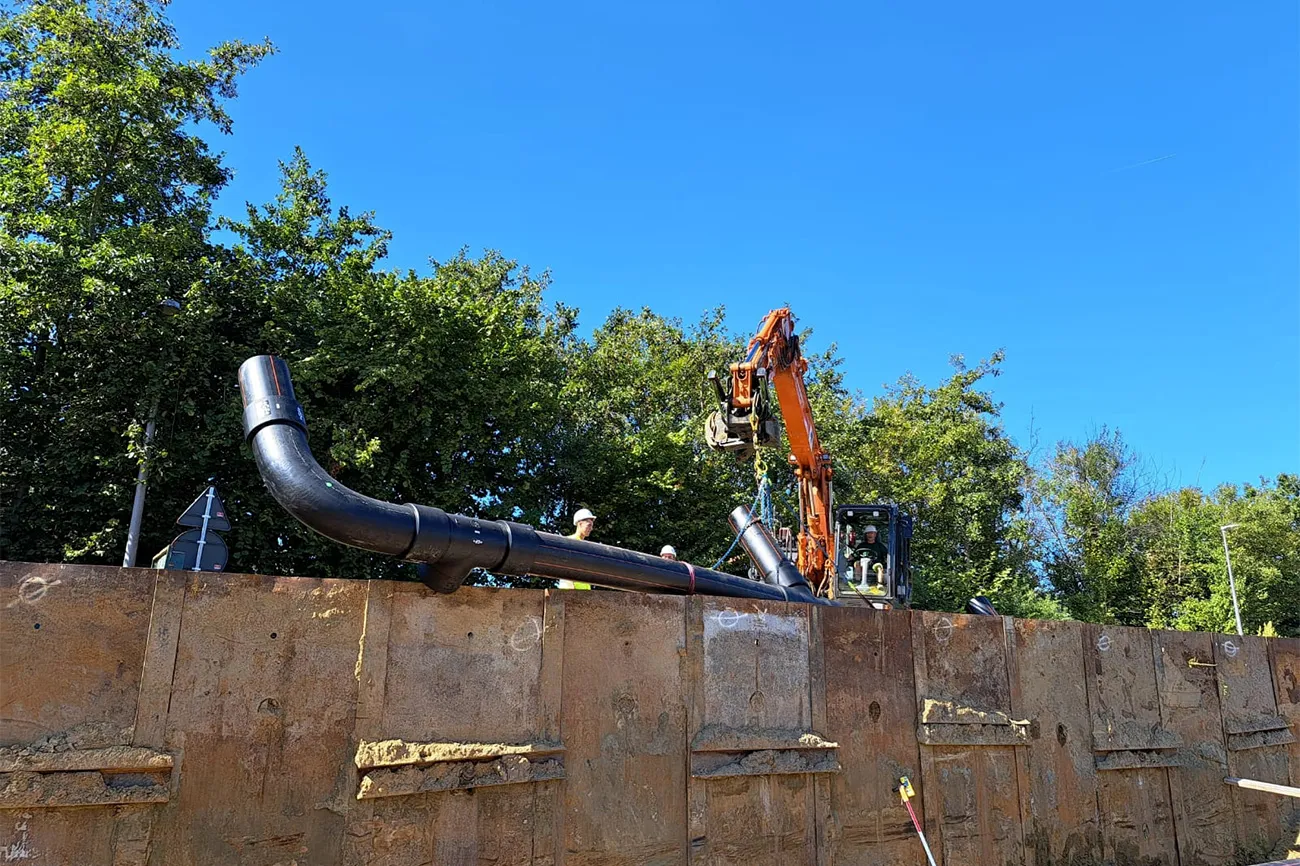
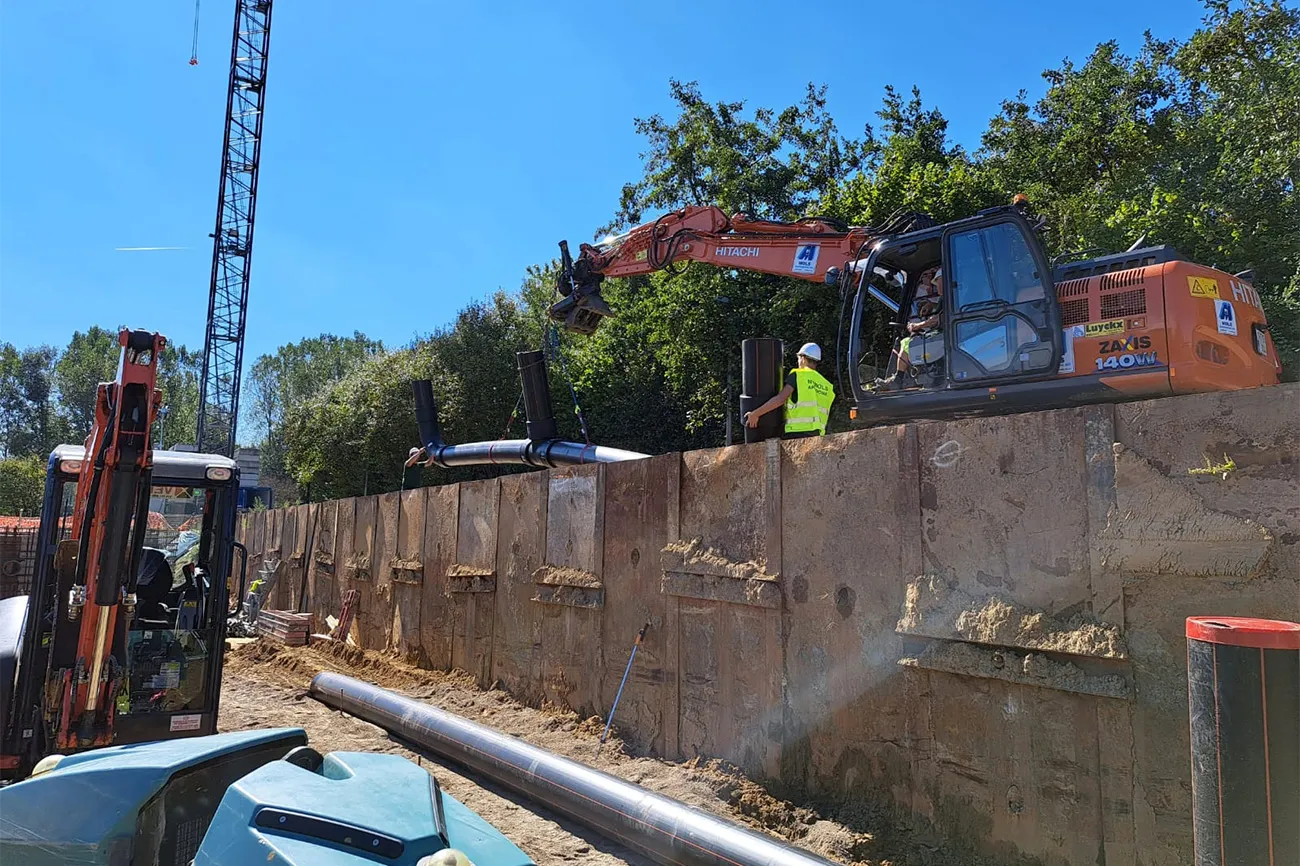
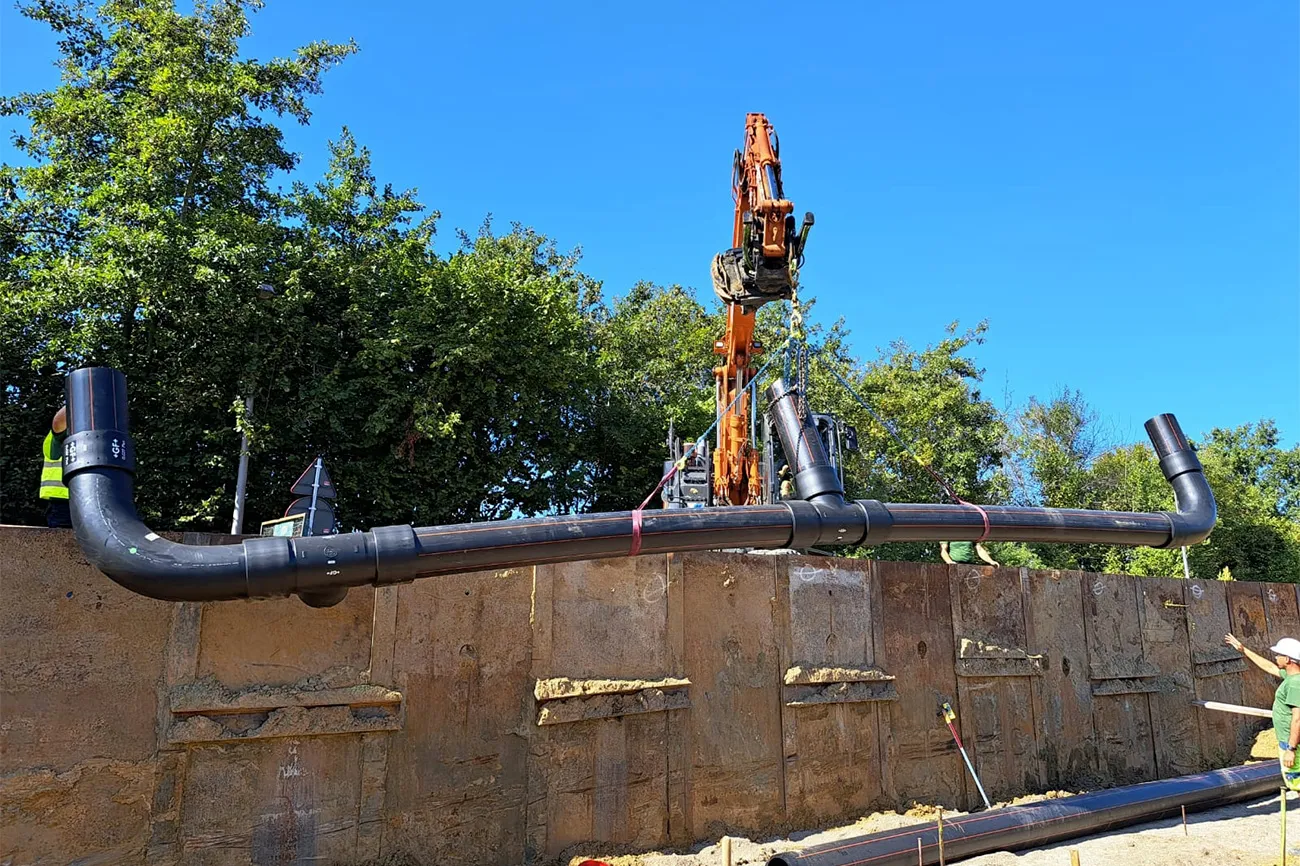
Deschacht’s HDPE pipes play an important role in this project. They transport the water to be treated between the various structures, either by pumping or by gravity. “The site covers just 1,500 m². Delivering the entire installation is a challenge. But Deschacht’s engineering department has reworked the consulting engineer’s basic plan into a construction plan, so we can draw on a well-prepared, detailed design. Installation is therefore proceeding very smoothly,” concludes Willy De Schagt.
Een zakelijke vraag aan Deschacht? Get in touch
Companies in this story

Keep following this
Get an email when a new story is published. No account needed.
- SubjectConstruction projects
- CompanyDeschacht