Drainage specialist achieves climate neutrality
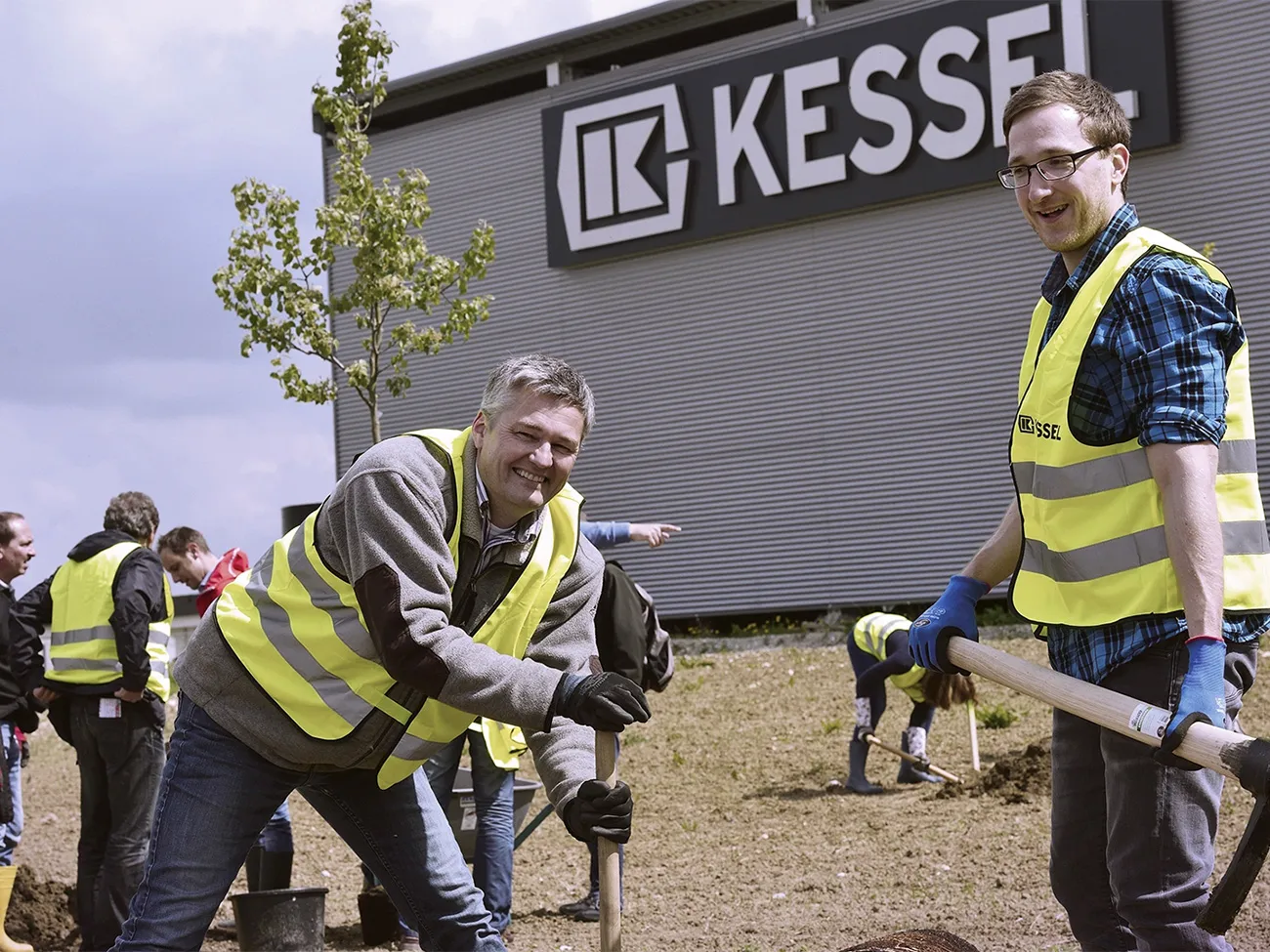
Sustainability is the driving force behind everything KESSEL AG does: since 1963, KESSEL drainage solutions have protected people and their surroundings by draining water, keeping it away from places where it could cause damage and preventing harmful substances from entering wastewater. On 1 May 2021, the company reached another milestone: KESSEL is now climate-neutral.
Under the motto “Climate-neutral by 2030? We could do that, but we won’t!”, drainage specialist KESSEL has drawn up a carbon footprint (scopes 1 to 3) with climate protection experts ClimatePartner and has continuously reduced its CO2 emissions through numerous measures, some of which were launched years ago.
KESSEL offsets emissions that remain after all measures have been taken, and therefore cannot be avoided, through a certified climate protection project run by ClimatePartner.
The road to a climate-neutral footprint
With a clear strategy and measures both large and small, KESSEL has been working purposefully for years to make its operations increasingly sustainable. One example is the solar panels on the roofs of its workshops. They generate renewable electricity, which KESSEL uses itself and also feeds into the grid.
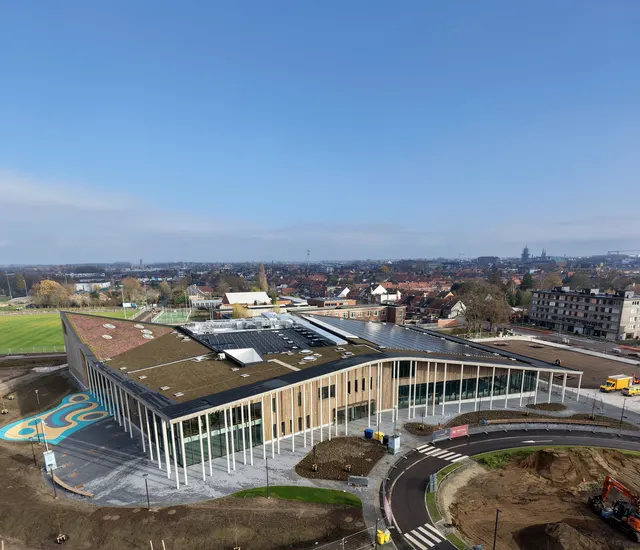
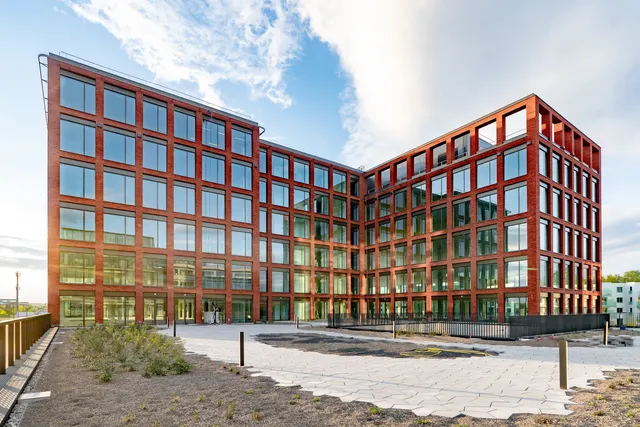
Its own combined heat and power plant, built in 2016, also supplies the entire baseload of electricity. KESSEL uses the waste heat generated for its production facilities and office buildings. The new multipurpose office building at the company’s headquarters in Lenting, currently under construction, impresses with energy efficiency to the KfW 55 standard, environmentally friendly green spaces and sustainable materials.
Documents that need to be printed use paper made entirely from recycled materials, or emissions caused by using virgin materials are offset. According to the 2021 programme overview, 270 trees were planted in Paraguay through Print & Forest, helping to preserve forest cover.

Understanding the carbon footprint
To calculate its own climate footprint, known as its carbon footprint, KESSEL worked with ClimatePartner to define three emissions categories (scopes) and collect the relevant data.
Scope 1 covers a company’s direct emissions, for example from its vehicle fleet. Scope 2 includes indirect emissions such as the energy supply to buildings. Scope 3 encompasses a wide range of indirect emissions generated across the entire value chain, for example those associated with raw materials, logistics and employee travel.
The activity data was then automatically converted into CO2 equivalents. This allows KESSEL to see at a glance how its CO2 footprint is made up, the impact of individual areas and where progress needs to be made.
To offset the remaining unavoidable emissions, the drainage specialist is taking part in a certified offsetting project. By repairing wells in Uganda, local people gain access to clean drinking water and forests no longer need to be felled to provide wood for boiling water over open fires.
Question about this story? Ask your question
Keep following this
Get an email when a new story is published. No account needed.
- SubjectConstruction projects