











Building your home in Flanders: what to consider
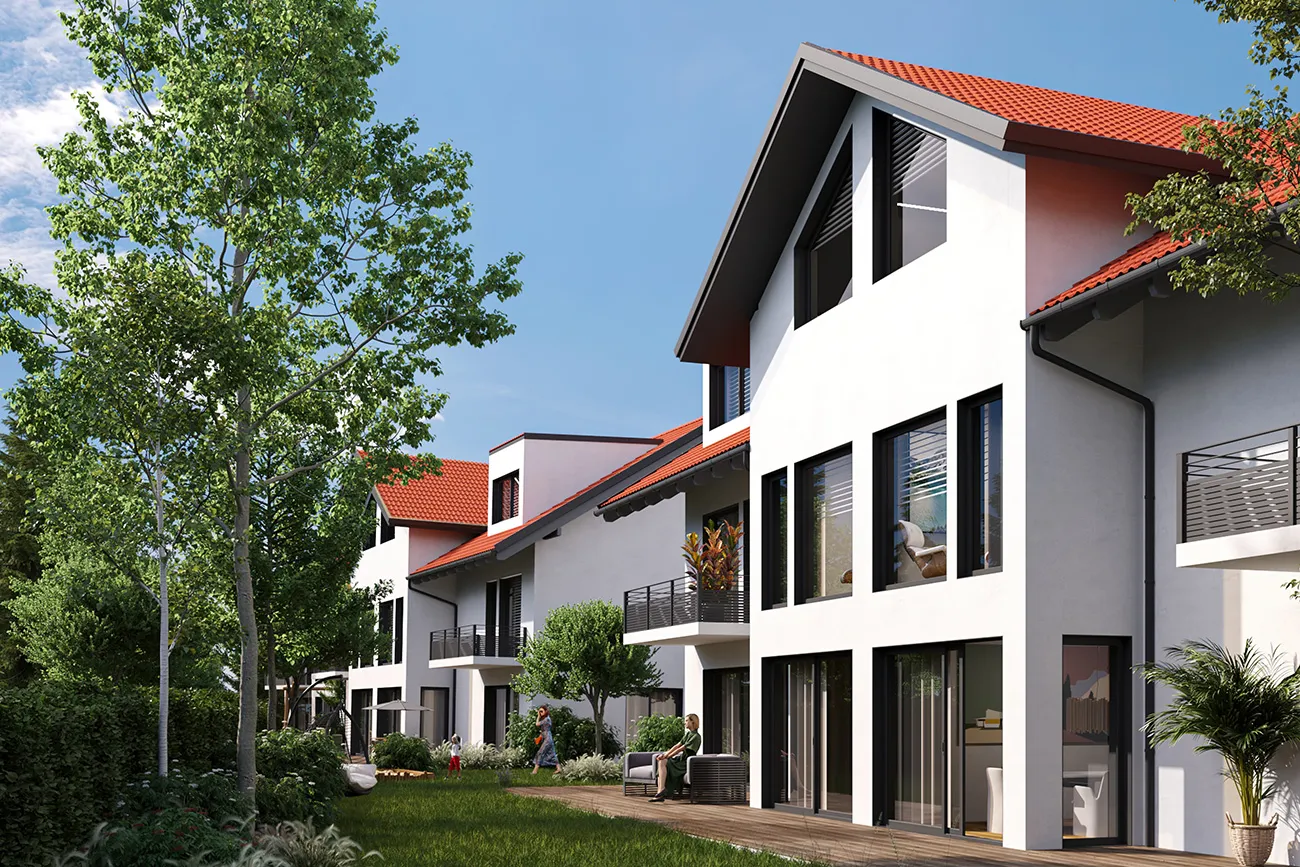
Building a home is a major investment and an important step in your life. There is a lot to consider when building a home in Flanders, including a wide range of rules and regulations you need to take into account. In this article, we discuss some of the key things to consider when you decide to build your dream home.
Plot and location
An important first step in building your home is choosing the plot and location. Make sure you research the area and neighbourhood where you want to build. Also consider accessibility and the local amenities. It is also important to check whether the plot is suitable for the type of home you want to build and whether there is enough room for a garden, garage and, potentially, a swimming pool.
Permits and regulations
There are many rules and regulations to comply with when building a home in Flanders. Make sure you are familiar with them and have all the necessary permits and documents in order. Various companies can help you apply for permits and check that your plans comply with the applicable rules and regulations.
Architect and contractor
A good architect and contractor are essential when building your home. They are responsible for the design, construction and completion of your dream home. Make sure you choose an architect and contractor who are a good fit for you and have the right experience. Check online reviews to make sure they are reliable.
Energy efficiency
Energy efficiency is an important consideration when building a home today. Choose sustainable materials and make sure the home is well insulated. This will not only save you money on your energy bills, but also help protect the environment. For example, you could install solar panels and choose an energy-efficient shower head.
Nearly zero-energy home
Since 2021, new-build homes and homes undergoing major renovation in Flanders have had to meet the nearly zero-energy (BEN) standard. BEN stands for ‘bijna-energieneutraal’, or nearly zero-energy, and means that a home’s energy consumption must be close to zero. To meet this standard, homes must comply with strict energy performance requirements, including a maximum E-level, a minimum insulation value and limited energy consumption for heating, cooling, ventilation and hot water. The aim of this requirement is to reduce CO2 emissions and lower household energy bills.
Layout and finishes
The layout and finishes of your home are also important. Think carefully about the different rooms and how you want to arrange them. Choose a practical layout and make sure there is enough storage space. The finishes are also important, including the floors, walls and choice of shower screens.
Question about this story? Ask your question
Keep following this
Get an email when a new story is published. No account needed.
- SubjectGeneral







