











Ceramic industry calls for innovative European policy
Text Koen Mortelmans -Image Michel Verpoorten (MV), Wienerberger (W) en Koen Mortelmans (KM)
Clay for the future
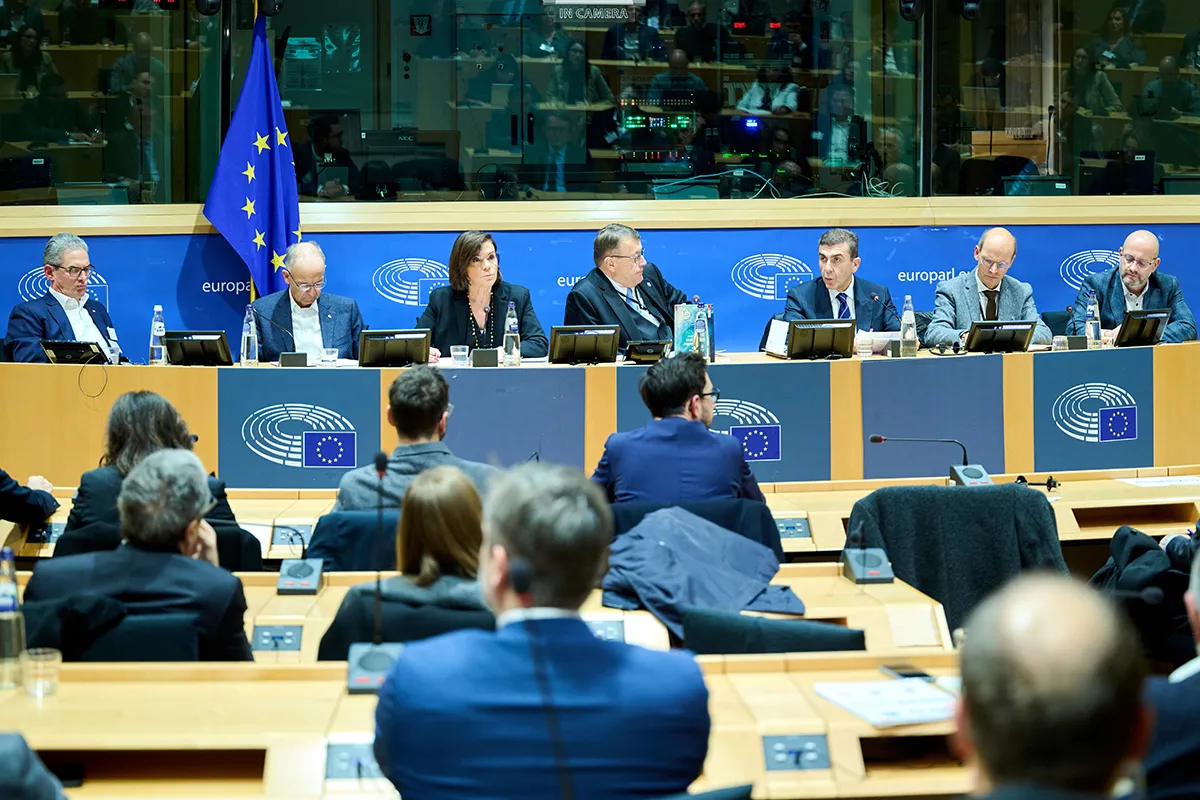
In December, European manufacturers of ceramic building materials held their Ceramic Days in and around the European Parliament in Brussels. This was no coincidence. The sector wanted to draw politicians’ attention to the current challenges and the policy measures manufacturers consider necessary.
During Ceramic Days, the European umbrella organisation Cerame-Unie also held a press conference, where senior figures underlined the urgent need for action to safeguard the resilience and global standing of European industry.
The figures show that action is urgently needed: since 2021, European production has fallen by 30% and the ceramic sector has recorded a 10% loss of jobs. “Estimated cost inflation of 30 to 40%, driven by unsustainable energy and CO2 prices, will accelerate the relocation of production outside Europe in the coming years,” warns Heimo Scheuch, President of Cerame-Unie and CEO of wienerberger. “This not only hampers companies’ investment potential, but also poses a significant risk to the competitiveness of ceramic manufacturers, their suppliers and consumers.”
Supportive policy needed
Cerame-Unie is calling on European leaders to adopt a supportive industrial policy. Scheuch also pointed out that ceramic building materials are essential to a resilient Europe. “Their exceptional lifespan of more than a hundred years, high energy efficiency throughout their life cycle and potential for circularity make them a low-carbon, cost-effective and climate-resilient choice for buildings and infrastructure.”
“Because energy is a major cost factor, electricity prices are rising sharply and free CO₂ allowances are set to decline rapidly, particularly from 2026, companies face ever greater challenges, despite their willingness to invest in decarbonisation and circularity. To safeguard the sector’s resilience, the ceramic value chain urgently needs a harmonised energy approach that helps secure competitive gas and electricity prices in Europe, more stable and lower CO2 costs, stronger protection against CO2 leakage, simplified ETS rules, affordable green energy and a level playing field in international trade.
The future is already taking shape
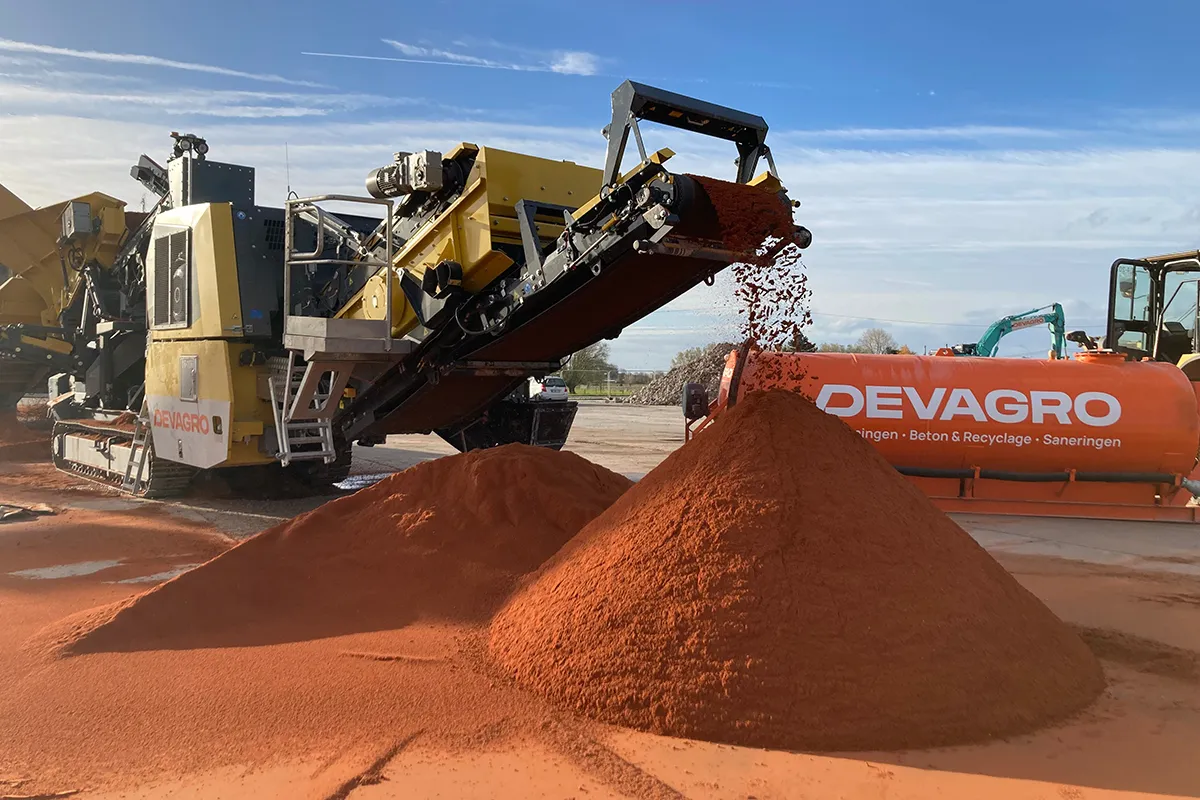
Through various initiatives, wienerberger is already putting its commitment to innovation, sustainability and circularity into practice. “Circular construction starts with clay extraction,” says Johan Van Der Biest, COO of wienerberger Western Europe. “After extraction, we return clay quarries to society as nature reserves, recreational areas or agricultural land. In the production process, we reduce the need for primary raw materials by, among other things, reusing firing waste and using residual streams from other industries or ceramic demolition material. We close the water loop by collecting rainwater and treating and reusing production wastewater. This results in zero wastewater discharge.”
“We make our packaging as circular as possible. We are replacing printed shrink-wrap packaging with unprinted stretch hoods. The shrink-wrapping process requires relatively large amounts of material, and printed film is not circular for the same application because it loses its transparency during recycling. Stretch hoods overcome all these drawbacks. Another advantage is that they require up to 30% less material.”
Circular construction
Wienerberger is also convinced of the social importance of circular construction. “We are exploring circular solutions such as the stackable ClickBrick facing brick, using lime mortar for masonry or applying roof tiles as façade cladding. Even when building elements cannot be retained or reused, recycling can offer circular solutions. For example, we investigated how to identify ceramic products as they become available for recovery and how to collect them in sufficiently pure streams.”
Lithium
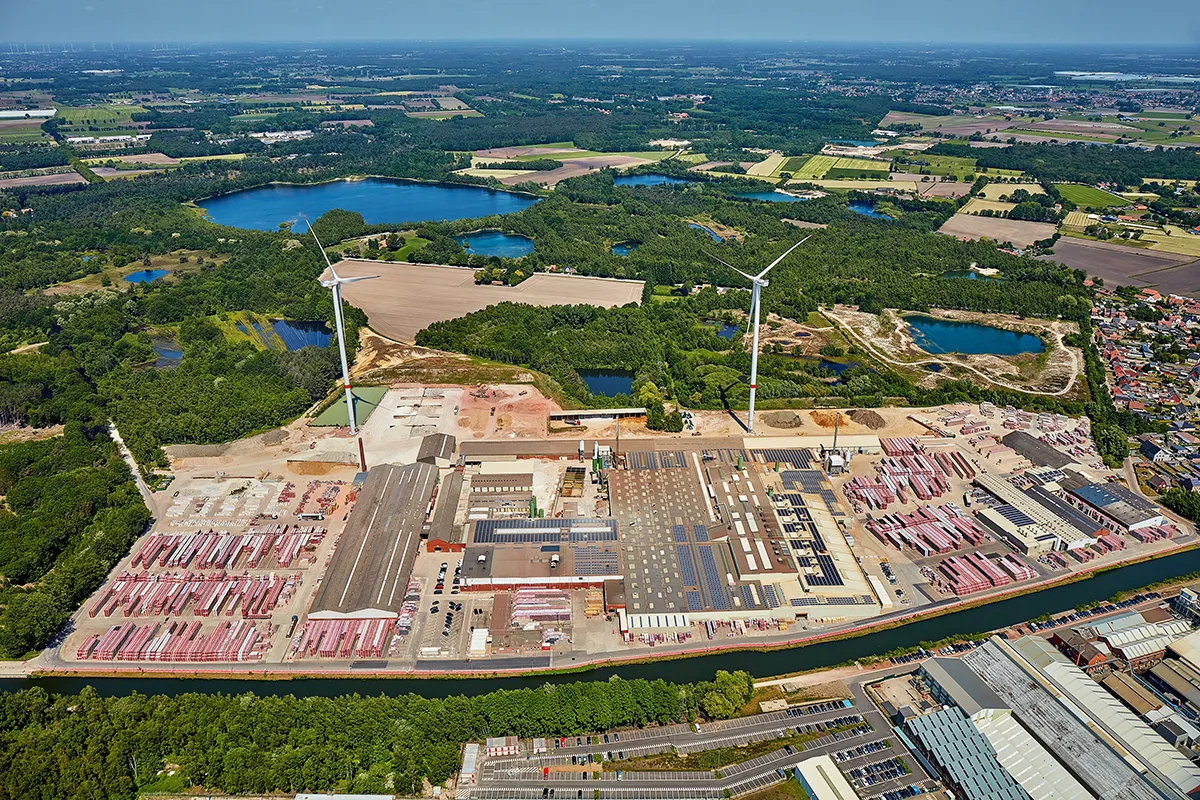
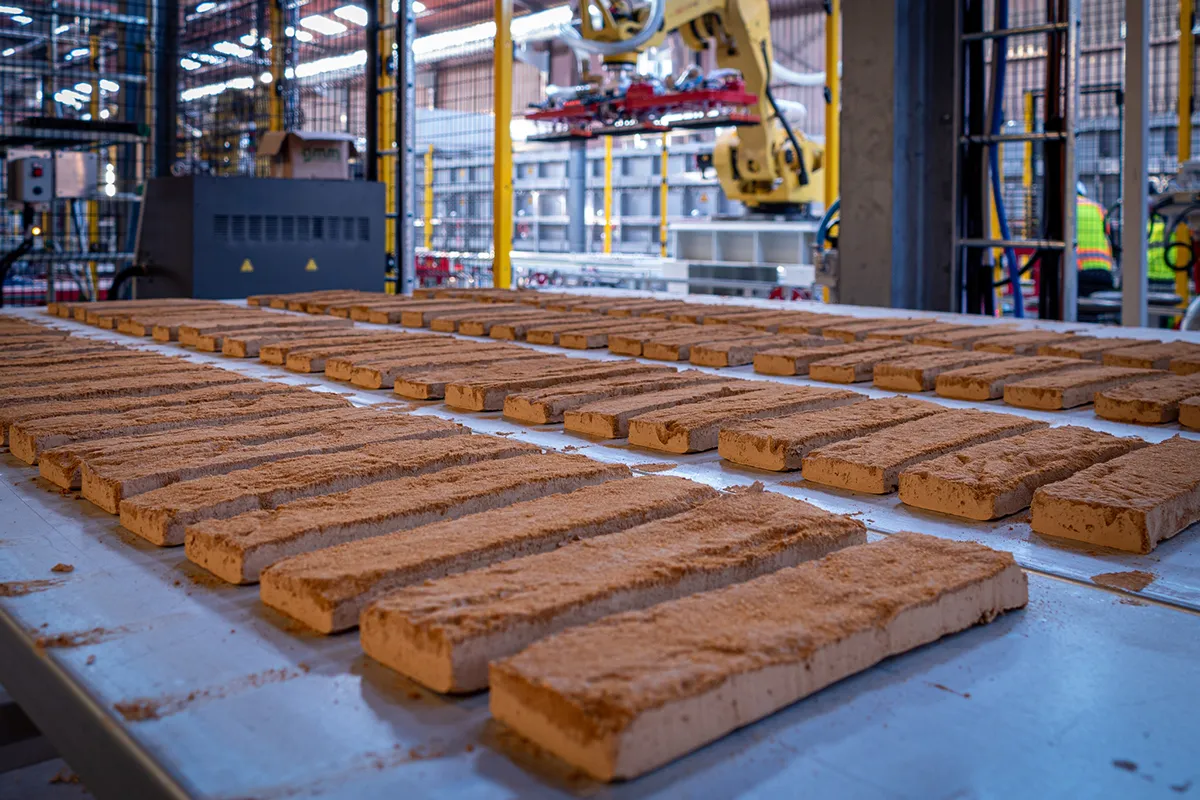
“We are gradually switching to CO2-neutral production processes. At our latest production line in Kortemark, the process uses state-of-the-art electric production technology, with no fossil fuels, and runs on electricity from an in-house PV installation, supplemented by 100% green energy. We have built two wind turbines in Beerse. At our site near Strasbourg in France, we plan to combine geothermal energy with the extraction of lithium from hot water at a depth of 2,400 m.”
Een zakelijke vraag aan Wienerberger nv? Get in touch
Companies in this story
Keep following this
Get an email when a new story is published. No account needed.
- SubjectGeneral
- CompanyWienerberger nv







