“Flanders could save 15% on construction materials by making greater use of reuse and recycling”
Text and images Embuild Vlaanderen
The Flemish construction sector needs around 100 million tonnes of construction materials every year to provide enough homes, schools, healthcare buildings, offices, roads and other infrastructure. However, the primary raw materials used to make these materials are becoming increasingly scarce and expensive, and processing them requires a great deal of energy. By recovering more materials from construction and demolition waste, we could save 15 million tonnes a year. This can be achieved by sourcing as many materials as possible from ageing buildings due for demolition, then recycling them into new materials or dismantling them for reuse.
Today, only 1% of demolition waste is dismantled and reused. That needs to change. Recycling, particularly of rubble, is already well established, but its applications need to be expanded and improved. “Flanders has an ageing building stock, and its infrastructure also needs renewing. This releases millions of tonnes of materials that we can no longer afford to treat as waste. If we recycled and reused everything, we could reduce the construction sector’s materials footprint by 15%,” says Caroline Deiteren of Embuild Vlaanderen.
From downcycling to high-value recycling
“Circular demolition and construction are therefore becoming essential,” says Deiteren. “Not only to reduce our materials footprint, but also as a prerequisite for a strong construction sector and a resilient Flanders. Many raw materials used in new construction products are energy-intensive to produce, and geopolitical conditions also leave them dependent on vulnerable supply chains. Reuse and recycling make us more self-sufficient.”
The Flemish construction sector is already a leader in downcycling construction and demolition waste. For example, 95% of rubble is recycled for uses such as road sub-bases. Together with the Flemish government, the sector aims to take the next step: within five years, half of these low-value applications should be replaced by high-value ones. This could include recycling facing bricks for use in new buildings. Better still is to dismantle and reuse materials. However, this is still in its infancy: just 1% of materials are dismantled and reused. Examples include reusing entire timber structures and ceiling panels. But this requires a fundamental shift in working practices.
One demolition team makes all the difference
Over the past three years, Embuild Vlaanderen and the construction sector’s research centre, Buildwise, have investigated how things can be improved and what is needed to make circular demolition standard practice. Their findings show that the only way forward is to appoint a single demolition team at the outset of a demolition project, bringing together all parties, from the client and architect to the demolition contractor and supplier. This provides an immediate overview of the materials with potential for reuse and recycling, the available outlets, and how storage and logistics should be organised. A hospital in Mechelen and an office building at Brussels Airport were recently demolished using this method, delivering climate benefits of 6,800 and 19,200 kg CO2 eq. respectively. That is equivalent to driving 30,000 and 85,000 kilometres respectively in a petrol car.
“Materials from demolition are still too often treated as waste, but we can no longer afford to do that. Half of all the raw materials used in Flanders go into construction, so every brick counts. But sustainability requires a long-term vision, whereas demolition today is often expected to be quick and cheap, without taking the residual value of materials into account. That is why pilot projects are so important. Public authorities can also help by prioritising circular demolition teams in tendering,” concludes Caroline Deiteren.
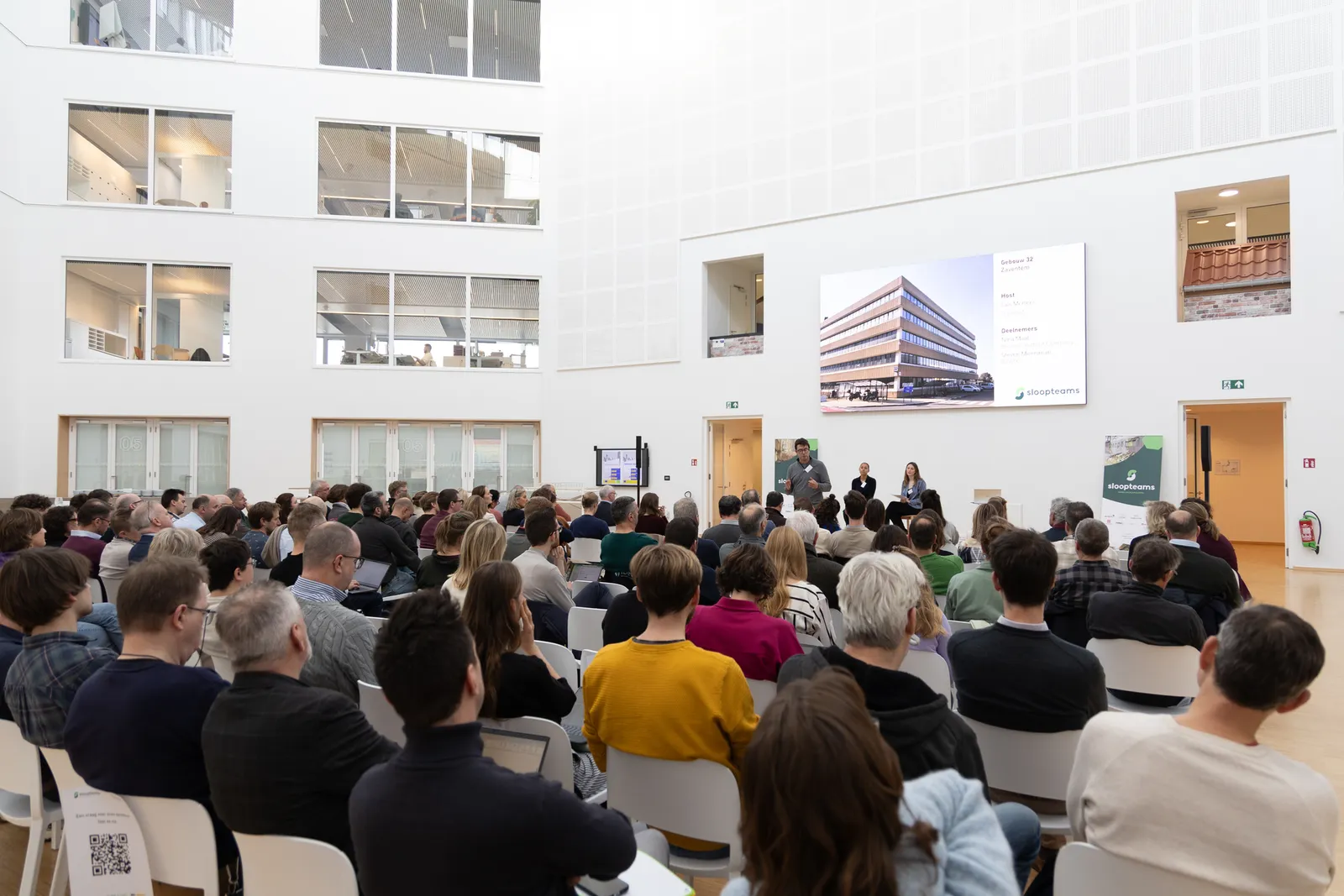
The ‘Living Lab Circulaire Sloopteams’ project is an initiative by Embuild Vlaanderen, Buildwise, NAV, Tracimat, Stad Mechelen, demolition contractor Aclagro, Rockwool and Resulation (Knauf). It is supported by VLAIO. On 9 December, the project’s findings will be discussed with around 150 participants from the construction sector at a closing event. The new guide to circular demolition teams and the platform containing information for professionals are available at https://buildwise.direct/circulairslopen.
Question about this story? Ask your question
Companies in this story

Keep following this
Get an email when a new story is published. No account needed.
- SubjectGeneral
- CompanyROCKWOOL