











In the fullness of time
Architecture and time are inextricably linked. Every construction project builds on a built environment developed over the centuries. Every innovation looks to the future. But time is running out if we want to offer future generations a positive outlook. Contemporary architecture keeps pace with the times, yet also seems to struggle with them. Construction is getting faster and faster, but buildings also seem to become dated more quickly. The lifespan of our buildings is certainly not improving.
In How Buildings Learn, Stewart Brand wrote: all buildings are predictions, and all predictions are wrong. For time also brings uncertainty. Our constantly changing society gives rise to a range of future scenarios, some more likely than others. Their complexity and sheer number make them impossible to grasp, and planning for them is a difficult task. Yet this complexity also conceals an opportunity: the opportunity for a building to come to life over time. For users to make changes over time that make the building increasingly suited to their needs.
Unfortunately, time seems to be architecture’s enemy today. A steady process of deterioration begins as soon as a building is handed over, not infrequently ending in demolition after barely fifty years. Would it not be better to design with time in mind? By using materials that acquire character as they age. By building in the ease of repair and replacement. In this way, we make time a participant in the creative process of developing buildings. That process does not stop at handover; it reaches cruising speed whenever maintenance and alterations are needed. To achieve this, we need to regain a better understanding of how buildings and their materials age. And we need to restore the bond between users and their buildings.
In Japan, wooden temples have stood for several centuries, and in some cases for dozens. Reverence and maintenance are not merely a necessity there, they are part of the culture. Why should such a building culture not be possible in Europe? For everyday buildings too. With a little extra care, they ought to last for centuries as well. That is why I would like to make the case for greater care and appreciation for materials and buildings. Surely it is about time.
De Pen is passed to Waldo Galle, lecturer and academic policy coordinator for sustainable transitions at Vrije Universiteit Brussel (VUB) and researcher at VITO.
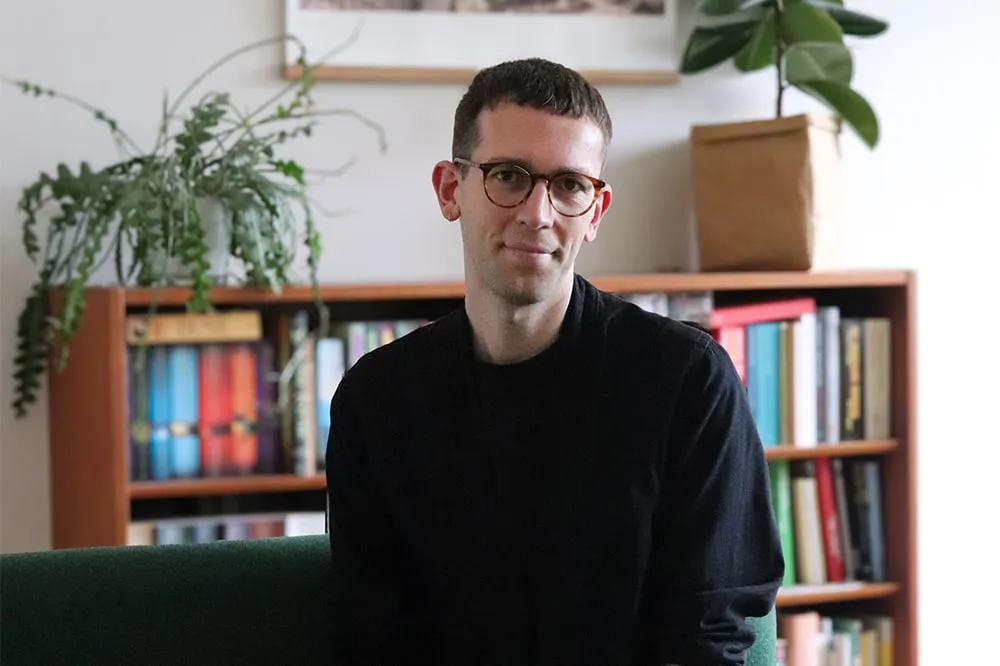
Stijn Brancart, Lecturer at the Faculty of Architecture, Delft University of Technology, expert in circular construction and timber structures
Question about this story? Ask your question
Keep following this
Get an email when a new story is published. No account needed.
- SubjectGeneral







