











Solar panel manufacturer brings beauty to technology
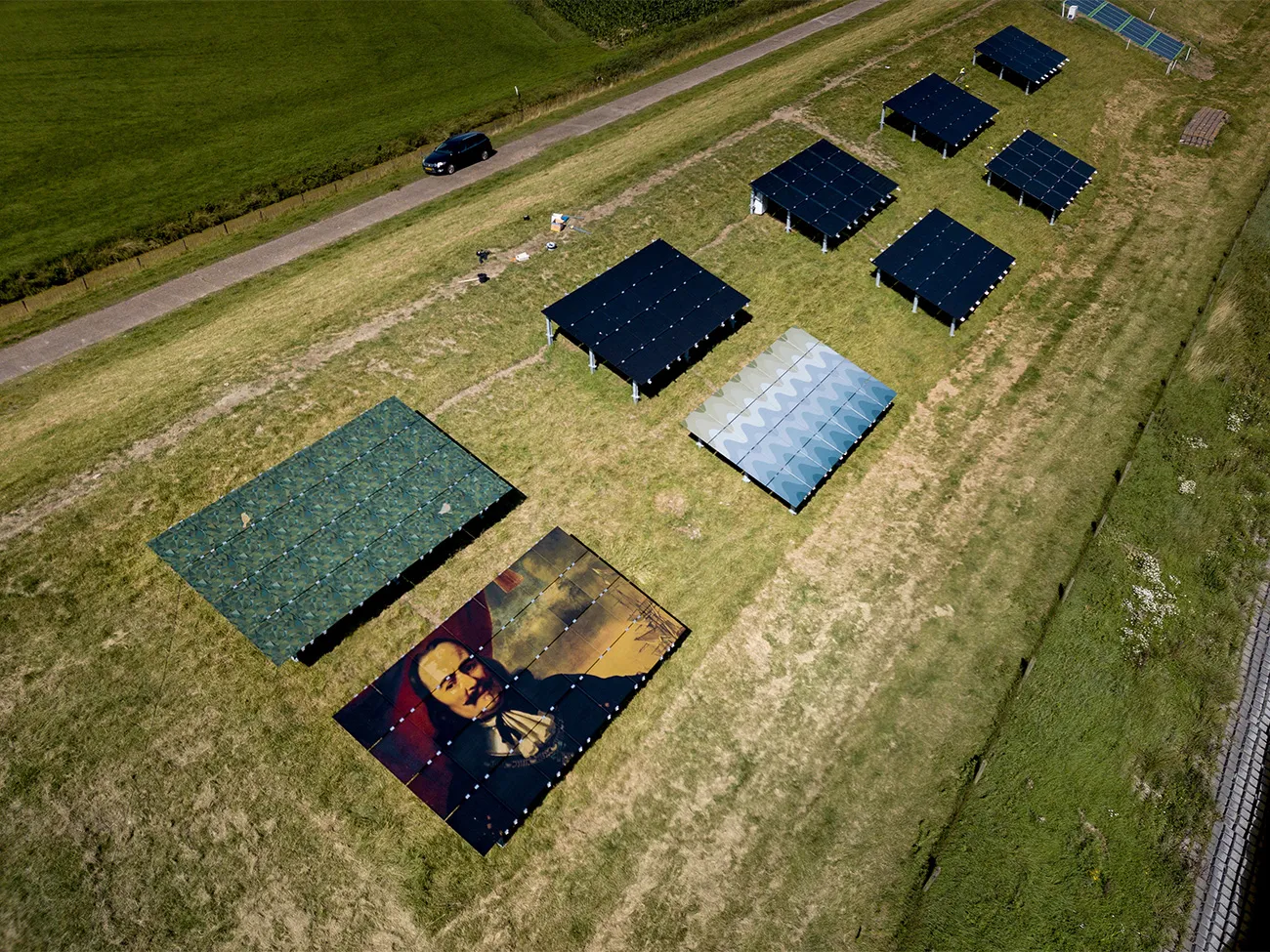
No new building project is complete without solar panels. Architects are often less than enthusiastic, though, as the energy gains for a building can come at the expense of its aesthetic appeal. Kameleon Solar, a solar panel manufacturer, has found a solution with coloured solar panels that offer architects a wealth of new design possibilities.
Kameleon Solar is a Dutch manufacturer of bespoke coloured solar panels, founded in 2015. The company focuses on façades. Kevin Verpaalen, creative director at Kameleon Solar, explains: “Instead of the standard solar panels you often see on houses, production halls or in solar farms, we try to make special panels that generate energy on façades without drawing attention to themselves.”
Well suited to urban applications
These solutions are increasingly popular with architects looking to make the best possible use of available space. Regulations are becoming much stricter, making sustainability upgrades essential. At the same time, high-rise buildings have limited roof space, which is increasingly taken up by systems needed to ensure the building’s sustainability. Architects are therefore having to look to the façade. “Our product is particularly interesting for office buildings and high-rise residential construction,” says Verpaalen.
Another advantage in urban environments is how the panels feed into the electricity grid. A façade generates proportionally more energy in the morning and evening than during the day. This reduces the typical peak in grid demand associated with rooftop installations and spreads the output throughout the day. It is also important to generate energy where it is consumed. Energy from solar farms, which has to travel a few kilometres, quickly loses efficiency. In that respect, Kameleon Solar’s products are an excellent fit for the high levels of energy consumption in cities.
In-house colour technology
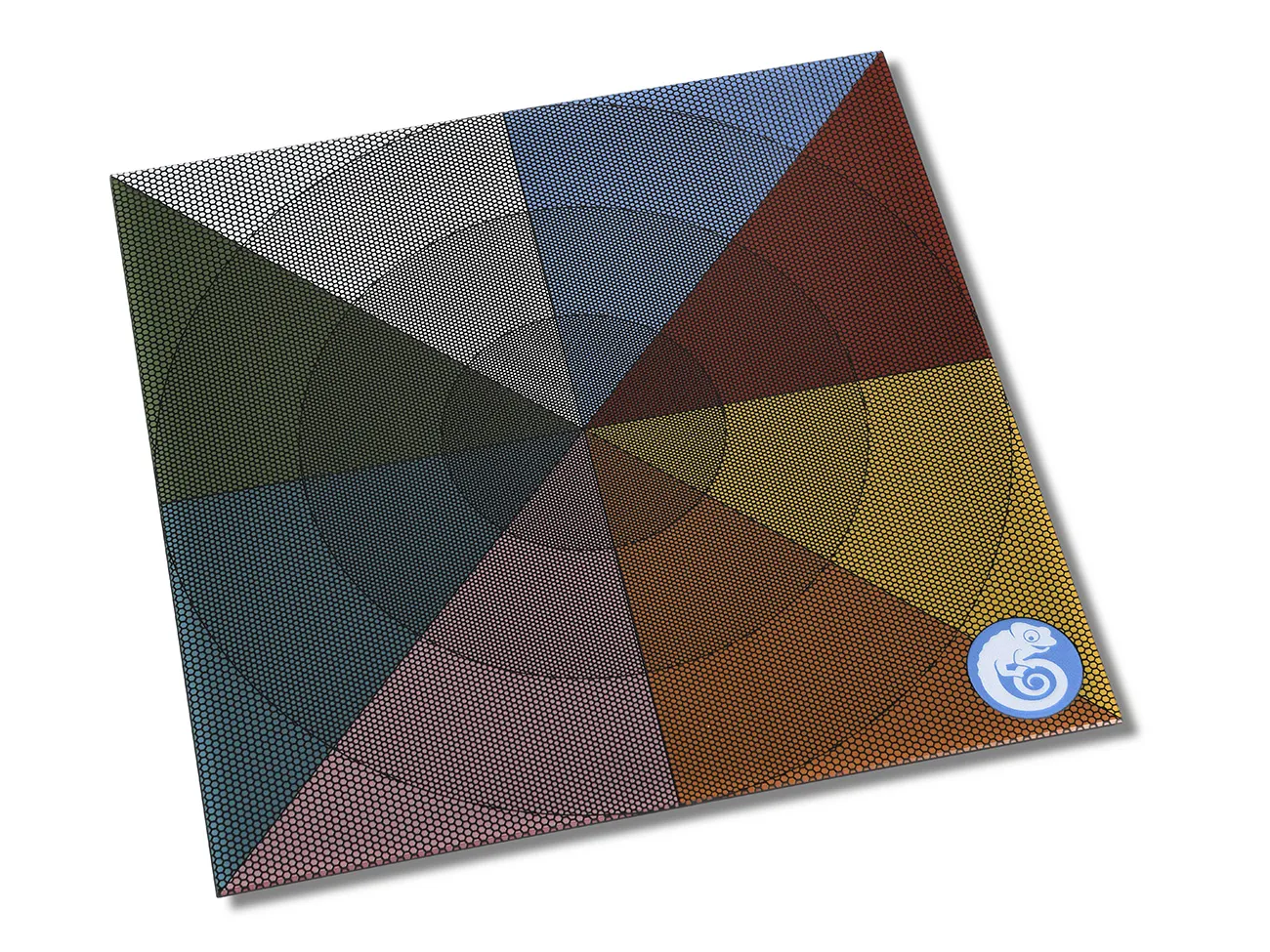
There are plenty of technical advantages, but aesthetics remained a major stumbling block for architects. “No one wants to look at an unattractive technical façade day in, day out, least of all designers,” says Verpaalen. “So we decided to explore a range of colour techniques that could make solar panels more attractive. This led us to develop our own colour technology, ColorBlast. We print durable ink in a pixel pattern on the outside of the glass. Light passes through the spaces between the pixels to the solar cells beneath the glass layer. From a distance, you can’t see that the image is made up of tiny dots, so it appears uniform.
The image is darker than the colour of the individual pixels because they are combined with black solar cells. If an architect specifies a particular RAL colour, Kameleon Solar knows which ink to print to achieve the right shade in combination with the black cells. The lighter the colour, the larger the pixel.
Inspiring project in Norway
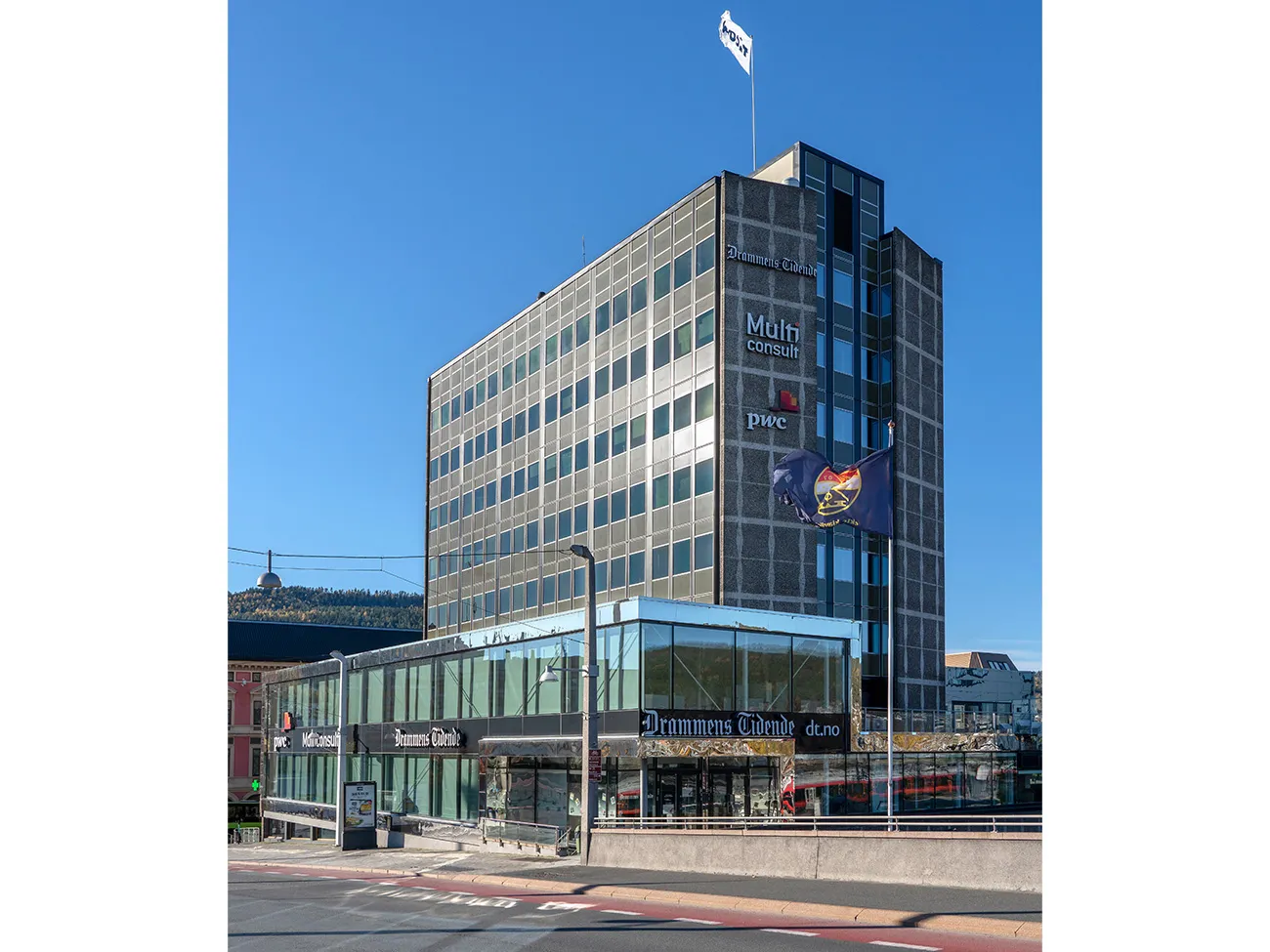
Kameleon Solar has already completed several impressive projects using ColorBlast. The Ticon Eiendom building in Drammen, Norway, a few kilometres south of Oslo, is a good example. The office and retail building had very high energy consumption and needed an energy retrofit. However, as it is a protected building and part of Drammen’s townscape, there was little scope to alter the exterior.
Verpaalen: “We clad three sides of the building with our solar panels, in a prefabricated assembly with four-layer insulating glazing. The outer pane is electrochromic glass, which darkens when the sun shines into the building. This is necessary in Scandinavia, where the sun is often very low in the sky. In winter, this helps the building save energy, while in summer it provides additional cooling. To make the façade not just energy-saving but energy-generating, the glass supplier looked for a company that could produce PV panels in almost exactly the same colour and dimensions as the existing façade panels. That’s how they found us. And it paid off: our combined solution accounted for 80 % of the energy reduction across the whole building. It now generates more energy than it consumes.”
Endless possibilities
Many companies are entering the coloured solar panel market. What makes Kameleon Solar unique, however, is its wide range of solutions for architects. “We manufacture our own products, but also source products from other suppliers to meet our customers’ needs,” says Verpaalen. “For example, we offer a product with coloured solar cells. This allows an architect to make that layer stand out rather than hiding it beneath another colour. We can also create crisp metallic effects instead of a matte finish.”
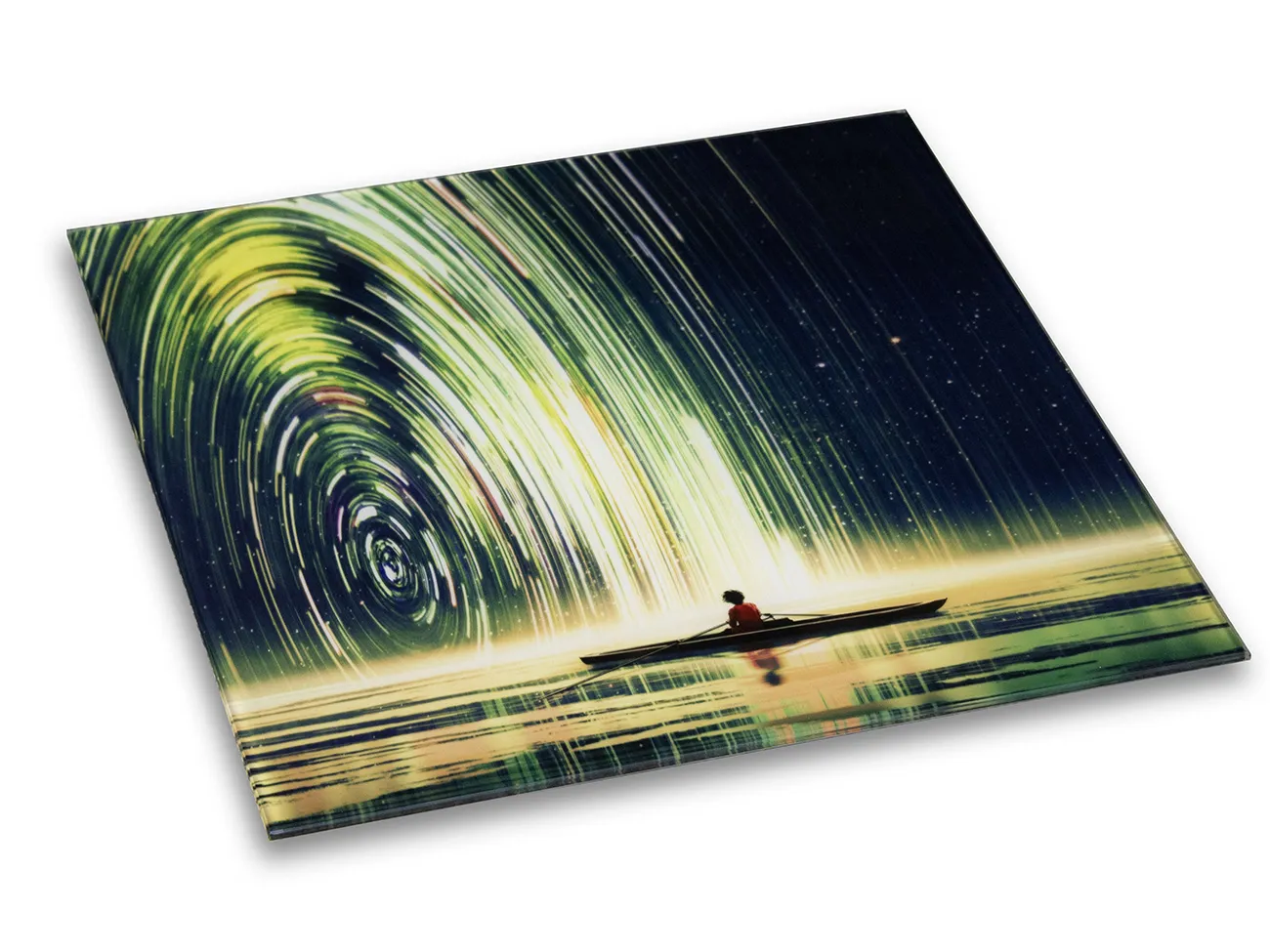
To complete its range, Kameleon Solar is launching several new products in December. The company will also offer white solar panels and be able to produce vivid, uniform colours where even up close you can’t see the individual pixels. “The possibilities are virtually endless, from Lamborghini yellow to Ferrari red,” says Verpaalen. A third new development is the ability to combine several colours with razor-sharp precision on a single panel to create photographic-quality images.
“This means we can offer a solution for every vision,” says Verpaalen. “Are you looking for a vivid colour to make a real design statement? Or would you prefer more natural colours, with a focus on performance? We have a suitable product for every one of those requirements. And we continue to innovate to give architects even more design options.”
Question about this story? Ask your question
Keep following this
Get an email when a new story is published. No account needed.
- SubjectGeneral







