











The energy transition in the public real estate sector
Text and images VEB
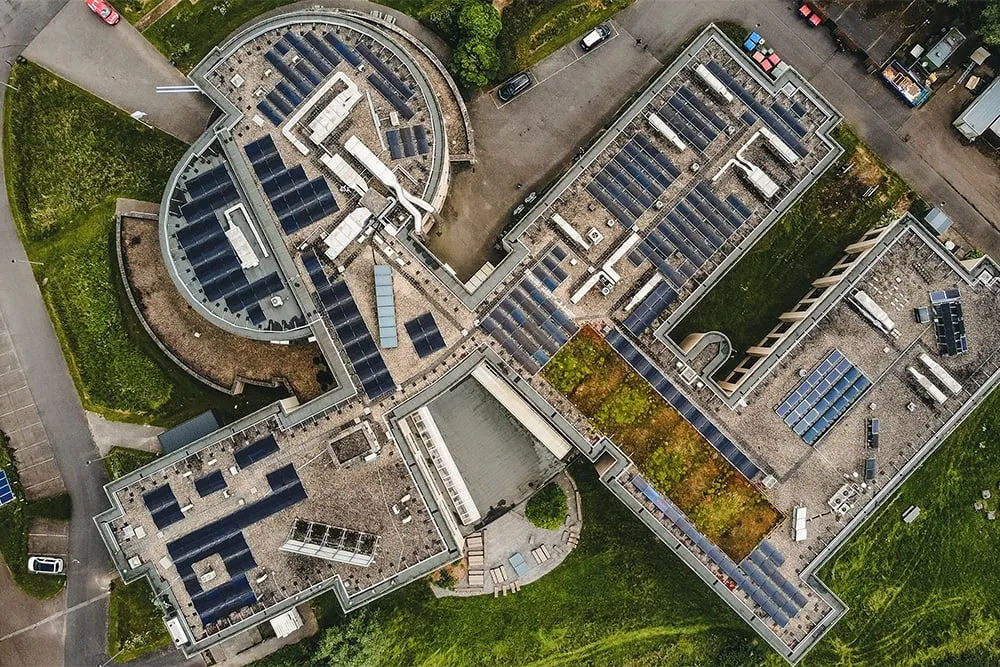
A unique opportunity for employees, organisations and society as a whole
Buildings account for a significant share of energy consumption and CO2 emissions. This means action is needed in this area to secure a sustainable future. The energy transition in the real estate sector offers the public sector a unique opportunity to adapt public buildings to future requirements. As well as presenting challenges, the process offers interesting opportunities for employees, the organisations themselves and society as a whole.
As a key partner to the public sector, VEB plays a crucial role in this transition. It not only provides solutions, but also guides organisations through a process that enables them to save costs in the long term and reduce their environmental footprint. The result is better, more energy-efficient buildings with greater comfort and a healthier indoor climate. This leads to more motivated employees who are less likely to fall ill. It also increases the value of the buildings. Energy bills fall, helping to protect financial plans from being thrown into disarray when energy prices rise. In addition, this transition process prompts organisations to reflect on their role in society and on how their employees work and live.
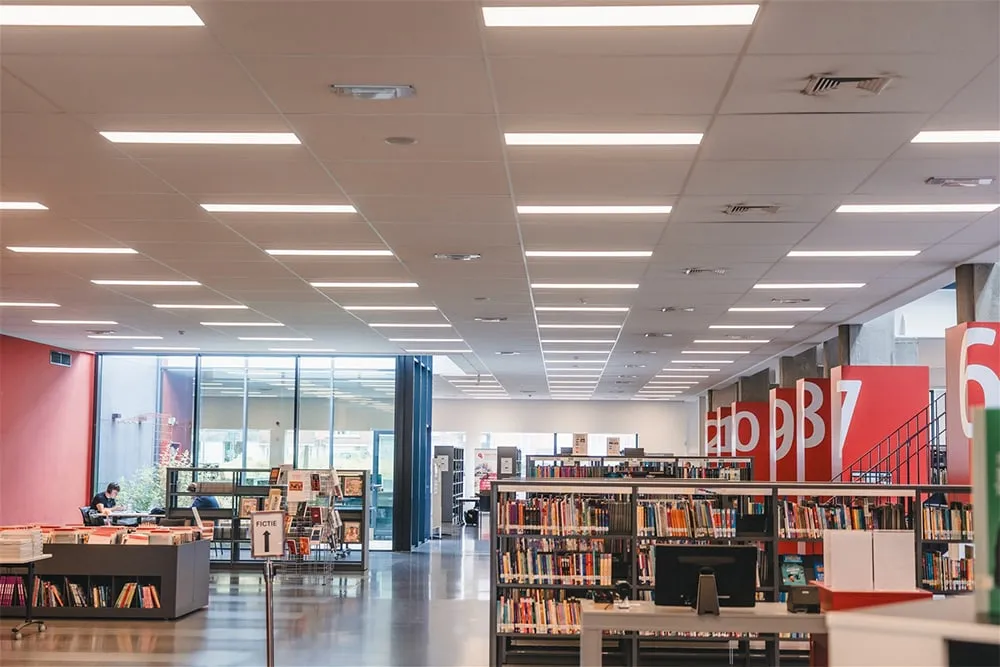
Five steps towards sustainability
The five steps offered by VEB, from raising awareness to implementation, provide a structured approach to making buildings more energy-efficient and climate-friendly. One of the key opportunities in the energy transition is to integrate energy generation and savings into real estate. Making extensive use of renewable energy sources such as solar panels and heat pumps, while phasing out fossil fuels such as natural gas, can help reduce energy costs and benefit the environment. Combined with energy-saving measures such as insulation and improved joinery, this forms VEB’s 360° approach. VEB bases this on detailed data from Terra, the Property and Energy Database. This makes it possible to analyse buildings holistically and provide tailored solutions.
Working with VEB also brings significant benefits in terms of efficiency and expertise. By using framework agreements, an organisation saves considerable time and resources, as VEB handles the tendering process. VEB also provides access to more than one hundred experts specialising in energy and real estate. This means that organisations, regardless of their size or complexity, can count on expert guidance and support, significantly increasing the likelihood of successful implementation.
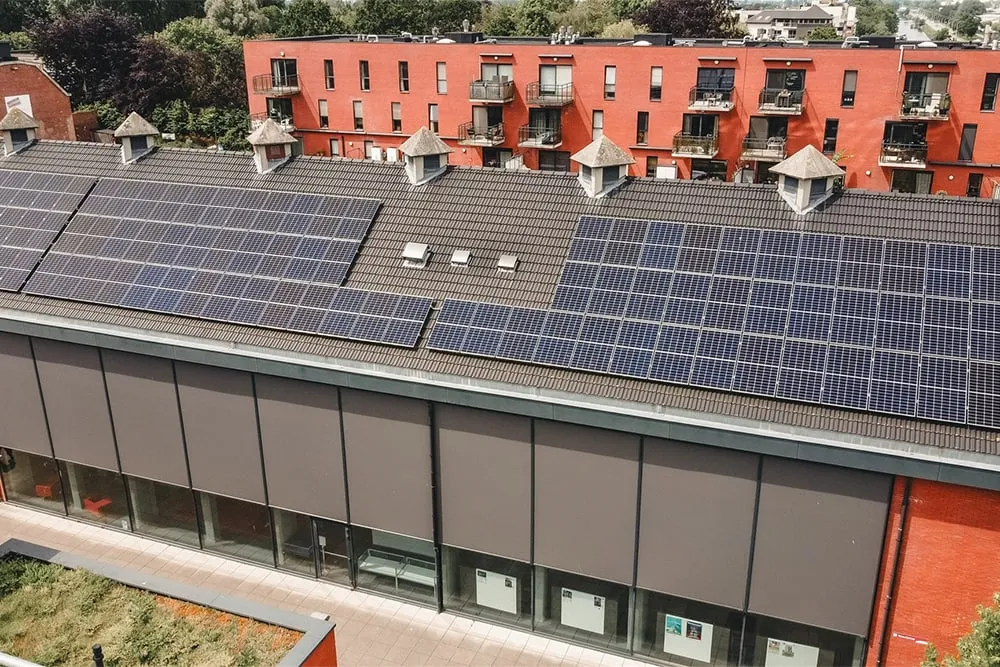
The economic benefits of energy-saving technologies
Another important factor is the economies of scale offered by VEB. By working with a major player such as VEB, public organisations gain access to competitive prices for green energy and sustainable building solutions. The supply of 100% locally generated green electricity and the use of energy-saving technologies can contribute not only to environmental objectives, but also to the organisation’s financial wellbeing.
As an externally autonomous agency of the Flemish Government, VEB combines the market clout of a commercial player with the reliability of a public authority. This enables public organisations to count on a strong partner to deliver the energy transition and help build a more sustainable future. This collaboration enables the public sector to take a leading role in the fight against climate change.
Een zakelijke vraag aan Vlaams Energiebedrijf? Get in touch
Companies in this story
Keep following this
Get an email when a new story is published. No account needed.
- SubjectGeneral
- CompanyVlaams Energiebedrijf







