Acoustics in buildings: myths and facts
Text Kris VandekerckhoveImage SonIQ
There are many misconceptions and prejudices about acoustics in the construction and architecture sectors. Common claims such as ‘acoustics is expensive’ and ‘acoustics is subjective’ are widespread. But let’s take a closer look at these myths and hear what SonIQ, a consultancy specialising in acoustics, has to say.
Bart Van de Velde, director at SonIQ: “As a specialist acoustics consultancy, we emphasise the importance of bringing in acoustic expertise from the outset of a construction project. Using advanced digital tools, we can determine with great precision which acoustic measures are required. These software models show not only where additional attention to sound insulation is needed, but also where there are opportunities to simplify and save costs. This enables us to provide a thorough, cost-effective solution for acoustic optimisation every time.” Yet many myths about acoustics still circulate in the sector. SonIQ dispels them all with practical facts!
Myth 1: acoustics is expensive
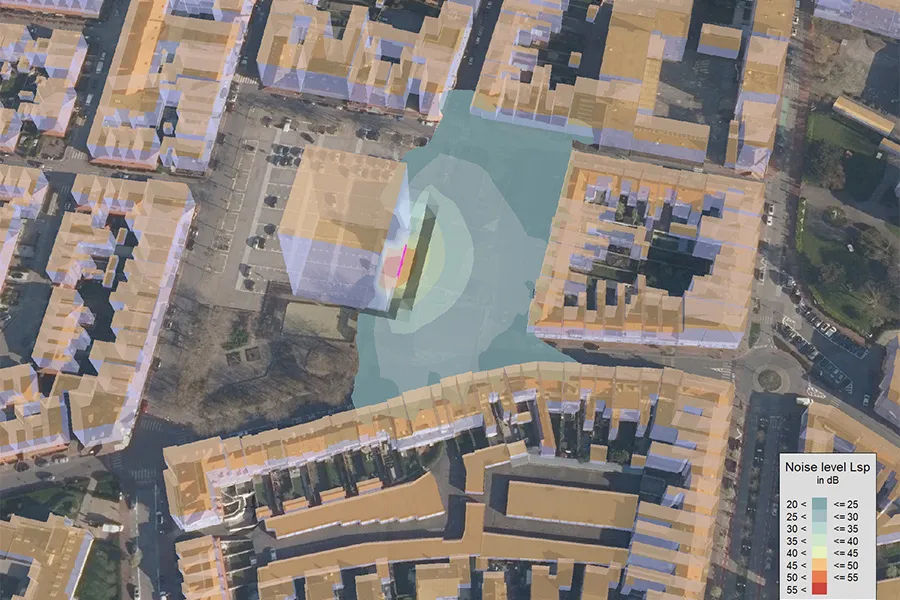
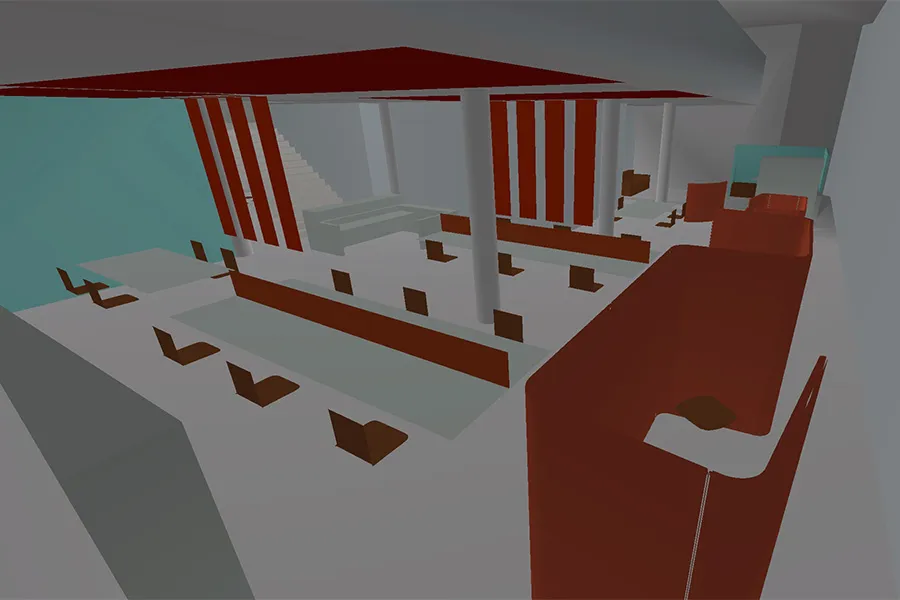
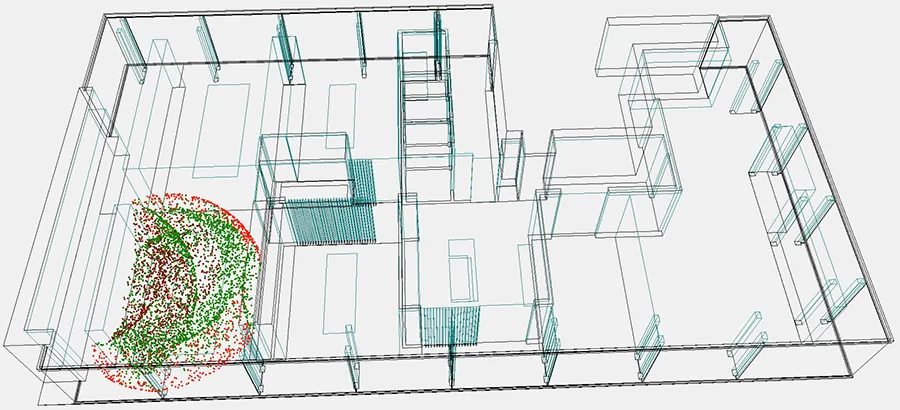
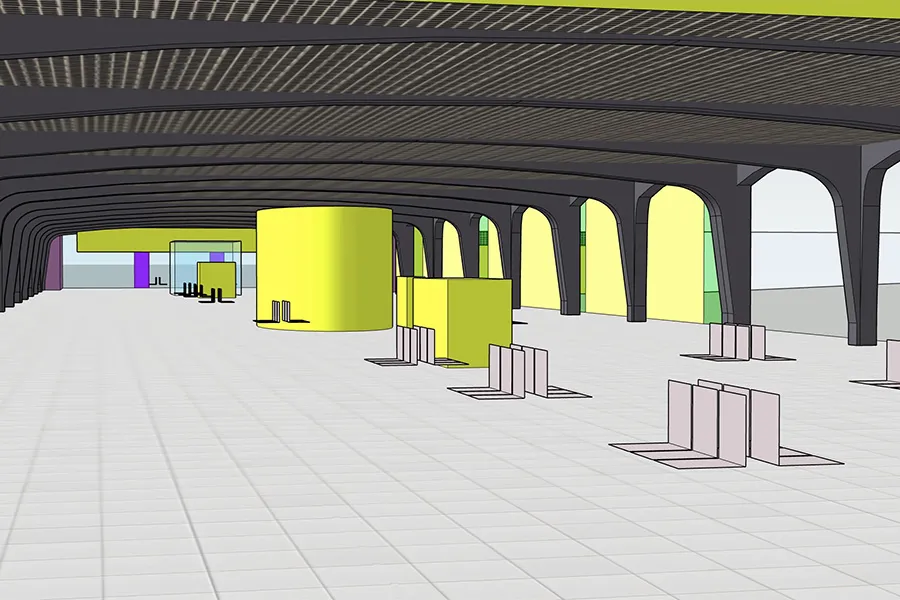
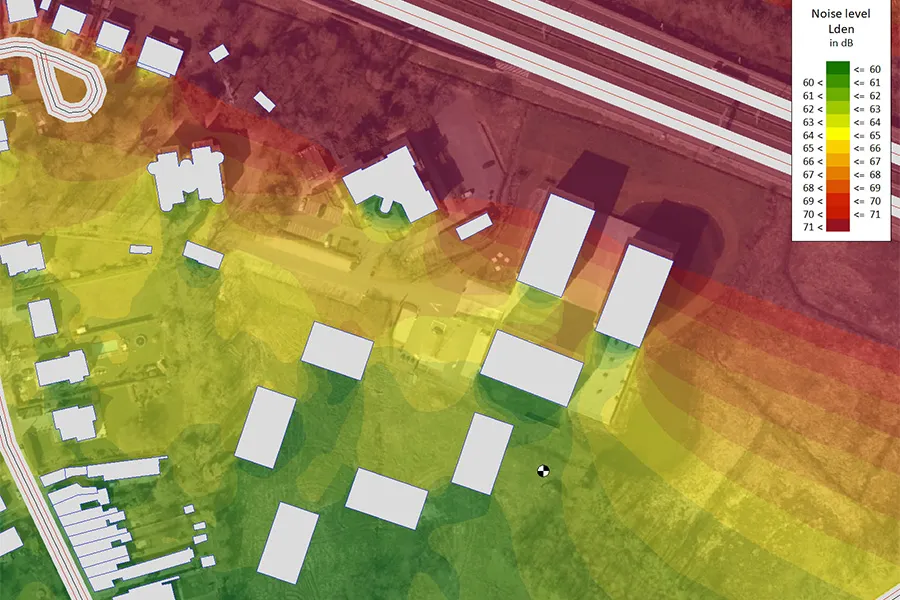
Investing in a good acoustic study during the design phase avoids surprises during or after construction. More can be saved on materials by calculating more accurately. This makes good economic and environmental sense. Bart Van de Velde: “SonIQ specialises in using 3D models to calculate acoustic performance, for indoor spaces (room acoustics), sound transmission between different spaces (building acoustics) and outdoor areas (environmental noise).”
Myth 2: acoustics is subjective
This is a common claim, but it is important to understand that acoustics can largely be measured and analysed objectively. Standardised parameters and measurement methods are used to assess acoustic performance. Bart Van de Velde: “Laws, standards and guideline values ensure that every type of building is assessed in a comparable way. As a specialist consultancy, SonIQ can carry out these measurements and calculations objectively and provide advice based on measurable data.”
Myth 3: an acoustic study is not necessary
Although architects play an essential role in the design of buildings, it is important to note that acoustics is a highly specialised field. Acoustics accounts for only a limited part of an architect’s training, and the subject is often highly specific. Bart Van de Velde: “Even acoustic specialists need ongoing training and expertise to understand and apply the complexities of acoustic optimisation.”
Myth 4: there is no specific profession for acoustics
The role of ‘building acoustics consultant’ is still relatively unknown in many cases. Buildings, particularly homes, are often constructed without any acoustic checks. Bart Van de Velde: “If complaints about noise pollution arise later and acoustic problems are identified, resolving these issues can be considerably more expensive and complex. The importance of obtaining acoustic advice and expertise in advance is often underestimated.”
Myth 5: acoustic insulation was installed between the walls
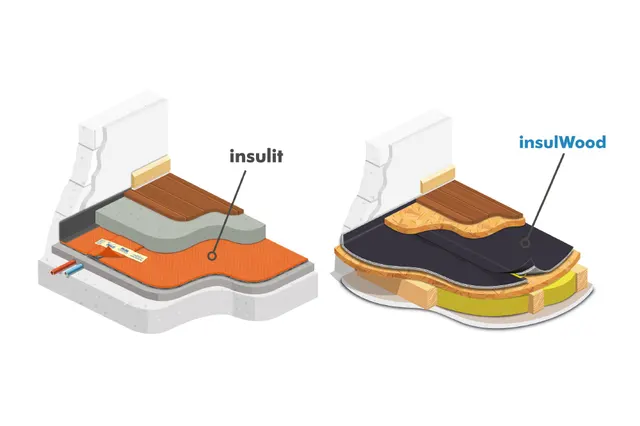
It is a common mistake to simply describe the mineral wool installed between two walls or ceilings as ‘acoustic insulation’. Unlike thermal insulation, acoustic insulation is not a standalone product, but rather a system made up of several components. In the case of double walls with heavy leaves, for example, the added value of the mineral wool in the cavity is often negligible. “In a world where noise pollution and acoustic quality are becoming increasingly important, it is clear that the myths surrounding acoustics need to be dispelled. Acoustics is not an unnecessary expense, but an investment in the wellbeing and satisfaction of a building’s users. By working with a consultancy, construction projects can be acoustically optimised, preventing unnecessary costs and problems in the future,” concludes Bart Van de Velde.
Een zakelijke vraag aan SonIQ BV? Get in touch
Companies in this story

Keep following this
Get an email when a new story is published. No account needed.
- SubjectAcoustics
- CompanySonIQ BV