Tips and tricks for perfect office acoustics
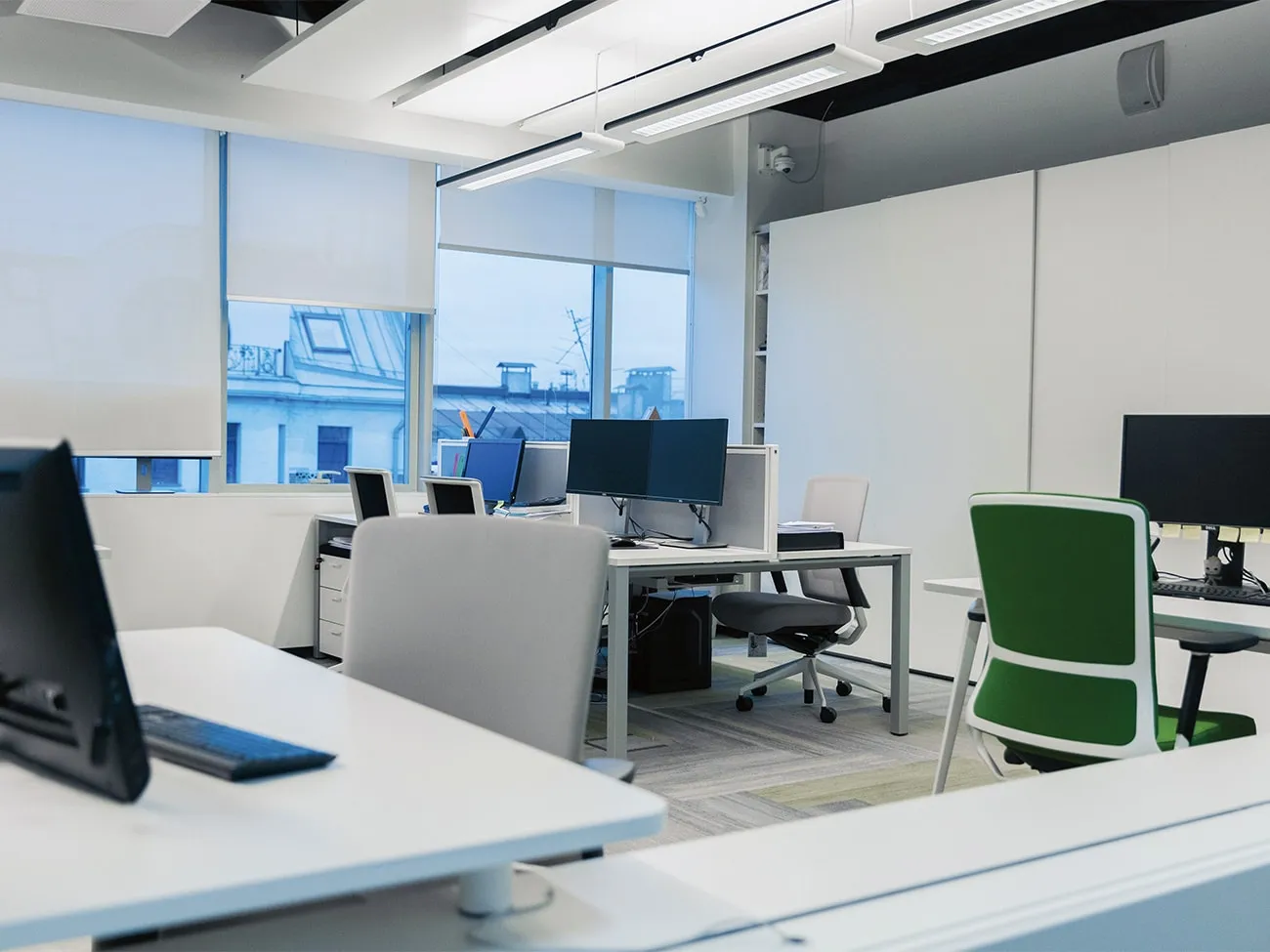
An office interior can be as inspiring as you like, but if the acoustics are poor, it counts for nothing. Fortunately, there are plenty of effective solutions for improving acoustic comfort in office environments. At best, they can also enhance the aesthetics. Here are a few useful tips.
It all starts with the design
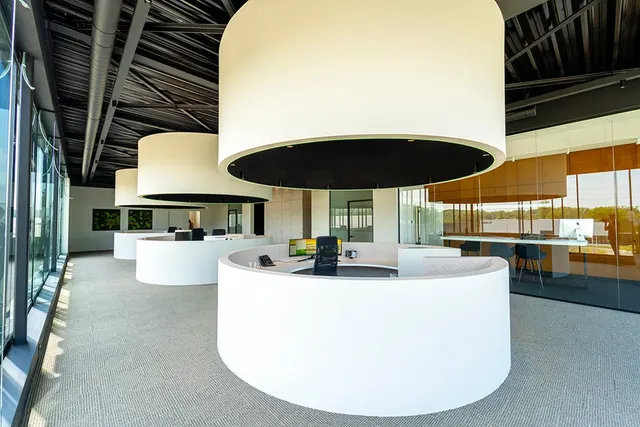
Large, open spaces do not necessarily mean poor acoustics. By dividing up an office floor intelligently, you can significantly improve the acoustic baseline. Consider a mix of open and more intimate spaces, preferably separated by elements that do not reflect sound too strongly, or ideally absorb it.
Sound-absorbing floor and wall coverings
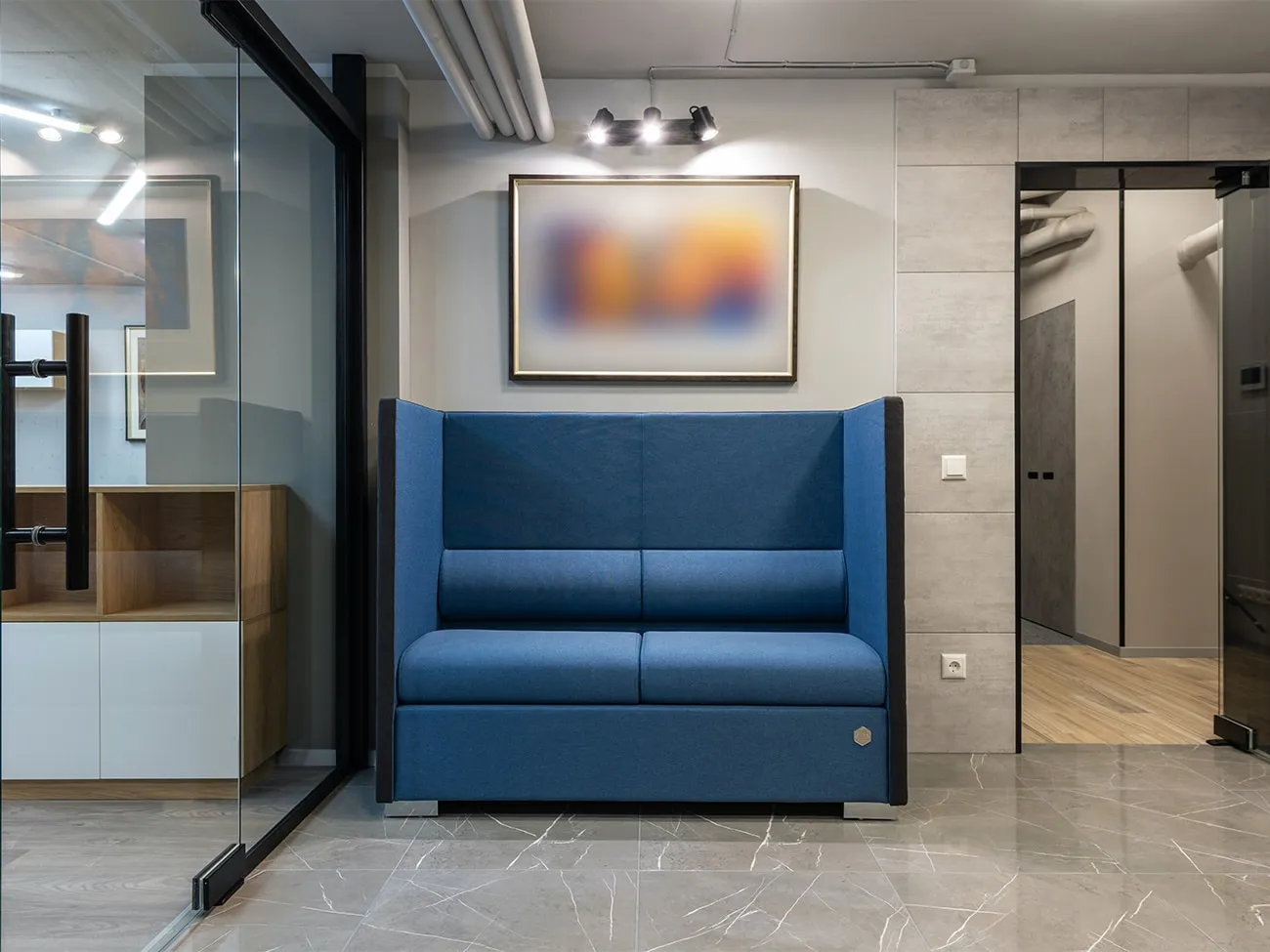
A no-brainer when it comes to acoustics: floor and wall coverings that absorb sound and prevent disruptive reverberation. Think carpet, fabric features, curtains, wooden accents or even moss walls. These acoustic finishes also add character to the interior.
Carefully chosen furniture
Furniture can also make an important contribution to acoustic comfort in an office environment. ‘Soft seating’ elements are particularly useful here. Their fabric upholstery naturally acts as a sound buffer.
High-backed armchairs, for example, can almost create a quiet corner in their own right.
Thinking in boxes pays off
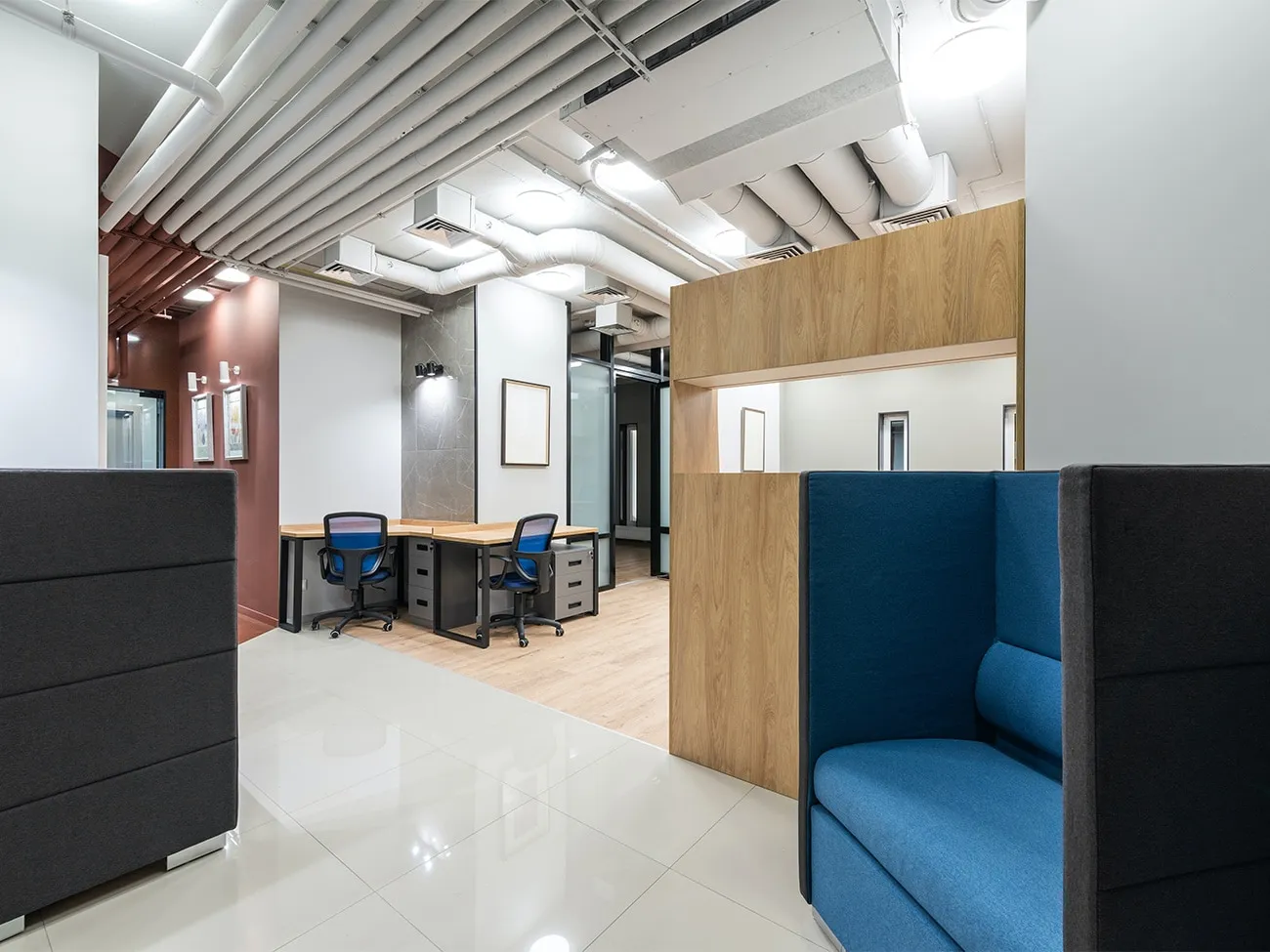
A striking trend in office design: ‘cosy corners’, ‘office pods’, ‘privacy booths’ … In other words, small enclosed spaces or seating elements where employees can retreat to enjoy some peace and quiet, or make as much noise as they like without disturbing their colleagues. Their sound-absorbing materials also help keep workplace noise to a minimum.
Acoustic panels and screens
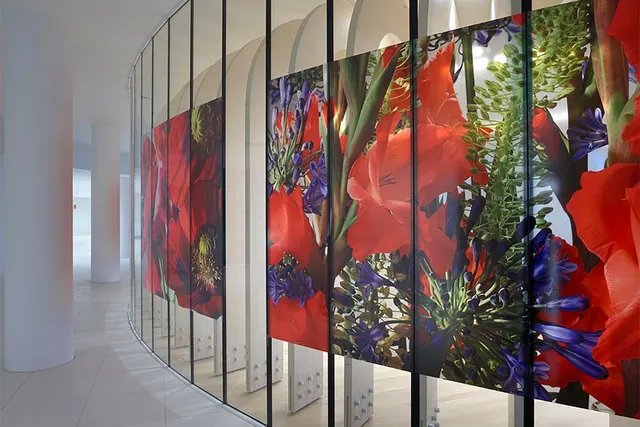
So much for ‘passive measures’, because noise nuisance can of course also be tackled actively, or even proactively. Think, for example, of acoustic wall or ceiling panels, ceiling rafts, with or without integrated lighting, or acoustic baffles. Glass walls and balustrades can also play their part.
Insulated partition walls
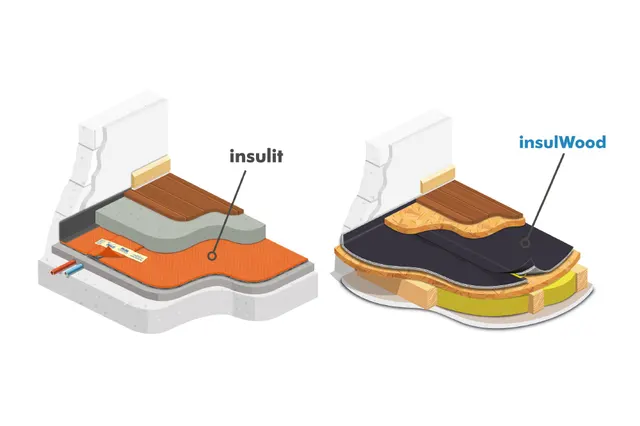
Finally, you can also improve office acoustics with additional insulation. Not so much by insulating the building envelope, although that obviously helps too, but rather the partition walls between different spaces. Nothing is more disruptive than noise from neighbouring rooms travelling through the walls. Extra insulation on internal walls is therefore no luxury, especially in meeting rooms or so-called ‘quiet rooms’. There are also plenty of sound-insulating glass walls that preserve visual contact with the rest of the office floor.
Question about this story? Ask your question
Keep following this
Get an email when a new story is published. No account needed.
- SubjectAcoustics