Sweco: “Implementing BIM more realistically through an integrated approach”
Text Tim JanssensImage Lilian Jacobs, Sweco

BIM has become an integral part of today’s construction practice. Now that the transition from 2D to 3D design is well and truly behind us, it is time for the next step, emphasises Anthony Kennes, Team Manager of the Buildings BIM team at Sweco Belgium: “At present, BIM is still too often treated as a separate aspect of a project, and there is frequently a significant gap between theory and practice. We need to move towards a realistic, integrated approach in which BIM principles are directly linked to project management and regarded as an inherent part of the design and construction process.”
Harnessing the power of digitalisation to help build a sustainable future is the key driving force for Anthony Kennes and his close colleagues at Sweco. That is why they have invested heavily in recent years, with BIM among the key priorities in their day-to-day project work. At the end of 2022, for example, they set up a fully independent BIM team to support Sweco’s various departments. The methodology is now well established, although there is still room for improvement. “Our project teams tell us that BIM often comes with a large theoretical framework, but needs to be implemented more realistically in projects. The key is to determine, based on the project requirements, what can be added from a digital perspective to improve quality, without going too far. This is where we still often fall short. We need an approach that aligns overall project delivery with digital working methods. Not just at company level, but also on individual projects. This will enable us to realistically address the needs of our partners and the client, as well as the context in which we operate,” explains Anthony Kennes.
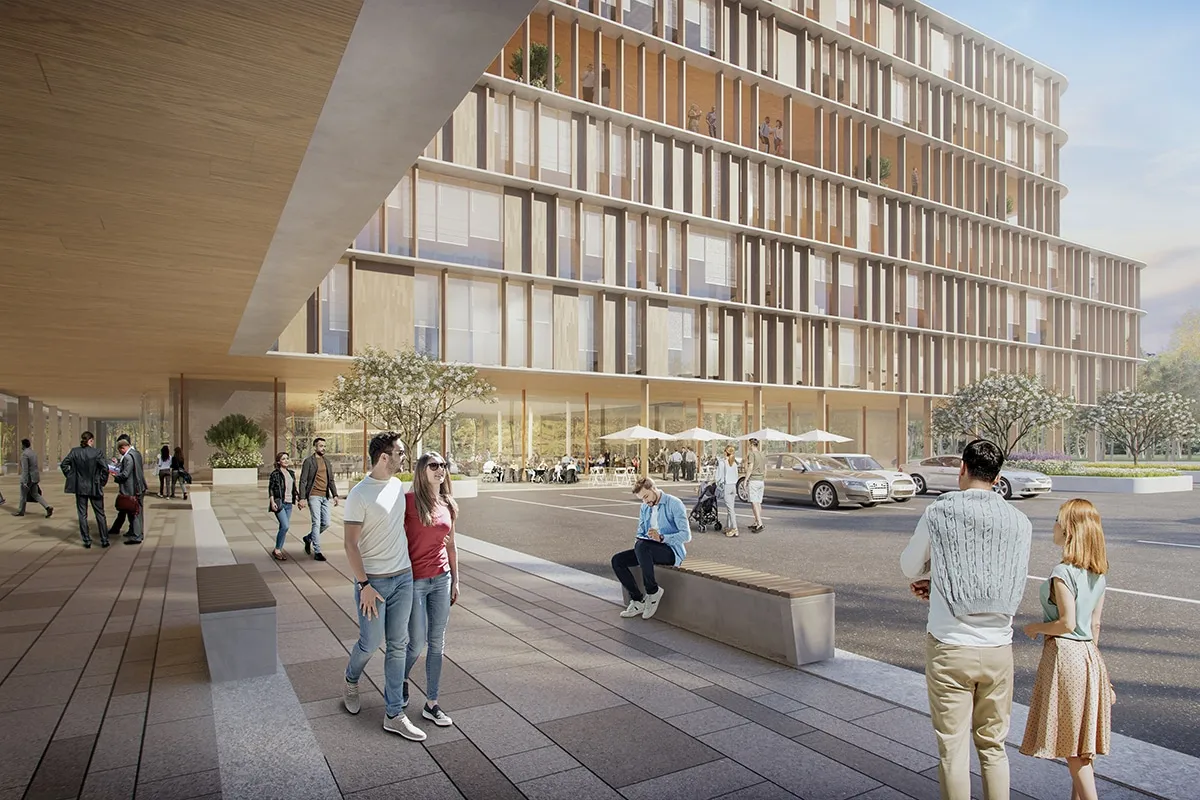
Wider adoption of BIM knowledge
“Clients are showing increasing interest in BIM,” says Anthony Kennes. “That is clearly a positive development, although their understanding often remains theoretical, and they do not always know exactly how BIM can be put to practical use. This can lead to requests that are not backed by a budget or do not necessarily add value. Our first and foremost role is therefore to advise, using a realistic, integrated approach firmly focused on business outcomes. In other words, we aim to capture the practical benefits of using BIM without increasing the administrative burden. It would be a waste to invest so much work in a model that is not used properly, because that defeats the purpose of BIM. That is why, for example, we need to move away from the traditional practice of sending generated 3D plans by email. To realise the full potential of BIM, all communication must take place through the 3D model and its derived outputs. In short, knowledge of BIM applications should no longer be the preserve of BIM designers, managers and coordinators, but should also be shared by architects, engineers and clients. Our BIM managers and consultants have the expertise to guide them through that process.”
From 2D to fully fledged BIM design
One of those project managers is Fréderic Dierinck. He too stresses that linear project delivery is a thing of the past. “Now that everyone is working on several models in parallel, a common data environment and efficient information management are essential. You need continuous access to the latest information, so that you can adjust your designs straight away if necessary, in response to real-time developments.” The value of BIM in this respect was recently demonstrated during the construction of a new production line for an international player. “The request to use BIM stemmed from the client’s desire to gain greater insight into the project during the design and construction phases. Things really got moving when I joined forces with our design manager and BIM manager. The latter also attended the design meetings, enabling us to make the necessary decisions together with the client and architect. By making the 3D models readily accessible in the common data environment and using them as the single source of truth, we ensured that the BIM tools served as a guide at every meeting. The added value was enormous: easier design decisions, better communication, smoother integration of important parameters such as ecology and the surrounding area, and improved quality … The client was so enthusiastic that they took the 3D process further on their own initiative, in particular by developing an innovative VR application that allowed users to walk virtually through the 3D model. It is wonderful to see that we were able to share our expertise in such a positive way. This project is a textbook example of how to make the switch from a traditional 2D approach to fully fledged BIM design.”
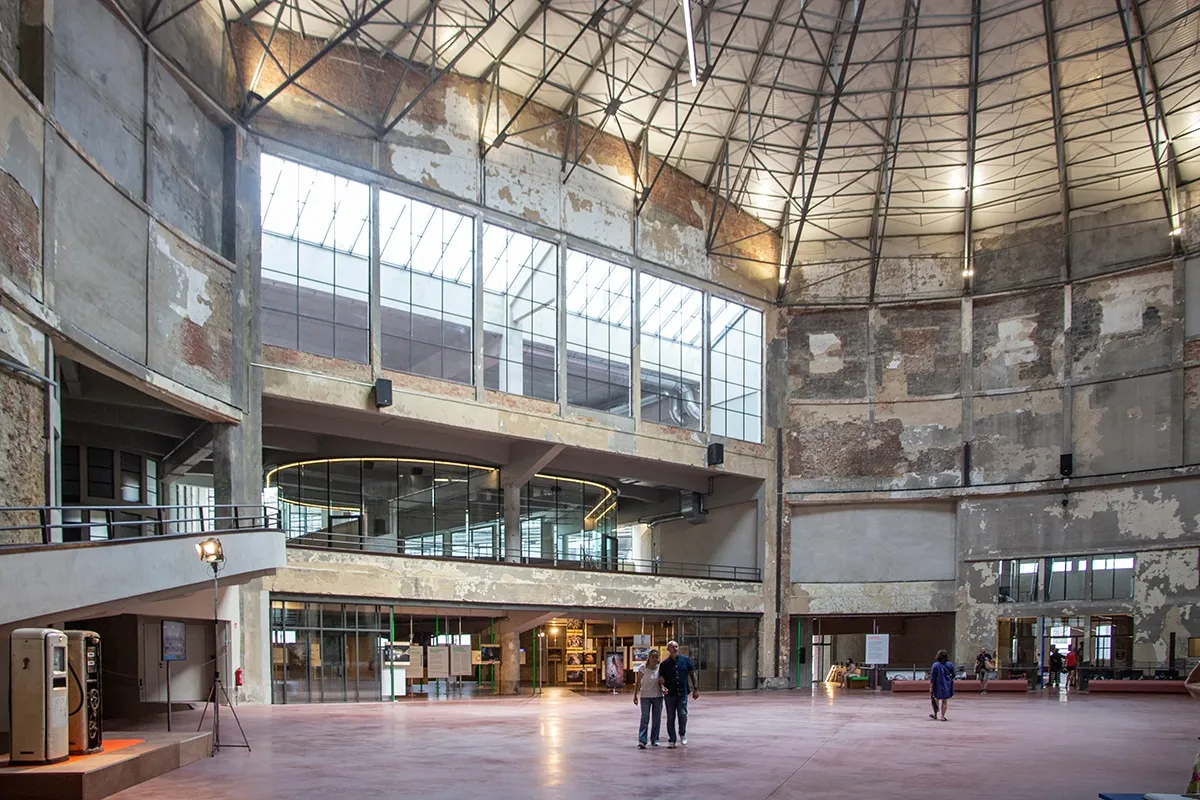
Thinking critically about the use of BIM
It is clear that Sweco continues to lead the way in the effective use of digital tools such as BIM. But that is not an end in itself, emphasises Anthony Kennes. “Our main added value lies in the quality of our design team, which uses BIM thoughtfully to achieve (even) better-informed decisions and improved project outcomes. Our role as Sweco’s BIM team is to guide both the entire project team and the client on a project-by-project basis. The move towards digitalisation, framed in terms of BIM, is all too quickly reduced to creating a visual 3D model. It is about managing information, of which the visual model is one component and/or can become a primary carrier of information. And within such a model, there are many options. Without a clear overall vision of its purpose, the added value achieved will only be realised to a limited extent. Is it for geometric checking, quantity take-off management, a calculation model or an asset management tool … or a combination of these? A critical assessment of these options is what enables the right choices to be made and the intrinsic potential of the BIM methodology to be fully realised.”
Een zakelijke vraag aan Sweco Belgium? Get in touch
Companies in this story

Keep following this
Get an email when a new story is published. No account needed.
- SubjectBIM
- CompanySweco Belgium