Concrete and steel construction
Micro- and macrofibres for fire-resistant, sustainably reinforced concrete infrastructure
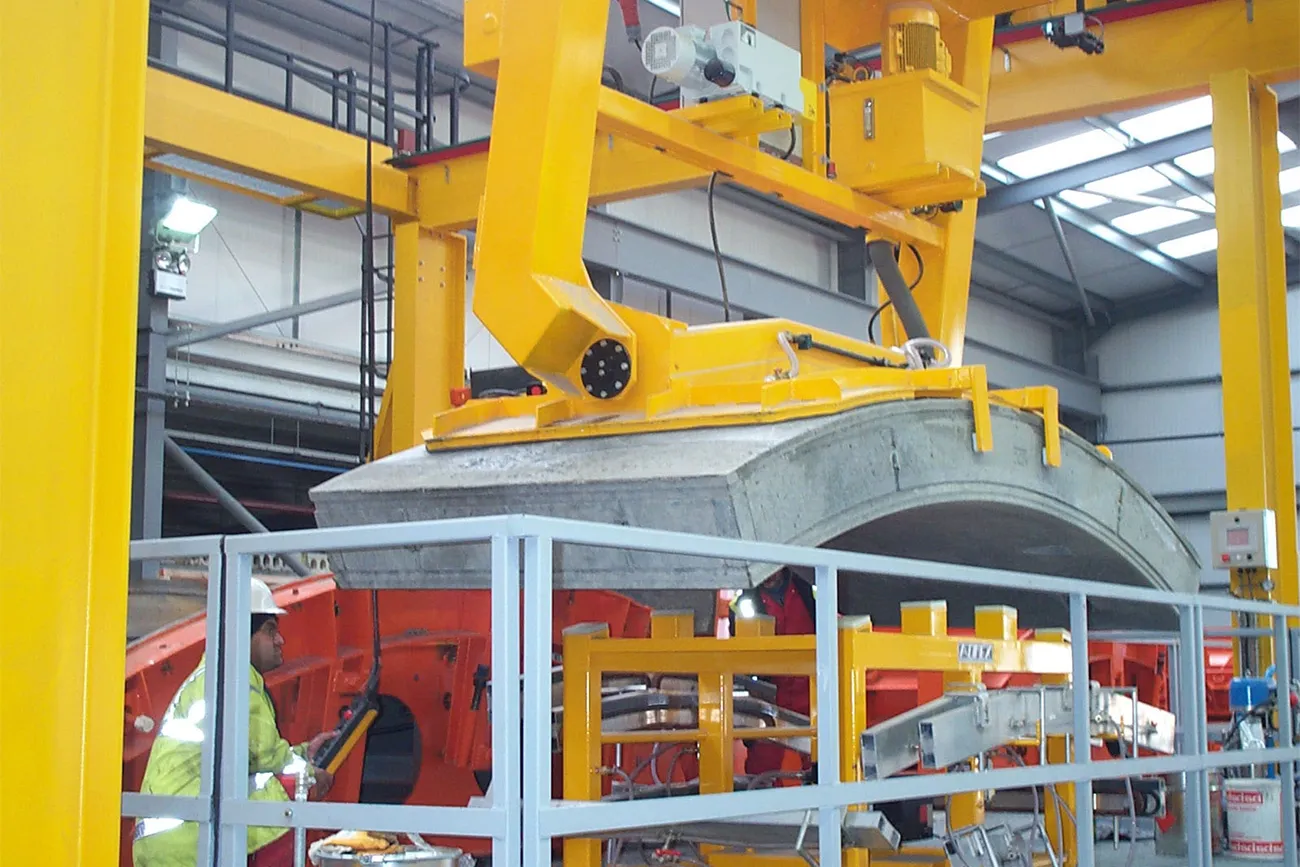
With its Durus® Easy Shot macrofibres and Ignis® microfibres, Adfil offers two top products for reinforcing concrete and providing passive fire protection, respectively. Both products are used in concrete infrastructure worldwide and have also proved their significant added value in Belgium. “Durus® Easy Shot is the best-performing fibre for shotcrete on the market, while even a small quantity of Ignis provides a unique fire-resistant effect,” says Jeroen Smet, technical sales director at East Flanders-based Adfil, a developer and manufacturer of high-performance fibres for reinforcing ready-mixed concrete, shotcrete and precast elements.
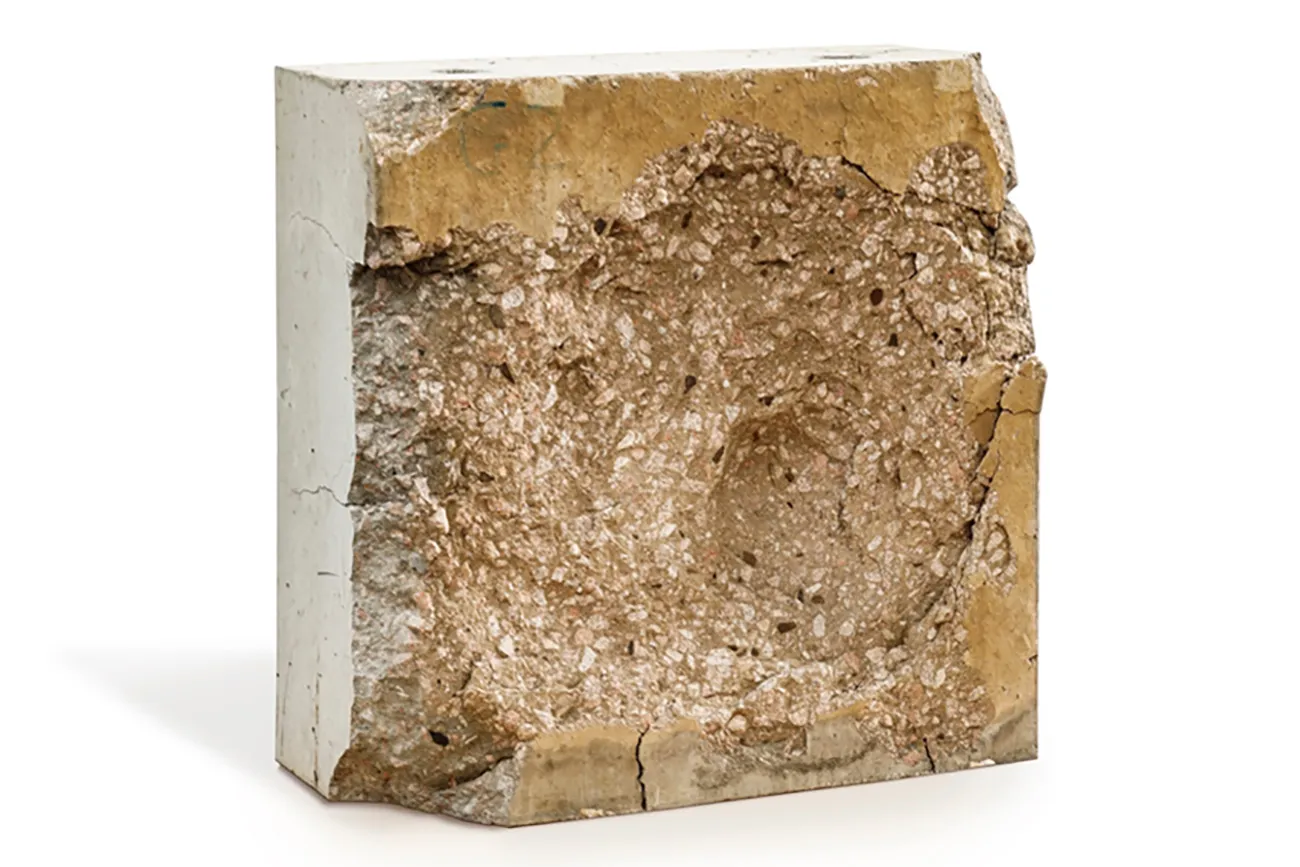
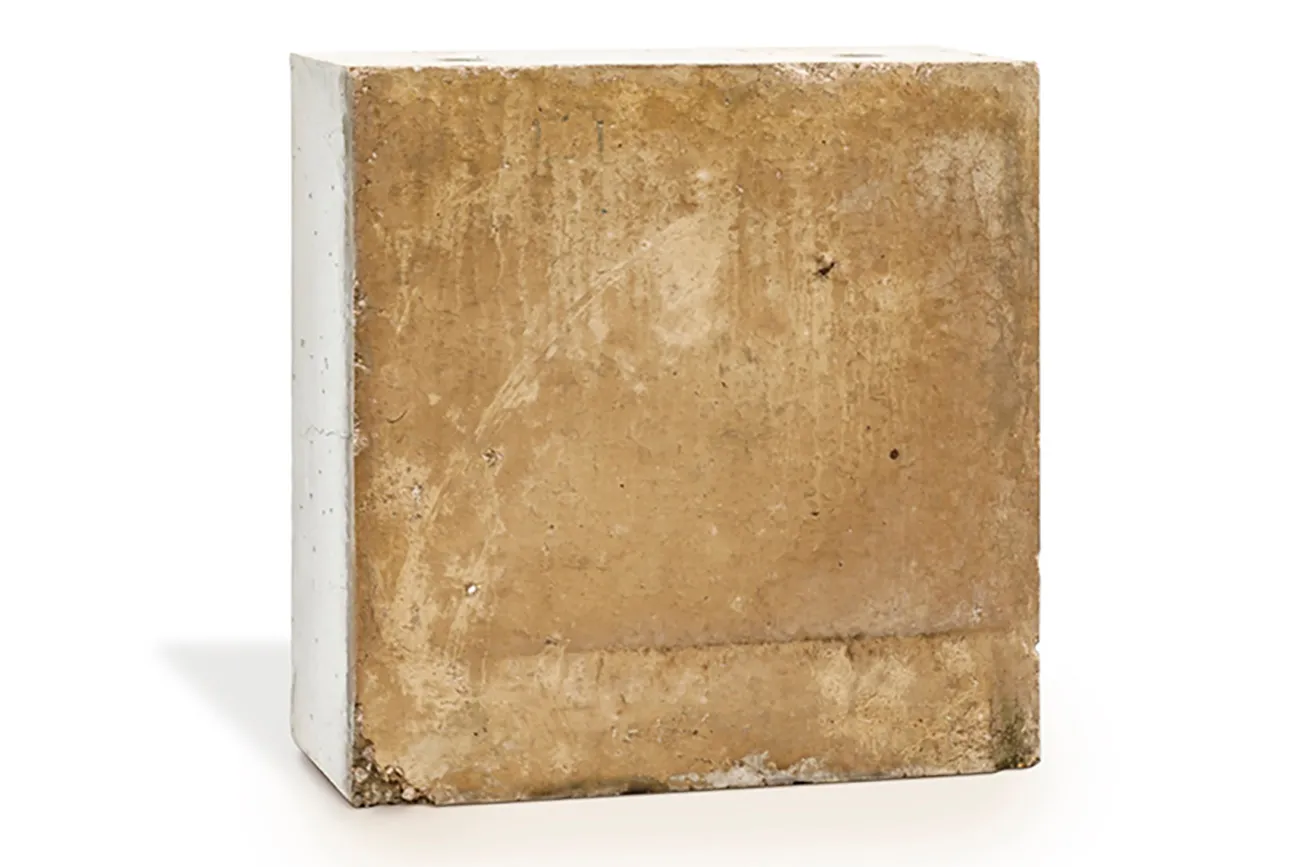
Concrete remains the most widely used construction material in tunnels around the world. Following several tunnel fires in Europe and the growing threat of terrorism, attention has increased significantly in recent years to the performance of concrete structures, both above and below ground. Passive fire protection that safeguards structural integrity is therefore crucial for everyone’s safety. Jeroen Smet: “Our Ignis® microfibres make concrete fire-resistant, preventing the risk of explosive spalling when exposed to extremely high temperatures. When concrete in, for example, a tunnel is exposed to very high temperatures, the water in the concrete expands very rapidly. If this expansion exceeds the tensile strength of the concrete, it can lead to explosive spalling and therefore very dangerous situations, for example for firefighters.
Efficient and cost-effective
Adding the ultra-fine Ignis® microfibres to the concrete therefore safeguards the concrete structure, even in the event of a fire. Wim Ronsse, technical sales manager at Adfil: “A large network of very fine channels forms in the concrete, allowing steam to escape and greatly reducing the concrete’s expansion. This can be achieved with a dosage of just 1 to 2 kg of microfibres per cubic metre of concrete. It is highly efficient and cost-effective. What’s more, the fibres are added during the manufacture of precast concrete elements. This contrasts with fire-resistant panels, for example, which are installed afterwards, making the process more time-consuming and therefore more expensive. Ignis® microfibres are many times cheaper than any other solution for achieving fire resistance.”
Structural reinforcement
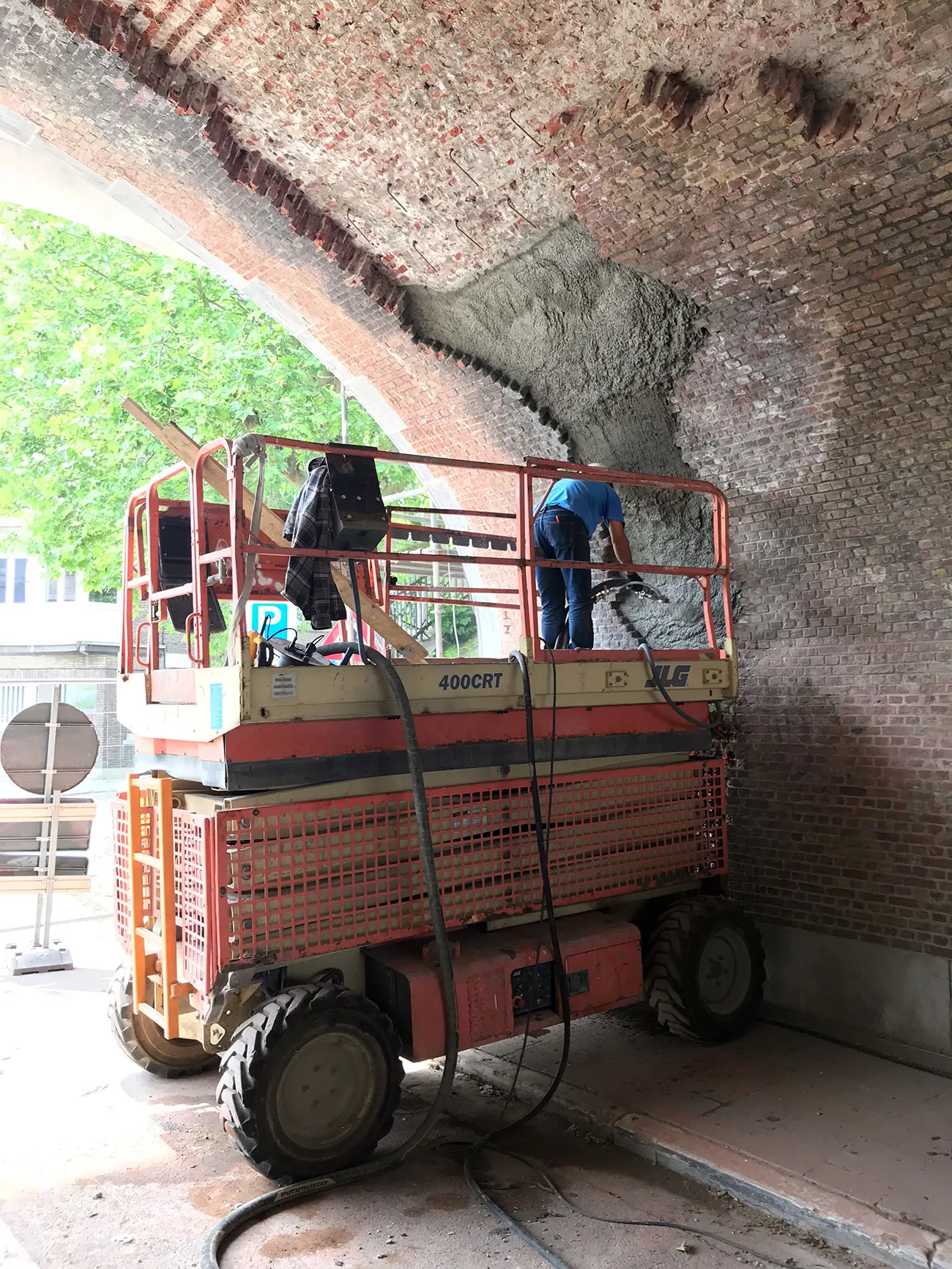
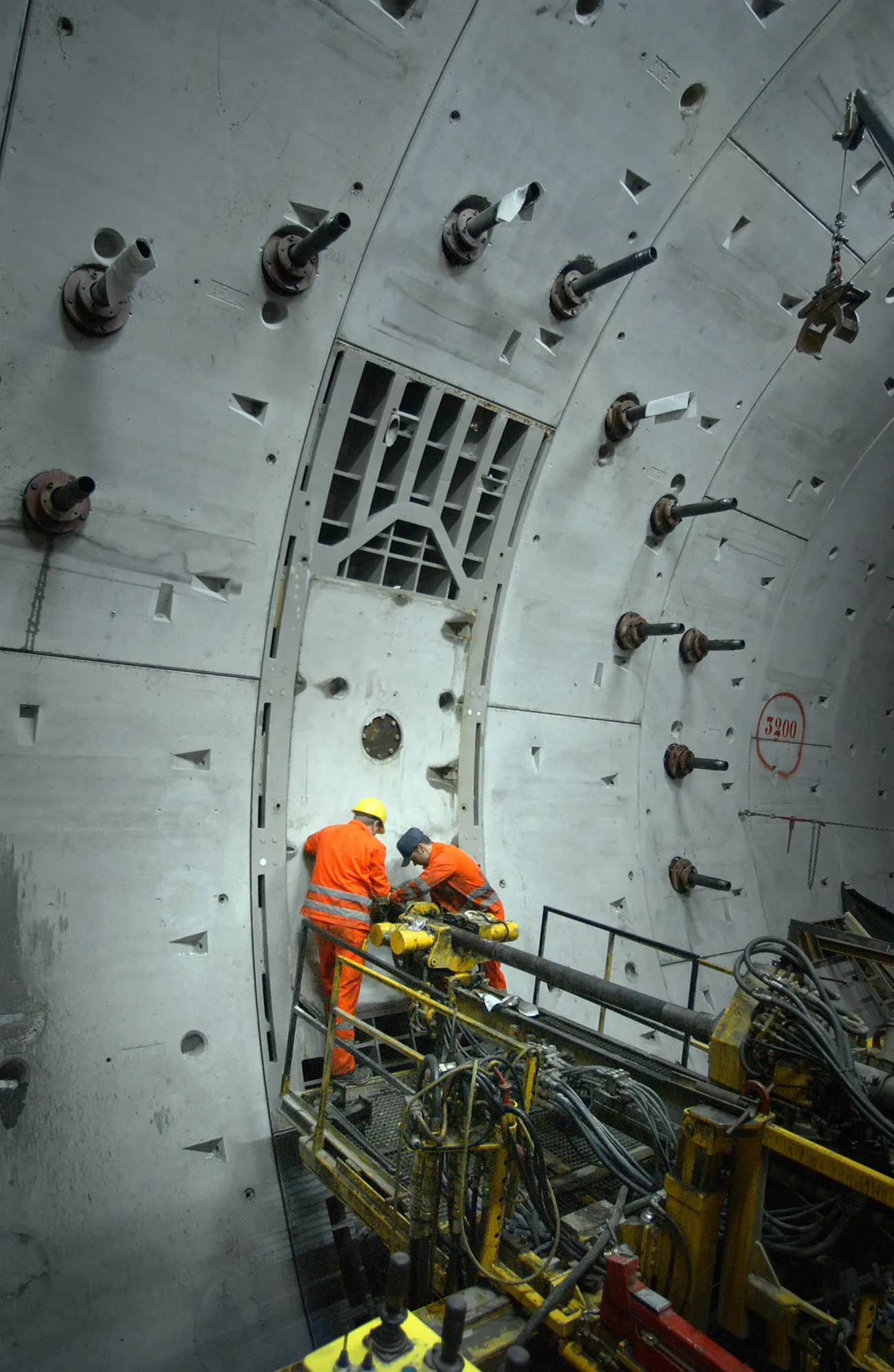
The Durus® Easy Shot macrofibre, in turn, is a well-established solution for strengthening concrete structures. Durus® Easy Shot is used as structural reinforcement in tunnels, (railway) bridges, embankments … In shotcrete, this polypropylene fibre has been shown to achieve a high level of energy absorption at low fibre dosages. Jeroen Smet: “Durus® Easy Shot is the best-performing fibre for shotcrete on the market. Using macrofibres in shotcrete makes it possible to eliminate steel reinforcement. This is not only much cheaper in terms of materials and time, but also more sustainable, since steel production still has a heavy environmental footprint. It also eliminates a great deal of transport.”
Used worldwide
At a dosage of just 4 kg/m³, the fibre has outperformed its alternatives for energy absorption in terms of cost per joule. It is also safer to use and handle than reinforcing steel. Thanks to its greater length, Durus® Easy Shot also performs better than steel-fibre-reinforced shotcrete. Wim Ronsse: “The fibres are used worldwide, most recently in the Brenner Base Tunnel in Italy. Durus® Easy Shot fibres have also been used in concrete in numerous other tunnels, including in Austria. The fibres are particularly useful for both new-build and renovation work. Ghent, for example, has a number of old brick bridges that carry trains every day. This causes movement between the bricks and creates a risk of bricks falling. To repair the bridges, fibre-reinforced concrete is sprayed to the required thickness. Once this has been achieved, the concrete is levelled and finally finished with brick again to restore a uniform appearance.”
Question about this story? Ask your question
Keep following this
Get an email when a new story is published. No account needed.
- SubjectConcrete and steel construction