Concrete and steel construction
“Steel is the rebel among sustainable materials”
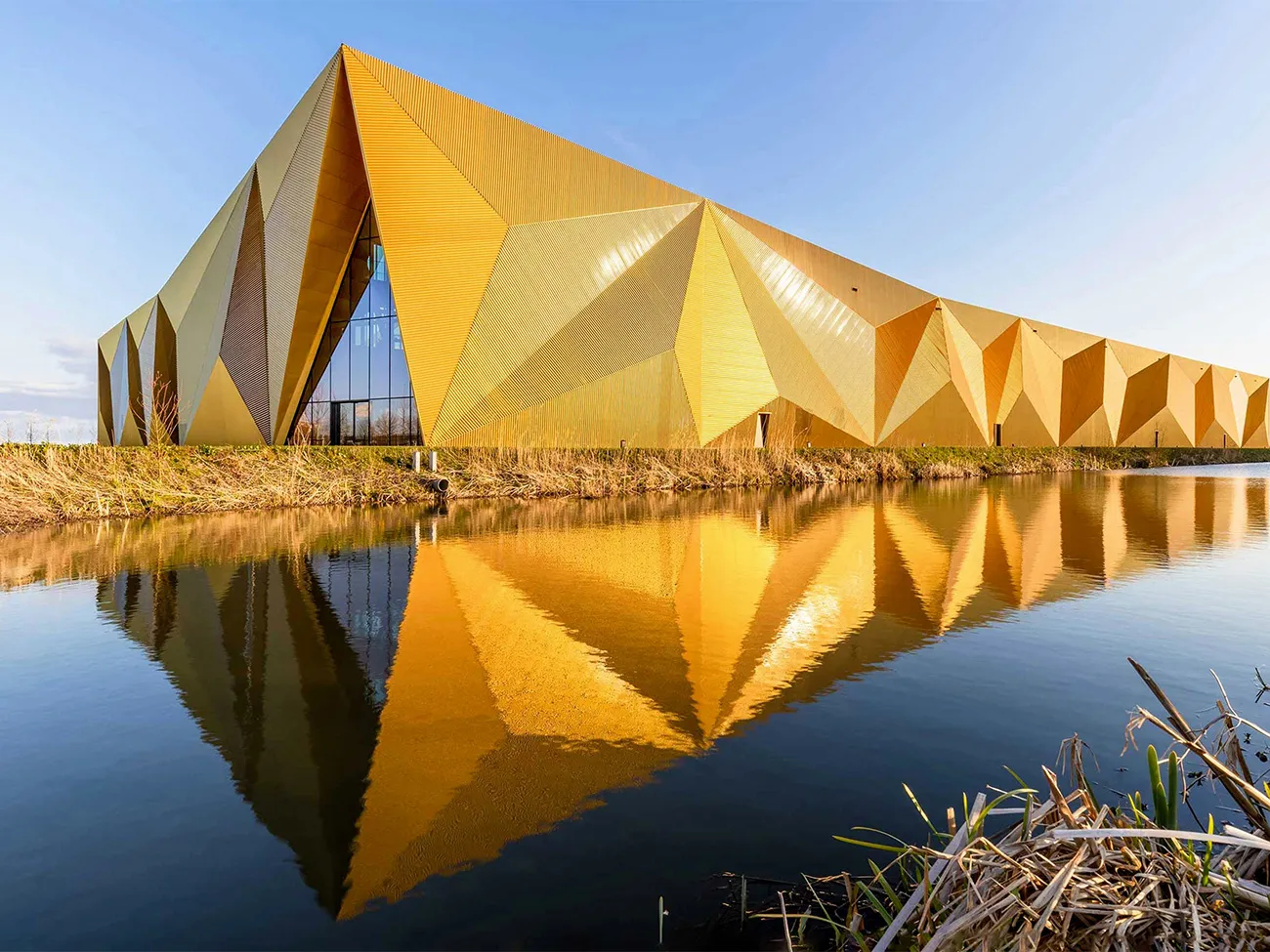
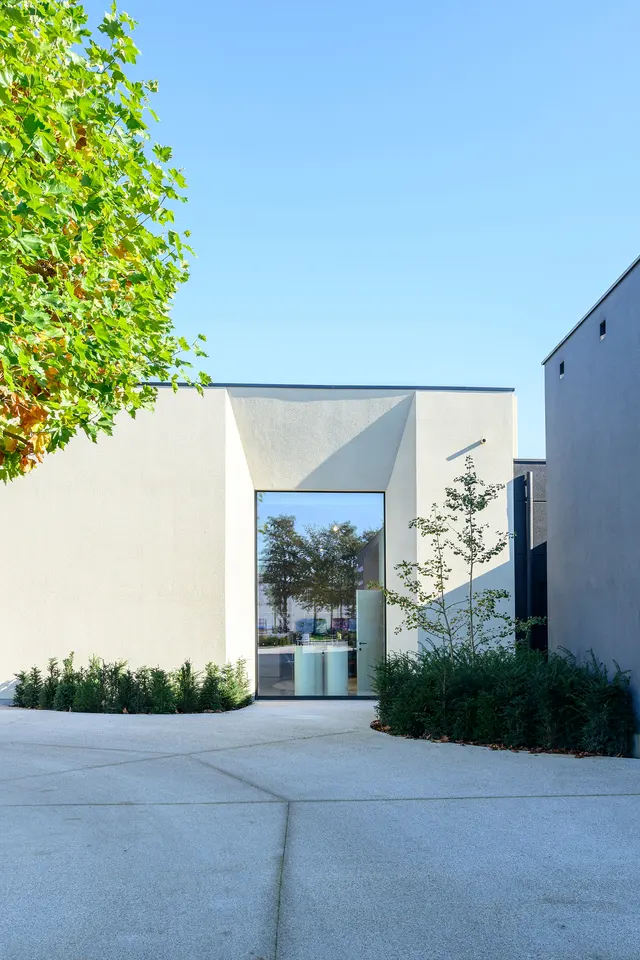
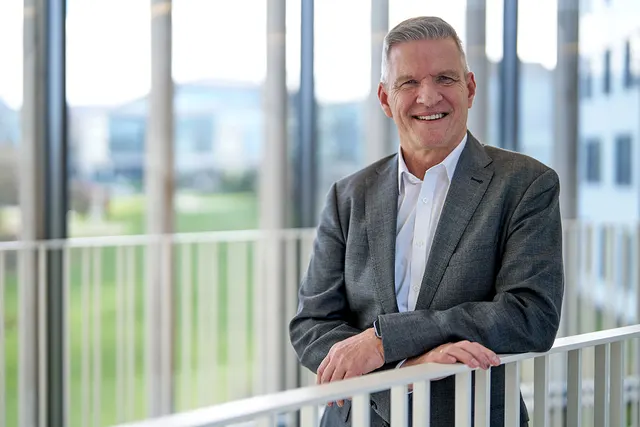
Stimulating, challenging, surprising and always a little unconventional: steel is a material that enables creative designers to push the boundaries of contemporary architecture. Allen Zimmerman, architect and managing director at wilma wastiau, can only agree. Under the motto ‘We funk industrial architecture’, he and his colleagues raise the aesthetic, functional and spatial quality of logistics and industrial buildings to a higher level. “Steel gives sustainable architecture a new, holistic dimension,” says Zimmerman, who paid tribute to his love of this exceptional material in an engaging webinar by ArcelorMittal.
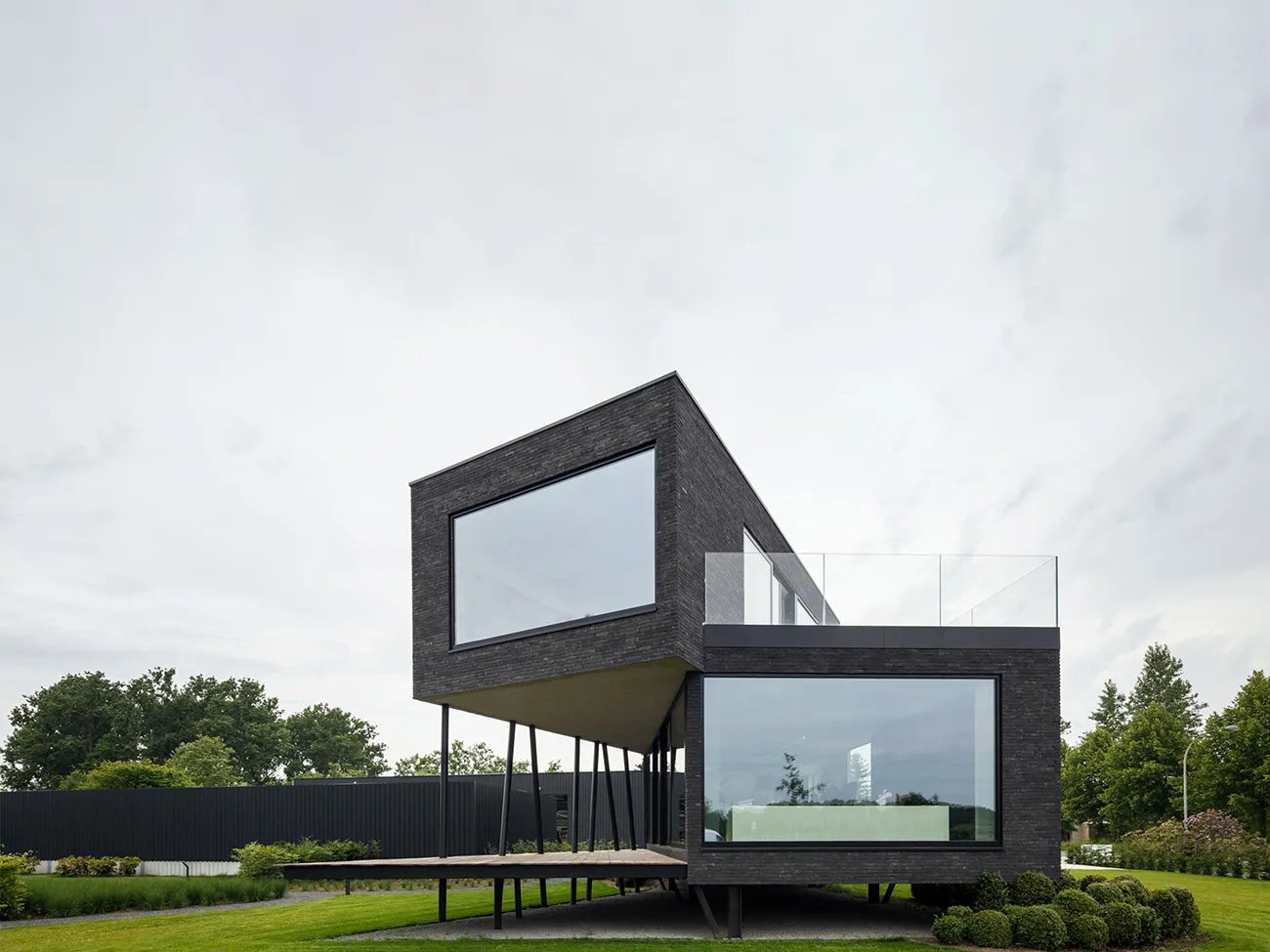
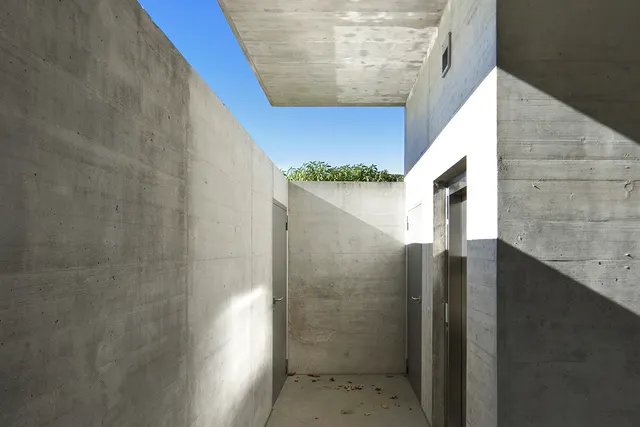
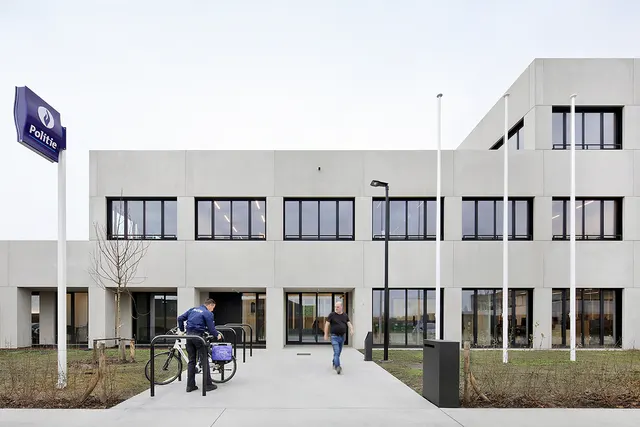
Allen Zimmerman: “wilma wastiau specialises in industrial construction with architectural added value. We always aim for a design that reflects the character of its surroundings and its users, something often missing from conventional logistics and industrial buildings. In the commissions we undertake, it is easy to fall into the same old patterns over time, but we try to avoid that pitfall by taking a unique approach to every project. Steel offers us a range of valuable advantages in this respect, whether used on its own or in combination with other materials. There is an overlap between our hands-on approach to architecture and the typical properties of steel. It is a very practical, technical and ‘to the point’ material, yet at the same time you can use it to create highly creative designs. We always try to keep the link between idea and execution as short as possible. Steel plays a crucial role in this, both structurally and aesthetically.”
Balancing rationality and creativity
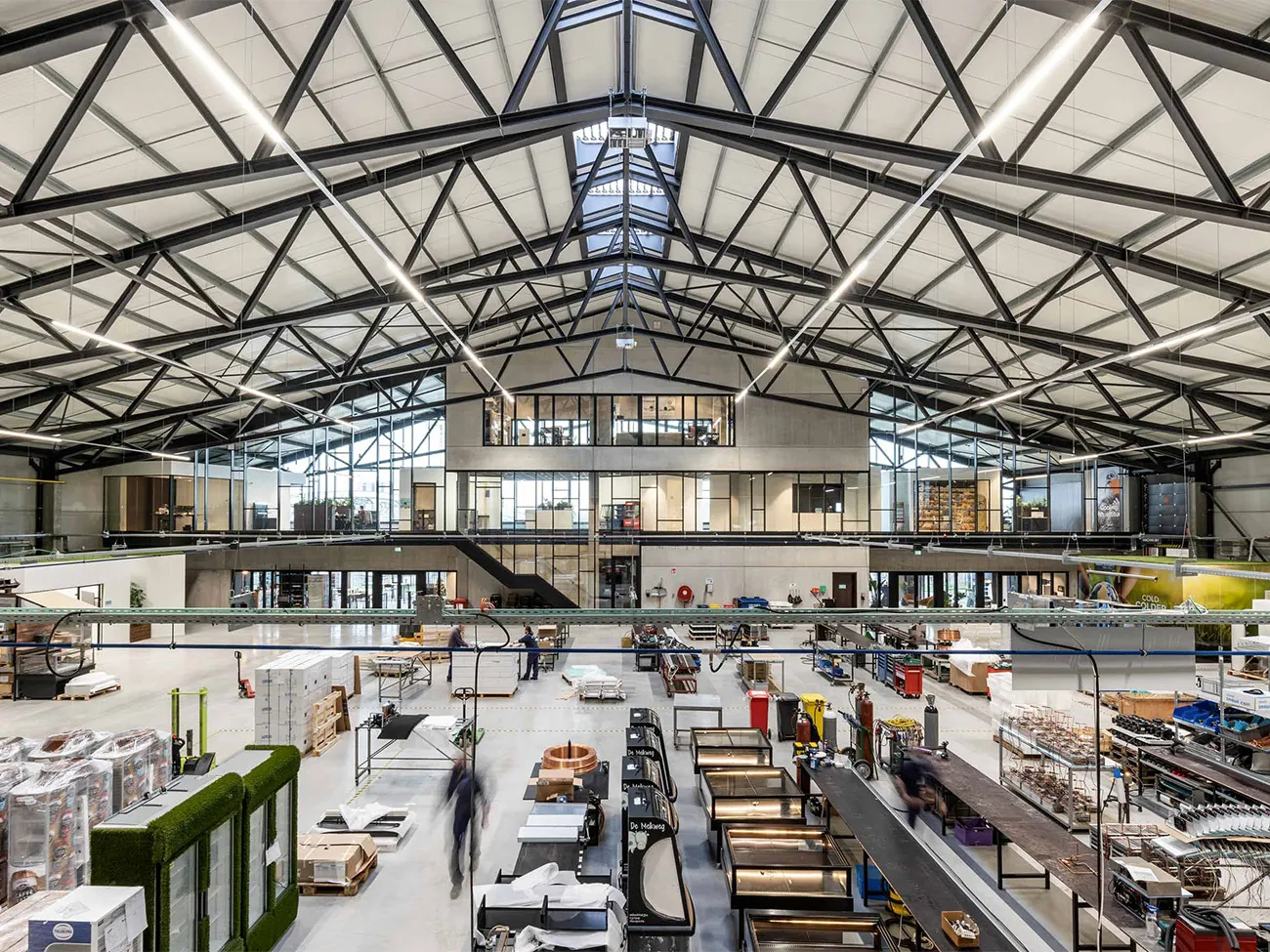
“The work of American architect Albert Kahn is one of our major sources of inspiration. More than a hundred years ago, he developed a revolutionary typology for integrating goods storage and industry into the urban fabric. For example, he made extensive use of transparent façades, a trend we are keen to revisit today. He was also a master at optimising space, not least by providing generous clear heights. This resulted in buildings with unique organic forms that brought the landscape to life. His forward-thinking architectural philosophy is reflected in our work. We always look for the optimum balance between rationality and creativity. Steel allows you to create long spans in a very light, elegant way, drawing inspiration from bridge construction, and to enlarge spaces, both literally and figuratively. It also allows you to create generous amounts of natural light. When it comes to creativity, the sky is the limit too, because steel is the ideal material for realising atypical volumes quickly, elegantly and economically. It can help solve many design challenges. Steel is the material of choice for forward-thinking designers taking on new architectural challenges.”
A holistic approach to sustainability
“A distinctive look and feel, strength and rigidity, low maintenance, easy installation, suitability for long spans, transparency and prefabrication … steel has countless advantages. It also excels in terms of sustainability. It can be recycled indefinitely and fits perfectly with the principles of the circular economy. Steel manufacturers are making major efforts to reduce the environmental impact of their production processes and materials, but sustainability is about much more than a building’s CO2 footprint. In our projects, we use steel to meet the demand for sustainability in a broader, more considered and more future-oriented way. By using steel intelligently, we can integrate logistics and industrial buildings into urban centres. Using steel to create long spans gives buildings a high degree of spatial flexibility and makes it easy for them to accommodate a different use in the future. By using steel to create large open spaces where traditional boundaries fade, we can create pleasant working environments where people feel good and perform at their best. In short, steel makes a holistic approach to sustainability possible, setting it apart as the rebel among sustainable materials!”
Question about this story? Ask your question
Keep following this
Get an email when a new story is published. No account needed.
- SubjectConcrete and steel construction