Digital access control for dummies
Technology continues to advance in the field of digital access control and access management. In fact, it is evolving at breakneck speed, making it difficult for everyone to keep track of all the options.
Should you opt for cloud-based or server-based applications? Do you use badges or digital keys on smartphones? In this article, we unpack these key dilemmas.
First things first: the right access control and access management solution is almost always tailored to the customer. Companies and organisations that need one but are unfamiliar with the subject should therefore turn to an experienced specialist. We did the same for this article. The technical options are extensive, but we decided to focus on two common quandaries: cloud-based or server-based? Badges or digital keys? Eric Beling from SALTO Systems kindly provided us with the information we needed.
Cloud or server?
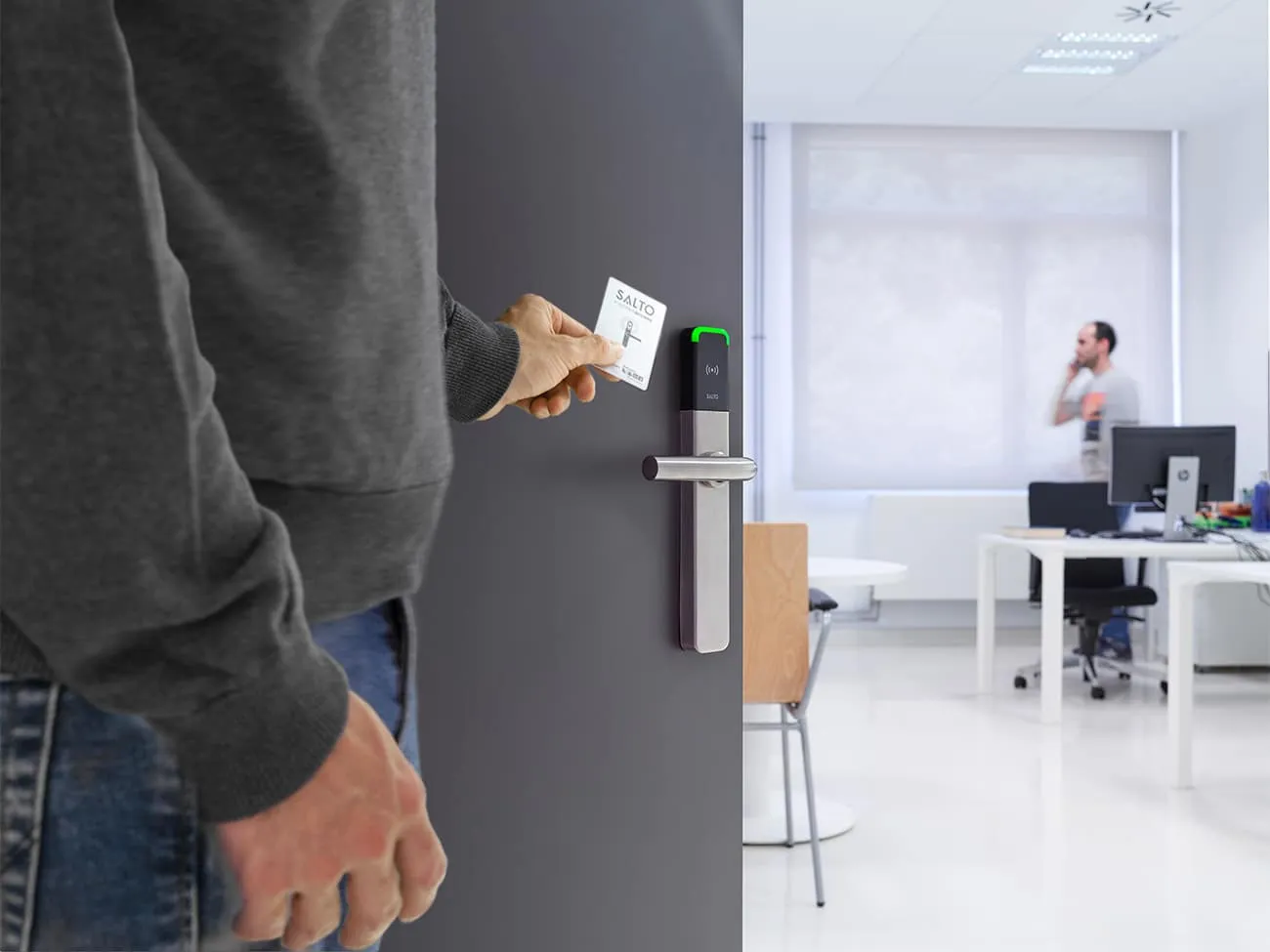
One key distinction is between cloud-based and server-based systems. Server-based applications operate via a secure private network tied to a specific location, while cloud-based applications use an encrypted internet connection and can therefore, in theory, be operated remotely using strict login procedures. Neither is necessarily better or more advanced than the other, stresses Eric Beling: “It depends on the specific needs of the companies or organisations, and on the characteristics of the buildings or environments where access control and access management are required.”
Cloud-based systems are gaining ground, notes Beling: “Although data security remains a crucial concern, we are seeing people gradually overcome their reservations about cloud solutions. It is a logical development, as they offer some valuable benefits. For example, you do not need to invest in server infrastructure, network maintenance, firewall installation or VPN configuration. What’s more, integrating other systems and applications is often more practical via the cloud.”
Server-based systems will not disappear entirely, however. “Take hospitals with a single fixed location, for example. They will continue to operate largely via their own server, as countless applications are connected to their own secure network.
In time, they will probably move some things to the cloud, but by no means everything.”
Badge or digital key?
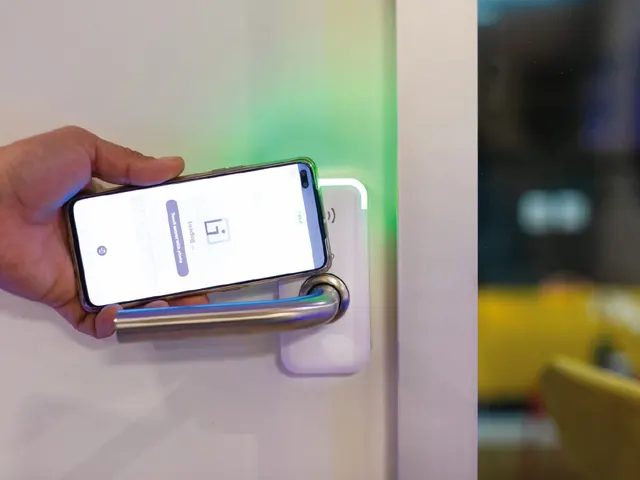
Companies and organisations looking to implement digital access management also often face a key decision: should they opt for badges or digital keys operated via smartphones? “The application determines everything,” says Eric Beling. “In most hospitals, care staff are issued with a badge as standard. It is used not only for identification, but also to open doors, record working hours, pay in the cafeteria and more. Badges can also be extremely useful in other settings, such as coworking spaces, for entering underground car parks, opening offices or meeting rooms, and accessing shared spaces. These functions can even be linked to the internal billing system. In short, where the versatility of badges comes into its own, they are preferred to digital keys. It is simply less convenient to have to take out your smartphone for every individual task.”
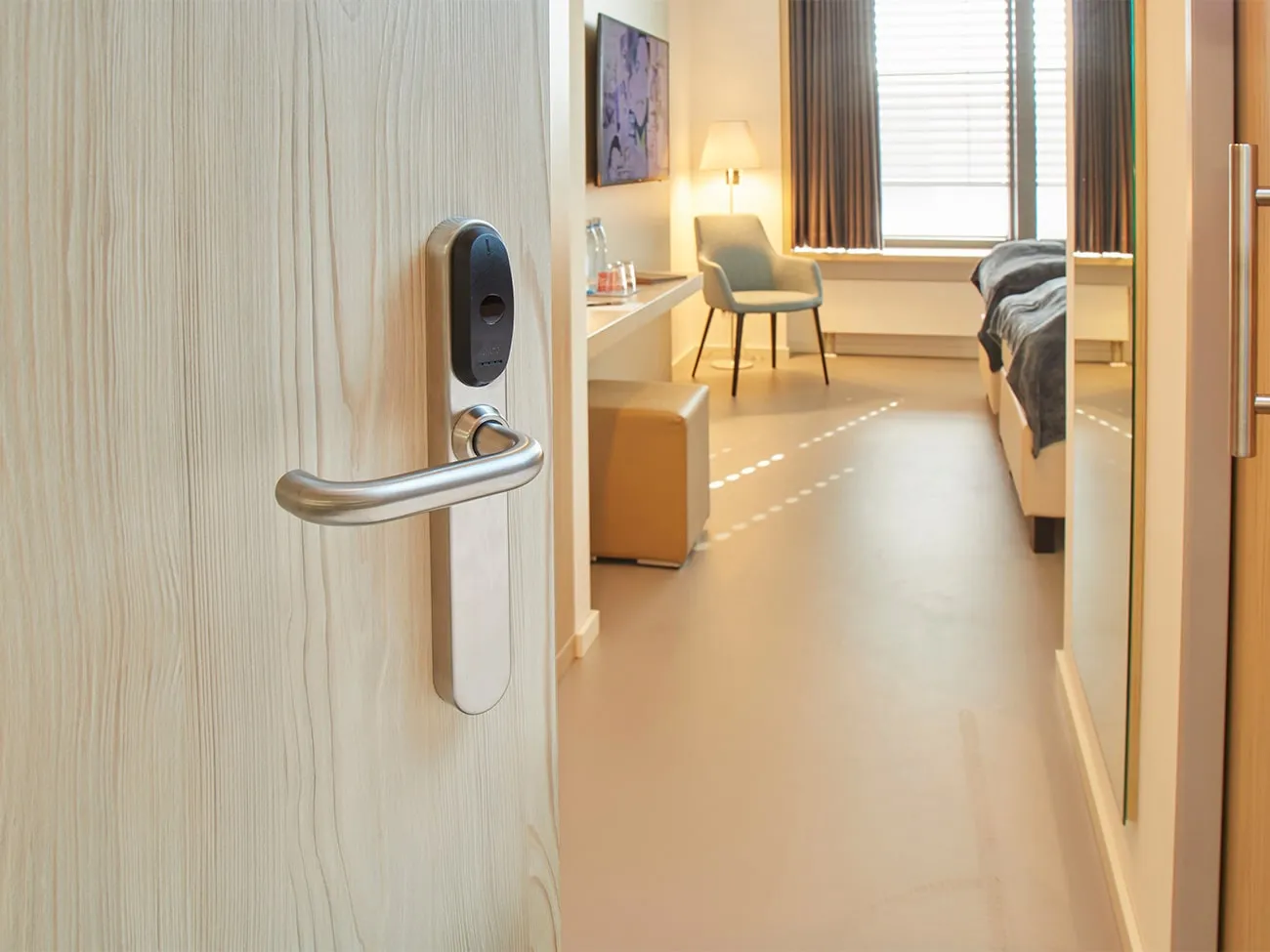
In other buildings, digital keys are a better fit. “Opening lots of doors in a short space of time with a smartphone can be cumbersome, but there are dozens of applications where that is not an issue. Hotel rooms, for example. Simply open the relevant app and you’re in! No more problems with lost badges!”
“The cost of both systems is comparable, because the hardware is largely identical,” Beling stresses. “The only difference is that with badges, you effectively buy a licence with a database, whereas with digital keys, you rent part of the cloud. But whatever you choose, a tailored solution is always possible!”
Een zakelijke vraag aan SALTO Systems BVBA? Get in touch
Companies in this story
Keep following this
Get an email when a new story is published. No account needed.
- SubjectThemes
- CompanySALTO Systems BVBA