Façade architecture specialist starts using low-carbon concrete for façades
Text uwtekst.beImage James Newton
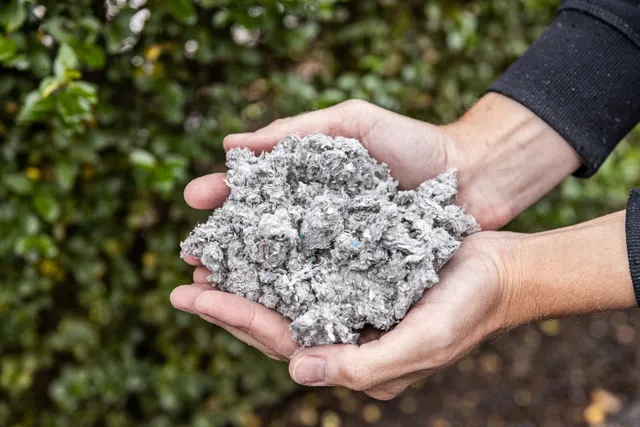
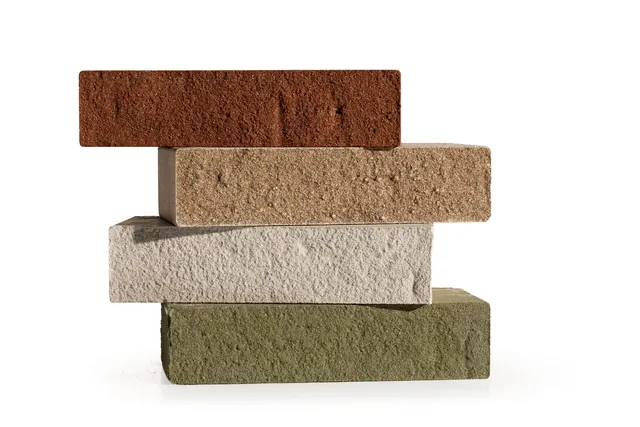
Loveld will soon switch to low-carbon precast concrete. For now, only its grey concrete is low-carbon, but production of low-carbon coloured architectural concrete will follow shortly. How is the façade architecture specialist reducing CO2 emissions from its production process? By replacing cement with blast-furnace slag. Thanks to start-up ResourceFull, founded by civil engineering graduates from KU Leuven.
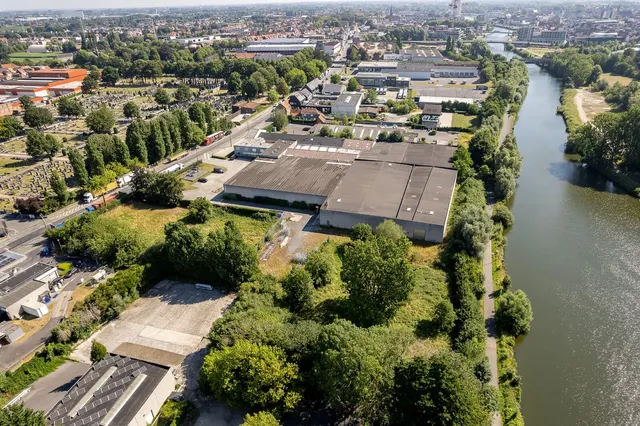
Project sales & development manager Vincent Termote: “We have already done a great deal to become more sustainable. To give a few examples: in 2010, we were one of the first companies to install a large solar panel farm, which was then the largest in Belgium. We built a water treatment plant that allows us to reuse all our process water, so we no longer discharge a single drop of dirty water into the Ghent-Bruges Canal. Combined with collecting rainwater from our roofs, this means we now use only a minimum amount of mains water. We replaced our entire fleet with hybrid and electric vehicles, now use only LED lighting, operate battery-powered forklifts and heat our buildings in an energy-efficient way.”
Meeting strict British requirements
“Last year, we began making our precast concrete more sustainable. The markets in the Netherlands and Great Britain, where we are also active, made this necessary. They develop, renovate and build much more there than they do here. As high-rise buildings and vertical cities are well established, they use a great deal of precast concrete. But concrete producers depend on the cement industry, a heavy industry that emits a lot of CO2. That is why those countries place a strong emphasis on the CO2 performance of the production process. The requirements are much stricter there than in Belgium. Developers cannot do as they please. Great Britain, for example, amended its BREEAM sustainability certification for materials and techniques and made BREEAM a requirement in its legislation.”
Concrete with blast-furnace slag
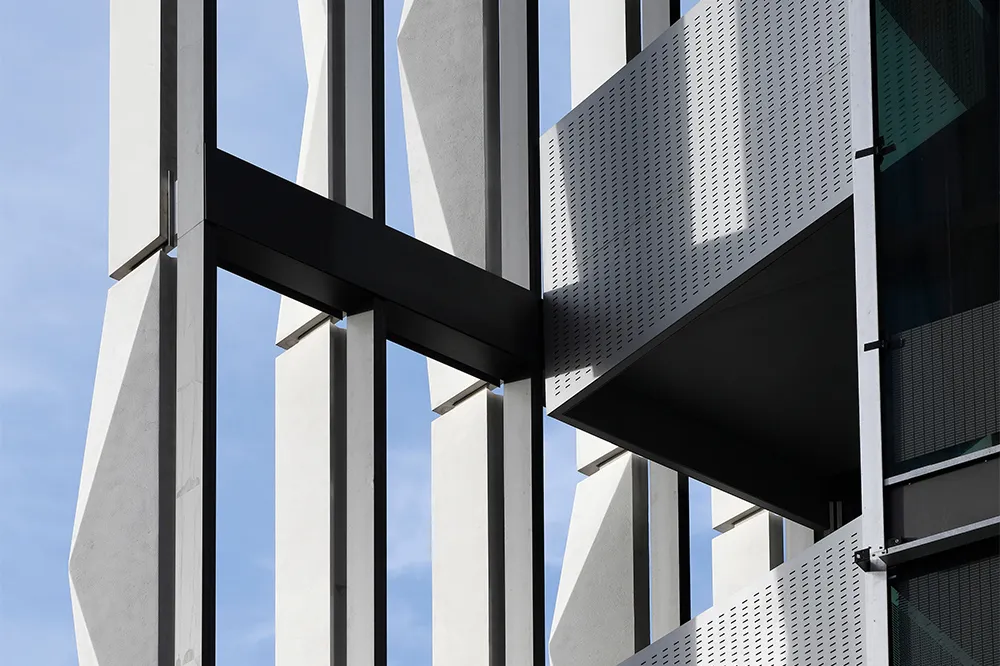
Vincent Termote: “We began our search for more sustainable concrete with a study. For this, we brought in ResourceFull, a spin-off from KU Leuven. Together, we looked at whether we could replace cement with ground, granulated blast-furnace slag, a waste product from the steel industry. Replacing cement is not something you can simply do. To give an example, the early strength of concrete is very important. The conditions for achieving that strength depend on the climate in which the concrete is produced. Together with ResourceFull, we set out to find the right mix of cement and blast-furnace slag to produce concrete with the same quality and strength as concrete made with 100% cement.”
Grey concrete first, coloured concrete to follow
“We have now found the right mix. We are switching to a CO2-reduced process for producing our grey concrete. We are focusing on grey concrete first, as it is always made to the same concrete mix design. Our customers can rest assured: they will receive the same product as before. The price will also remain just as stable. As architectural concrete is available in many more colours, in a second phase we will look at which colours and mix designs are most in demand among architects and our customers. We will then switch to low-carbon production for those colours too. We are already looking further ahead: can we replace cement with materials other than blast-furnace slag? We have drawn up a roadmap through to 2026, setting out specific measures that will allow us to keep moving up the ladder of CO2-reduced concrete.”
A symbolic first project
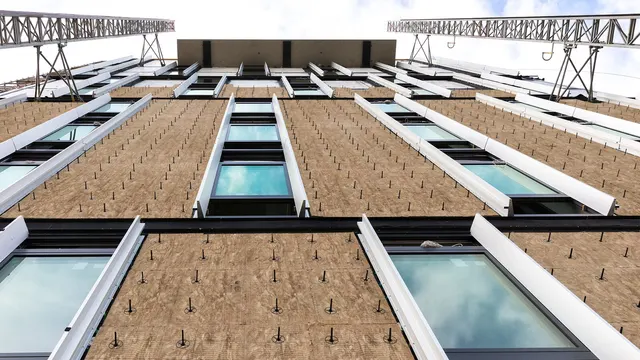
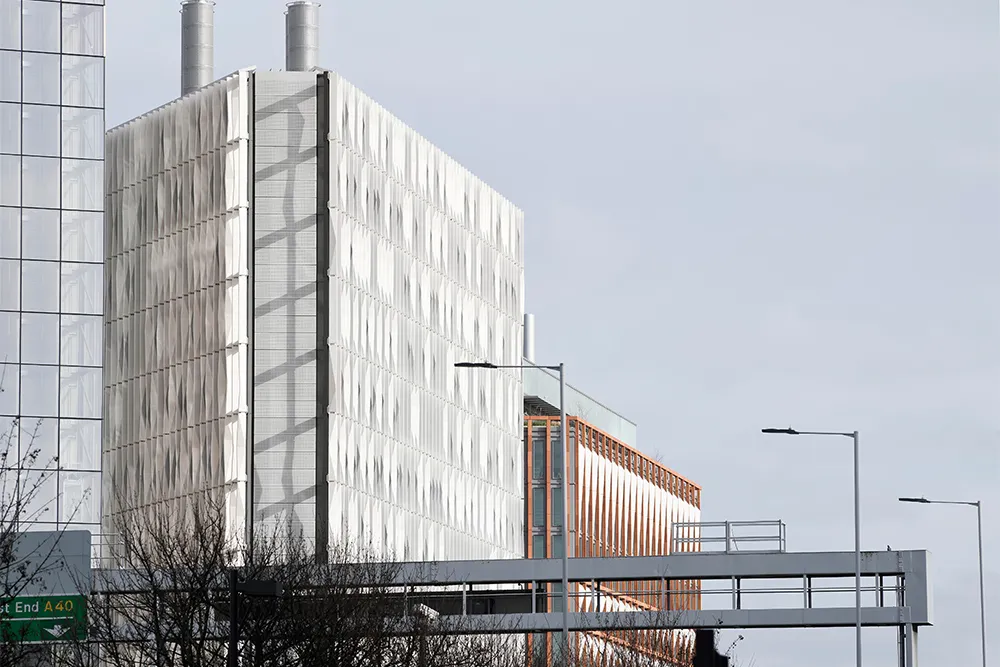
Loveld has already completed a project using its low-carbon concrete: the prestigious Sir Michael Uren Hub at Imperial College London, a state-of-the-art biomedical research centre. The concrete façade elements were produced with 40% less CO2. “It is no coincidence that the Sir Michael Uren Hub was the first project on which we used blast-furnace slag concrete. Michael Uren developed and commercialised the technology for making cement from blast-furnace slag. It was therefore a symbolic choice,” concludes Vincent Termote.
Question about this story? Ask your question
Keep following this
Get an email when a new story is published. No account needed.
- SubjectYearbook