HVAC and refrigeration accessories supplier significantly reduces environmental footprint through modal shift
Text Wouter PolspoelImage Linum Europe
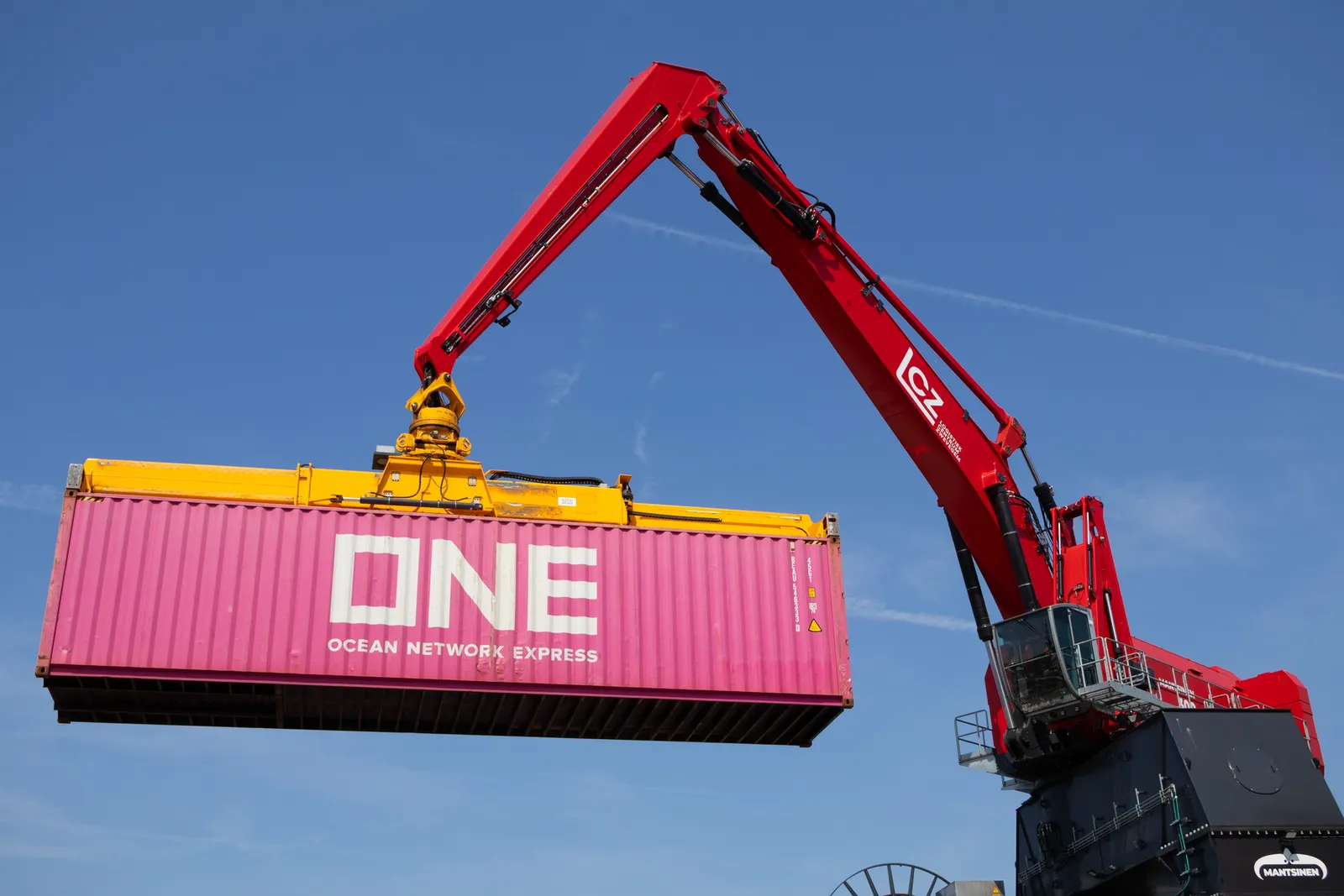
Linum Europe, which develops and distributes installation materials for HVAC and refrigeration systems and components for commercial kitchens, has recently significantly optimised one of its logistics processes through a so-called modal shift. The sea containers from Thailand, carrying pre-insulated refrigeration pipes from the INOAC brand, at least seventy a year, will no longer be transported by road, but instead via the inland waterways from the Port of Antwerp to the LCZ, the logistics centre in Zwevegem. Linum Europe is thereby reducing CO2 emissions associated with transporting these refrigeration pipes by 65%.
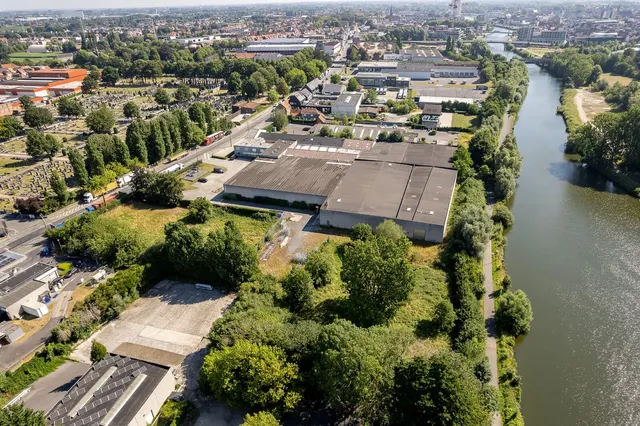
The road journey made by the articulated lorries carrying the sea containers filled with refrigeration pipes between the Port of Antwerp and the logistics centre in Zwevegem was 104.3 kilometres. By now opting for inland waterway transport from one of the so-called deep-sea terminals in the Port of Antwerp, Linum Europe avoids 14,602 kilometres of road travel per year and cuts CO2 emissions associated with transporting the refrigeration pipes by 65%, from 22,458 tonnes to 7,883 tonnes. Linum Europe will continue to use lorries only to transport the refrigeration pipes from the logistics centre in Zwevegem to its warehouses in Kuurne, a short journey of just 13.4 kilometres. The optimised route is the result of a study by Multimodaal.Vlaanderen, a business unit of VIL, with support from POM West-Vlaanderen.
“This logistics optimisation is part of our broader commitment to reducing our environmental impact,” says Jan Vanderbeke, CEO of Linum Europe. “It allows us to take responsibility for our environmental impact, and we are proud of that.” Linum Europe believes this modal shift will significantly improve its internal operations and enable faster deliveries for HVAC installers.
New black jacket for twin refrigeration pipes
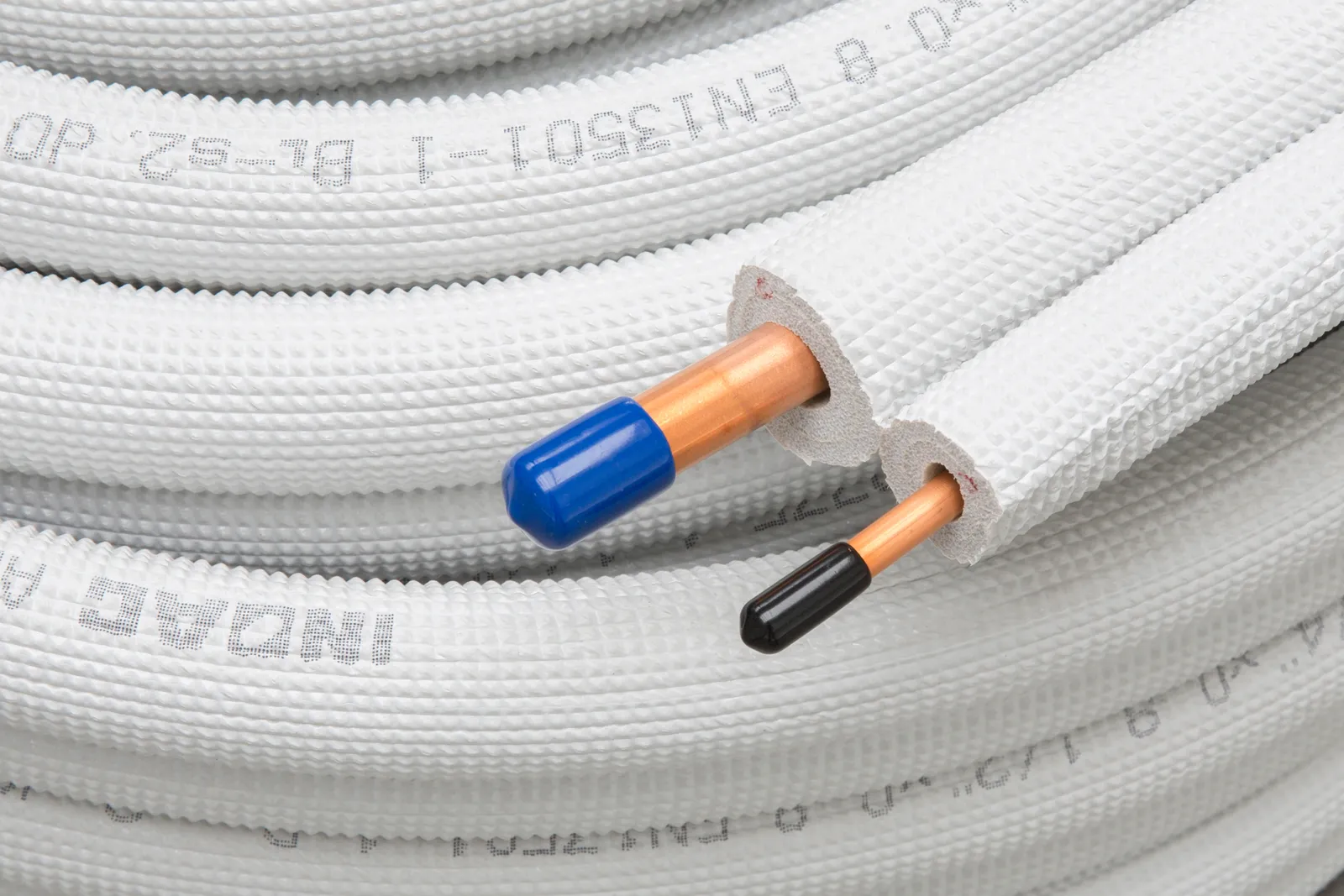
The refrigeration pipes Linum Europe imports from Asia are from the Japanese brand INOAC, which has a production site in Thailand. They are made from copper and aluminium. According to Linum Europe, the latter are increasingly becoming a lightweight alternative to copper refrigeration pipes. Both types feature a uniform wall thickness and double-layer insulation, which reduces the risk of cracking during flaring (the technique of widening the end of a pipe so that another pipe of the same diameter can be inserted to make a connection, ed.) and makes installation easier.
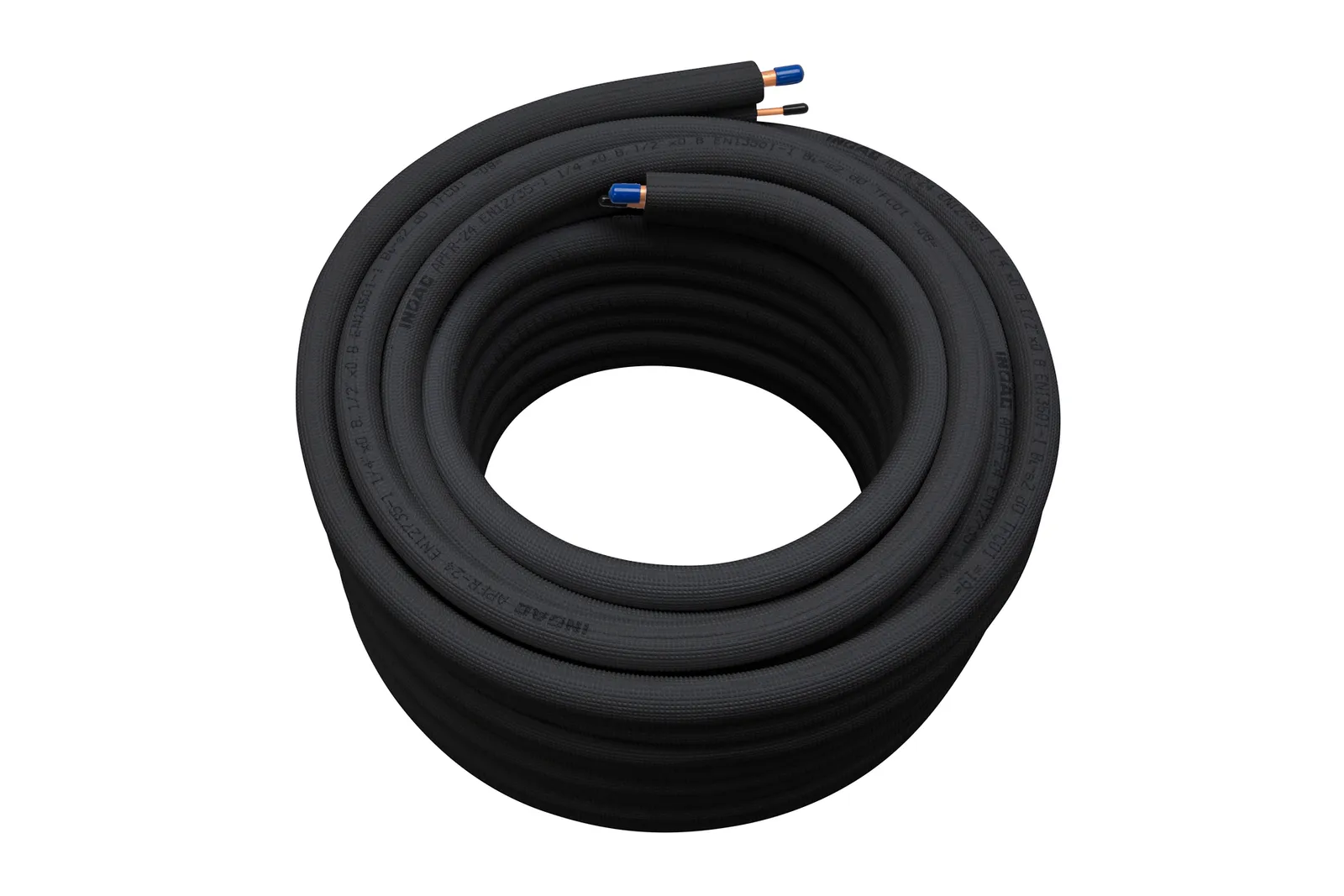
The refrigeration pipes are available as standard in imperial sizes, while the copper pipes are also available in a metric version. Both single and twin versions are available. The latter range has recently been expanded with a striking new option: the most popular types are now also available with a black insulating jacket, an aesthetic alternative to the traditional white version. According to Linum Europe, this option is often requested for exposed installations against dark walls or ceilings.
Future sustainability goals
For Linum Europe, making its operations more sustainable does not stop with the modal shift for refrigeration pipes from Thailand. The company stresses that this is just one step in its broader strategy to reduce CO2 emissions, and that it will continue to work on innovative solutions to minimise the environmental impact of its activities.
Een zakelijke vraag aan Linumgroup / Prihoda? Get in touch
Companies in this story

Keep following this
Get an email when a new story is published. No account needed.
- SubjectYearbook
- CompanyLinumgroup / Prihoda