Lift specialist looks to a stronger, independent future
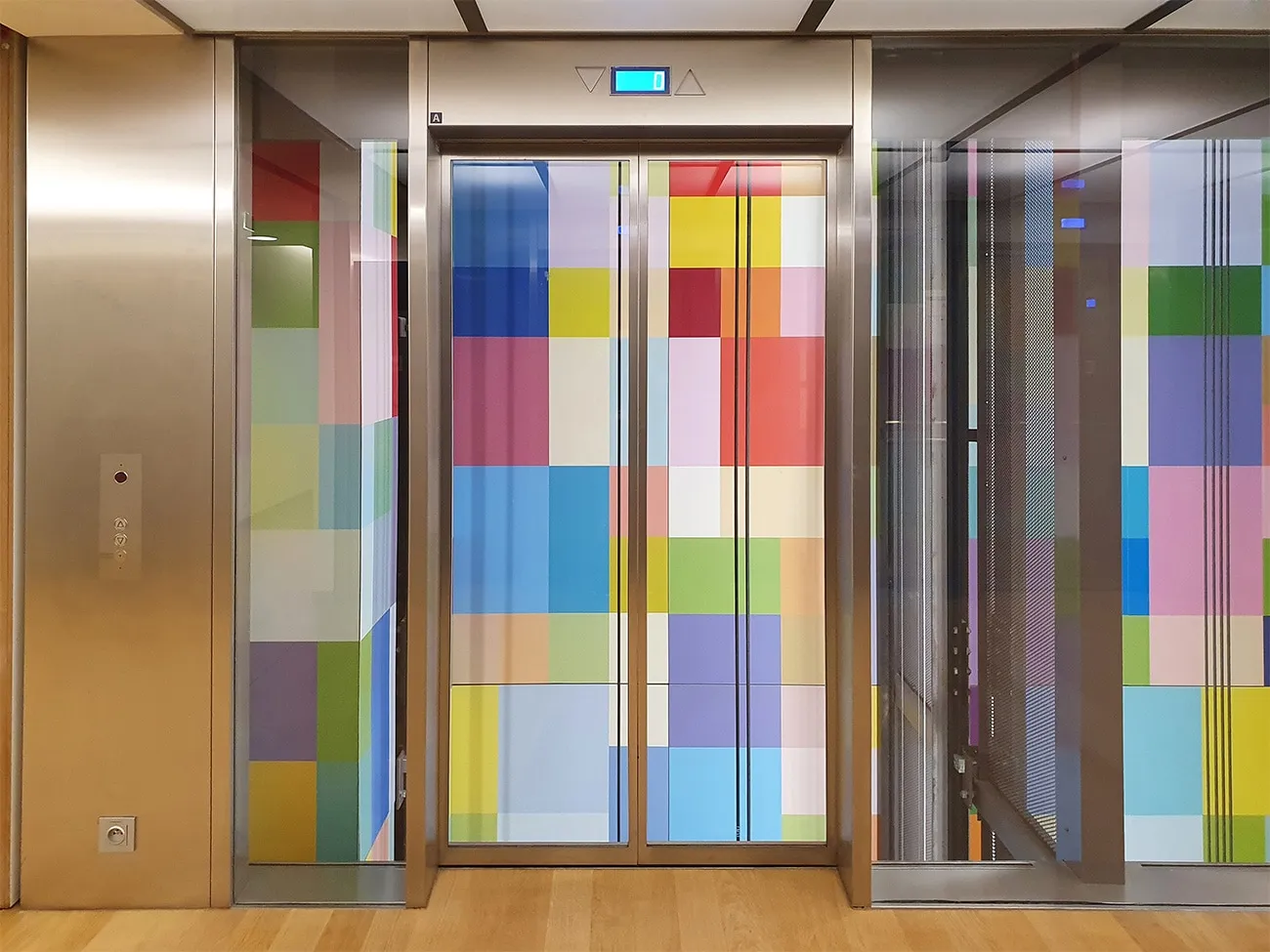
TK Elevator. That has been the new brand name of thyssenkrupp Elevator since the start of this year. The rebranding follows the German technology giant’s sale of its elevator division, leaving TK Elevator to stand on its own. With its new look, the company aims to highlight its innovative ambitions without losing sight of its German roots.
It became official in February 2021: TK Elevator is now operating as an independent elevator company under the acronym TKE. To showcase this successful transformation into a separate entity, the company launched a major campaign. “The rebranding will give TKE a more modern, progressive and innovative market position,” says Eric Morel, who has been CEO of TK Elevator Benelux for almost twenty years. “But, of course, we continue to draw on a strong and solid history, with German roots. And we want to keep the memory of those origins alive. That is why we retained the letters TK, from thyssenkrupp, in our name.”
Sunrise
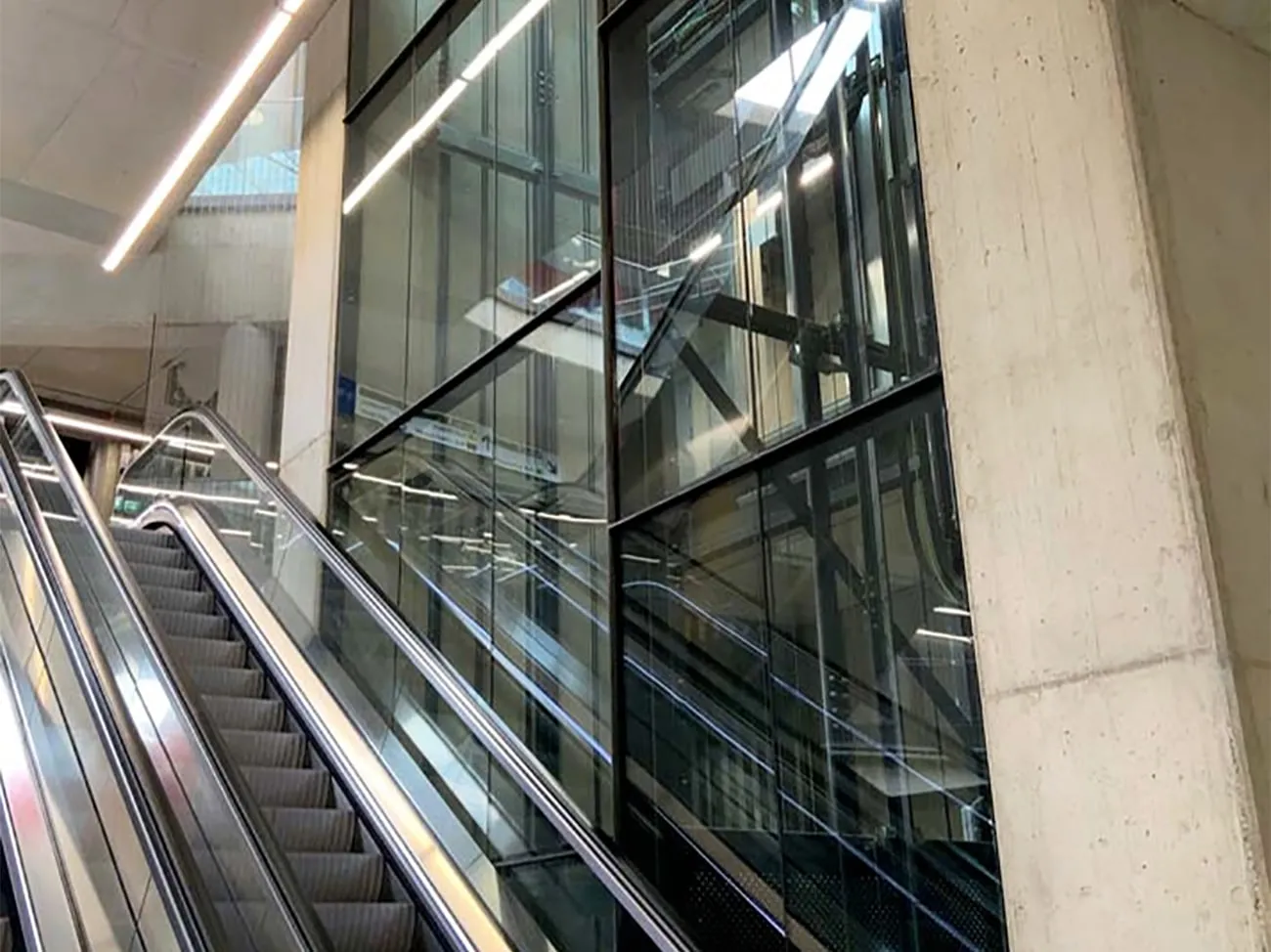
The logo’s new colours, inspired by the sunrise, are intended to convey energy and optimism, with key themes including empowerment, autonomy and technological excellence. Vincent Domen, head of the ‘New Installations’ division for the British Isles, BeNeLux, Nordics and Italy, points to another development: “We have also become more global, with global product platforms and much more interaction with colleagues around the world, with whom we share best practices.”
For example, TKE is launching MAX (predictive maintenance) in Europe, a technology developed by Microsoft in the United States and now being implemented here. MAX is a central management system that monitors all the information from a building’s lifts via the cloud. This enables TKE to replace components proactively and preventively, and ensure the lifts remain operational.
Connected to the building
But this is not the only development in the sector. Vincent Domen has also seen growing interest in interconnectivity. “The lift is no longer considered a standalone application, but is connected to mobile devices and other equipment. For example, you drive into a car park using a pass. Once it has been registered, the lift knows you are there. When you reach the lift, it is already waiting to take you to the right floor. Our latest terminals can even recognise smartphones, pushing the boundaries of access control further still. All these possibilities deliver significant added value for our users.
Transport and storage
Another emerging trend is circularity. Eric Morel says: “Customers are asking us more and more questions about sustainability: where are the materials manufactured? What is the impact on the transport chain? Can we recover the components of the lift? With that in mind, we keep production strategically close to our core markets, in Germany and Spain. This limits the risks associated with storage and inventory, and keeps our supply chain as short as possible.”
Putting the customer first
Interconnectivity and circularity are among the trends with a clear focus on what the customer wants. This ‘customer centricity’ is very important to the new TKE. Eric Morel says: “The customer is at the heart of everything we do, and we think as much as possible from their point of view. Delivering quality is really a given. The difference must come above all from our people and processes. The way we manage projects is how we want to set ourselves apart in the market.”
TKE therefore aims to join the project team at a very early stage, preferably from the design phase onwards. This allows its engineers to clarify their views on what is needed straight away. “We want to work through things with our customers and, wherever possible, help make the decisions,” adds Vincent Domen. “We also have expertise in traffic flows within buildings, an important design consideration that is often overlooked.”
Brussels and Antwerp
TKE was able to put this vision into practice at Résidence Palace, the European Council’s headquarters in Brussels. Heavy traffic, strict security checks and numerous configurations made the construction of this iconic building an enjoyable challenge. “At the same time, it is a high-profile project, and our lifts fit in perfectly,” says Domen. “For example, everything can be managed fully remotely using a remote monitoring system.”
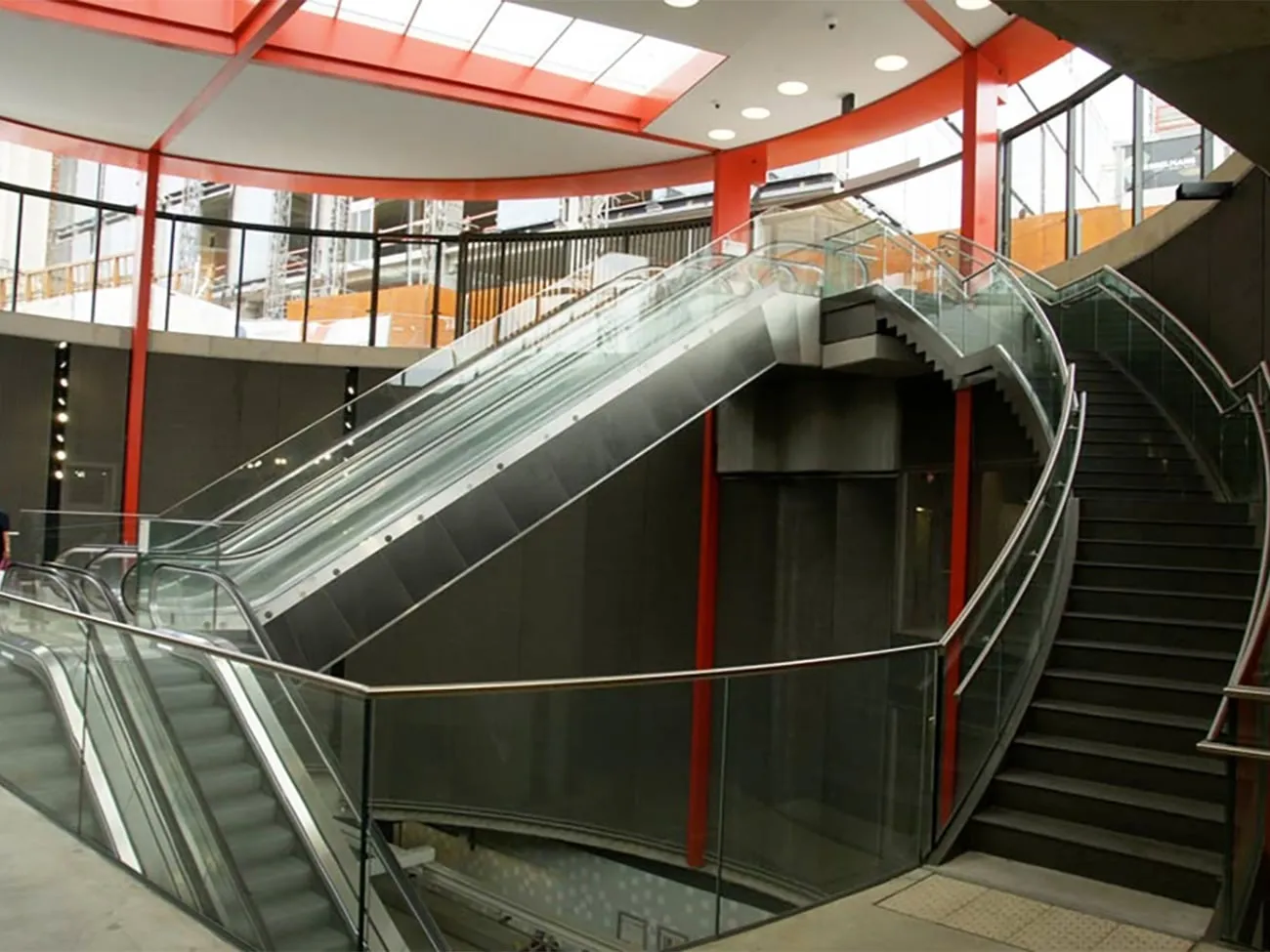
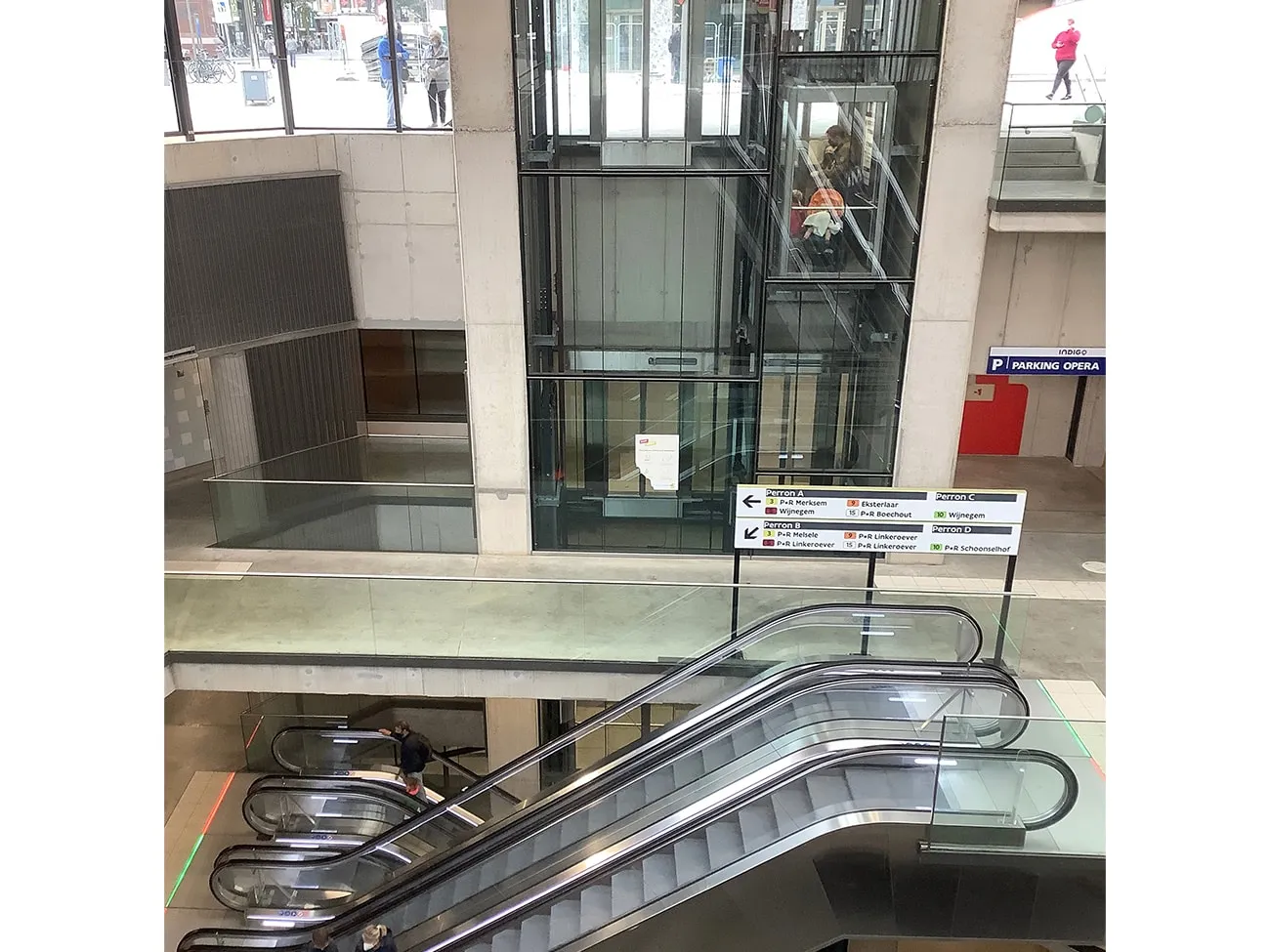
Another flagship project is Brabo II in Antwerp, involving the redevelopment of the Antwerp Leien. TKE is installing a combination of premium panoramic lifts and escalators, which are also a very important market segment for the company. For example, TKE is the preferred supplier for the Brussels Metro, where it has installed sixty new escalators over the past three years. “These projects naturally attract attention, but we are also carrying out many great projects in other sectors, such as healthcare and residential buildings,” concludes Vincent Domen.
Horizontal lifts
The new TKE is investing heavily in innovation. This is evident in several new products for high-rise buildings
such as Momentum, a new range featuring a single car for buildings up to 600 metres tall. But it is the TWIN system, with two independent lift cars in the same shaft, that really makes people sit up and take notice. The innovative technology, with patented safety technology, provides much greater passenger capacity in tall buildings. TWIN has already been installed in Utrecht, Paris
and many other cities.
But what really propels you into the future is MULTI, the first cable-free lift solution, made possible by electromagnetic guidance. This allows the drive shaft to turn 90 degrees, so the lifts can also travel horizontally. MULTI is already working perfectly in TKE’s test tower in Rottweil and is ready to become a reality in several towers in the Middle East.
Question about this story? Ask your question
Keep following this
Get an email when a new story is published. No account needed.
- SubjectYearbook