“Our aim is to raise the sustainability ambitions in every project as high as possible”
Sustainable construction today goes far beyond energy efficiency. Factors such as water management, material use and user wellbeing also determine how sustainable a building is. In its projects, VK Architects & Engineers aims for an integrated approach that uses less energy, fewer materials and less water, while delivering greater comfort and better usability, and taking account of a building’s different life stages.
As a multidisciplinary design and engineering consultancy, VK Architects & Engineers was quick to put sustainability on the construction sector’s agenda. “It is fair to say that we are pioneers in sustainable construction,” says Valerie Vergaert, head of the Sustainable Design department. “In the early years, sustainable construction was primarily about renewable energy. Today, the concept has evolved into something much broader, and is now much more widely embraced by society. At VK, we aim to continue playing that pioneering role by taking a holistic approach and integrating it across all disciplines.”
Closing the loop
With its multidisciplinary team of 450 employees, VK has expertise across a wide range of fields: from masterplanning and architecture to structural and building services engineering, with specialist know-how in fire safety, acoustics and façade engineering. This sustainable approach spans every discipline, from energy optimisation and daylight simulations to advice on smart building design. To provide a clear overview, VK organises its sustainability work around four main themes: energy, materials, water and wellbeing.
The importance of energy is now almost self-evident. The aim is to keep a building’s energy consumption as low as possible and make full use of renewable energy sources. “When it comes to water, too, the goal is to close the loop as far as possible. We do this by making water recovery and storage a key consideration in our projects, with particular attention to alternative solutions such as treating wastewater or even rainwater,” says Valerie Vergaert.
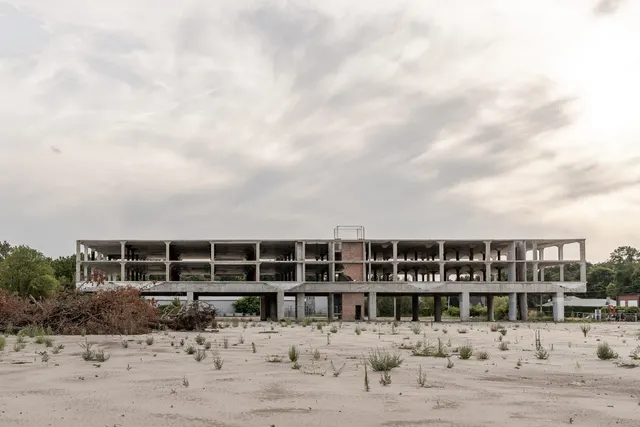
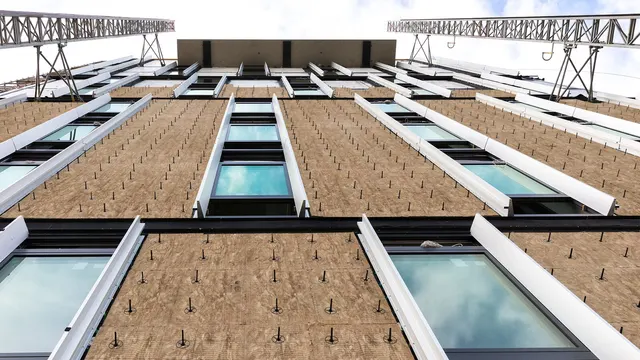
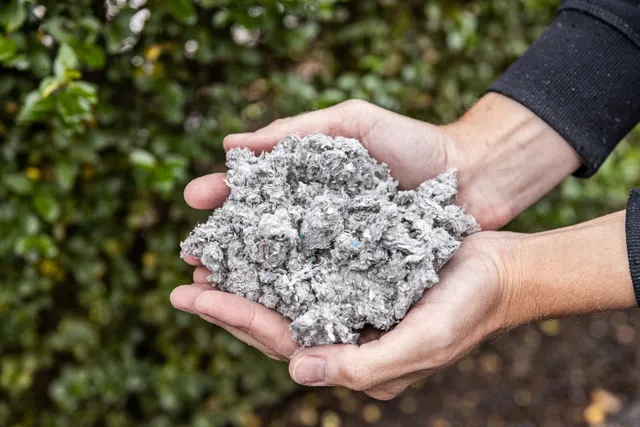
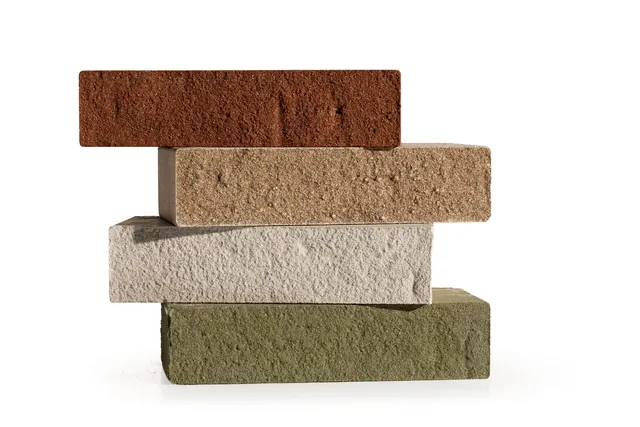
VK also aims to use as few new materials as possible in its projects. “The greatest gains the construction sector can make in reducing its environmental impact lie in materials,” says Valerie Vergaert. “For renovation projects, the first step is to reuse the existing structures of a building. An audit allows us to assess what can be reused. If we do need new materials, for well-founded reasons, we start with a life cycle assessment to identify the best environmental choices. Naturally, factors such as aesthetics and cost still matter when selecting materials, but the environmental impact was ignored for far too long. The sector still has a long way to go in terms of material reuse, and VK is working to help drive this change.”
Promoting wellbeing
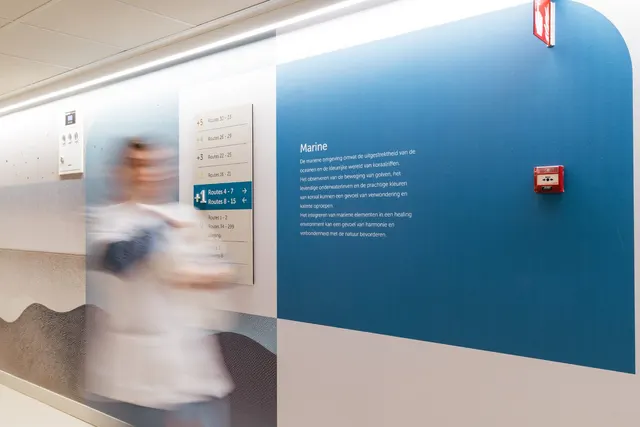
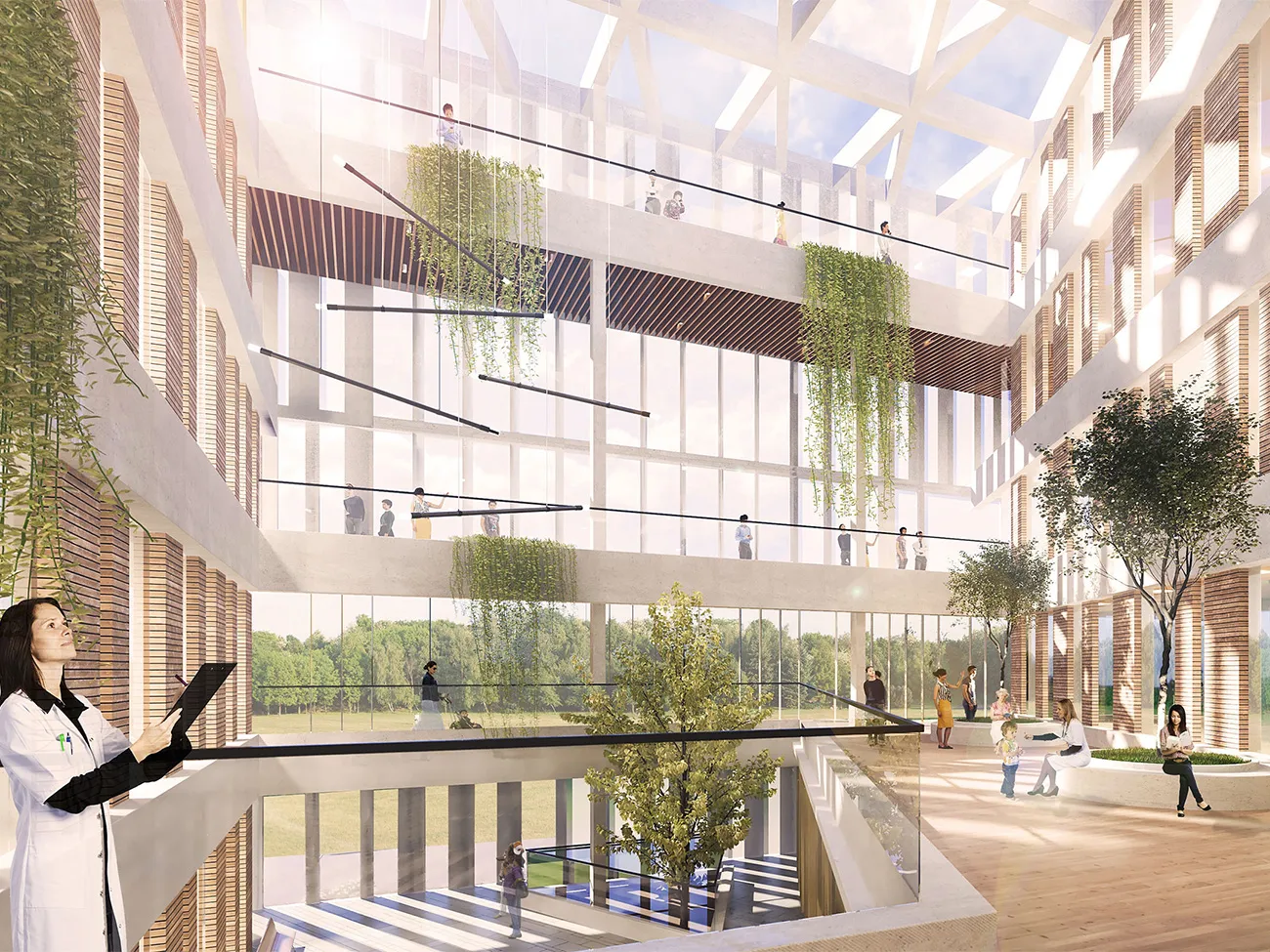
VK’s contribution to health is clear. “We can now point to dozens of projects in healthcare and elder care. But we promote user wellbeing in more than just our healthcare projects,” Vergaert emphasises. “We look not only at factors such as daylight, thermal comfort, acoustics and air quality, but also at broader aspects of wellbeing. For example, does a company provide sports facilities for its employees, or offer healthy fruit? These factors play a role in achieving the WELL Building Standard, for which we support the certification process.”
Sustainability coach
To bring this integrated approach to sustainability into its projects, VK set up a dedicated Sustainable Design department. It acts as a sustainability coach, helping to raise the ambitions in every project as high as possible. “This is quite a challenge, as we want to advise not only our own design teams, but also actively involve our clients and all the external partners we work with.”
The challenge is to define sustainability ambitions not only during the design phase, but also to deliver on them during construction and throughout a project’s operational life. “It is a real advantage that we support building certification schemes such as BREEAM, LEED and WELL,” says Valerie Vergaert. “These standards give us the tools to monitor the sustainability ambitions of contractors and owners throughout the entire process.”
Impressive track record
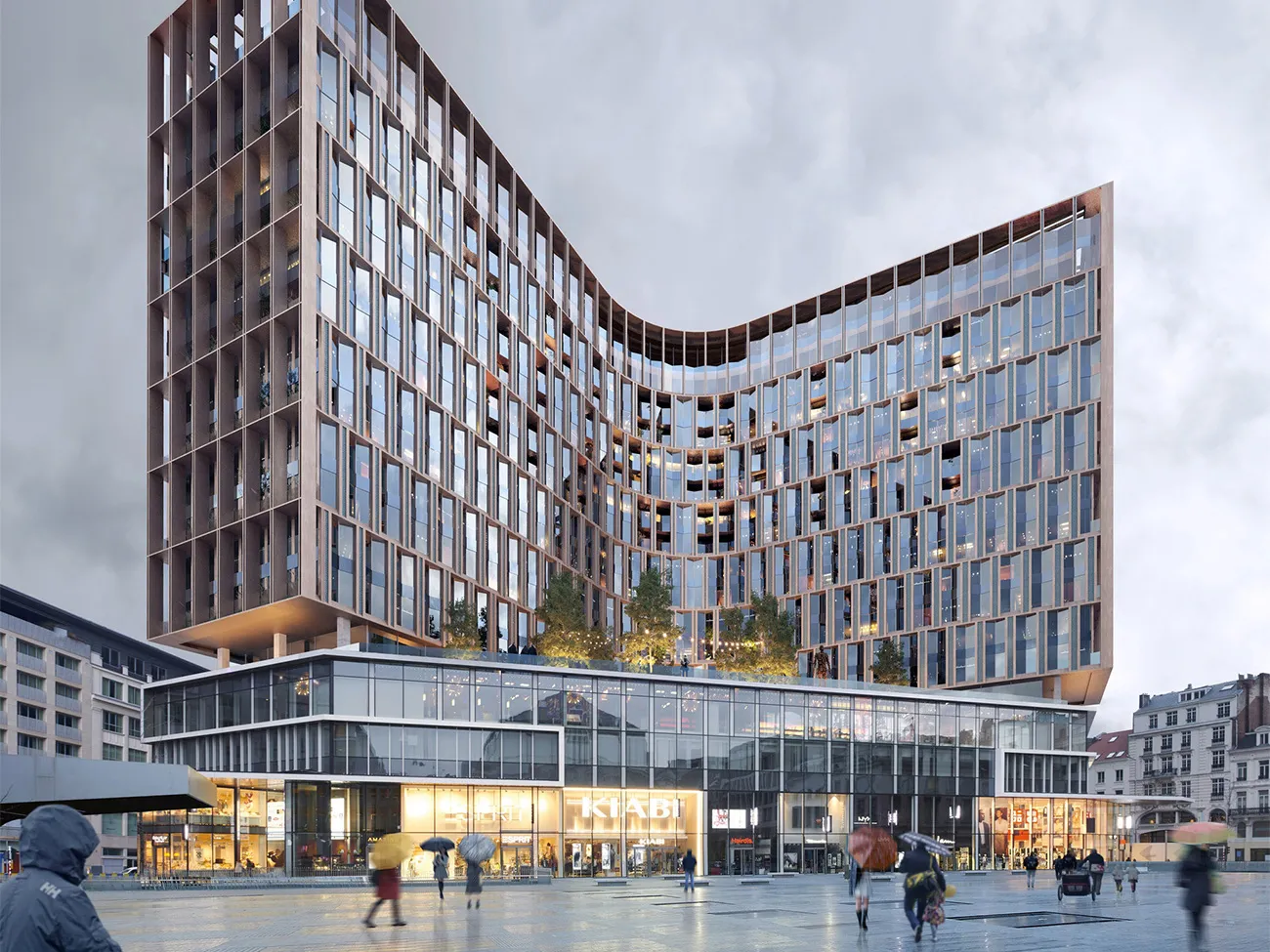
Over the years, VK has built up an impressive portfolio of sustainable construction projects. It recently began work on Oxy, better known as the renovation of Brussels’ iconic Muntcentrum. “This project gives us considerable scope to deliver on sustainability, not least because the client is targeting BREEAM Outstanding and WELL Platinum ratings,” says Vergaert.
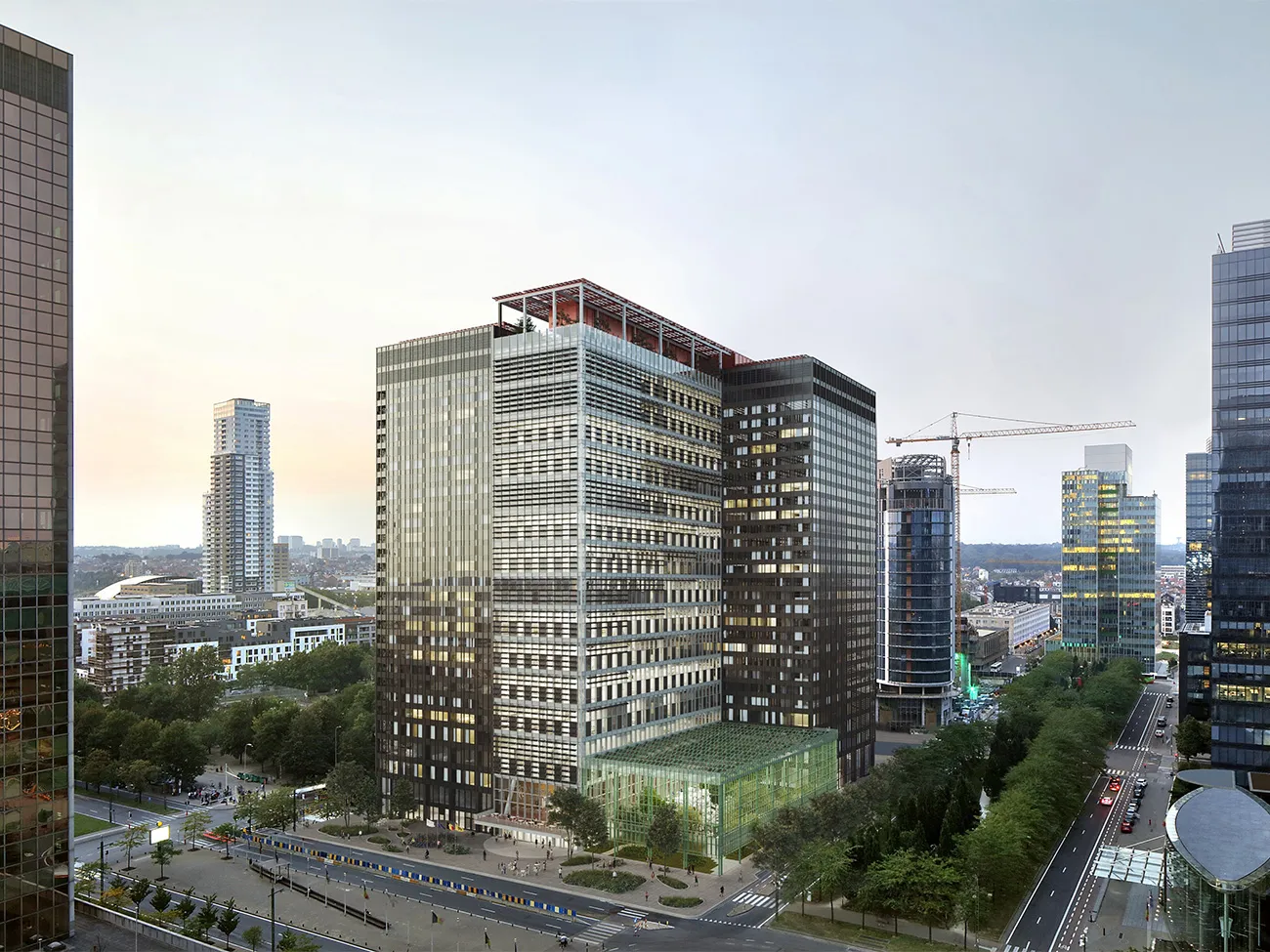
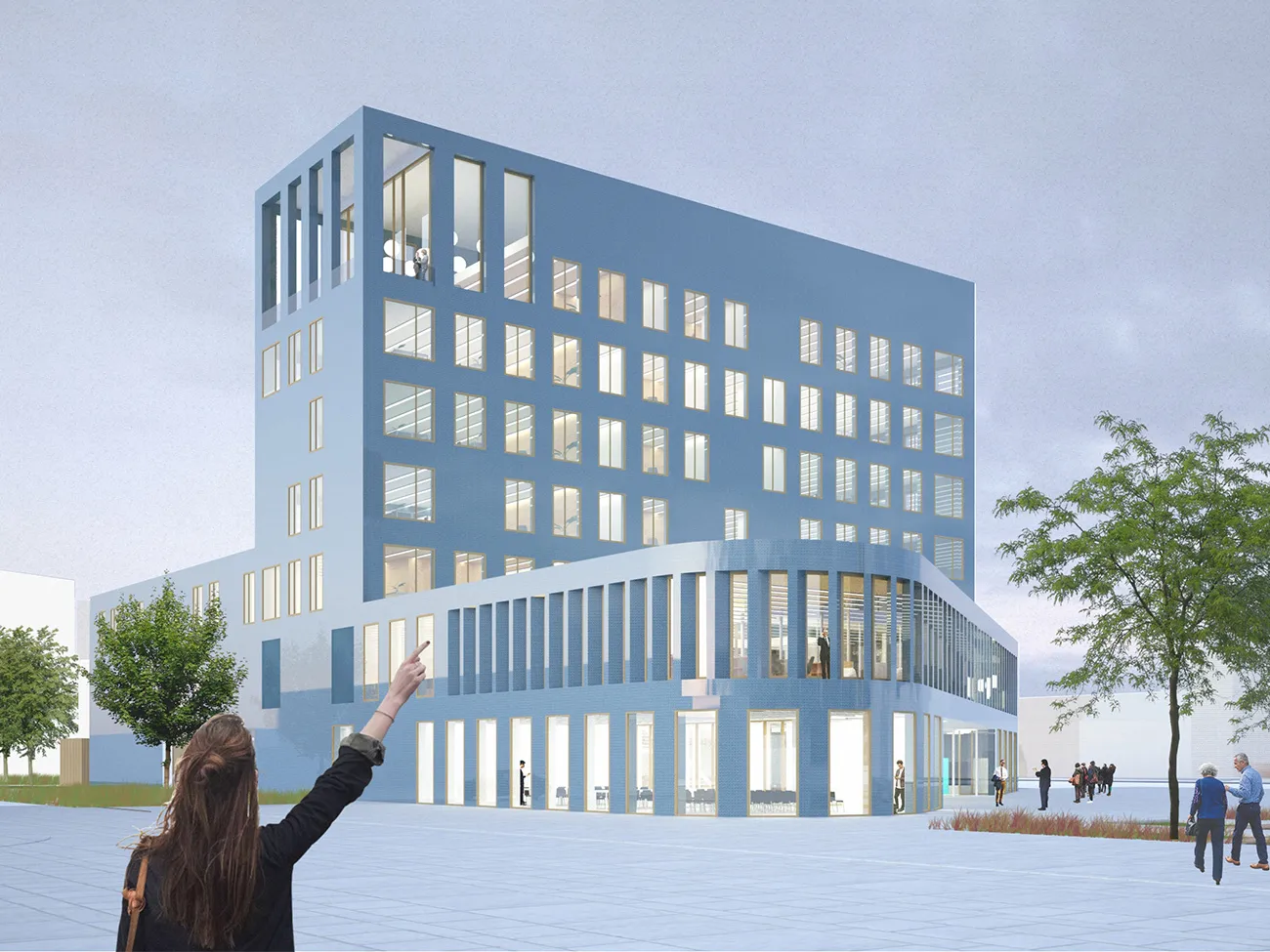
ZIN in Noord in Brussels is another flagship project for VK. “The renovation of the WTC I and II towers is based on circularity. Our role focuses mainly on energy. A KWO system will meet 60 % of the energy demand,” says Vergaert. The wellbeing and health of users are also key considerations in the construction of a new tower for the university hospital in Luik. “For example, we are focusing strongly on optimising the façade in terms of daylight, acoustics, fire safety and more,” says Vergaert.
Een zakelijke vraag aan VK architects+engineers? Get in touch
Companies in this story
Keep following this
Get an email when a new story is published. No account needed.
- SubjectYearbook
- CompanyVK architects+engineers