“Our order book has tripled in twelve months”
Growing in times of crisis is no mean feat. Yet over the past two and a half years, Vanderstraeten has managed to significantly increase its turnover and expand its workforce substantially. Since the Limburg-based family business changed direction and appointed Karel Luyckx as its first external CEO, things have been looking up again. What brought about this sudden turnaround? What are the underlying factors behind its success? And what does the future hold? We put these questions to Karel Luyckx himself.
The first few days in a new job are always nerve-racking, but for Karel Luyckx they were truly unforgettable. He joined Vanderstraeten as its new CEO on Monday 10 March 2020, and at the end of that week the first coronavirus lockdown was announced. Before he had even had a chance to get to know his new colleagues properly, it was already all hands on deck.
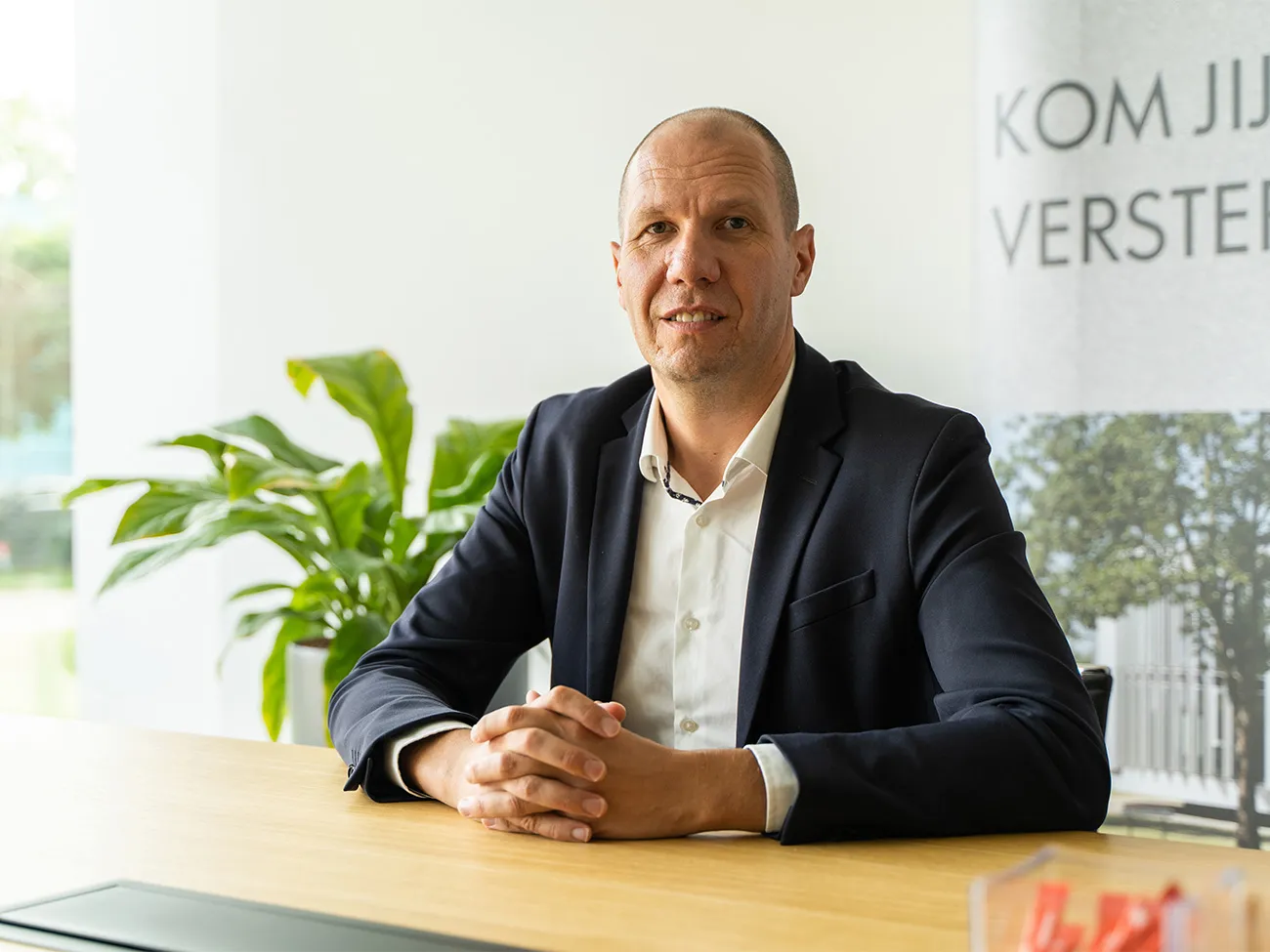
Karel Luyckx: “The weeks that followed were dominated by chaos and uncertainty. When a major fellow contractor was forced to halt work on its sites, it triggered a domino effect, meaning we too had to hit pause. So I first met most of my colleagues online, including during our daily crisis meetings. It’s obviously not easy to
integrate into a new organisation under those circumstances. Fortunately, my previous experience in the contracting sector meant I was already familiar with Vanderstraeten’s corporate culture and family values.”
How did you manage to get Vanderstraeten back on track in the midst of the coronavirus crisis?
“We restarted our construction activities after just three weeks, albeit on a limited scale. Meanwhile, we saw others in the market holding back until their sites could operate at 100%. We made a conscious decision to invest heavily in keeping our sites running, with hygiene measures, individual transport, and revised site circulation and coordination to ensure social distancing could be observed. By the end of May, we were fully operational again, while others continued to work at reduced capacity until after the summer. Although at times it took blood, sweat and tears, I still believe we made the right decision, because it generated a lot of goodwill. It gave the company fresh impetus, which we built on in the months that followed.”
You are Vanderstraeten’s first non-family CEO. Why was there a need for you to join?
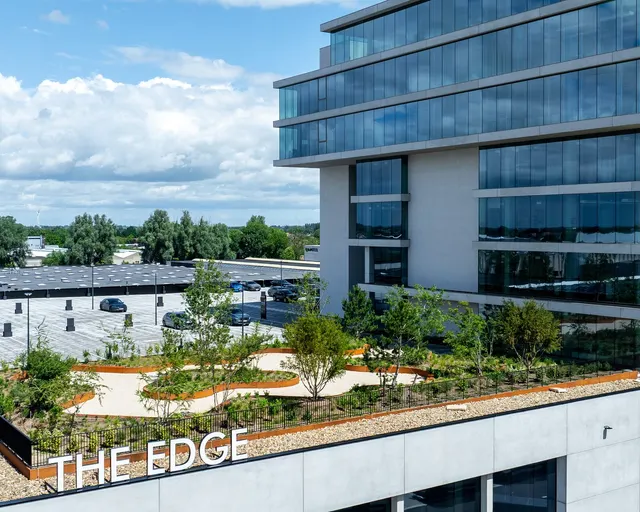
“From 2010 to 2015, Vanderstraeten enjoyed strong, healthy growth, with turnover across the group rising to more than 100 million euros. Vanderstraeten itself accounted for around 70 million of that. 2016 and 2017 were also good years, but in 2018 and 2019 turnover fell sharply as a combination of factors had a negative impact on one another. Site profitability came under pressure as turnover declined, while the new office was under construction and substantial investment was being made in digital innovation, including an in-house BIM department. This resulted in a sharp increase in fixed costs. I joined in early 2020 to bring a fresh perspective to the company. My task was to streamline the organisational structure and map out a new growth strategy, with turnover of 70 million euros as an essential condition for a healthy operation. Initially, I spent most of my time on project studies and tenders, acting as an intermediary between estimating and delivery. Winning a major project in our very first week, a landmark residential tower in Leuven, gave us a kick-start. It wasn’t that everything was perfect straight away, but it got the ball rolling and created a great dynamic throughout the company.”
Did your appointment as CEO also bring a change in focus?
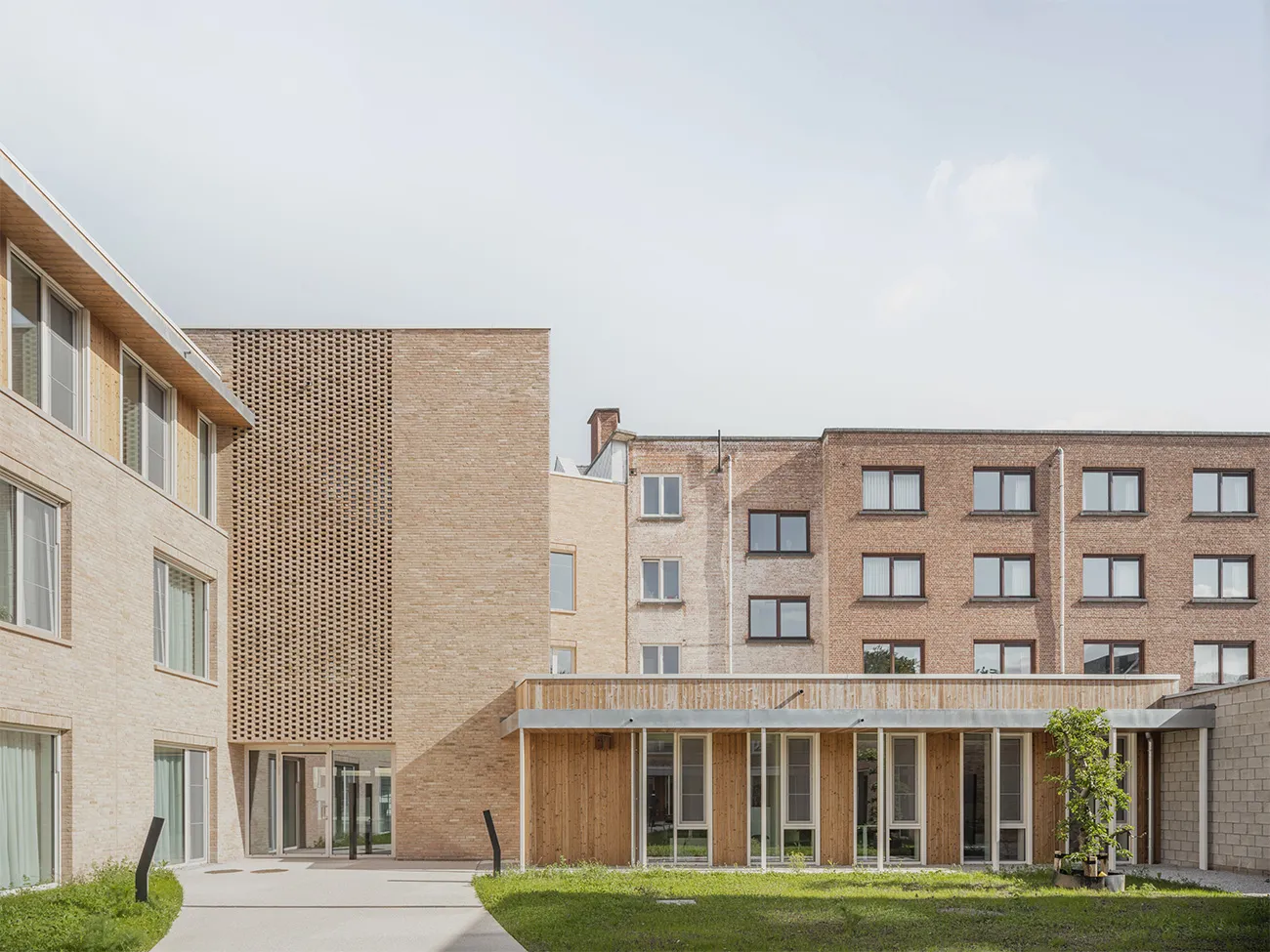
“We did indeed set out a few new strategic priorities. One was to rebalance our public and private market activities. Until the 2000s, the focus was entirely on the public sector, including schools, hospitals and care homes. After that, the balance shifted entirely towards private, mainly residential, projects, accounting for 80 to 90% in 2019! I felt that was unhealthy, as it made the organisation too dependent on a single market segment, so we have since started pursuing public projects again, both through tenders and Design & Build projects. Both segments have grown considerably and are now fully balanced. We also decided to stop funnelling the construction management function through a single technical director, and instead put in place a complementary six-strong team combining seasoned professionals with ambitious young employees who have grown within the company. They provide the missing link between management, purchasing, project preparation, the BIM department and delivery. As a result, our project managers and site managers once again receive optimal support. Finally, we have improved our cost control system, automated project monitoring and continued to invest in digitalisation.”
Are the effects already showing in your order book and financial results?
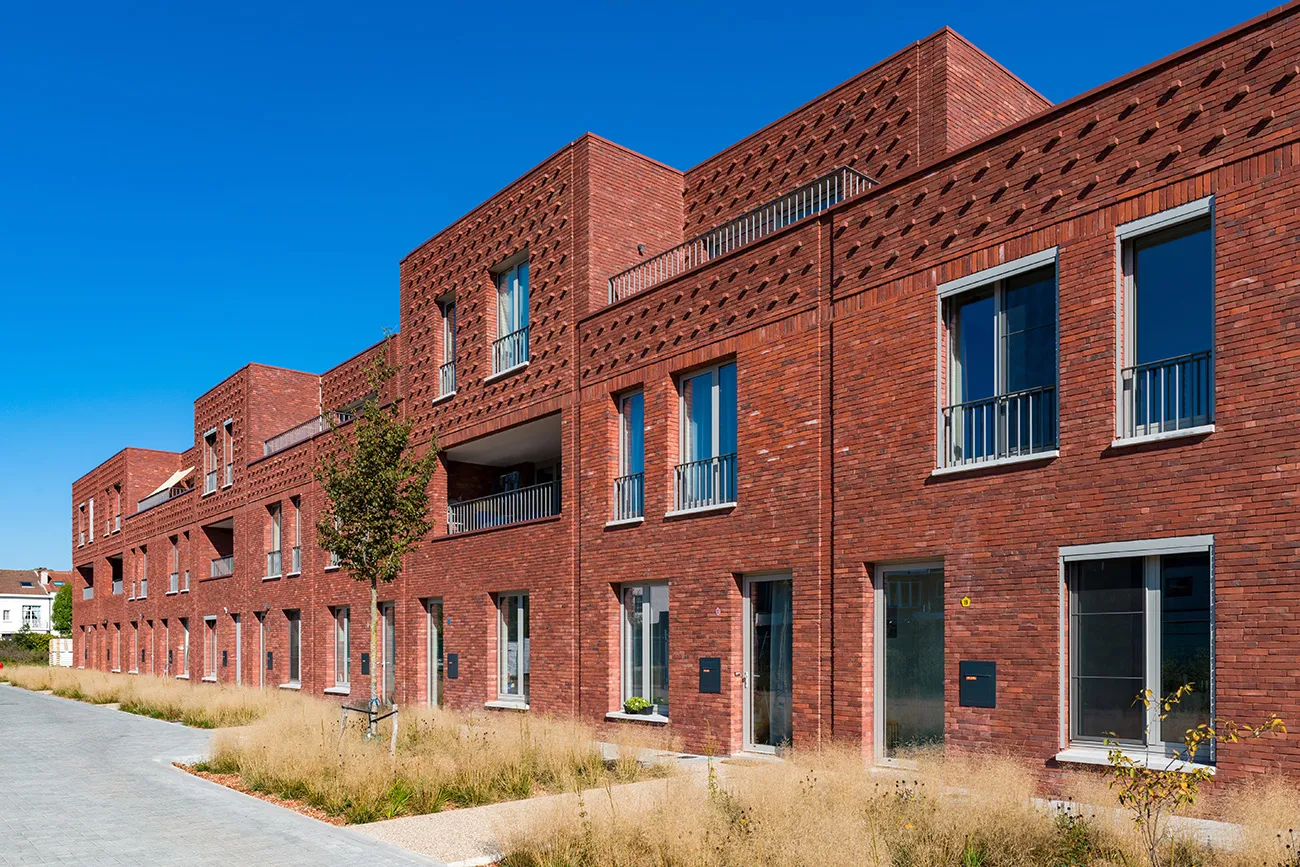
“Absolutely. In the first six months, we immediately won a great many public tenders, alongside a number of regular private clients who turned to us again for their residential projects. The Belgian Ministry of Defence, a long-standing client for decades, also called on us again as part of investment programmes at various sites. Our order book tripled in twelve months, enabling us to achieve turnover of 76 million euros again in 2021 and meet our target straight away. In 2022, we are likely to end the year at around 115 million euros. And the future looks bright: we have a pipeline worth 250 million euros and are assured of more than two years’ work.”
Will you be able to deliver all that work?
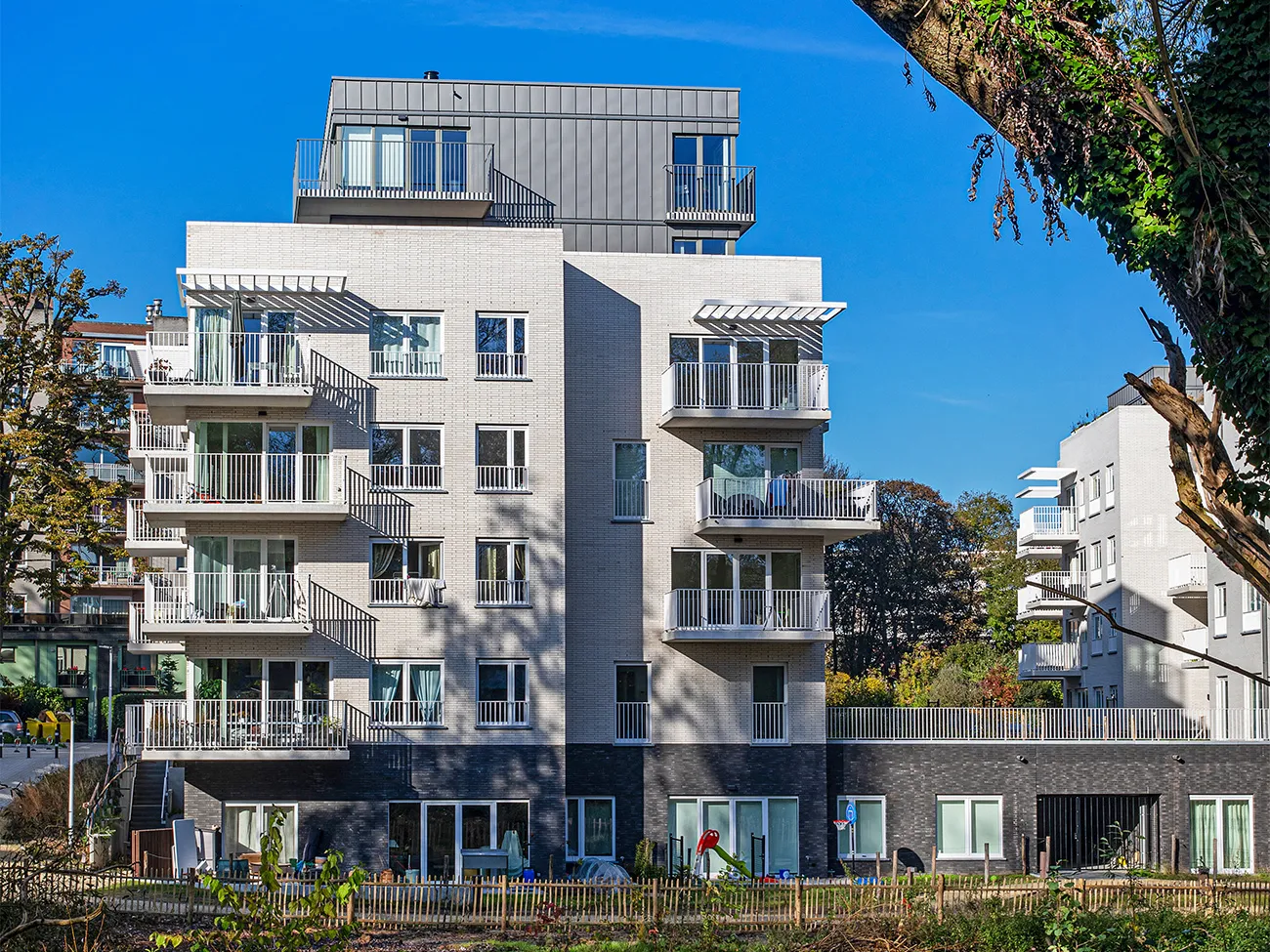
“We have gone from twelve to 25 projects under way, and you can’t manage that without expanding your workforce. So, alongside our existing core team, we have hired a great many new people: 55 in just over twelve months, more than 45 of them in delivery! Finding skilled workers is no easy task these days, but we try to attract them with a wide variety of medium-sized and large projects along the Antwerp-Brussels-Leuven corridor. To take on larger, more complex projects as well, we have entered into partnerships with several fellow contractors we work very well with.”
So, after two and a half years as CEO of Vanderstraeten, the balance is positive. What does the future hold for the company?
“For me personally, the balance is very positive! I feel very much at home here and have a very good relationship with my predecessor, Michel Vanderstraeten, who now focuses on activities within VDS Group and has taken on a major commitment at Embuild. Since 2021, I have also headed up the sister company Peremans, and I am now even a co-partner in VDS Group. This benefits synergies with the other companies in our group, Peremans and Execon, and creates valuable opportunities for cross-fertilisation and economies of scale. As for Vanderstraeten, we hope to consolidate our current growth over the coming years. We also dream of expanding our geographical reach in time. For example, it would be great to establish a foothold in East and West Flanders through an acquisition. In short, we’re not standing still and have plenty more plans for the future!”
Question about this story? Ask your question
Keep following this
Get an email when a new story is published. No account needed.
- SubjectYearbook