“Property development has become a craft”
Text Tim JanssensImage Volus
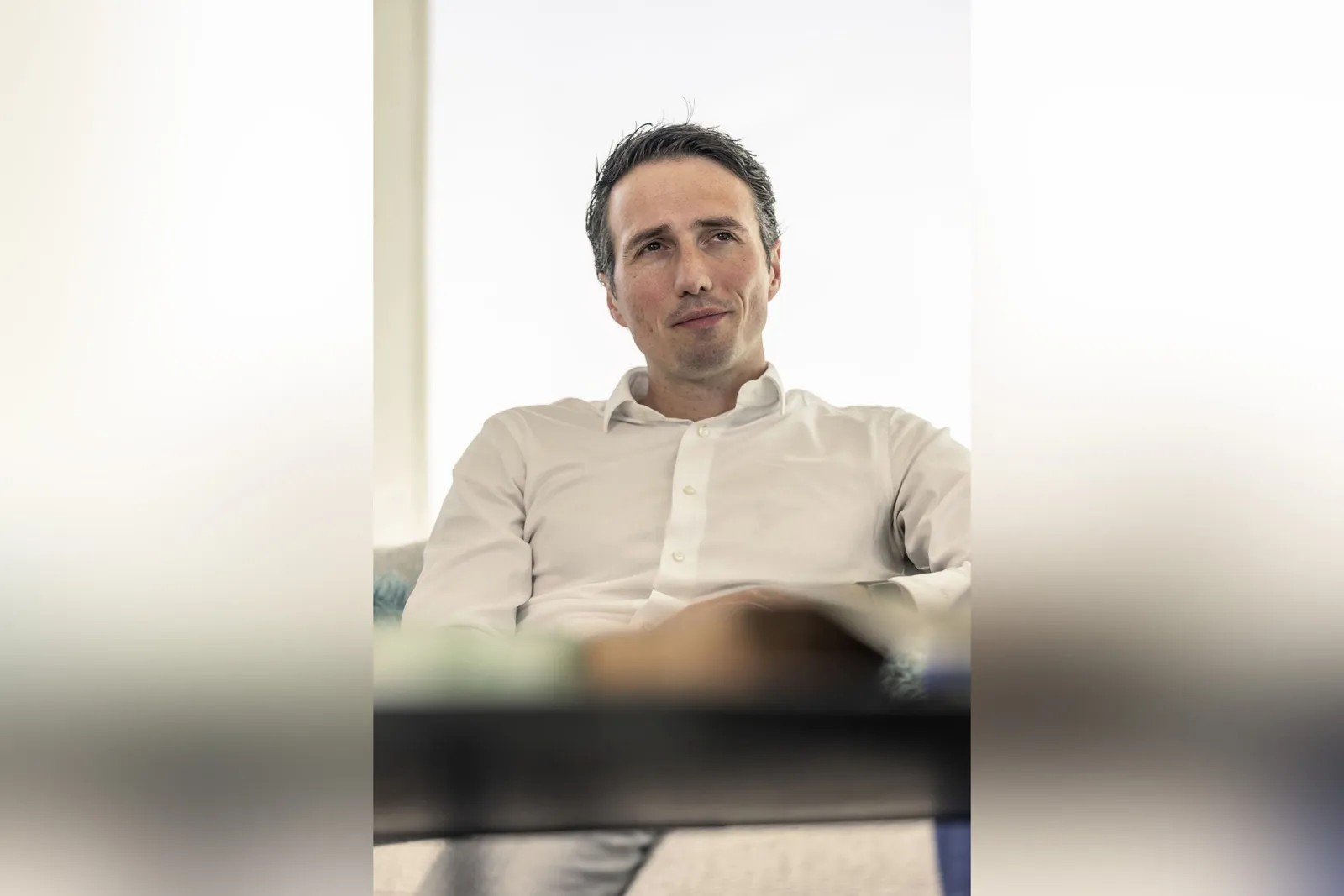
A highly volatile property market and painfully lengthy planning-permission procedures: a damaging combination for many property developers. Volus is an exception, building on its success by staying true to its tried-and-tested philosophy: prioritising quality and added value over maximum returns. “Our secret? Hard work, perseverance and sticking to our principles,” stresses CEO Lorenzo Van Tornhaut.
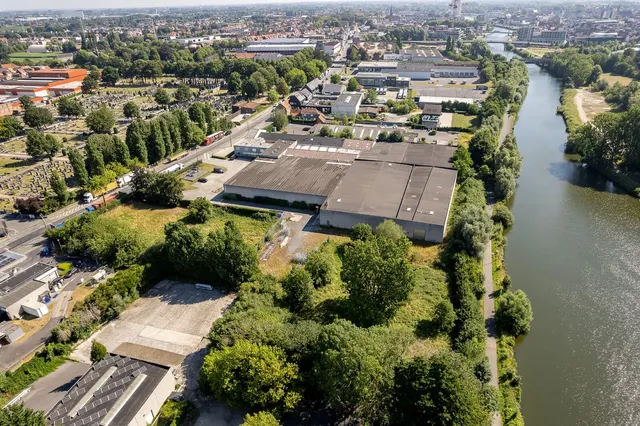
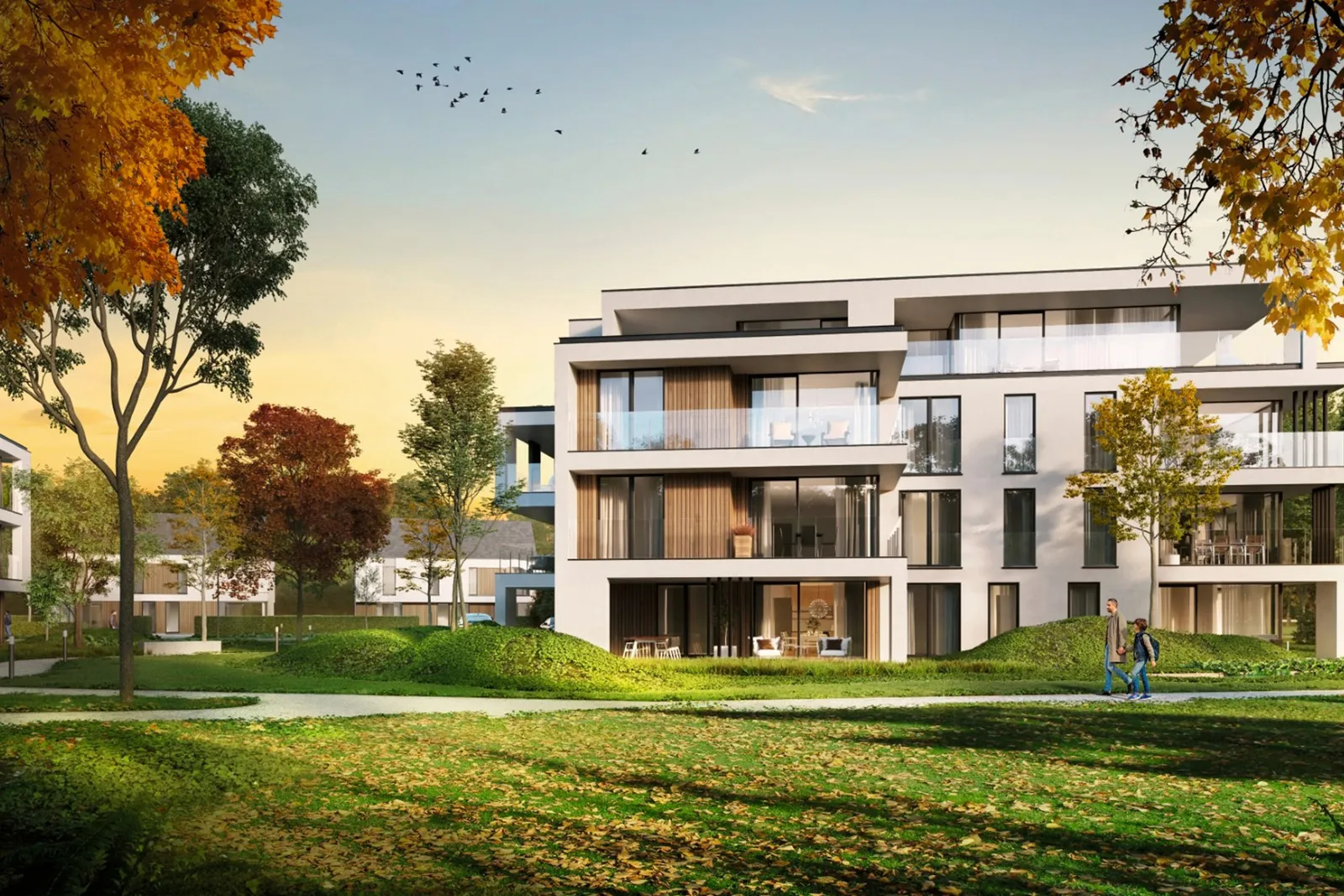
Planning permission: it is a phrase that gives many property developers grey hairs. The problem is becoming increasingly acute. Volus knows this all too well: the planning process for Oeverpark in Lokeren, now sold out and due to be fully completed in 2026, took twice as long as the actual construction. “As a property developer today, you need a thick skin, both financially and mentally,” says Lorenzo Van Tornhaut. “But we refuse to be discouraged. You have to persevere, constantly question your projects and also see the planning-permission issue as an advantage. We regard it as a ‘maturation period’, which sometimes simply takes a little longer. As the development arm of VT-invest, backed by our own family capital, we do not have to compromise or make hasty decisions, and where necessary we can explore things in greater depth. That is no luxury, because property development has become a craft. You have to keep refining, shaping and moulding your schemes, in terms of design, commercial viability, finance and construction.”
Adding value rather than exploiting land
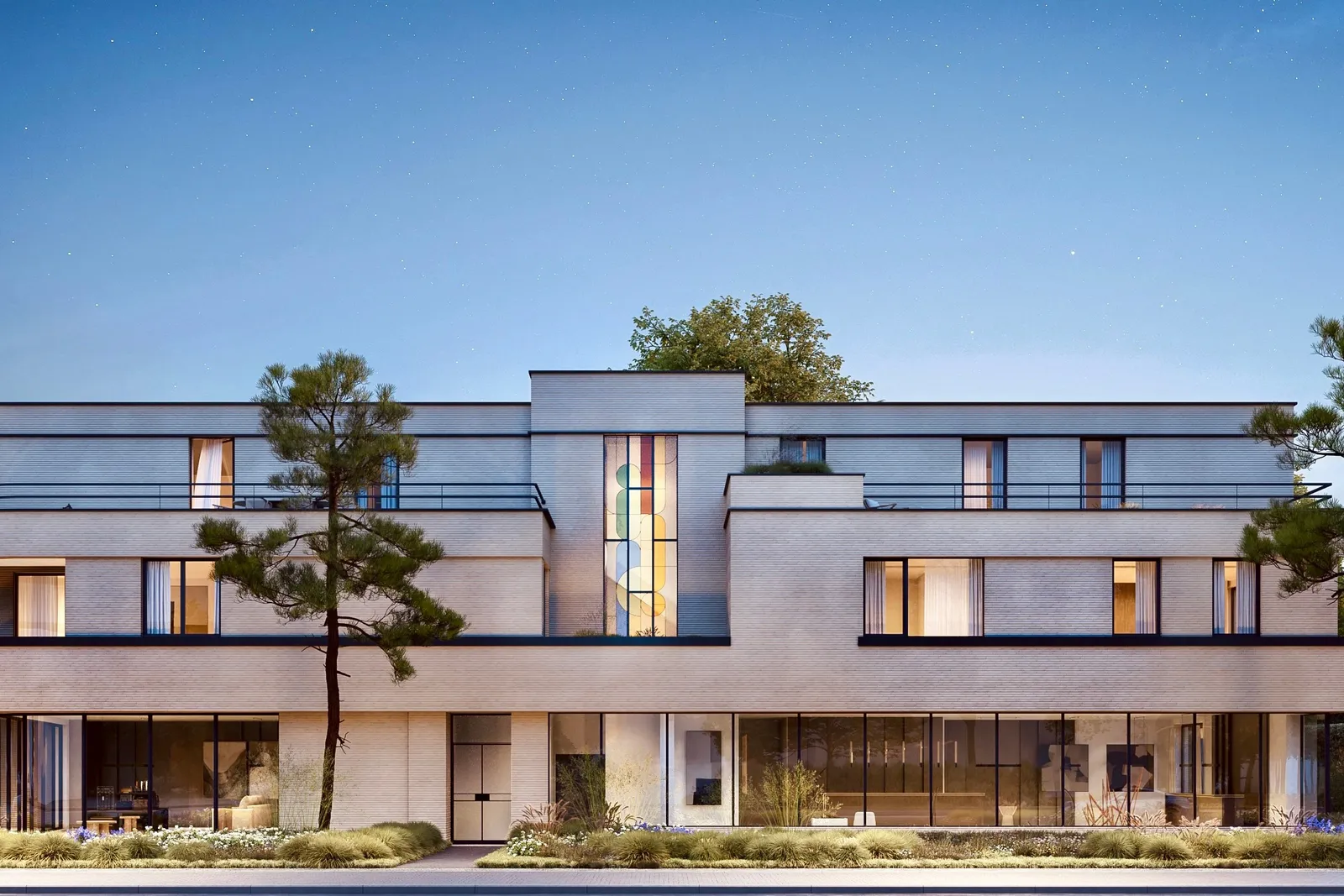
Volus does this with great success, continuing its upward trajectory despite challenging market conditions. In each of the past few years, it sold half of its stock, but in the first half of 2025 it did even better, selling around 75%. “I am convinced this is largely thanks to our focus on the quality of the design and architecture, with an eye to cultural and historical traditions and the local building context,” says Lorenzo Van Tornhaut. “Our projects do not stand alone, but connect with their surroundings in terms of scale, architecture and/or programme. Park Lane in Sint-Martens-Latem is a good example. By incorporating art, among other things, we ultimately secured planning permission smoothly after a difficult pre-application process. As a developer, you should not simply exploit space, but genuinely add something. We approach our projects from all sorts of different perspectives, architectural, urban-planning, ecological, commercial, financial, construction-related, legal, sociological … and only put our weight behind what we consider to be high-quality and relevant. In this way, we respond to today’s challenges: creating attractive, vibrant city centres and residential neighbourhoods, regenerating brownfield sites, integrating heritage, public realm and existing or new green space …”
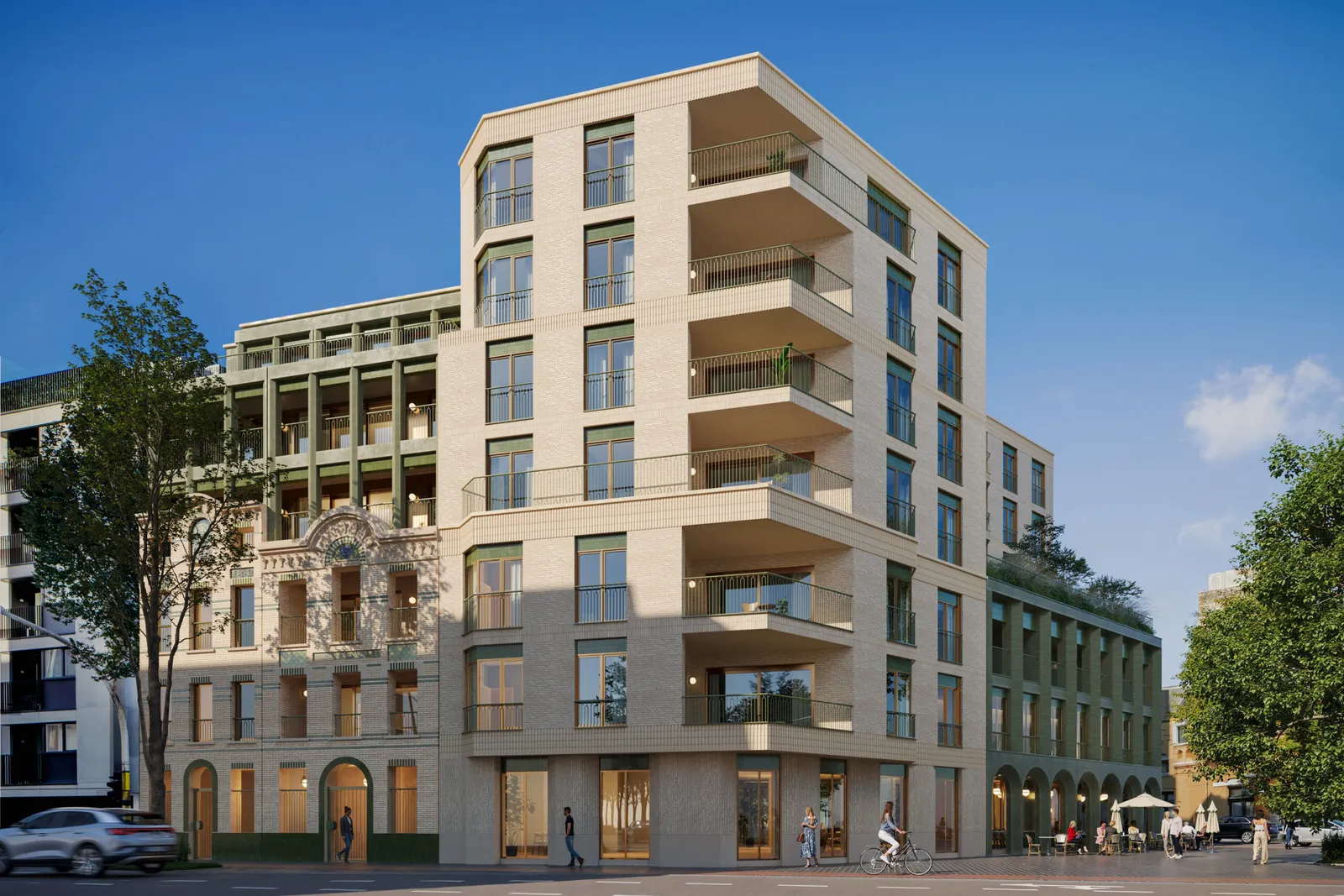
A new flagship project that illustrates this perfectly is Petit Paris in Oostende. At the intersection of three major urban thoroughfares, an attractive mixed-use development will take shape, with around 40 homes and 1000 m² of other functions, including hospitality venues and offices. “The family that owned the site approached us on the strength of our previous projects. Given the family background of our company, we immediately hit it off. By working closely with the Stadsatelier and coordinating with the local heritage committee, we were able to contribute to the neighbourhood’s cultural and historical value while also meeting all the specific requirements, including a mixed-use programme, quality of life and sustainable mobility. This enabled us to navigate the planning process smoothly, and it was successfully completed this summer. The project is intended for everyone in Oostende, not just the ‘happy few’. With its striking arcades, the public-facing ground floor will be a real attraction in both summer and winter. Above it are optimally oriented apartments with lovely views. The picture is completed by art integration in collaboration with a local curator. I am very enthusiastic about this project, because it is a textbook example of what we like doing and do well.”
Building on its previous successes, Volus and its parent company VT-Invest have also made several high-profile investments in the Knokke-Heist residential market this year. “Our family made great strides there in the first decade of this century with a series of large-scale developments. We remained active with the office for Bank Delen and 41 Queens Corner, but with the acquisition of both Edition Zoute and the school campus at Alfred Verweeplein, we are stepping up a gear again. L’histoire se répète.”
Diversification in scale, type and pace
Alongside its focus on the quality of the design and architecture, another key factor behind Volus’s success and operational stability is diversification. “That means diversification in scale and type, as well as pace, because we do not just deliver residential projects, but also, for example, semi-industrial business parks for SMEs,” says Lorenzo Van Tornhaut. “We also see a future in this area, because as available space becomes increasingly scarce, the focus will shift towards optimising existing business sites and creating layered programmes. As with residential developments in town centres, we are moving towards stacked, interwoven functions that incorporate high-quality public realm. Our know-how and experience as a residential developer are particularly useful here. The more complex things become and the greater the need for specialist expertise, the more our strengths come into their own.”
In short, by 2025 Volus has become a reliable B2B partner for landowners, notaries, solicitors, architects and property portfolio managers who want to turn their property ambitions into reality in the best possible way. “Our core principles are becoming ever more deeply embedded in the way we work: family foundations, a focus on quality, specialist expertise and a stable team of 12 that guarantees continuity. If trust, emotional connection and quality are important values to you, we are the right partner,” concludes Lorenzo Van Tornhaut.
Question about this story? Ask your question
Keep following this
Get an email when a new story is published. No account needed.
- SubjectYearbook