RC doors: where security and design go hand in hand
Text and images Eribel
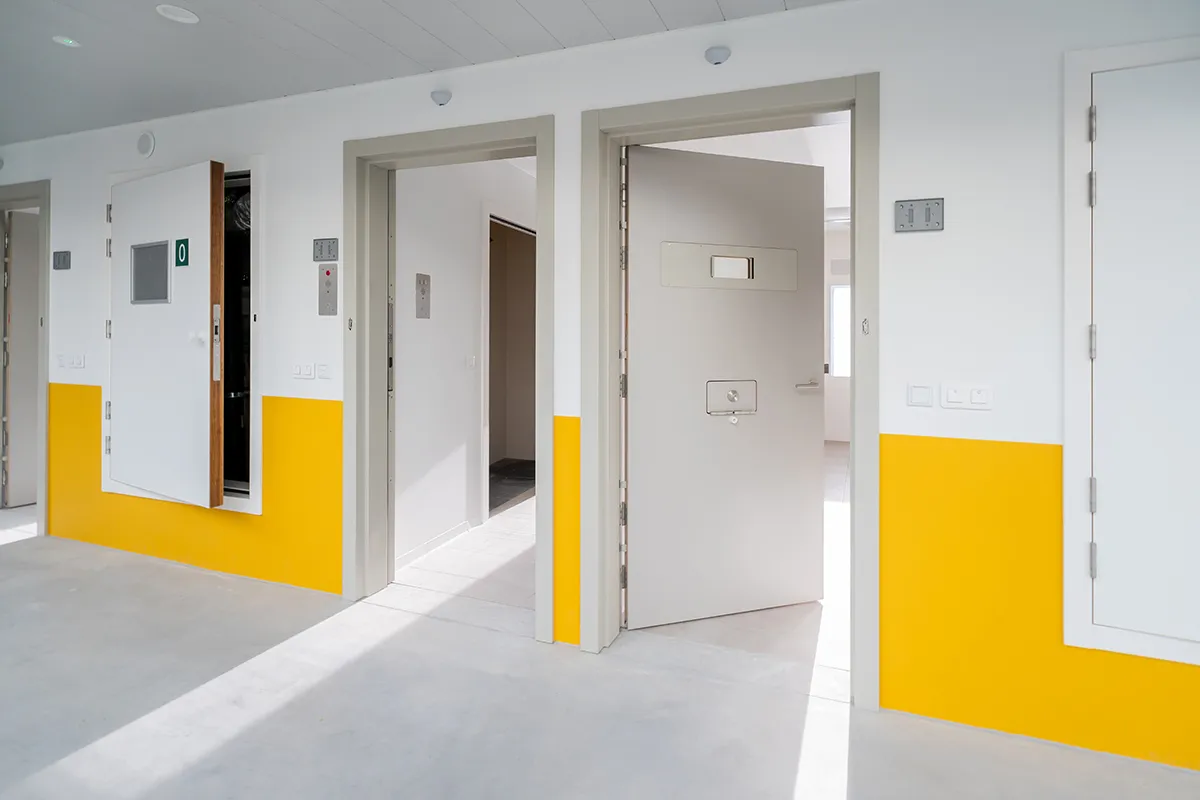
In contemporary buildings, doors are more than just entrances; they are the first line of defence against burglary, aggression or unauthorised access. Eribel’s range of RC doors, available in timber, aluminium and steel, combines high resistance classes with aesthetics and functionality. “From RC2 to RC5, our doors offer protection tailored to a wide range of applications, from offices and schools to healthcare facilities, public buildings, police stations and prisons,” says the company.
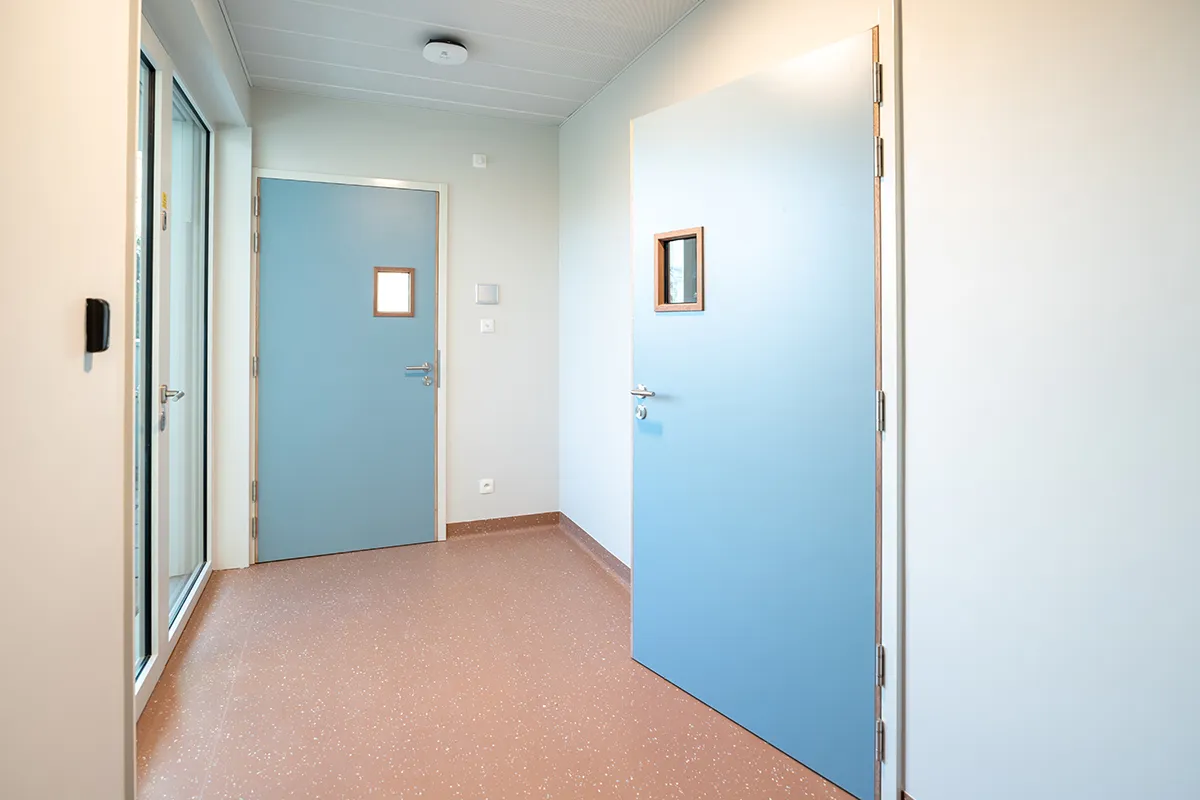
Solid timber doors: warm and robust
Eribel’s solid timber RC doors in the SolidTeq range offer burglary resistance up to RC4, combining this high performance with a warm, natural appearance. They are built around a sturdy timber core, finished with HPL, veneer or paint, and fitted with a timber or metal frame. These doors can also be combined with EI1 30 and EI1 60 fire resistance. They provide a reliable barrier against forced entry and escape, while the use of natural, durable materials creates a warm look and feel. They are manufactured at Eribel’s site in Rijkevorsel, where craftsmanship and quality control ensure the reliability of every door.
Steel profile doors: transparent and strong
For projects where light and openness are important, the SteelTeq range of steel profile doors offers an ideal solution. Manufactured at Eribel’s site in France, these doors achieve certified burglary resistance up to RC4 and are available as single or double doors. They can also be combined with bullet resistance up to FB6. SteelTeq doors are suitable for a wide range of settings, from hospitals and government buildings to offices and industrial spaces, showing that security and design can go hand in hand.
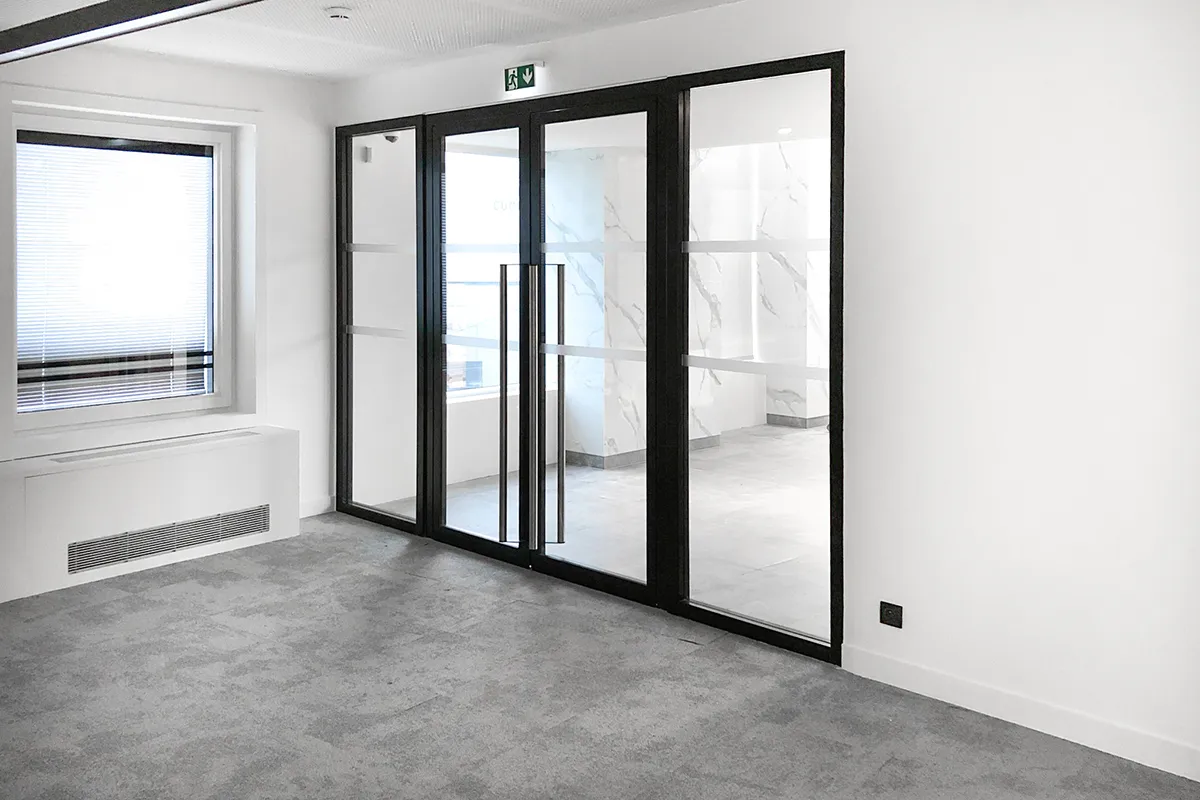
Innovation for healthcare
Eribel developed the RC3+50 door for the healthcare sector following incidents in which conventional RC3 doors proved unable to withstand repeated aggressive behaviour in psychiatric wards. In collaboration with the relevant authorities, a test method was developed in which the door is subjected to fifty dynamic impacts from a 200 kg weight at 10 km/h, rather than the seven impacts required for a standard RC3 door. Any gaps can be adjusted on site to ensure the door offers maximum resistance. The RC3+50 is certified by ANPI under BENOR report IC3+50 and provides a standardised approach to doors in the healthcare sector. It combines greater resistance to intensive and repeated force with clear reliability for patients and staff.
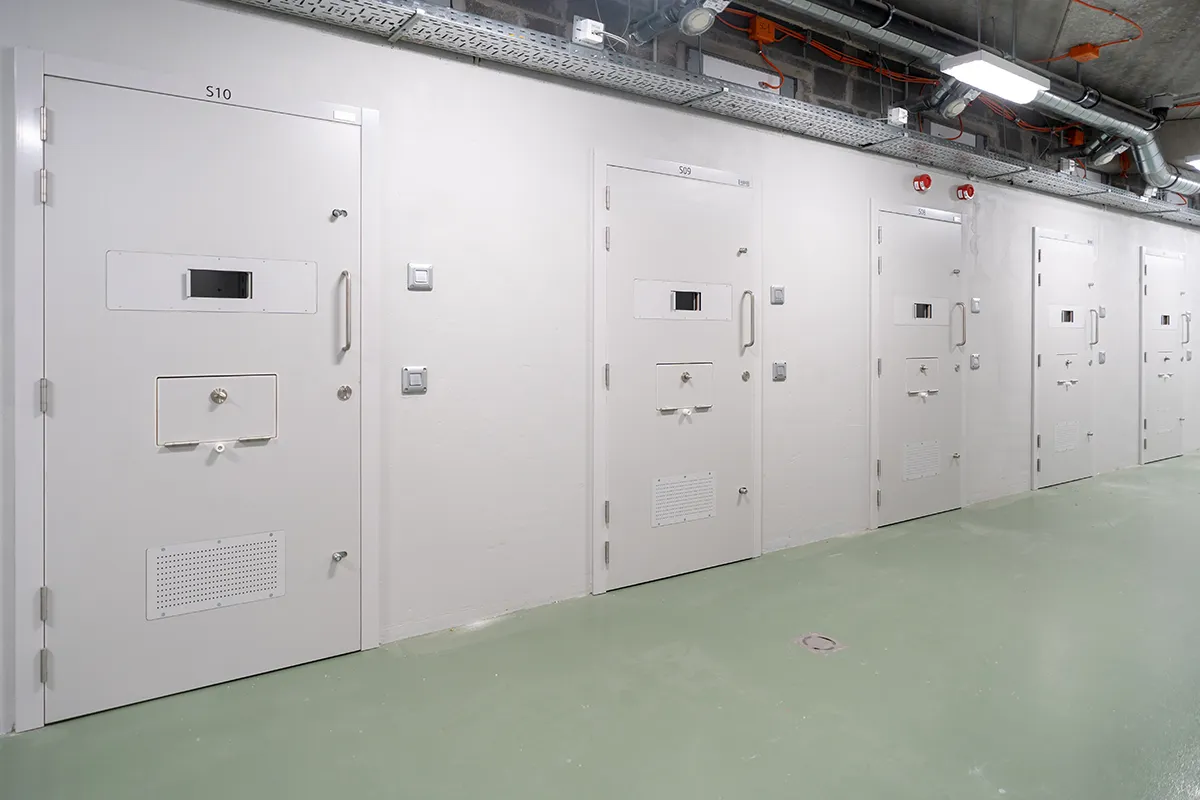
Efficiency for every sector and application
“Our extensive range of technical solutions ensures that every project meets the appropriate RC standards,” says Eribel. “We ensure that people, documents and buildings are effectively protected. What is more, security and aesthetics go hand in hand.”
Question about this story? Ask your question
Keep following this
Get an email when a new story is published. No account needed.
- SubjectYearbook