The Circle: industrial construction with a range of ‘building blocks’
Text Els JonckheereImage Willy Naessens Industriebouw
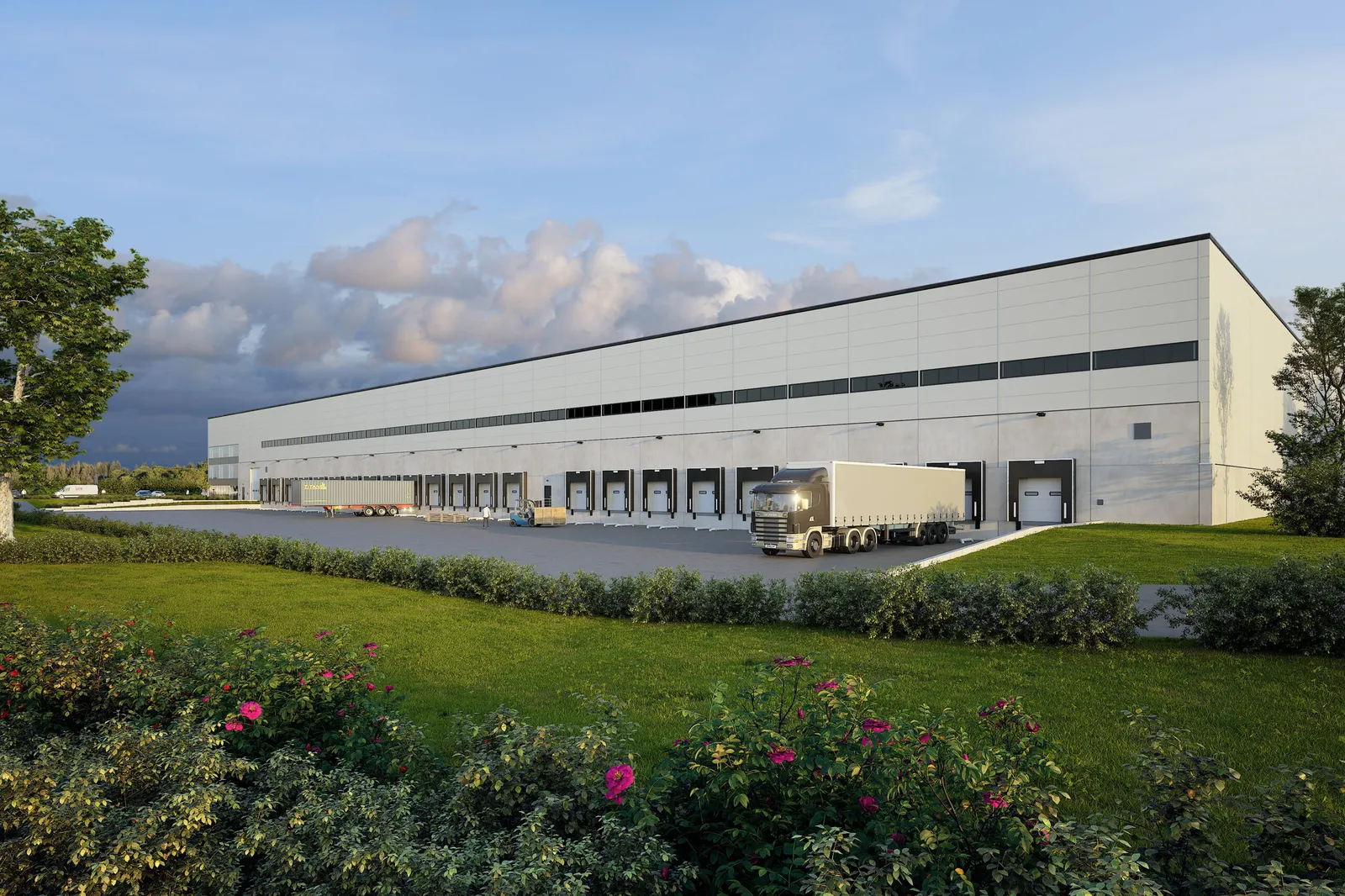
The sharp rise in demand for circularity in construction is driving a wave of innovation across the sector. Willy Naessens Industriebouw is a prime example of this innovative thinking. With ‘The Circle’, this construction partner is launching not only a circular concept, but also a solution that keeps industrial construction affordable and responds to the changing needs that all factories, logistics hubs and large retail outlets will sooner or later face.
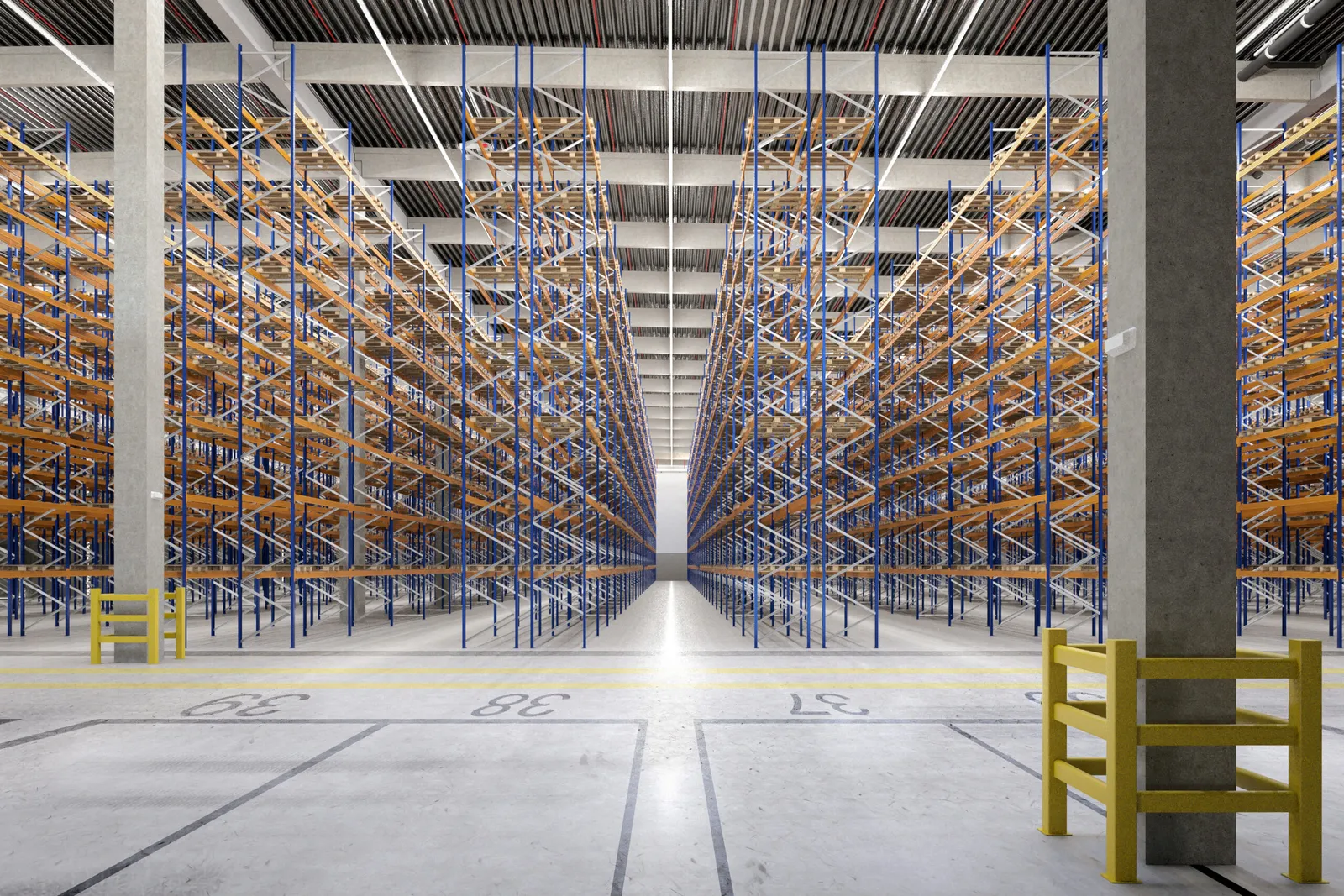
Willy Naessens Industriebouw is a company that continually challenges itself and looks for ways to improve. It was in this context that its management and R&D department began thinking about ‘the industrial construction of the future’ around three years ago. “Prefabrication has always been central to our business,” says CEO ir. Thomas De Vogelaere. “We wanted to combine this with genuine circularity, for both shell construction and turnkey projects in the industrial and logistics sectors. Our inspiration was Lego: we wanted to be able to meet every customer need using around a hundred modular building blocks.”
Plan ahead with a web tool
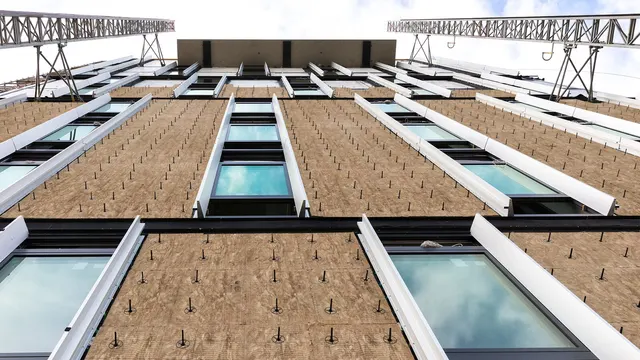
Willy Naessens Industriebouw achieved its goal and launched ‘The Circle’ in April 2023: a range of ‘building blocks’ that can be used to construct large and small industrial and logistics buildings, including office space, in no time. The concept is not only user-friendly during construction. The preparatory process is also extremely quick and straightforward. “We developed a web tool that allows us to model the building in 3D together with the customer and/or architect. Within two hours, they can see the actual cost and even generate detailed plans, sections, elevations and 3D images.”
A small ecological footprint
The major advantage of ‘The Circle’ is its circularity. This makes it easy to achieve BREEAM certification for any type of building. “On the one hand, 70 % of the building blocks have been designed so that they can be completely dismantled,” explains De Vogelaere. “25 % can be recycled, including the foundation blocks and floors. We can also carry out a full LCA of the customer’s building and calculate its ecological footprint, from the extraction of raw materials through to the building’s completion. On the other hand, we have refined our own processes to reduce the ecological footprint of production. For example, we cut CO2 emissions from our precast concrete panels by 35.4 % in one year by optimising our processes and changing the concrete mix. This is one benefit of our vertical integration: we have the people and expertise to prioritise R&D projects of this kind.”
No increase in the total cost
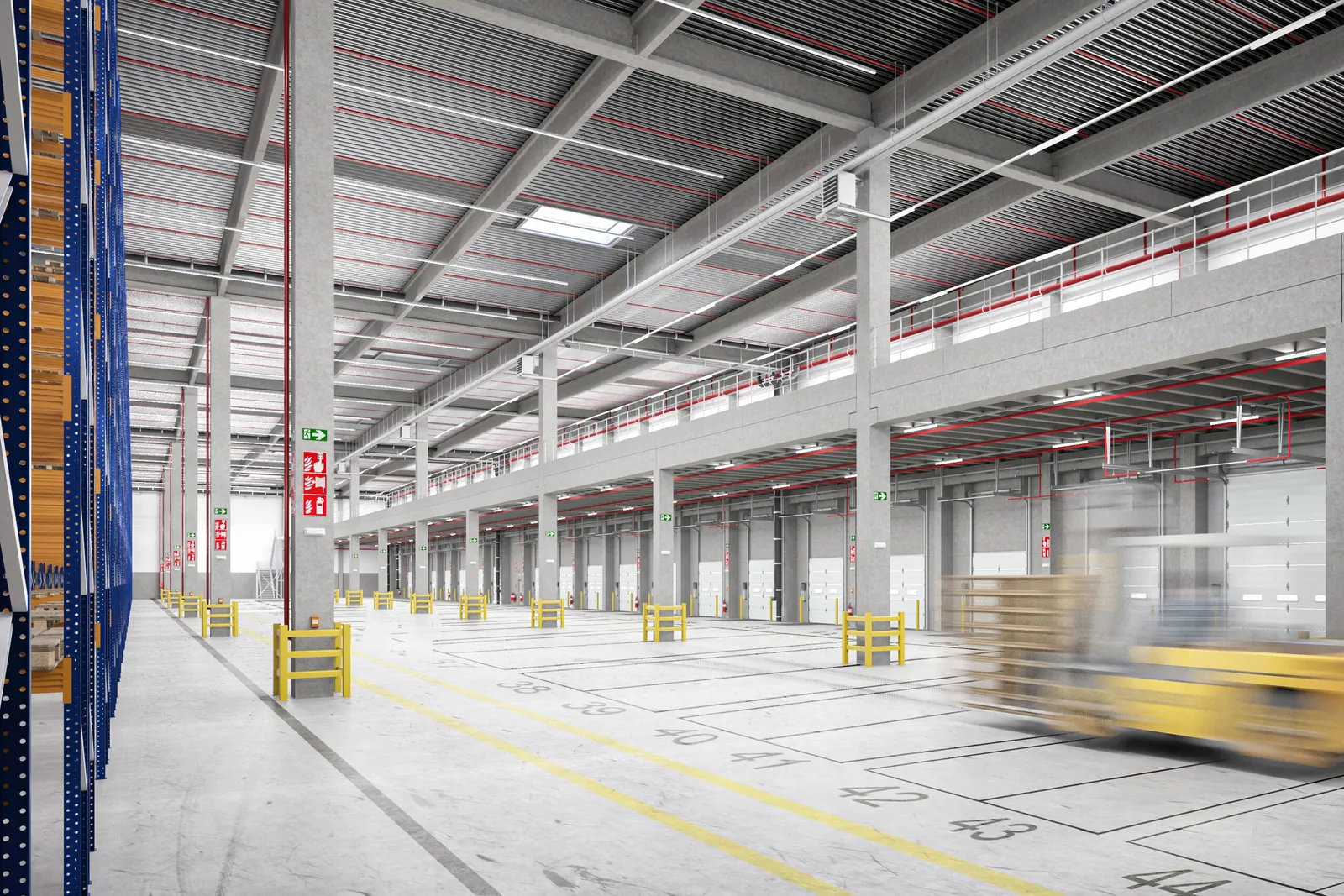
What makes this proposition so compelling is that ‘The Circle’ does not cost more than traditional industrial construction. “Demountable connections do come at a price,” says sales key account manager Liselore Myncke. “However, this additional cost is offset by the extremely short and straightforward preparation and construction phases. The buildings can also be extended, adapted or relocated very easily. That is an ecological advantage as well as an economic one.”
First project completed
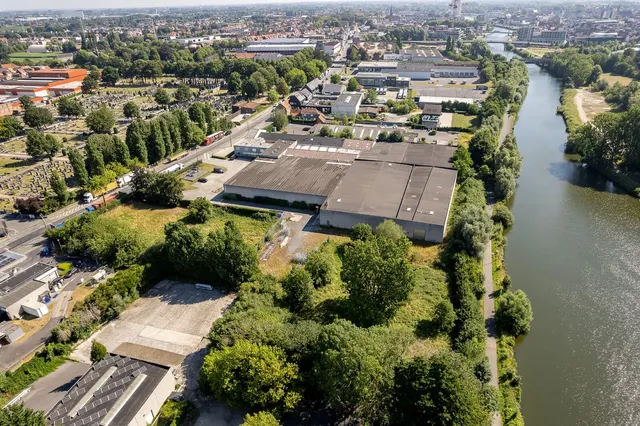
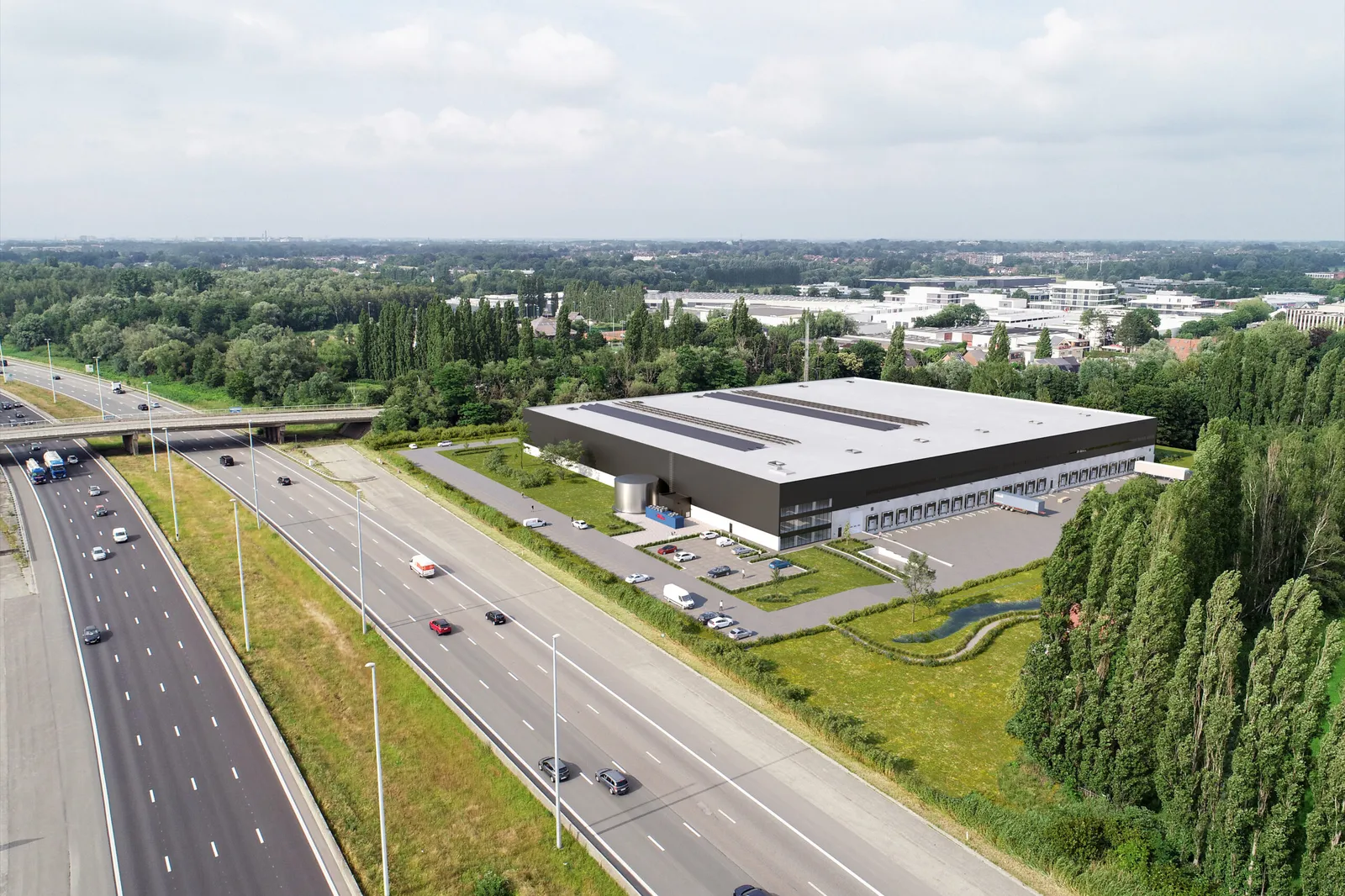
The first project has now been completed: Intervest of Herstal used ‘The Circle’ to build a 40,000 m² logistics hall. “We are not merely claiming that truly circular industrial construction is possible, we are proving it,” says De Vogelaere. “With ‘The Circle’, we are launching a concept that is both feasible and financially attractive for every player committed to sustainability.”
Question about this story? Ask your question
Keep following this
Get an email when a new story is published. No account needed.
- SubjectYearbook