World champion in corrosion protection
Text Wouter PeetersImage PhotoJoost.com, Peter Mertens, Filip Dujardin, B2Ai / EGM architecten, NOHNIK, Vissers & Roelands architecten
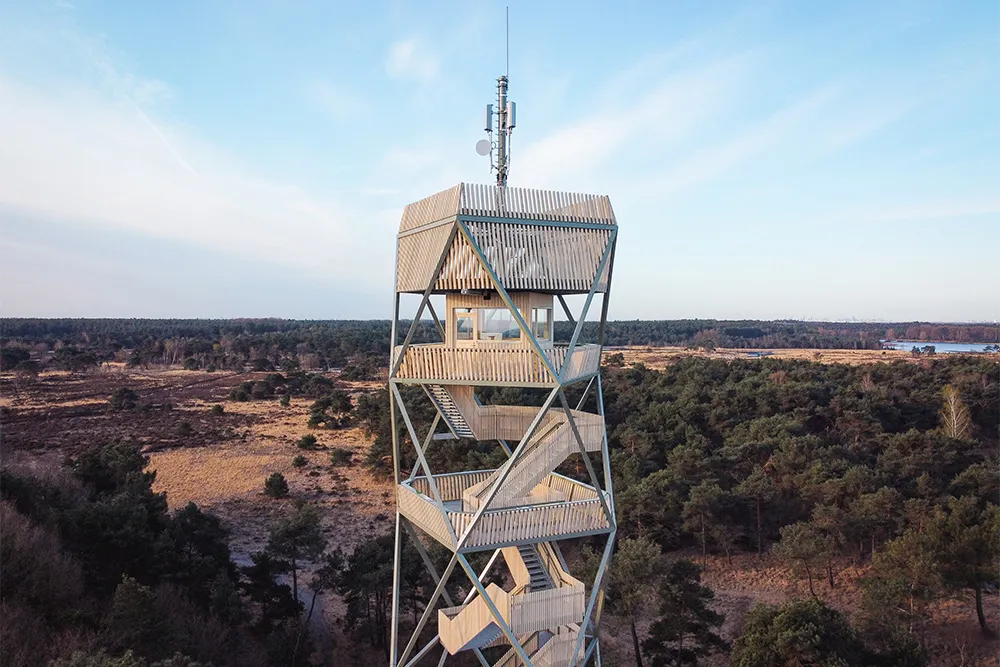
Hot-dip galvanising is a unique process that has been around for more than 150 years. According to Hans Boender of trade association Zinkinfo Benelux, no other method comes anywhere near this most complete and sustainable form of corrosion protection for steel. “Hot-dip galvanising is the absolute world champion in corrosion protection and ensures a maintenance-free, worry-free service life lasting many decades,” says Boender. This age-old method also proves its significant, unique added value in the circular economy.
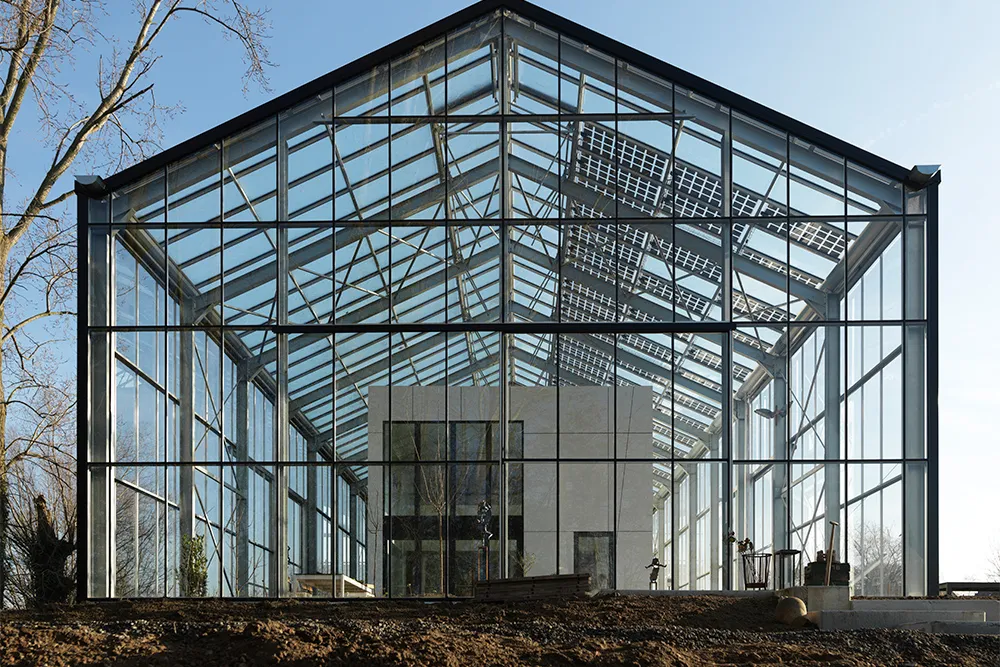
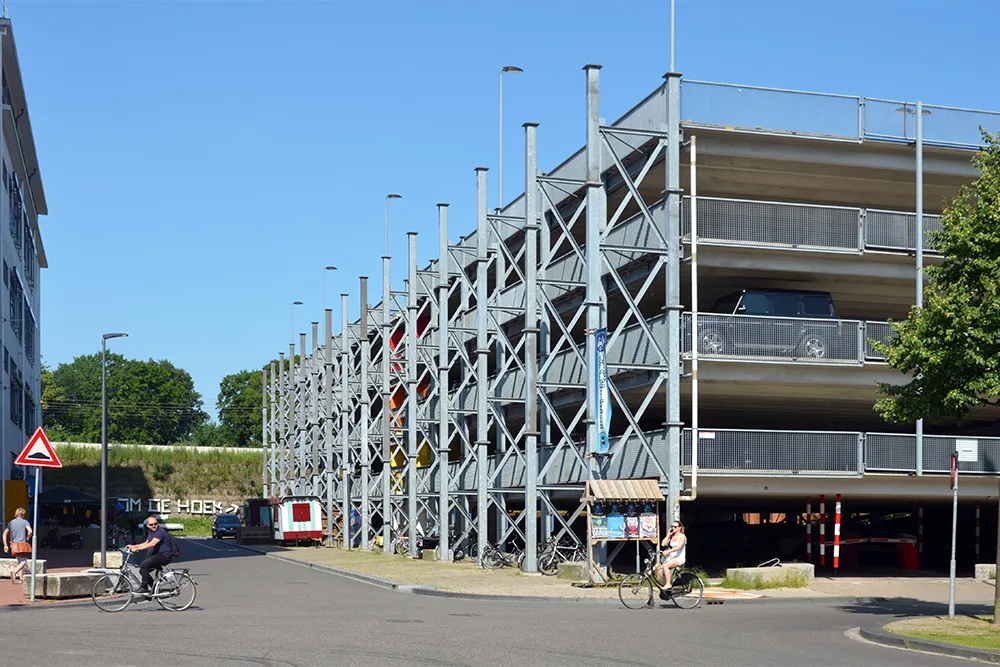
As a trade association, Zinkinfo Benelux represents the interests of hot-dip galvanisers in the Benelux. “For more than seventy years, promoting hot-dip galvanising has been our association’s core business,” says Hans Boender. “Although this method of protecting steel was discovered on a laboratory scale by the Frenchman Malouin in 1742, it was not until a hundred years later, during the Industrial Revolution, that it was used on a truly large scale. At the time, it was mainly small items that were galvanised, such as the buckets and tubs used every day on farms. Today, however, such products are made from (recycled) plastic, while it is the steel beams of large farm buildings that are galvanised, to stay in the agricultural sector. And it is in environments like these in particular that the long, maintenance-free service life of hot-dip galvanised steel proves its great added value.”
CO2-neutral products
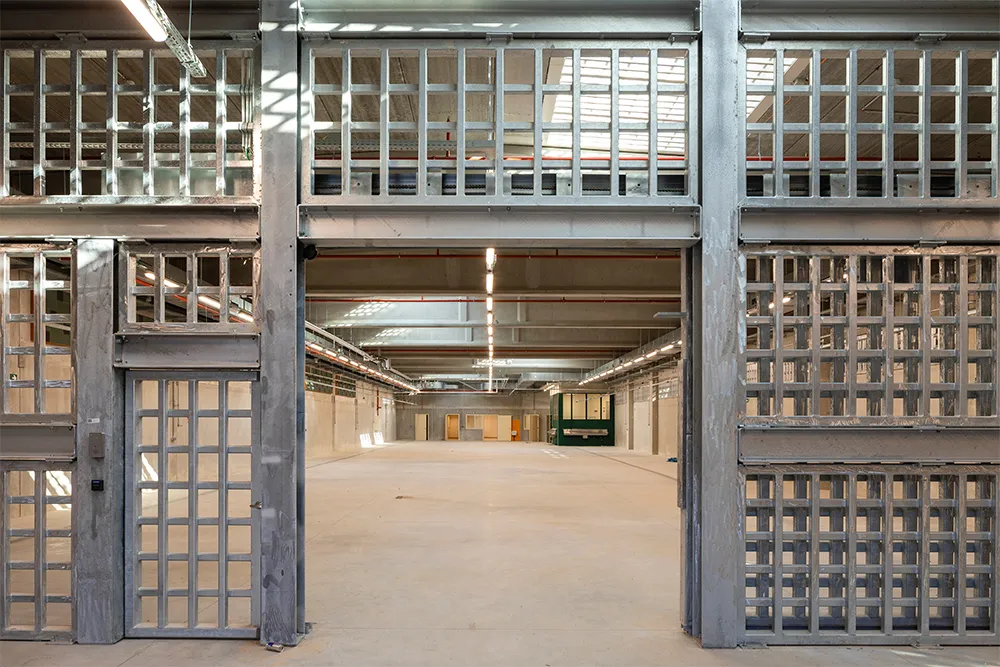
Over the past few decades, hot-dip galvanising has become increasingly established and much more widely accepted. “A great deal has already been achieved in improving safety, optimising energy consumption and refining the composition of zinc itself to produce CO2-neutral products,” says Boender. “An important aim of our trade association is to take further steps together as a professional body. Hot-dip galvanising delivers steel that is 100% circular. If dismantling a structure and rebuilding it elsewhere is no longer a viable option, the galvanised steel can be stripped of its zinc and melted down at the end of its life cycle without any problem. The zinc is collected carefully, ensuring that both raw materials retain their properties and can be 100% recycled. That is a major advantage in the circular economy.”
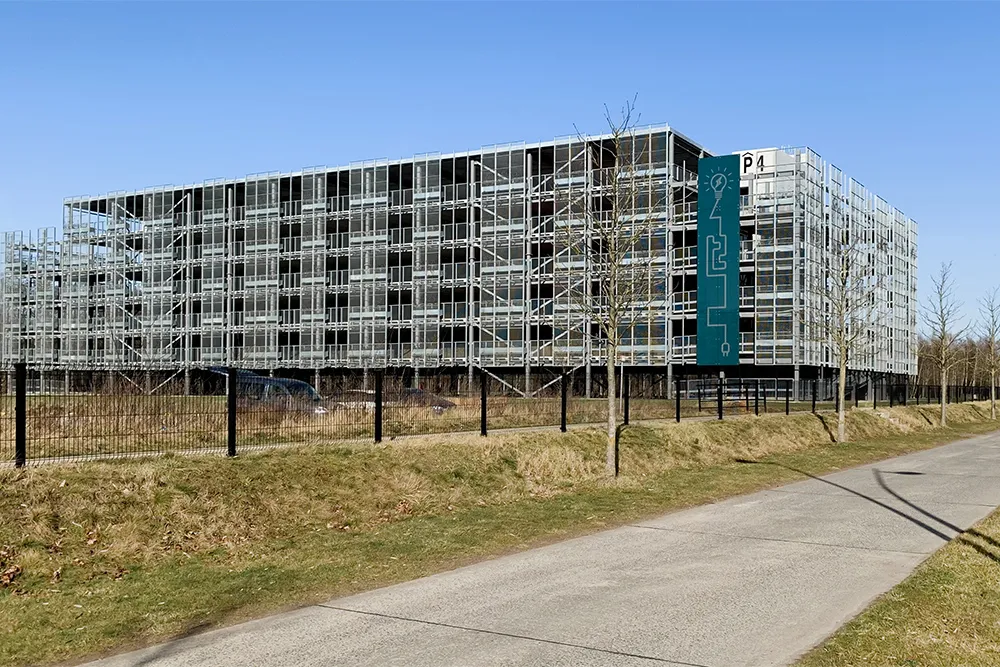
What you see is what you get
“Hot-dip galvanising is an extremely reliable form of protection,” Boender sums up. “Once applied, it never ‘falls off’, even after many decades of intensive use. In short: ‘what you see is what you get’.” To raise awareness of the many benefits of hot-dip galvanising, including in the circular economy, Zinkinfo Benelux regularly organises knowledge sessions, webinars and learning lunches for architects, steel fabricators, clients and anyone else interested. “As an independent trade association, Zinkinfo Benelux also carries out inspections and surveys, and increasingly acts as an advisory helpline,” concludes Hans Boender. “We are, of course, always happy to offer advice and support to non-members with questions about hot-dip galvanising too.”
Question about this story? Ask your question
Keep following this
Get an email when a new story is published. No account needed.
- SubjectYearbook